Biomarker testing is a laboratory analysis of genes, proteins, hormones, or other molecules in your blood or tissues to help assess your health, identify risk factors, or guide personalized care decisions. To learn more, read ourguides on biomarker testing.
Explore tests
Baseline test. Included in every membership.
Baseline Panel
100+ biomarkers · $199*
Baseline Panel
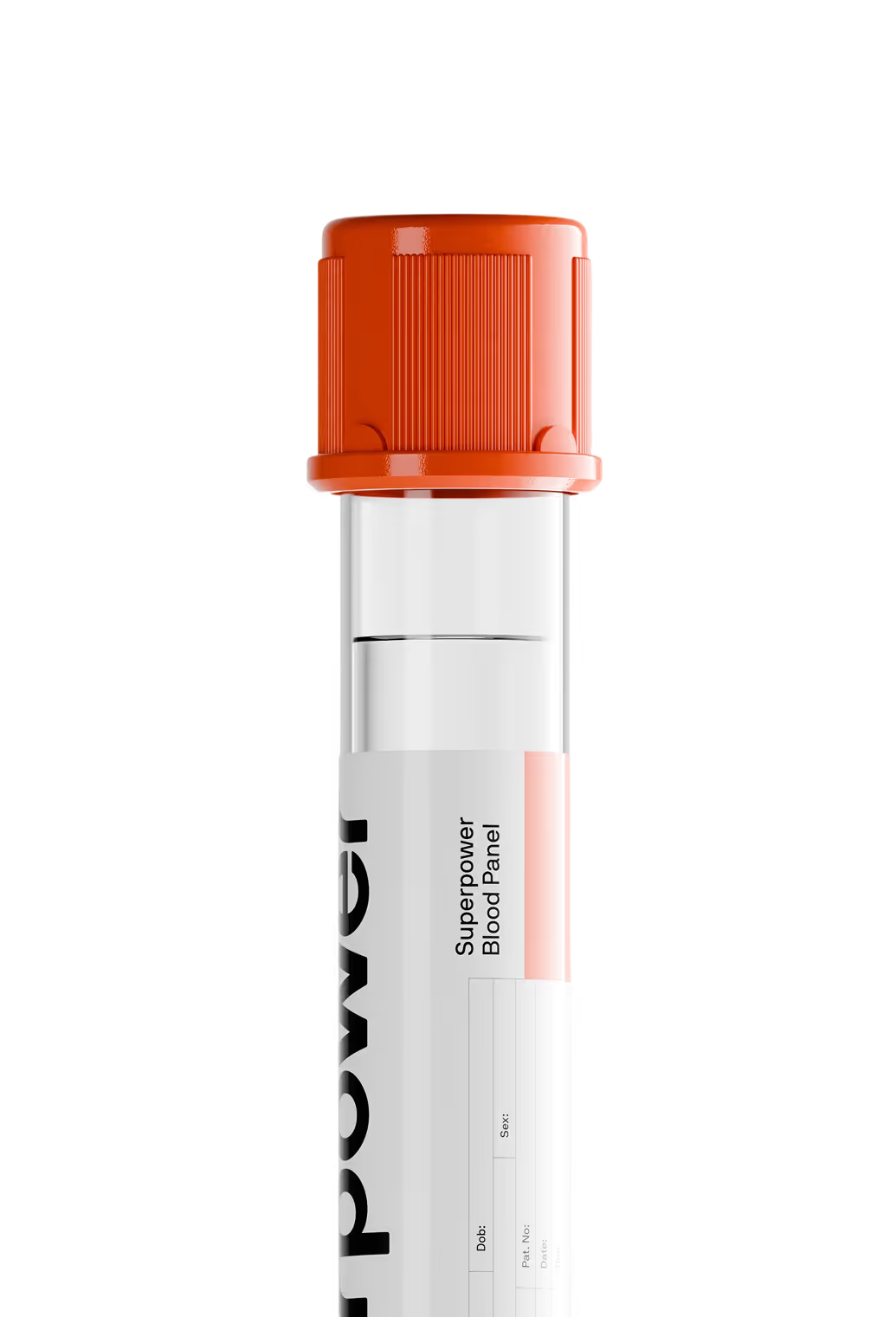
100+ biomarkers tested in a fully comprehensive blood panel with an optional at-home phlebotomist visit. Results processed in approximately 5-7 days.
Who is this for?
Anyone over 18 — whether you're healthy and curious, experiencing symptoms, or actively managing chronic conditions. This comprehensive baseline panel is designed for everyone who wants a deeper understanding of their health.
What's tested?
- Blood Cells & Immune System: White blood cell count, red blood cell count, hemoglobin, hematocrit, MCV, MCH, MCHC, RDW, platelet count, MPV, neutrophils, absolute neutrophils, lymphocytes, absolute lymphocytes, monocytes, absolute monocytes, eosinophils, absolute eosinophils, basophils, absolute basophils
- Metabolic Health: Glucose, hemoglobin A1C, eAG, uric acid, TyG index, corrected calcium
- Heart & Vascular Health: Total cholesterol, HDL cholesterol, LDL cholesterol, triglycerides, apolipoprotein B, cholesterol/HDL ratio, LDL/HDL ratio, non-HDL cholesterol, atherogenic index of plasma (AIP), atherogenic coefficient
- Liver Health: Albumin, globulin, albumin/globulin ratio, alkaline phosphatase, ALT, AST, total bilirubin, direct bilirubin, indirect bilirubin, GGT, bilirubin-to-albumin ratio
- Kidney Health: Creatinine, eGFR, BUN/creatinine ratio, urea nitrogen, calcium, carbon dioxide, chloride, potassium, sodium
- Thyroid Health: TSH, T3 uptake, total T4, free T4 index (T7)
- Sex Hormones: Total testosterone, free testosterone, bioavailable testosterone, SHBG, estradiol, DHEA sulfate, free androgen index, testosterone/estradiol ratio
- Energy & Stress: Cortisol, total iron, iron binding capacity, % saturation, ferritin
- Nutrients & Vitamins: Total protein, vitamin D (25-hydroxy)
- Inflammation: hs-CRP, systemic immune-inflammation index (SII), monocyte-to-HDL ratio, platelet-to-lymphocyte ratio, CRP/albumin ratio
- Advanced Ratios: Neutrophil-to-lymphocyte ratio, lymphocyte-to-monocyte ratio, neutrophil-to-HDL ratio, and 15+ other advanced calculated markers
- Superpower Metrics: BioAge, pace of aging, Superpower score
Testing is performed by CLIA-certified, CAP-accredited reference laboratories. Results support clinician interpretation and risk assessment and are not intended as stand-alone diagnoses or treatments. Superpower reports a mix of direct and derived biomarker metrics.
Biomarkers 100+
BMI Test
advanced
Health Score Test
advanced
Estradiol
advanced
RDW / MCV Ratio Testing
advanced
Platelet-to-WBC Ratio Test
advanced



Curated by Superpower's Research Team
*$17/month membership, billed annually.
Add-on panels. Dive deeper with specialty blood panels.
Advanced Panel
10 included in Advanced panel

Advanced Panel
120+ biomarkers tested through a comprehensive advanced blood panel, measuring every aspect of your health thoroughly. Optional at-home phlebotomist visit. Results processed in approximately 12-15 days.
Who is this for?
Anyone looking for a deeper dive across different areas of health at once, such as cardiovascular health, hormonal health, methylation test, and more.
Why take the test?
Proactive laboratory testing can provide targeted insight into you body's current health status, identifying areas of optimal and suboptimal physiologic function. The advanced panel dives into further areas of health that are not covered in our baseline panel, including in-depth hormone testing, genetic heart risk and nutrient status. Furthermore, this test can serve to track how your body is responding to your Superpower action plan.
Testing is performed by CLIA-certified, CAP-accredited reference laboratories. Results support clinician interpretation and risk assessment and are not intended as stand-alone diagnoses or treatments. Superpower reports a mix of direct and derived biomarker metrics.
Biomarkers 10
Lipoprotein (a) Testing
advanced
Progesterone Test
advanced
Prolactin Test
advanced
Insulin Test
advanced
Vitamin B12 Test
advanced
Thyroid peroxidase antibody Test
advanced
Thyroglobulin Antibodies Test
advanced
Homocysteine Test
advanced
Folate Test
advanced
Vitamin B12 (Cobalamin) Testing
advanced
Cardiovascular Panel
10 included in Advanced panel

Cardiovascular Panel
Identify hidden cardiovascular risks to guide prevention beyond standard cholesterol.
Who is this for?
Anyone wanting a fuller picture of heart & vascular health. Especially useful if you have a family history of heart disease, high cholesterol, diabetes, or want more insight than a standard cholesterol test provides.
Why take the test?
- Have a family history of heart disease or stroke.
- Have “normal” cholesterol but elevated risk factors (e.g., diabetes, hypertension, metabolic syndrome).
- Experience fatigue, brain fog, or poor exercise recovery linked to circulation.
- Want a more precise measure of how well your kidneys support cardiovascular health.
- Are considering or already on cholesterol-lowering therapy and want deeper insights.
Cardiovascular disease is the leading cause of death worldwide, yet standard cholesterol tests can miss hidden risks. This advanced panel evaluates lipoprotein particle quality, kidney health, and vascular function to provide a more accurate picture of long-term heart health.
This test may be especially helpful if you:
Testing is performed by CLIA-certified, CAP-accredited reference laboratories. Results support clinician interpretation and risk assessment and are not intended as stand-alone diagnoses or treatments. Superpower reports a mix of direct and derived biomarker metrics.
Biomarkers 10
Female Fertility Panel
10 included in Advanced panel

Female Fertility Panel
Get a complete view of hormones, thyroid & metabolism to support fertility & cycle health.
Who is this for?
Anyone trying to conceive, planning for the future, or experiencing irregular cycles, hormone-related symptoms, or difficulty getting pregnant. Especially useful if you want a clearer picture of hormone balance, ovarian reserve, thyroid function, or toxin exposure.
Why take the test?
- Have irregular or absent periods.
- Experience PMS, heavy bleeding, or signs of hormone imbalance.
- Have been trying to conceive without success.
- Have a family history of thyroid disease or autoimmune conditions.
- Suspect PCOS or insulin resistance.
- Want a comprehensive fertility “check-in” before starting a family.
Hormonal imbalances, thyroid autoimmunity, and metabolic dysfunction are common, underdiagnosed causes of fertility challenges. Identifying these factors early can help guide interventions — from lifestyle and nutrition changes to medical treatment — that improve reproductive outcomes and overall health.
This test may be especially helpful if you:
Testing is performed by CLIA-certified, CAP-accredited reference laboratories. Results support clinician interpretation and risk assessment and are not intended as stand-alone diagnoses or treatments. Superpower reports a mix of direct and derived biomarker metrics.
Biomarkers 10
Progesterone Test
advanced
Luteinizing Hormone (LH) Testing
advanced
Prolactin Test
advanced
Insulin Test
advanced
Metabolic Panel
10 included in Advanced panel

Metabolic Panel
Measure blood sugar, insulin & appetite hormones for better energy, weight & health.
Who is this for?
Anyone looking to understand their risk for diabetes, metabolic syndrome, or unexplained weight changes. Especially useful if you have a family history of diabetes, experience fatigue after meals, or want a clearer picture of insulin sensitivity.
Why take the test?
- Struggle with weight gain or difficulty losing weight.
- Experience fatigue, brain fog, or sugar cravings after meals.
- Have a family history of type 2 diabetes or metabolic syndrome.
- Show borderline changes in glucose, HbA1c, or cholesterol.
- Want to measure the impact of diet, exercise, or medication on your metabolism.
Insulin resistance often develops silently for years before diabetes is diagnosed. Early detection allows for targeted nutrition, lifestyle, and medical interventions to restore balance and reduce long-term risk.
This test may be especially helpful if you:
Testing is performed by CLIA-certified, CAP-accredited reference laboratories. Results support clinician interpretation and risk assessment and are not intended as stand-alone diagnoses or treatments. Superpower reports a mix of direct and derived biomarker metrics.
Biomarkers 10

Autoimmunity & Celiac Panel
10 included in Advanced panel

Autoimmunity & Celiac Panel
Screen thyroid, joint & autoimmune conditions like Hashimoto’s, RA & celiac disease.
Who is this for?
Anyone with ongoing fatigue, joint pain, digestive issues, skin changes, or a family/personal history of autoimmune disease. Especially useful if you have thyroid concerns or unexplained inflammation.
Why take the test?
- Ongoing fatigue, joint pain, or stiffness
- Digestive problems (bloating, diarrhea, malabsorption)
- Unexplained rashes, hair loss, or skin changes
- Thyroid dysfunction
- Family history of autoimmune disorders
Autoimmune diseases often build slowly with vague, overlapping symptoms. Detecting antibodies early helps explain what’s driving inflammation and gives you clearer next steps.
Testing is performed by CLIA-certified, CAP-accredited reference laboratories. Results support clinician interpretation and risk assessment and are not intended as stand-alone diagnoses or treatments. Superpower reports a mix of direct and derived biomarker metrics.
Biomarkers 10
Nutrient & Antioxidant Panel
10 included in Advanced panel

Nutrient & Antioxidant Panel
Check key vitamins & minerals that fuel energy, immunity, and recovery.
Who is this for?
Anyone looking to optimize energy, immunity, and overall resilience. Especially useful if you experience fatigue, frequent illness, slow recovery, or follow a restricted diet (vegan, vegetarian, keto, etc.).
Why take the test?
- Actively supplementing and want to confirm absorption, utilization, or avoid imbalances.
- Considering supplements and want clarity on what you truly need before starting.
- Feeling tired, foggy, or low in mood, and noticing slower recovery, wound healing, or changes in your skin and hair.
- Managing thyroid, hormonal, or cardiometabolic concerns (e.g., cholesterol, blood sugar, blood pressure).
- Living with digestive issues (IBS, IBD, celiac) or other conditions that affect nutrient absorption.
- Facing increased demands — athletes, people under chronic stress, or recovering from illness.
- Following a restricted diet (vegan, vegetarian, keto, etc.) or eating pattern that limits nutrient intake.
Nutrient status shapes how well your body produces energy, supports immune defenses, balances hormones, and controls inflammation. Even with a balanced diet, genetics, absorption issues, stress, or lifestyle factors can create gaps.
This test is especially valuable if you are:
Testing is performed by CLIA-certified, CAP-accredited reference laboratories. Results support clinician interpretation and risk assessment and are not intended as stand-alone diagnoses or treatments. Superpower reports a mix of direct and derived biomarker metrics.
Biomarkers 10
Methylation Panel
10 included in Advanced panel

Methylation Panel
Uncover imbalances that impact energy, mood & focus by testing core methylation processes.
Who is this for?
Anyone looking to optimize energy, focus, and long-term health. Especially useful if you experience fatigue, mood changes, or have a family history of heart disease, cognitive decline, or genetic variants affecting methylation (like MTHFR).
Why take the test?
- Fatigue, low mood, poor focus, or sleep problems
- High homocysteine, anemia, or low folate/B12 despite supplements
- Cardiovascular risks (cholesterol, clotting, hypertension)
- Memory issues or a family history of dementia
- Sensitivity to alcohol, meds, or chemicals
- Chronic inflammation, infections, or autoimmunity
Methylation is one of your body’s core systems for producing energy, balancing mood, detoxifying, and maintaining cellular repair. When it slows down, the effects can appear across many systems.
This test may be especially helpful if you have:
Testing is performed by CLIA-certified, CAP-accredited reference laboratories. Results support clinician interpretation and risk assessment and are not intended as stand-alone diagnoses or treatments. Superpower reports a mix of direct and derived biomarker metrics.
Biomarkers 10
Add-on diagnostics. Get insights beyond blood.

Environmental Toxins Test
10 included in Advanced panel
Environmental Toxins Test
Measures 27 environmental toxicant markers including phthalates, bisphenols, parabens, pesticides, and volatile organic compounds using LC-MS/MS technology.
Who is this for?
For anyone looking to understand if environmental toxins could be behind abnormal liver enzymes levels (ALT, AST, GGT, bilirubin), out-of-range kidney markers (creatinine, BUN), or behind signs of chronic inflammation (elevated CRP). Other symptoms of high environmental toxins load could present as ongoing fatigue, headaches, brain fog, skin irritation, unexplained allergies, hormonal changes, or fertility issues.
Why take the test?
Measuring your toxin load is the first step to reducing it - and protecting your energy, immunity & longevity.
Testing is performed by CLIA-certified, CAP-accredited reference laboratories. Results support clinician interpretation and risk assessment and are not intended as stand-alone diagnoses or treatments. Superpower reports a mix of direct and derived biomarker metrics.
Biomarkers 10

Heavy Metals Test
10 included in Advanced panel
Heavy Metals Test
Measures 20 heavy metals in urine to assess exposure to toxic elements like lead, mercury, arsenic, and cadmium. These metals can accumulate from environmental sources, food, and water, potentially affecting multiple body systems over time.
Who is this for?
For anyone looking for answers to low hemoglobin/hematocrit, iron panel imbalances (iron, ferritin, TIBC), abnormal kidney or liver function, elevated uric acid, or unexplained neurological symptoms. Fatigue, muscle weakness, numbness/tingling, digestive issues, or memory/concentration problems could also be symptoms of heavy metals.
Why take the test?
Even low-level exposure can cause fatigue, brain fog, and long-term health issues. Knowing your levels lets you take targeted steps to remove them.
Testing is performed by CLIA-certified, CAP-accredited reference laboratories. Results support clinician interpretation and risk assessment and are not intended as stand-alone diagnoses or treatments. Superpower reports a mix of direct and derived biomarker metrics.
Biomarkers 10
Gut Microbiome
10 included in Advanced panel
Gut Microbiome
Gut health impacts digestive, immune, mood, and metabolic health. Screen for over 120,000 microbes impacting your gut health, including bacteria, parasites, and fungi.
Who is this for?
The Gut Microbiome test is for anyone looking to understand how your gut health can help prevent or address symptoms like bloating, brain fog, fatigue, food intolerances, autoimmune flare-ups, poor recovery, or low energy.
Why take the test?
This test uses advanced DNA sequencing to screen over 120,000 microbe species in your stool sample - including bacteria, fungi, parasites, and yeast. These living organisms could be affecting your immunity levels, digestion, and metabolism if the beneficial bacteria are out of balance or impacted by disruptive ones.
Testing is performed by CLIA-certified, CAP-accredited reference laboratories. Results support clinician interpretation and risk assessment and are not intended as stand-alone diagnoses or treatments. Superpower reports a mix of direct and derived biomarker metrics.
Biomarkers 10

Grail Galleri Cancer
10 included in Advanced panel
Grail Galleri Cancer
Detect signals of over 50 types of cancers at their earliest, most treatable stages.
Who is this for?
The Galleri test uses advanced DNA sequencing and machine learning to analyze fragments of DNA (cfDNA) in your blood. Galleri checks over 1 million sites to detect abnormalities that may signal cancer and predict where it's coming from.
Why take the test?
Cancer risk increases with age, regardless of family history with only 5-10% of cancers being inherited - meaning most are not genetic. The remaining 90-95% are sporadic, caused by environmental exposures, lifestyle and aging-related somatic mutations. Adults over 50 are 13x more likely to develop cancer than those under 50. Early detection saves lives. Most cancers show no symptoms until it's too late.
Testing is performed by CLIA-certified, CAP-accredited reference laboratories. Results support clinician interpretation and risk assessment and are not intended as stand-alone diagnoses or treatments. Superpower reports a mix of direct and derived biomarker metrics.
Biomarkers 10
Baseline Retest
10 included in Advanced panel
Baseline Retest
100+ biomarkers tested in a fully comprehensive blood panel with an optional at-home phlebotomist visit. Results processed in approximately 5-7 days.
Who is this for?
Anyone over 18 — whether you're healthy and curious, experiencing symptoms, or actively managing chronic conditions. This comprehensive baseline panel is designed for everyone who wants a deeper understanding of their health.
Why take the test?
Proactive laboratory testing can provide targeted insight into you body's current health status, identifying areas of optimal and suboptimal physiologic function. Establish a baseline or track how your body is responding to your Superpower action plan.
Testing is performed by CLIA-certified, CAP-accredited reference laboratories. Results support clinician interpretation and risk assessment and are not intended as stand-alone diagnoses or treatments. Superpower reports a mix of direct and derived biomarker metrics.
Biomarkers 100+
Your membership
Baseline test
Baseline Panel
$199
Add-ons
Total*
*Pricing may vary for members in NY/NJ.$199
All biomarkers
Try a different search term
Heart & Vascular Health
0
Non-HDL Cholesterol Test
All cholesterol except good cholesterol; includes LDL, VLDL, and other atherogenic particles that contribute to plaque buildup and cardiovascular disease.
Learn moreMethod: FDA-cleared clinical laboratory assay performed in CLIA-certified, CAP-accredited laboratories. Used to aid clinician-directed evaluation and monitoring. Not a stand-alone diagnosis.
HDL Cholesterol Test
Good cholesterol that helps remove bad cholesterol from arteries; higher levels are protective against heart disease.
Learn moreMethod: FDA-cleared clinical laboratory assay performed in CLIA-certified, CAP-accredited laboratories. Used to aid clinician-directed evaluation and monitoring. Not a stand-alone diagnosis.
Triglycerides Test
A type of fat in blood; high levels increase risk of heart disease and pancreatitis.
Learn moreMethod: FDA-cleared clinical laboratory assay performed in CLIA-certified, CAP-accredited laboratories. Used to aid clinician-directed evaluation and monitoring. Not a stand-alone diagnosis.
LDL Cholesterol Test
Bad cholesterol that can build up in arteries; high levels increase risk of heart disease and stroke.
Learn moreMethod: FDA-cleared clinical laboratory assay performed in CLIA-certified, CAP-accredited laboratories. Used to aid clinician-directed evaluation and monitoring. Not a stand-alone diagnosis.
Cholesterol/HDL Ratio Testing
The Castelli Risk Index I reflects the balance between all circulating cholesterol and protective HDL; lower values indicate healthier lipid profiles and reduced cardiovascular risk.
Learn moreMethod: Derived from FDA-cleared laboratory results. This ratio/index is not an FDA-cleared test. It aids clinician-directed risk assessment and monitoring and is not a stand-alone diagnosis.
LDL/HDL Ratio Testing
The Castelli Risk Index II compares bad cholesterol to good cholesterol; provides targeted insight into the balance between atherogenic and protective lipoproteins.
Learn moreMethod: Derived from FDA-cleared laboratory results. This ratio/index is not an FDA-cleared test. It aids clinician-directed risk assessment and monitoring and is not a stand-alone diagnosis.
Cholesterol, Total Test
The total amount of cholesterol in blood; high levels increase risk of heart disease.
Learn moreMethod: FDA-cleared clinical laboratory assay performed in CLIA-certified, CAP-accredited laboratories. Used to aid clinician-directed evaluation and monitoring. Not a stand-alone diagnosis.
Apolipoprotein B (ApoB) Testing
A protein that carries bad cholesterol; elevated levels increase risk of cardiovascular disease.
Learn moreMethod: FDA-cleared clinical laboratory assay performed in CLIA-certified, CAP-accredited laboratories. Used to aid clinician-directed evaluation and monitoring. Not a stand-alone diagnosis.
Lipoprotein (a) Testing
A type of lipoprotein associated with an increased risk of cardiovascular diseases.
Learn moreMethod: FDA-cleared clinical laboratory assay performed in CLIA-certified, CAP-accredited laboratories. Used to aid clinician-directed evaluation and monitoring. Not a stand-alone diagnosis.
Neutrophil-to-HDL Cholesterol Ratio (NHR) Testing
.svg)
Derived Biomarker
Integrates immune activation and lipid protection; elevated ratios are strongly associated with cardiovascular events, mortality, and systemic inflammation.
Learn moreMethod: Derived from FDA-cleared laboratory results. This ratio/index is not an FDA-cleared test. It aids clinician-directed risk assessment and monitoring and is not a stand-alone diagnosis. Inputs: neutrophils, HDL-C.
Triglyceride / HDL Cholesterol (Molar Ratio) Testing
A powerful marker of insulin resistance and metabolic syndrome; elevated ratios suggest metabolic dysfunction and increased cardiovascular risk.
Learn moreMethod: Derived from FDA-cleared laboratory results. This ratio/index is not an FDA-cleared test. It aids clinician-directed risk assessment and monitoring and is not a stand-alone diagnosis. Inputs: TG, HDL-C.
Atherogenic Index of Plasma (AIP) Testing
Calculated as the logarithm of triglycerides to HDL ratio; reflects lipid quality and predicts cardiovascular risk compared with individual lipid markers.
Learn moreMethod: Derived from FDA-cleared laboratory results. This ratio/index is not an FDA-cleared test. It aids clinician-directed risk assessment and monitoring and is not a stand-alone diagnosis. Inputs: TG, HDL-C.
Atherogenic Coefficient Test
Shows the ratio of potentially harmful cholesterol to protective HDL; higher values indicate increased risk of plaque formation and inflammation.
Learn moreMethod: Derived from FDA-cleared laboratory results. This ratio/index is not an FDA-cleared test. It aids clinician-directed risk assessment and monitoring and is not a stand-alone diagnosis. Inputs: Total-C, HDL-C.
LDL Cholesterol / Total Cholesterol (Mass Ratio) Testing
Expresses the proportion of total cholesterol made up of LDL; higher ratios indicate greater cardiovascular risk as more cholesterol is in atherogenic particles.
Learn moreMethod: Derived from FDA-cleared laboratory results. This ratio/index is not an FDA-cleared test. It aids clinician-directed risk assessment and monitoring and is not a stand-alone diagnosis. Inputs: LCL-C, Total Cholesterol.
LDL-C / ApoB Testing
Derived Biomarker
Reflects cholesterol content per LDL particle and serves as a marker of particle size; low ratios indicate small, dense, more atherogenic LDL particles.
Learn moreMethod: Derived from FDA-cleared laboratory results. This ratio/index is not an FDA-cleared test. It aids clinician-directed risk assessment and monitoring and is not a stand-alone diagnosis. Inputs: LDL-C, ApoB.
Uric Acid / HDL-C Testing
Derived Biomarker
Compares uric acid levels to protective HDL cholesterol; elevated ratios may indicate increased metabolic and cardiovascular risk.
Learn moreMethod: Derived from FDA-cleared laboratory results. This ratio/index is not an FDA-cleared test. It aids clinician-directed risk assessment and monitoring and is not a stand-alone diagnosis. Inputs: uric acid, HDL-C.
TG / ApoB Testing
Derived Biomarker
Provides insight into lipoprotein particle size and composition; low ratios suggest small, dense LDL particles that are more atherogenic.
Learn moreMethod: Derived from FDA-cleared laboratory results. This ratio/index is not an FDA-cleared test. It aids clinician-directed risk assessment and monitoring and is not a stand-alone diagnosis. Inputs: TG, ApoB.
Non-HDL Cholesterol / Apolipoprotein B (Non-HDL-C / ApoB) Testing
Derived Biomarker
Reflects cholesterol content per atherogenic particle; low ratios suggest cholesterol-poor, small dense particles linked to increased cardiovascular risk.
Learn moreMethod: Derived from FDA-cleared laboratory results. This ratio/index is not an FDA-cleared test. It aids clinician-directed risk assessment and monitoring and is not a stand-alone diagnosis. Inputs: Non-HDL-C, ApoB.
Lipoprotein fractionation Test
Breaks down cholesterol into particle types to assess heart health risk.
Learn moreMethod: Laboratory-developed test (LDT) validated under CLIA; not cleared or approved by the FDA. Results are interpreted by clinicians in context and are not a stand-alone diagnosis.
ADMA Test
Measures blood vessel function and nitric oxide balance for vascular health.
Learn moreMethod: Laboratory-developed test (LDT) validated under CLIA; not cleared or approved by the FDA. Results are interpreted by clinicians in context and are not a stand-alone diagnosis.
SDMA Test
Measures blood vessel function and nitric oxide balance for vascular health.
Learn moreMethod: Laboratory-developed test (LDT) validated under CLIA; not cleared or approved by the FDA. Results are interpreted by clinicians in context and are not a stand-alone diagnosis.
Thyroid Health
0
Free T4 Index (T7) Testing
Estimates free thyroid hormone levels; helps assess thyroid function more accurately.
Learn moreMethod: Derived from FDA-cleared laboratory results. This ratio/index is not an FDA-cleared test. It aids clinician-directed risk assessment and monitoring and is not a stand-alone diagnosis.
Thyroid-Stimulating Hormone (TSH) Testing
A molecule that acts like a messenger, telling your thyroid gland how much hormone to produce; abnormal levels can signal an underactive or overactive thyroid.
Learn moreMethod: FDA-cleared clinical laboratory assay performed in CLIA-certified, CAP-accredited laboratories. Used to aid clinician-directed evaluation and monitoring. Not a stand-alone diagnosis.
T3 Uptake Test
Measures thyroid hormone binding proteins; helps interpret thyroid function tests.
Learn moreMethod: FDA-cleared clinical laboratory assay performed in CLIA-certified, CAP-accredited laboratories. Used to aid clinician-directed evaluation and monitoring. Not a stand-alone diagnosis.
Thyroxine (T4), Total Testing
The main thyroid hormone; abnormal levels indicate overactive or underactive thyroid.
Learn moreMethod: FDA-cleared clinical laboratory assay performed in CLIA-certified, CAP-accredited laboratories. Used to aid clinician-directed evaluation and monitoring. Not a stand-alone diagnosis.
Thyroid peroxidase antibody Test
Antibodies that attack the thyroid; presence indicates autoimmune thyroid disease.
Learn moreMethod: FDA-cleared clinical laboratory assay performed in CLIA-certified, CAP-accredited laboratories. Used to aid clinician-directed evaluation and monitoring. Not a stand-alone diagnosis.
Thyroglobulin Antibodies Test
Antibodies against thyroid protein; may indicate autoimmune thyroid conditions.
Learn moreMethod: FDA-cleared clinical laboratory assay performed in CLIA-certified, CAP-accredited laboratories. Used to aid clinician-directed evaluation and monitoring. Not a stand-alone diagnosis.
Triiodothyronine (T3), Free Testing
The active form of thyroid hormone; more accurately reflects thyroid function than total T3.
Learn moreMethod: FDA-cleared clinical laboratory assay performed in CLIA-certified, CAP-accredited laboratories. Used to aid clinician-directed evaluation and monitoring. Not a stand-alone diagnosis.
Metabolic Health
0
Glucose Test
Blood sugar level; elevated levels may indicate diabetes or prediabetes.
Learn moreMethod: FDA-cleared clinical laboratory assay performed in CLIA-certified, CAP-accredited laboratories. Used to aid clinician-directed evaluation and monitoring. Not a stand-alone diagnosis.
Hemoglobin A1c (HbA1c) Testing
Average blood sugar over 2-3 months; used to diagnose and monitor diabetes.
Learn moreMethod: FDA-cleared clinical laboratory assay performed in CLIA-certified, CAP-accredited laboratories. Used to aid clinician-directed evaluation and monitoring. Not a stand-alone diagnosis.
Estimated Average Glucose (mmol/L) Testing
Converts HbA1c into estimated average blood glucose over 2-3 months in mmol/L units; reflects long-term glycemic control and metabolic health.
Learn moreMethod: Derived from FDA-cleared laboratory results. This ratio/index is not an FDA-cleared test. It aids clinician-directed risk assessment and monitoring and is not a stand-alone diagnosis.
Estimated Average Glucose (mg/dL) Testing
Converts HbA1c into estimated average blood glucose over 2-3 months; provides an intuitive measure of long-term glucose control in familiar glucose meter units.
Learn moreMethod: Derived from FDA-cleared laboratory results. This ratio/index is not an FDA-cleared test. It aids clinician-directed risk assessment and monitoring and is not a stand-alone diagnosis.
Uric Acid Test
A waste product that can form crystals in joints; high levels may cause gout or kidney stones.
Learn moreMethod: FDA-cleared clinical laboratory assay performed in CLIA-certified, CAP-accredited laboratories. Used to aid clinician-directed evaluation and monitoring. Not a stand-alone diagnosis.
Insulin Test
A hormone that regulates blood sugar; elevated levels may indicate insulin resistance or diabetes risk.
Learn moreMethod: FDA-cleared clinical laboratory assay performed in CLIA-certified, CAP-accredited laboratories. Used to aid clinician-directed evaluation and monitoring. Not a stand-alone diagnosis.
Corrected Calcium (Albumin-adjusted) Testing
Adjusts total calcium based on albumin levels to estimate biologically active calcium; accounts for protein binding effects on calcium measurement.
Learn moreMethod: Derived from FDA-cleared laboratory results. This ratio/index is not an FDA-cleared test. It aids clinician-directed risk assessment and monitoring and is not a stand-alone diagnosis. Inputs: total calcium, albumin.
(Triglyceride - Glucose Index) - TyG Index Testing
Estimates insulin resistance using fasting triglycerides and glucose; higher values suggest metabolic dysfunction and increased diabetes risk.
Learn moreMethod: Derived from FDA-cleared laboratory results. This ratio/index is not an FDA-cleared test. It aids clinician-directed risk assessment and monitoring and is not a stand-alone diagnosis. Inputs: TG, glucose.
Leptin Test
Regulates hunger and body weight balance.
Learn moreMethod: Laboratory-developed test (LDT) validated under CLIA; not cleared or approved by the FDA. Results are interpreted by clinicians in context and are not a stand-alone diagnosis.
Cardio IQ Insulin Resistance Test
Assesses how well your body processes insulin and glucose.
Learn moreMethod: Derived from FDA-cleared laboratory results. This ratio/index is not an FDA-cleared test. It aids clinician-directed risk assessment and monitoring and is not a stand-alone diagnosis.
Adiponectin Test
A hormone that improves insulin sensitivity and fat metabolism.
Learn moreMethod: Laboratory-developed test (LDT) validated under CLIA; not cleared or approved by the FDA. Results are interpreted by clinicians in context and are not a stand-alone diagnosis.
Fructosamine Test
Shows average blood sugar control over the past few weeks.
Learn moreMethod: FDA-cleared clinical laboratory assay performed in CLIA-certified, CAP-accredited laboratories. Used to aid clinician-directed evaluation and monitoring. Not a stand-alone diagnosis.
Nutrients
0
Hemoglobin
The protein in red blood cells that carries oxygen; low levels indicate anemia while high levels may suggest dehydration or lung conditions.
Learn moreMethod: FDA-cleared clinical laboratory assay performed in CLIA-certified, CAP-accredited laboratories. Used to aid clinician-directed evaluation and monitoring. Not a stand-alone diagnosis.
Mean Corpuscular Hemoglobin (MCH) Testing
The average amount of hemoglobin in each red blood cell; useful for diagnosing different types of anemia.
Learn moreMethod: FDA-cleared clinical laboratory assay performed in CLIA-certified, CAP-accredited laboratories. Used to aid clinician-directed evaluation and monitoring. Not a stand-alone diagnosis.
Hematocrit Test
The percentage of blood volume made up of red blood cells; helps assess for anemia, dehydration, or blood disorders.
Learn moreMethod: FDA-cleared clinical laboratory assay performed in CLIA-certified, CAP-accredited laboratories. Used to aid clinician-directed evaluation and monitoring. Not a stand-alone diagnosis.
Red Blood Cells (RBC) Testing
Cells that carry oxygen throughout your body; low levels may indicate anemia while high levels may suggest dehydration or lung disease.
Learn moreMethod: FDA-cleared clinical laboratory assay performed in CLIA-certified, CAP-accredited laboratories. Used to aid clinician-directed evaluation and monitoring. Not a stand-alone diagnosis.
Mean Corpuscular Volume (MCV) Testing
The average size of red blood cells; helps classify different types of anemia and nutritional deficiencies.
Learn moreMethod: FDA-cleared clinical laboratory assay performed in CLIA-certified, CAP-accredited laboratories. Used to aid clinician-directed evaluation and monitoring. Not a stand-alone diagnosis.
Mean Corpuscular Hemoglobin Concentration (MCHC) Testing
The concentration of hemoglobin in red blood cells; helps identify specific types of anemia and blood disorders.
Learn moreMethod: FDA-cleared clinical laboratory assay performed in CLIA-certified, CAP-accredited laboratories. Used to aid clinician-directed evaluation and monitoring. Not a stand-alone diagnosis.
Platelet Count Test
Blood cells responsible for clotting; low levels increase bleeding risk while high levels may increase clotting risk.
Learn moreMethod: FDA-cleared clinical laboratory assay performed in CLIA-certified, CAP-accredited laboratories. Used to aid clinician-directed evaluation and monitoring. Not a stand-alone diagnosis.
Red Cell Distribution Width (RDW) Testing
Measures variation in red blood cell size; elevated levels may indicate nutritional deficiencies or blood disorders.
Learn moreMethod: FDA-cleared clinical laboratory assay performed in CLIA-certified, CAP-accredited laboratories. Used to aid clinician-directed evaluation and monitoring. Not a stand-alone diagnosis.
Mean Platelet Volume (MPV) Testing
The average size of platelets; helps assess platelet function and bone marrow activity.
Learn moreMethod: FDA-cleared clinical laboratory assay performed in CLIA-certified, CAP-accredited laboratories. Used to aid clinician-directed evaluation and monitoring. Not a stand-alone diagnosis.
Protein, Total Test
The total amount of proteins in blood; abnormal levels may indicate liver disease, kidney disease, or nutritional problems.
Learn moreMethod: FDA-cleared clinical laboratory assay performed in CLIA-certified, CAP-accredited laboratories. Used to aid clinician-directed evaluation and monitoring. Not a stand-alone diagnosis.
Vitamin D, 25-Hydroxy Test
The storage form of vitamin D; low levels may cause bone problems, muscle weakness, and immune dysfunction.
Learn moreMethod: Usually performed by FDA-cleared immunoassay in CLIA-certified, CAP-accredited laboratories. If an LC/MS method is used at the performing site, the assay is a laboratory-developed test (LDT) validated under CLIA and not cleared or approved by the FDA. Results support clinician interpretation and are not a stand-alone diagnosis.
RDW / MCV Ratio Testing
Derived Biomarker
Compares red cell size variation to average cell size; helps characterize different types of anemia and red blood cell disorders.
Learn moreMethod: Derived from FDA-cleared laboratory results. This ratio/index is not an FDA-cleared test. It aids clinician-directed risk assessment and monitoring and is not a stand-alone diagnosis. Inputs: RDW, MCV.
Vitamin C Test
Boosts immunity, collagen production, and recovery from stress or exercise.
Learn moreMethod: Laboratory-developed test (LDT) validated under CLIA; not cleared or approved by the FDA. Results are interpreted by clinicians in context and are not a stand-alone diagnosis.
Selenium Test
Antioxidant that protects cells and supports thyroid and immune health.
Learn moreMethod: Laboratory-developed test (LDT) validated under CLIA; not cleared or approved by the FDA. Results are interpreted by clinicians in context and are not a stand-alone diagnosis.
Magnesium Test
Supports muscle recovery, energy production, and relaxation.
Learn moreMethod: FDA-cleared clinical laboratory assay performed in CLIA-certified, CAP-accredited laboratories. Used to aid clinician-directed evaluation and monitoring. Not a stand-alone diagnosis.
Vitamin K Test
Important for bone strength and normal blood clotting.
Learn moreMethod: Laboratory-developed test (LDT) validated under CLIA; not cleared or approved by the FDA. Results are interpreted by clinicians in context and are not a stand-alone diagnosis.
Vitamin E Test
Protects cells and supports heart, skin, and reproductive health.
Learn moreMethod: Laboratory-developed test (LDT) validated under CLIA; not cleared or approved by the FDA. Results are interpreted by clinicians in context and are not a stand-alone diagnosis.
Vitamin B12 (Cobalamin) Testing
Supports energy, nerve function, and red blood cell health.
Learn moreMethod: FDA-cleared clinical laboratory assay performed in CLIA-certified, CAP-accredited laboratories. Used to aid clinician-directed evaluation and monitoring. Not a stand-alone diagnosis.
Liver Health
0
Alkaline Phosphatase (ALP) Testing
An enzyme found in liver and bones; elevated levels may indicate liver disease or bone disorders.
Learn moreMethod: FDA-cleared clinical laboratory assay performed in CLIA-certified, CAP-accredited laboratories. Used to aid clinician-directed evaluation and monitoring. Not a stand-alone diagnosis.
Albumin/Globulin Ratio Testing
Compares albumin to globulin proteins; helps assess liver function, protein metabolism, and immune status.
Learn moreMethod: Derived from FDA-cleared laboratory results. This ratio/index is not an FDA-cleared test. It aids clinician-directed risk assessment and monitoring and is not a stand-alone diagnosis. Inputs: albumin, globulin.
Albumin Test
The main protein in blood that maintains fluid balance; low levels may indicate liver disease, kidney disease, or malnutrition.
Learn moreMethod: FDA-cleared clinical laboratory assay performed in CLIA-certified, CAP-accredited laboratories. Used to aid clinician-directed evaluation and monitoring. Not a stand-alone diagnosis.
Alanine Aminotransferase (ALT) Testing
A liver enzyme; elevated levels indicate liver damage or disease.
Learn moreMethod: FDA-cleared clinical laboratory assay performed in CLIA-certified, CAP-accredited laboratories. Used to aid clinician-directed evaluation and monitoring. Not a stand-alone diagnosis.
Bilirubin, Total Test
A waste product from red blood cell breakdown; elevated levels may indicate liver disease or blood disorders.
Learn moreMethod: FDA-cleared clinical laboratory assay performed in CLIA-certified, CAP-accredited laboratories. Used to aid clinician-directed evaluation and monitoring. Not a stand-alone diagnosis.
Globulin Test
Blood proteins including antibodies; abnormal levels may indicate immune disorders, liver disease, or infections.
Learn moreMethod: Derived from FDA-cleared laboratory results. This ratio/index is not an FDA-cleared test. It aids clinician-directed risk assessment and monitoring and is not a stand-alone diagnosis.
Aspartate Aminotransferase (AST) Testing
An enzyme found in liver and muscles; elevated levels may indicate liver damage or muscle injury.
Learn moreMethod: FDA-cleared clinical laboratory assay performed in CLIA-certified, CAP-accredited laboratories. Used to aid clinician-directed evaluation and monitoring. Not a stand-alone diagnosis.
Gamma-Glutamyl Transferase (GGT) Testing
A liver enzyme sensitive to alcohol and bile duct problems; elevated levels may indicate liver disease.
Learn moreMethod: FDA-cleared clinical laboratory assay performed in CLIA-certified, CAP-accredited laboratories. Used to aid clinician-directed evaluation and monitoring. Not a stand-alone diagnosis.
Bilirubin, Direct Test
The processed form of bilirubin; elevated levels may indicate liver disease or bile duct problems.
Learn moreMethod: FDA-cleared clinical laboratory assay performed in CLIA-certified, CAP-accredited laboratories. Used to aid clinician-directed evaluation and monitoring. Not a stand-alone diagnosis.
Bilirubin, Indirect Test
The unprocessed form of bilirubin; elevated levels may indicate blood disorders or liver problems.
Learn moreMethod: Derived from FDA-cleared laboratory results. This ratio/index is not an FDA-cleared test. It aids clinician-directed risk assessment and monitoring and is not a stand-alone diagnosis. Calculated: total - direct.
Non-HDL Cholesterol / Total Cholesterol (Mass Ratio) Testing
Derived Biomarker
Measures the proportion of total cholesterol carried by potentially harmful lipoproteins; higher ratios indicate increased atherosclerotic risk.
Learn moreMethod: Derived from FDA-cleared laboratory results. This ratio/index is not an FDA-cleared test. It aids clinician-directed risk assessment and monitoring and is not a stand-alone diagnosis. Inputs: Non-HDL-C, Total-C.
GGT-to-HDL Cholesterol Ratio (GGT / HDL-C) Testing
Reflects the balance between oxidative stress and lipid protection; elevated ratios suggest liver stress and increased cardiometabolic risk.
Learn moreMethod: Derived from FDA-cleared laboratory results. This ratio/index is not an FDA-cleared test. It aids clinician-directed risk assessment and monitoring and is not a stand-alone diagnosis.
Indirect-to-Direct Bilirubin Ratio (I/D Bilirubin Ratio) Testing
Derived Biomarker
Compares unconjugated to conjugated bilirubin; helps differentiate between hemolytic disorders and liver dysfunction.
Learn moreMethod: Derived from FDA-cleared laboratory results. This ratio/index is not an FDA-cleared test. It aids clinician-directed risk assessment and monitoring and is not a stand-alone diagnosis. Inputs: indirect bilirubin, direct bilirubin.
Bilirubin-to-Albumin Ratio (BAR) Testing
Derived Biomarker
Assesses the relationship between bilirubin levels and albumin; useful for evaluating liver synthetic function and bilirubin metabolism.
Learn moreMethod: Derived from FDA-cleared laboratory results. This ratio/index is not an FDA-cleared test. It aids clinician-directed risk assessment and monitoring and is not a stand-alone diagnosis. Inputs: total bilirubin, albumin.
Kidney Health
0
BUN/Creatinine Ratio Testing
Derived Biomarker
Reflects the relationship between urea and creatinine waste products; helps distinguish between dehydration, blood loss, kidney dysfunction, or liver issues.
Learn moreMethod: Derived from FDA-cleared laboratory results. This ratio/index is not an FDA-cleared test. It aids clinician-directed risk assessment and monitoring and is not a stand-alone diagnosis.
Calcium Test
Essential mineral for bones, muscles, and nerves; abnormal levels may indicate bone disease, kidney problems, or hormonal disorders.
Learn moreMethod: FDA-cleared clinical laboratory assay performed in CLIA-certified, CAP-accredited laboratories. Used to aid clinician-directed evaluation and monitoring. Not a stand-alone diagnosis.
Potassium Test
An electrolyte essential for heart and muscle function; abnormal levels can cause dangerous heart rhythm problems.
Learn moreMethod: FDA-cleared clinical laboratory assay performed in CLIA-certified, CAP-accredited laboratories. Used to aid clinician-directed evaluation and monitoring. Not a stand-alone diagnosis.
Carbon Dioxide (CO2) Testing
Measures bicarbonate levels in blood; helps assess acid-base balance and kidney function.
Learn moreMethod: FDA-cleared clinical laboratory assay performed in CLIA-certified, CAP-accredited laboratories. Used to aid clinician-directed evaluation and monitoring. Not a stand-alone diagnosis.
Creatinine Test
A waste product filtered by kidneys; elevated levels indicate decreased kidney function.
Learn moreMethod: FDA-cleared clinical laboratory assay performed in CLIA-certified, CAP-accredited laboratories. Used to aid clinician-directed evaluation and monitoring. Not a stand-alone diagnosis.
Chloride Test
An electrolyte that helps maintain fluid balance; abnormal levels may indicate kidney problems or dehydration.
Learn moreMethod: FDA-cleared clinical laboratory assay performed in CLIA-certified, CAP-accredited laboratories. Used to aid clinician-directed evaluation and monitoring. Not a stand-alone diagnosis.
Sodium Test
An electrolyte that helps maintain fluid balance; abnormal levels may indicate kidney problems or dehydration.
Learn moreMethod: FDA-cleared clinical laboratory assay performed in CLIA-certified, CAP-accredited laboratories. Used to aid clinician-directed evaluation and monitoring. Not a stand-alone diagnosis.
Estimated Glomerular Filtration Rate (eGFR) Testing
Estimates how well kidneys filter waste; lower values indicate decreased kidney function.
Learn moreMethod: Derived from FDA-cleared laboratory results. This ratio/index is not an FDA-cleared test. It aids clinician-directed risk assessment and monitoring and is not a stand-alone diagnosis.
Blood Urea Nitrogen (BUN) Testing
A waste product filtered by kidneys; elevated levels indicate decreased kidney function.
Learn moreMethod: FDA-cleared clinical laboratory assay performed in CLIA-certified, CAP-accredited laboratories. Used to aid clinician-directed evaluation and monitoring. Not a stand-alone diagnosis.
Urine Color
Reflects hydration status, urine concentration, and overall fluid balance.
Learn moreMethod: Qualitative visual or automated assessment performed as part of a CLIA-certified urinalysis. Color is an observational, non-quantitative parameter and is not independently FDA-cleared. Reported to aid clinician-directed evaluation and is not a stand-alone diagnosis.
Urine Appearance
Shows urine clarity and color, reflecting hydration and internal balance.
Learn moreMethod: Qualitative visual or automated assessment performed as part of a CLIA-certified urinalysis. Appearance (clarity/turbidity) is an observational, non-quantitative parameter and is not independently FDA-cleared. Reported to aid clinician-directed evaluation and is not a stand-alone diagnosis.
Urine Specific Gravity
Reflects urine concentration, hydration status, and kidney function.
Learn moreMethod: FDA-cleared clinical laboratory assay performed in CLIA-certified, CAP-accredited laboratories. Used to aid clinician-directed evaluation and monitoring. Not a stand-alone diagnosis.
Urinary pH
Measures how acidic or alkaline urine is, reflecting acid-base balance.
Learn moreMethod: FDA-cleared clinical laboratory assay performed in CLIA-certified, CAP-accredited laboratories. Used to aid clinician-directed evaluation and monitoring. Not a stand-alone diagnosis.
Urinary Glucose
Measures glucose in urine, reflecting recent blood sugar levels.
Learn moreMethod: FDA-cleared clinical laboratory assay performed in CLIA-certified, CAP-accredited laboratories. Used to aid clinician-directed evaluation and monitoring. Not a stand-alone diagnosis.
Bilirubin, Urine
Measures bilirubin pigment in urine, reflecting liver or bile flow.
Learn moreMethod: FDA-cleared clinical laboratory assay performed in CLIA-certified, CAP-accredited laboratories. Used to aid clinician-directed evaluation and monitoring. Not a stand-alone diagnosis.
Ketones, Urine
Shows ketones from fat-burning as an alternative fuel.
Learn moreMethod: FDA-cleared clinical laboratory assay performed in CLIA-certified, CAP-accredited laboratories. Used to aid clinician-directed evaluation and monitoring. Not a stand-alone diagnosis.
Occult Blood, Urine
Measures tiny amounts of blood in urine.
Learn moreMethod: FDA-cleared clinical laboratory assay performed in CLIA-certified, CAP-accredited laboratories. Used to aid clinician-directed evaluation and monitoring. Not a stand-alone diagnosis.
Protein, Urine
Measures protein leakage in urine, reflecting kidney filtering health.
Learn moreMethod: FDA-cleared clinical laboratory assay performed in CLIA-certified, CAP-accredited laboratories. Used to aid clinician-directed evaluation and monitoring. Not a stand-alone diagnosis.
Nitrite, Urine
Measures urine nitrites linked to certain urinary bacteria.
Learn moreMethod: FDA-cleared clinical laboratory assay performed in CLIA-certified, CAP-accredited laboratories. Used to aid clinician-directed evaluation and monitoring. Not a stand-alone diagnosis.
Leukocyte Esterase, Urine
Measures white blood cell enzyme levels in urine.
Learn moreMethod: FDA-cleared clinical laboratory assay performed in CLIA-certified, CAP-accredited laboratories. Used to aid clinician-directed evaluation and monitoring. Not a stand-alone diagnosis.
WBC, Urine
Measures white blood cells in urine, reflecting urinary tract inflammation.
Learn moreMethod: FDA-cleared clinical laboratory assay performed in CLIA-certified, CAP-accredited laboratories. Used to aid clinician-directed evaluation and monitoring. Not a stand-alone diagnosis.
RBC, Urine
Measures red blood cells in urine, reflecting urinary tract lining integrity.
Learn moreMethod: FDA-cleared clinical laboratory assay performed in CLIA-certified, CAP-accredited laboratories. Used to aid clinician-directed evaluation and monitoring. Not a stand-alone diagnosis.
Epithelial Cells, Urine
Measures shed urinary tract cells, reflecting urinary health or contamination.
Learn moreMethod: FDA-cleared clinical laboratory assay performed in CLIA-certified, CAP-accredited laboratories. Used to aid clinician-directed evaluation and monitoring. Not a stand-alone diagnosis.
Bacteria, Urine
Measures bacteria present in urine, linked to urinary tract infection.
Learn moreMethod: FDA-cleared clinical laboratory assay performed in CLIA-certified, CAP-accredited laboratories. Used to aid clinician-directed evaluation and monitoring. Not a stand-alone diagnosis.
Inflammation
0
High-Sensitivity C-Reactive Protein (hs-CRP) Testing
A marker of inflammation; elevated levels increase risk of heart disease and other inflammatory conditions.
Learn moreMethod: FDA-cleared clinical laboratory assay performed in CLIA-certified, CAP-accredited laboratories. Used to aid clinician-directed evaluation and monitoring. Not a stand-alone diagnosis.
Erythrocyte Sedimentation Rate (ESR) Testing
Measures how quickly red blood cells settle; elevated levels indicate inflammation or infection.
Learn moreMethod: FDA-cleared clinical laboratory assay performed in CLIA-certified, CAP-accredited laboratories. Used to aid clinician-directed evaluation and monitoring. Not a stand-alone diagnosis.
Systemic Immune-Inflammation Index (SII) Testing
Composite marker using platelets, neutrophils, and lymphocytes; reflects immune imbalance and systemic inflammation linked to cardiovascular risk.
Learn moreMethod: Derived from FDA-cleared laboratory results. This ratio/index is not an FDA-cleared test. It aids clinician-directed risk assessment and monitoring and is not a stand-alone diagnosis. Inputs: CBC differentials.
Ferritin-to-Albumin Ratio (FAR) Testing
Derived Biomarker
Compares iron storage protein to albumin; helps assess nutritional status and inflammatory burden in complex clinical scenarios.
Learn moreMethod: Derived from FDA-cleared laboratory results. This ratio/index is not an FDA-cleared test. It aids clinician-directed risk assessment and monitoring and is not a stand-alone diagnosis. Inputs: ferritin, albumin.
Monocyte-to-HDL Ratio (MHR) Testing
Derived Biomarker
Balances immune activation against lipid protection; elevated ratios indicate increased inflammation and reduced cardiovascular protection.
Learn moreMethod: Derived from FDA-cleared laboratory results. This ratio/index is not an FDA-cleared test. It aids clinician-directed risk assessment and monitoring and is not a stand-alone diagnosis. Inputs: monocytes, HDL-C.
CRP / Albumin Ratio (CAR) Testing
Derived Biomarker
Compares inflammatory marker to nutritional protein; elevated ratios indicate systemic inflammation with potential nutritional compromise.
Learn moreMethod: Derived from FDA-cleared laboratory results. This ratio/index is not an FDA-cleared test. It aids clinician-directed risk assessment and monitoring and is not a stand-alone diagnosis. Inputs: CRP, albumin.
Platelet-to-Lymphocyte Ratio Test
Derived Biomarker
Reflects inflammatory and thrombotic status; elevated ratios may indicate increased cardiovascular risk and systemic inflammation.
Learn moreMethod: Derived from FDA-cleared laboratory results. This ratio/index is not an FDA-cleared test. It aids clinician-directed risk assessment and monitoring and is not a stand-alone diagnosis. Inputs: platelets, lymphocytes.
Systemic Inflammation Response Index (SIRI) Testing
Composite inflammatory marker using neutrophils, monocytes, and lymphocytes; indicates systemic inflammatory burden.
Learn moreMethod: Derived from FDA-cleared laboratory results. This ratio/index is not an FDA-cleared test. It aids clinician-directed risk assessment and monitoring and is not a stand-alone diagnosis. Inputs: neutrophils, monocytes, lymphocytes.
Body Composition
0
Insulin-Like Growth Factor 1 (IGF-1) Testing
A hormone that promotes growth and tissue repair; levels reflect growth hormone activity.
Learn moreMethod: Laboratory-developed test (LDT) validated under CLIA; not cleared or approved by the FDA. Results are interpreted by clinicians in context and are not a stand-alone diagnosis.
Aging
0
Health Score Test
Feeling run down, foggy, or just off? Could a comprehensive look at your health help you understand why? Your Health Score combines key biomarkers into a single number to show how your body is functioning. It simplifies complex data into a clear status update. Tracking this score helps you understand the root of your fatigue without the guesswork. You gain the insight needed to improve your vitality and feel your best.
Learn moreDNA Health
0
Vitamin B12 Test
Essential vitamin for nerve function and red blood cell formation; deficiency causes anemia and neurological problems.
Learn moreMethod: FDA-cleared clinical laboratory assay performed in CLIA-certified, CAP-accredited laboratories. Used to aid clinician-directed evaluation and monitoring. Not a stand-alone diagnosis.
Homocysteine Test
An amino acid that can damage blood vessels; elevated levels increase risk of heart disease and stroke.
Learn moreMethod: FDA-cleared clinical laboratory assay performed in CLIA-certified, CAP-accredited laboratories. Used to aid clinician-directed evaluation and monitoring. Not a stand-alone diagnosis.
Folate Test
A B vitamin essential for DNA synthesis and red blood cell formation; deficiency causes anemia and birth defects.
Learn moreMethod: FDA-cleared clinical laboratory assay performed in CLIA-certified, CAP-accredited laboratories. Used to aid clinician-directed evaluation and monitoring. Not a stand-alone diagnosis.
Folate, RBC Test
Shows long-term folate stores for DNA and cellular health.
Learn moreMethod: FDA-cleared clinical laboratory assay performed in CLIA-certified, CAP-accredited laboratories. Used to aid clinician-directed evaluation and monitoring. Not a stand-alone diagnosis.
Vitamin B6 (Plasma) Testing
Supports metabolism, energy, and neurotransmitter production.
Learn moreMethod: Laboratory-developed test (LDT) validated under CLIA; not cleared or approved by the FDA. Results are interpreted by clinicians in context and are not a stand-alone diagnosis.
Methylmalonic Acid (MMA) Testing
Detects vitamin B12 deficiency at the cellular level.
Learn moreMethod: Laboratory-developed test (LDT) validated under CLIA; not cleared or approved by the FDA. Results are interpreted by clinicians in context and are not a stand-alone diagnosis.
Vitamin B12 (Cobalamin) Testing
Supports energy, nerve function, and red blood cell health.
Learn moreMethod: FDA-cleared clinical laboratory assay performed in CLIA-certified, CAP-accredited laboratories. Used to aid clinician-directed evaluation and monitoring. Not a stand-alone diagnosis.
Energy
0
Ferritin Test
A protein that stores iron; low levels indicate iron deficiency while high levels may indicate iron overload or inflammation.
Learn moreMethod: FDA-cleared clinical laboratory assay performed in CLIA-certified, CAP-accredited laboratories. Used to aid clinician-directed evaluation and monitoring. Not a stand-alone diagnosis.
Cortisol Test
The stress hormone; abnormal levels may indicate adrenal disorders or chronic stress.
Learn moreMethod: FDA-cleared clinical laboratory assay performed in CLIA-certified, CAP-accredited laboratories. Used to aid clinician-directed evaluation and monitoring. Not a stand-alone diagnosis.
Total Iron Binding Capacity (TIBC) Testing
Measures the blood's capacity to bind iron; helps diagnose iron deficiency or overload.
Learn moreMethod: FDA-cleared clinical laboratory assay performed in CLIA-certified, CAP-accredited laboratories. Used to aid clinician-directed evaluation and monitoring. Not a stand-alone diagnosis.
Iron Saturation Test
The percentage of iron-binding sites that are occupied; helps assess iron status and storage.
Learn moreMethod: Derived from FDA-cleared laboratory results. This ratio/index is not an FDA-cleared test. It aids clinician-directed risk assessment and monitoring and is not a stand-alone diagnosis.
Iron, Total Test
Essential mineral for oxygen transport; low levels cause anemia while high levels may indicate iron overload.
Learn moreMethod: FDA-cleared clinical laboratory assay performed in CLIA-certified, CAP-accredited laboratories. Used to aid clinician-directed evaluation and monitoring. Not a stand-alone diagnosis.
BMI Test
Struggling with low energy or joint pain, and wondering if checking your BMI could help? BMI uses your height and weight to indicate if you are in a healthy range. It gives you a clear starting point. Measuring this helps reveal if weight is contributing to your discomfort. You can then take steps to feel lighter and more energetic.
Learn moreImmune System
0
White Blood Cells (WBC) Testing
Immune system cells that help fight infections and diseases; abnormal levels may indicate infection, immune disorders, or blood cancers.
Learn moreMethod: FDA-cleared clinical laboratory assay performed in CLIA-certified, CAP-accredited laboratories. Used to aid clinician-directed evaluation and monitoring. Not a stand-alone diagnosis.
Eosinophils, Absolute Test
The actual number of eosinophils in your blood; useful for diagnosing allergic conditions and parasitic infections.
Learn moreMethod: FDA-cleared clinical laboratory assay performed in CLIA-certified, CAP-accredited laboratories. Used to aid clinician-directed evaluation and monitoring. Not a stand-alone diagnosis.
Lymphocytes, Absolute Test
The actual number of lymphocytes in your blood; important for evaluating immune system health.
Learn moreMethod: FDA-cleared clinical laboratory assay performed in CLIA-certified, CAP-accredited laboratories. Used to aid clinician-directed evaluation and monitoring. Not a stand-alone diagnosis.
Lymphocytes Test
White blood cells that fight viral infections and produce antibodies; levels help assess immune system function.
Learn moreMethod: FDA-cleared clinical laboratory assay performed in CLIA-certified, CAP-accredited laboratories. Used to aid clinician-directed evaluation and monitoring. Not a stand-alone diagnosis.
Basophils, Absolute Test
The actual number of basophils in your blood; helps evaluate allergic reactions and certain blood conditions.
Learn moreMethod: FDA-cleared clinical laboratory assay performed in CLIA-certified, CAP-accredited laboratories. Used to aid clinician-directed evaluation and monitoring. Not a stand-alone diagnosis.
Monocytes, Absolute Test
The actual number of monocytes in your blood; helps assess immune response and inflammatory conditions.
Learn moreMethod: FDA-cleared clinical laboratory assay performed in CLIA-certified, CAP-accredited laboratories. Used to aid clinician-directed evaluation and monitoring. Not a stand-alone diagnosis.
Neutrophils Test
White blood cells that fight bacterial infections; elevated levels often indicate bacterial infection or inflammation.
Learn moreMethod: FDA-cleared clinical laboratory assay performed in CLIA-certified, CAP-accredited laboratories. Used to aid clinician-directed evaluation and monitoring. Not a stand-alone diagnosis.
Monocytes Test
White blood cells that fight infections and remove dead cells; elevated levels may indicate chronic infection or inflammation.
Learn moreMethod: FDA-cleared clinical laboratory assay performed in CLIA-certified, CAP-accredited laboratories. Used to aid clinician-directed evaluation and monitoring. Not a stand-alone diagnosis.
Eosinophils Test
White blood cells that fight parasites and are involved in allergic reactions; elevated levels may indicate allergies or parasitic infections.
Learn moreMethod: FDA-cleared clinical laboratory assay performed in CLIA-certified, CAP-accredited laboratories. Used to aid clinician-directed evaluation and monitoring. Not a stand-alone diagnosis.
Basophils Test
White blood cells involved in allergic reactions and inflammation; elevated levels may indicate allergic conditions or blood disorders.
Learn moreMethod: FDA-cleared clinical laboratory assay performed in CLIA-certified, CAP-accredited laboratories. Used to aid clinician-directed evaluation and monitoring. Not a stand-alone diagnosis.
Neutrophils, Absolute Test
The actual number of neutrophils in your blood; helps assess immune function and infection risk.
Learn moreMethod: FDA-cleared clinical laboratory assay performed in CLIA-certified, CAP-accredited laboratories. Used to aid clinician-directed evaluation and monitoring. Not a stand-alone diagnosis.
Lymphocyte-to-Monocyte Ratio (LMR) Testing
Derived Biomarker
Reflects immune balance and inflammatory status; lower ratios may indicate chronic inflammation or immune dysfunction.
Learn moreMethod: Derived from FDA-cleared laboratory results. This ratio/index is not an FDA-cleared test. It aids clinician-directed risk assessment and monitoring and is not a stand-alone diagnosis. Inputs: lymphocytes, monocytes.
Platelet-to-WBC Ratio Test
Derived Biomarker
Compares platelet count to total white blood cells; provides insight into hematologic balance and potential inflammatory states.
Learn moreMethod: Derived from FDA-cleared laboratory results. This ratio/index is not an FDA-cleared test. It aids clinician-directed risk assessment and monitoring and is not a stand-alone diagnosis. Inputs: platelets, WBC.
Neutrophil-to-Lymphocyte Ratio Test
Derived Biomarker
A marker of systemic inflammation and immune stress; elevated ratios are associated with increased cardiovascular risk and mortality.
Learn moreMethod: Derived from FDA-cleared laboratory results. This ratio/index is not an FDA-cleared test. It aids clinician-directed risk assessment and monitoring and is not a stand-alone diagnosis. Inputs: neutrophils, lymphocytes.
Monocyte-to-Lymphocyte Ratio (MLR) Testing
Derived Biomarker
Reflects balance between innate and adaptive immunity; elevated ratios may indicate chronic inflammatory conditions.
Learn moreMethod: Derived from FDA-cleared laboratory results. This ratio/index is not an FDA-cleared test. It aids clinician-directed risk assessment and monitoring and is not a stand-alone diagnosis. Inputs: monocytes, lymphocytes.
Neutrophil-to-Lymphocyte & Platelet Ratio (NLPR) Testing
Derived Biomarker
Advanced inflammatory marker combining multiple immune cell types; reflects complex immune-inflammatory interactions.
Learn moreMethod: Derived from FDA-cleared laboratory results. This ratio/index is not an FDA-cleared test. It aids clinician-directed risk assessment and monitoring and is not a stand-alone diagnosis. Inputs: neutrophils, lymphocytes, platelets.
dsDNA antibody Test
Detects antibodies highly specific to lupus; rising levels often indicate increased disease activity, especially in the kidneys.
Learn moreMethod: FDA-cleared clinical laboratory assay performed in CLIA-certified, CAP-accredited laboratories. Used to aid clinician-directed evaluation and monitoring. Not a stand-alone diagnosis.
Rheumatoid factor
Helps identify rheumatoid arthritis or chronic joint inflammation.
Learn moreMethod: FDA-cleared clinical laboratory assay performed in CLIA-certified, CAP-accredited laboratories. Used to aid clinician-directed evaluation and monitoring. Not a stand-alone diagnosis.
CCP antibody Test
Identifies antibodies strongly tied to rheumatoid arthritis risk and progression.
Learn moreMethod: FDA-cleared clinical laboratory assay performed in CLIA-certified, CAP-accredited laboratories. Used to aid clinician-directed evaluation and monitoring. Not a stand-alone diagnosis.
ANA (antinuclear antibody) Testing
Screens for autoimmune activity often associated with lupus and related connective tissue diseases.
Learn moreMethod: FDA-cleared clinical laboratory assay performed in CLIA-certified, CAP-accredited laboratories. Used to aid clinician-directed evaluation and monitoring. Not a stand-alone diagnosis.
Celiac Disease Comprehensive Panel Testing
Screens for antibodies that indicate celiac-related autoimmunity and gluten-triggered immune activity.
Learn moreMethod: FDA-cleared clinical laboratory assay performed in CLIA-certified, CAP-accredited laboratories. Used to aid clinician-directed evaluation and monitoring. Not a stand-alone diagnosis.
Sex Hormones
0
Testosterone, Total Test
The primary male hormone; affects muscle mass, bone density, mood, and sexual function.
Learn moreMethod: Laboratory-developed test (LDT) validated under CLIA; not cleared or approved by the FDA. Results are interpreted by clinicians in context and are not a stand-alone diagnosis.
Sex Hormone Binding Globulin (SHBG) Testing
A protein that binds sex hormones; affects the amount of active hormones available to tissues.
Learn moreMethod: FDA-cleared clinical laboratory assay performed in CLIA-certified, CAP-accredited laboratories. Used to aid clinician-directed evaluation and monitoring. Not a stand-alone diagnosis.
Testosterone, Bioavailable Test
Testosterone that is available for use by tissues; includes free and loosely bound testosterone.
Learn moreMethod: Laboratory-developed test (LDT) validated under CLIA; not cleared or approved by the FDA. Results are interpreted by clinicians in context and are not a stand-alone diagnosis.
DHEA Sulfate (DHEA-S) Testing
A hormone precursor that declines with age; low levels may affect energy, mood, and immune function.
Learn moreMethod: FDA-cleared clinical laboratory assay performed in CLIA-certified, CAP-accredited laboratories. Used to aid clinician-directed evaluation and monitoring. Not a stand-alone diagnosis.
Testosterone, Free Test
The active form of testosterone not bound to proteins; more accurately reflects hormone activity.
Learn moreMethod: Laboratory-developed test (LDT) validated under CLIA; not cleared or approved by the FDA. Results are interpreted by clinicians in context and are not a stand-alone diagnosis.
Follicle Stimulating Hormone (FSH) Testing
A hormone that regulates reproductive function; levels help assess fertility and menopause status.
Learn moreMethod: FDA-cleared clinical laboratory assay performed in CLIA-certified, CAP-accredited laboratories. Used to aid clinician-directed evaluation and monitoring. Not a stand-alone diagnosis.
Prostate Specific Antigen (PSA), Free Testing
The unbound form of PSA; helps distinguish between benign and malignant prostate conditions.
Learn moreMethod: FDA-cleared clinical laboratory assay performed in CLIA-certified, CAP-accredited laboratories. Used to aid clinician-directed evaluation and monitoring. Not a stand-alone diagnosis.
Progesterone Test
A hormone important for menstrual cycle and pregnancy; levels help assess reproductive health.
Learn moreMethod: FDA-cleared clinical laboratory assay performed in CLIA-certified, CAP-accredited laboratories. Used to aid clinician-directed evaluation and monitoring. Not a stand-alone diagnosis.
Prostate Specific Antigen (PSA), Total Testing
A protein produced by the prostate; elevated levels may indicate prostate problems including cancer.
Learn moreMethod: FDA-cleared clinical laboratory assay performed in CLIA-certified, CAP-accredited laboratories. Used to aid clinician-directed evaluation and monitoring. Not a stand-alone diagnosis.
Luteinizing Hormone (LH) Testing
A hormone that triggers ovulation and testosterone production; helps assess reproductive health.
Learn moreMethod: FDA-cleared clinical laboratory assay performed in CLIA-certified, CAP-accredited laboratories. Used to aid clinician-directed evaluation and monitoring. Not a stand-alone diagnosis.
Prolactin Test
A hormone that stimulates milk production; abnormal levels may affect fertility and sexual function.
Learn moreMethod: FDA-cleared clinical laboratory assay performed in CLIA-certified, CAP-accredited laboratories. Used to aid clinician-directed evaluation and monitoring. Not a stand-alone diagnosis.
Free Androgen Index (FAI) Testing
Derived Biomarker
Estimates biologically active testosterone by comparing total testosterone to SHBG; useful for assessing androgen status in both men and women.
Learn moreMethod: Derived from laboratory results. If any input is measured by a laboratory-developed test (LDT) validated under CLIA, that input is not cleared or approved by the FDA. This ratio/index itself is not FDA-cleared. Results support clinician interpretation and are not a stand-alone diagnosis. Inputs: total testosterone, SHBG.
Testosterone / Estradiol (T:E2) Testing
Derived Biomarker
Reflects hormonal balance between androgens and estrogens; imbalances are linked to cardiovascular risk, inflammation, and metabolic dysfunction.
Learn moreMethod: Derived from laboratory results. If any input is measured by a laboratory-developed test (LDT) validated under CLIA, that input is not cleared or approved by the FDA. This ratio/index itself is not FDA-cleared. Results support clinician interpretation and are not a stand-alone diagnosis. Inputs: testosterone, estradiol.
17-hydroxyprogesterone (17-OHP) Test
Evaluates adrenal and ovarian hormone balance affecting cycles and fertility.
Learn moreMethod: Laboratory-developed test (LDT) validated under CLIA; not cleared or approved by the FDA. Results are interpreted by clinicians in context and are not a stand-alone diagnosis.
Estradiol
Measures estrogen levels to assess ovarian function and hormone balance.
Learn moreMethod: Laboratory-developed test (LDT) validated under CLIA; not cleared or approved by the FDA. Results are interpreted by clinicians in context and are not a stand-alone diagnosis.
Mercury, blood Test
Screens for mercury exposure that may affect hormones and fertility.
Learn moreMethod: Laboratory-developed test (LDT) validated under CLIA; not cleared or approved by the FDA. Results are interpreted by clinicians in context and are not a stand-alone diagnosis.
Cardio IQ Insulin Test
Measures fasting insulin to assess blood sugar balance and metabolic health.
Learn moreMethod: FDA-cleared clinical laboratory assay performed in CLIA-certified, CAP-accredited laboratories. Used to aid clinician-directed evaluation and monitoring. Not a stand-alone diagnosis.
Thyroid antibodies Test
Detects thyroid autoimmunity that can impact metabolism and fertility.
Learn moreMethod: FDA-cleared clinical laboratory assay performed in CLIA-certified, CAP-accredited laboratories. Used to aid clinician-directed evaluation and monitoring. Not a stand-alone diagnosis.
Glucose, plasma Test
Checks blood sugar levels related to energy and metabolic balance.
Learn moreMethod: FDA-cleared clinical laboratory assay performed in CLIA-certified, CAP-accredited laboratories. Used to aid clinician-directed evaluation and monitoring. Not a stand-alone diagnosis.
AMH (anti-Müllerian hormone) Testing
Key marker of ovarian reserve and remaining egg count.
Learn moreMethod: FDA-cleared clinical laboratory assay performed in CLIA-certified, CAP-accredited laboratories. Used to aid clinician-directed evaluation and monitoring. Not a stand-alone diagnosis.
Ultra-Sensitive Estradiol Test
Measures estrogen levels to assess ovarian function and hormone balance.
Learn moreMethod: Laboratory-developed test (LDT) validated under CLIA; not cleared or approved by the FDA. Results are interpreted by clinicians in context and are not a stand-alone diagnosis.
Derived Biomarkers
Like all comprehensive health platforms, Superpower provides derived biomarkers. Derived biomarkers are standard clinical tools used by healthcare providers worldwide.
A derived biomarker is a value that is calculated from other directly measured biomarkers rather than being measured directly in the lab.
A derived biomarker is a value that is calculated from other directly measured biomarkers rather than being measured directly in the lab.
The following biomarkers Progesterone, Vitamin K, ADMA/SDMA, IGF-1, Thyroid Peroxidase, Lipoprotein Fractionation, NMR and Thyroglobulin Antibody are not currently offered for Superpower members residing in New York/New Jersey. Some methods are laboratory-developed tests (LDTs) validated under CLIA but not cleared or approved by the U.S. FDA. Public claims mirror the performing laboratory’s intended-use language. Clinicians interpret results in context and may order confirmatory testing where appropriate.
Lab testing you can trust
Medical-grade labs trusted by leading clinicians. No unreliable blood draws.


1.75M+
Results delivered to Superpower members
4.6 out of 5 stars
On
Trustpilot

What is biomarker testing?
At Superpower, biomarker testing is the foundation of everything we do. It’s not about guesswork, quick fixes, or “one-size-fits-all” health advice. It’s about data.
Biomarker testing measures the actual molecules in your blood, saliva, or other samples that reflect how your body is working at the deepest level.
These results are then mapped against optimal ranges so you can see where you stand — today, not years later when problems surface.
Why testing matters
- Detect early signs of conditions including cardiovascular disease, metabolic dysfunction, and hormonal imbalance to increase the chance for intervention and potential outcomes.
- Understand your health baseline to improve your energy, metabolism, and longevity, particularly by tracking related biomarkers over time.
- Monitor health changes in response to new diet, exercise, or supplement regimens, helping to objectively measure the impact of lifestyle adjustments.
- Personalize your health decisions, including assessing your risks and protocol options, rather than relying on average population data or standard guidelines alone.
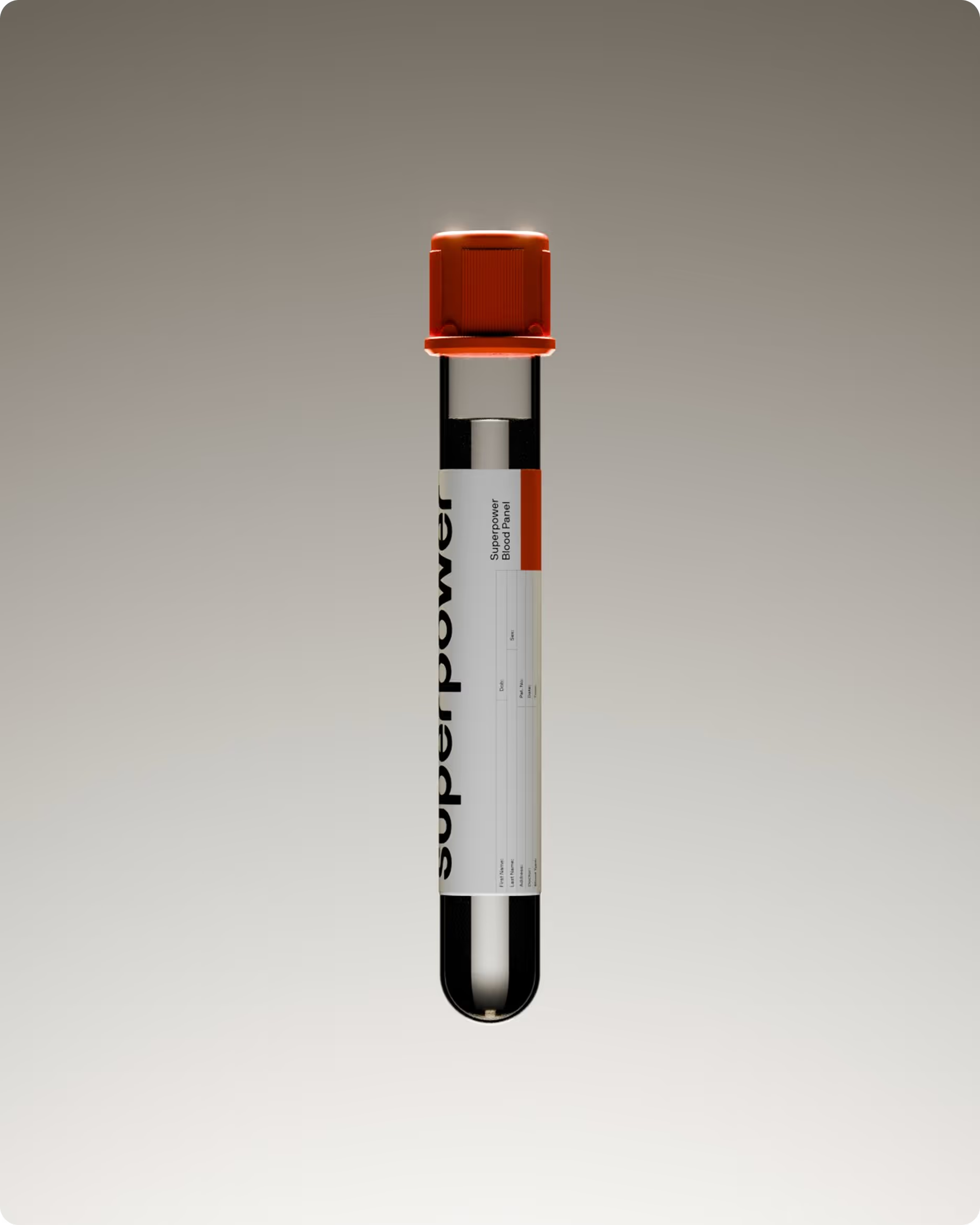
FAQs
Biomarker testing can identify hidden health risks, nutritional deficiencies, hormone levels, or early signs of disease — allowing for targeted lifestyle or medical interventions before symptoms develop. To learn more, read our guides on specificillnesses and diseasesthat biomarker testing can assist with.
People interested in optimizing health, longevity, or athletic performance, men and women monitoring hormone status (including testosterone), or those with specific health concerns (like heart, thyroid, or metabolic health) all benefit from biomarker testing.
Our biomarker tests at Superpower require a simple blood draw — either at home or in a clinic. Some other tests use additional samples like urine or saliva, depending on what is being measured.
Yes, certain biomarkers are linked to risks for cardiovascular disease, diabetes, hormone imbalances, metabolic syndrome, and even some cancers, enabling early and personalized prevention strategies.
For most people, testing every 6–12 months is recommended for ongoing monitoring and tracking changes in health or the effectiveness of interventions, though frequency can vary based on goals and medical advice.
.avif)