


Understand what your hormone testing results really mean
See your biomarkers in context with a comprehensive panel.
- CLIA-certified labs
- HIPAA compliant
- Personalized health protocol
What cortisol actually is, in plain language
Cortisol is a steroid hormone made in your adrenal glands. It helps release glucose, regulates blood pressure, modulates inflammation, and cues wakefulness. When a lab reports "cortisol," you are seeing how strongly this system is pressing the gas pedal at a specific moment or across a day. Serum tests capture total cortisol — bound to a protein called CBG (corticosteroid-binding globulin) plus the free, active fraction. Saliva and urine tests estimate free cortisol, the part that actually gets into cells.
How cortisol drives your stress response
Imagine a dawn-to-dusk dimmer switch, not an on–off light. Cortisol follows a powerful circadian rhythm set by your brain's master clock. It rises before you wake, peaks about 30 minutes after getting out of bed (the cortisol awakening response), and gradually falls to its lowest point near midnight. That curve helps you transition from sleep to action, then from action back to sleep.
What makes it change? Stressors of all kinds. A hard interval workout spikes cortisol so you can mobilize glucose and maintain blood pressure. A viral infection bumps it to modulate inflammation. A junk-food binge or all-nighter drags the evening slope upward, making it harder to wind down. Over weeks, chronic strain can flatten the curve — a pattern linked in studies to fatigue, low mood, and impaired performance. Chronic psychological stress can also trigger IL-6 and other inflammatory signals that feed back into the HPA axis, further disrupting the normal diurnal arc and sometimes inverting it, with blunted morning peaks and elevated evening values.
Here is the feedback loop. The brain releases CRH, the pituitary releases ACTH, the adrenals release cortisol. Cortisol feeds back to the brain to dial the signal down. Too many late nights, erratic meals, or relentless psychological stress can desynchronize that loop. Cortisol does not equal stress load — the pattern matters more than any single value.
Cortisol touches almost every aging pathway: glucose control, blood pressure, brain function, bone turnover, and immune balance. Over time, a steeper, well-timed curve tends to align with lower cardiometabolic risk, better sleep architecture, and sharper cognition. Studies link a dysregulated pattern with diabetes risk, hypertension, and depression, though cause and effect can run both ways.
Reading your cortisol number across the day
"Normal range" does not mean "ideal for you." Lab reference intervals are built from large populations, not from your personal baseline. Cortisol ranges also depend on timing and test type. Morning serum values run higher than afternoon values. Salivary samples taken at midnight should be low. Reference intervals differ by lab, assay method, and whether you are measuring total or free cortisol. "Optimal" is less about a single number and more about a healthy pattern: a robust morning rise, a smooth decline through the day, and consistently low nighttime levels.
High cortisol
High cortisol means your body is mobilizing. That can be adaptive, like during a big presentation or a tempo run. It can also reflect strain: poor sleep, pain, infection, or persistent psychological stress. Certain medications raise measured levels, especially oral estrogens that increase CBG and inflate total cortisol while leaving the free fraction unchanged. Topical or inhaled steroids can suppress your own cortisol and also contaminate salivary samples if used near the mouth.
In clinical settings, very high or persistently elevated cortisol at night raises suspicion for Cushing syndrome. Endocrine Society guidelines recommend late-night salivary cortisol, 24-hour urinary free cortisol, or a low-dose dexamethasone suppression test to screen when that diagnosis is on the table. For most people, though, patterns are key. A single spike after a hard workout is normal. Repeated high evening values alongside poor sleep or rising fasting glucose may signal an under-recovered system.
Low cortisol
Low cortisol can be a picture of recovery or a sign of underproduction. A low value in the evening is expected. A very low morning value could reflect timing error, lab method differences, or medicine effects. Exogenous steroids can suppress ACTH and lower cortisol. Rarely, autoimmune adrenal disease or pituitary disorders impair production. Symptoms matter here: unexplained weight loss, dizziness, salt craving, or recurrent infections warrant medical evaluation with ACTH stimulation testing.
Chronic stress does not always equal high cortisol. In some long-term stress states, the system adapts and the curve can flatten, with lower morning levels and higher evening levels. Saliva-based profiles help visualize that pattern, but they need context and repeat testing to be meaningful.
Normal cortisol
A typical AM serum cortisol falls roughly in the range of 6–23 mcg/dL, though exact reference intervals vary by lab and assay. Within that range, what matters most is the pattern: a robust morning rise and reliably low midnight values indicate a well-functioning diurnal rhythm. A single in-range number is reassuring but incomplete — context such as draw time, test method, and how you feel fills in the rest of the picture.
Why your cortisol value shifts hour to hour
Time of day is the single largest driver of cortisol variation. Because the hormone follows a steep circadian arc, an AM draw and an afternoon draw from the same person on the same day can look dramatically different — this is expected biology, not pathology.
Several other factors routinely shift the measured value:
- Oral estrogens and CBG: Oral estrogen therapy raises corticosteroid-binding globulin, inflating total serum cortisol without changing the free, active fraction. Salivary or free-cortisol assays give a cleaner signal in this context.
- Sleep disruption: Poor or irregular sleep timing flattens the awakening response and can elevate evening values, eroding the day–night contrast.
- Psychological and physiological stress: Rumination, deadline pressure, pain, and infection all recruit the HPA axis and can raise cortisol at any point in the day.
- Exercise load and recovery: High-intensity training triggers a short cortisol rise. Back-to-back maximal sessions with insufficient recovery can keep evening cortisol elevated and blunt the next morning's peak.
- Caffeine timing: Early-day caffeine pairs with the natural morning peak. Late-day caffeine can nudge cortisol upward during the evening downslope.
- Nutrition patterns: Large blood sugar swings recruit cortisol to mobilize fuel. Eating patterns that flatten post-meal glucose spikes reduce that demand. Alcohol shifts sleep stages and can push evening cortisol higher the same night and the following morning.
- Medications: Inhaled, topical, or oral glucocorticoids suppress endogenous production. Some antifungals and antibiotics alter cortisol metabolism.
- Life stage: Pregnancy lifts total cortisol through higher CBG. Aging can blunt the awakening response and alter the evening nadir.
- Micronutrient status: Vitamin C concentrates in the adrenal cortex; magnesium supports stress physiology and sleep quality, though human effects on cortisol levels are modest and variable. Omega-3 fats may reduce inflammatory tone, which can indirectly ease HPA activation.
Assay interference is also real. Herbal products marketed for "stress support" vary in quality and evidence, and some can affect results. Always tell your clinician what you take and when you took it relative to testing.
What to test alongside your cortisol number
Cortisol is clearer in context. ACTH sits upstream, driving adrenal output. High cortisol with high ACTH suggests a pituitary or ectopic signal; high cortisol with low ACTH points to an adrenal source or steroid use. The following biomarkers round out the picture:
- DHEA-S — maps overall adrenal tone; low DHEA-S with relatively high cortisol signals a stress-skewed catabolic pattern rather than healthy adrenal output.
- hs-CRP — elevated hs-CRP can drive HPA activation and be shaped by it; discordance between high CRP and normal cortisol points to peripheral inflammation rather than HPA overactivation.
- Glucose — rising fasting glucose paired with late-evening cortisol often signals circadian misalignment rather than independent glycemic disease.
- HbA1c — shows whether cortisol-driven glucose elevation has accumulated into sustained glycemic load over months.
- Insulin — pairs with fasting glucose to distinguish cortisol-mediated insulin resistance from primary glucose dysregulation.
When these pieces fit together, you can see whether your issue is mainly circadian timing, metabolic strain, inflammatory pressure, or true endocrine pathology.
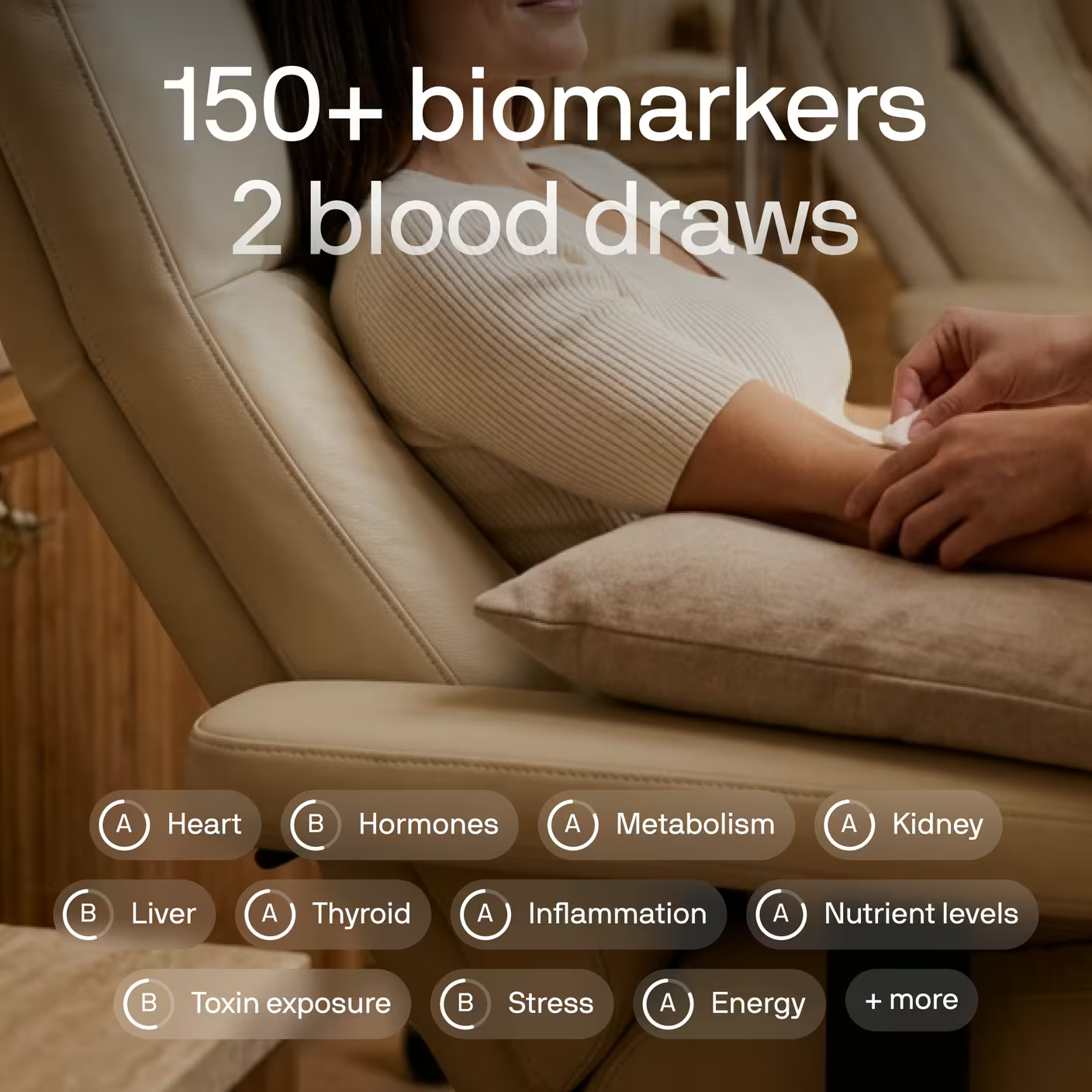
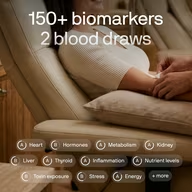
Test 100+ biomarkers
One blood draw. A full picture of your health, explained in plain language.
Test 100+ biomarkers
One blood draw. A full picture of your health, explained in plain language.
When to retest cortisol and what timing matters
For most people, cortisol fits naturally into an annual baseline panel. When tracking a response to therapy or a meaningful lifestyle change — such as a new sleep protocol, a shift in training load, or Cushing-directed treatment — retest at 8–12 weeks, which falls within the typical 4–12 week response window for HPA-axis changes.
Draw condition is critical and often overlooked:
- AM serum captures the morning peak and is the standard clinical reference point.
- Late-night saliva is the preferred screen for Cushing syndrome and for assessing whether the evening nadir is appropriately low.
- Four-point salivary profile (morning, midday, evening, midnight) maps the full diurnal curve and is most useful when a flattened or inverted rhythm is suspected.
Use the same lab and the same time-of-day protocol on every draw. Comparing an AM result to an afternoon result mimics change that isn't there. If you are on oral estrogen therapy, total serum cortisol will appear elevated due to higher CBG; a free-cortisol or salivary assay gives a cleaner signal of actual HPA activity in that context.
When your cortisol result deserves a clinician conversation
You cannot manage what you do not measure. Cortisol is about trendlines, not trophies. A single morning value gives a snapshot. A profile across the day shows rhythm. Paired with notes on sleep, workouts, travel, and mood, it becomes a feedback loop you can actually use. Early detection of drift lets you course-correct before symptoms stack up.
Bring your result to a clinician if you notice any of the following:
- Persistently elevated late-night cortisol, especially alongside poor sleep, rising fasting glucose, or unexplained weight gain around the midsection
- A very low morning value accompanied by symptoms such as unexplained weight loss, dizziness, salt craving, or recurrent infections
- A flattened curve — low morning, relatively high evening — that persists across multiple draws and correlates with fatigue or low mood
- Results that do not match your symptoms, or that shift significantly without an obvious lifestyle explanation
If your results do not match your symptoms, check timing, method, and medications, then partner with your clinician for next steps. Context matters: pregnancy, shift work, depression, and inflammatory disease can all blunt or shift the curve in ways that require interpretation beyond the number alone.
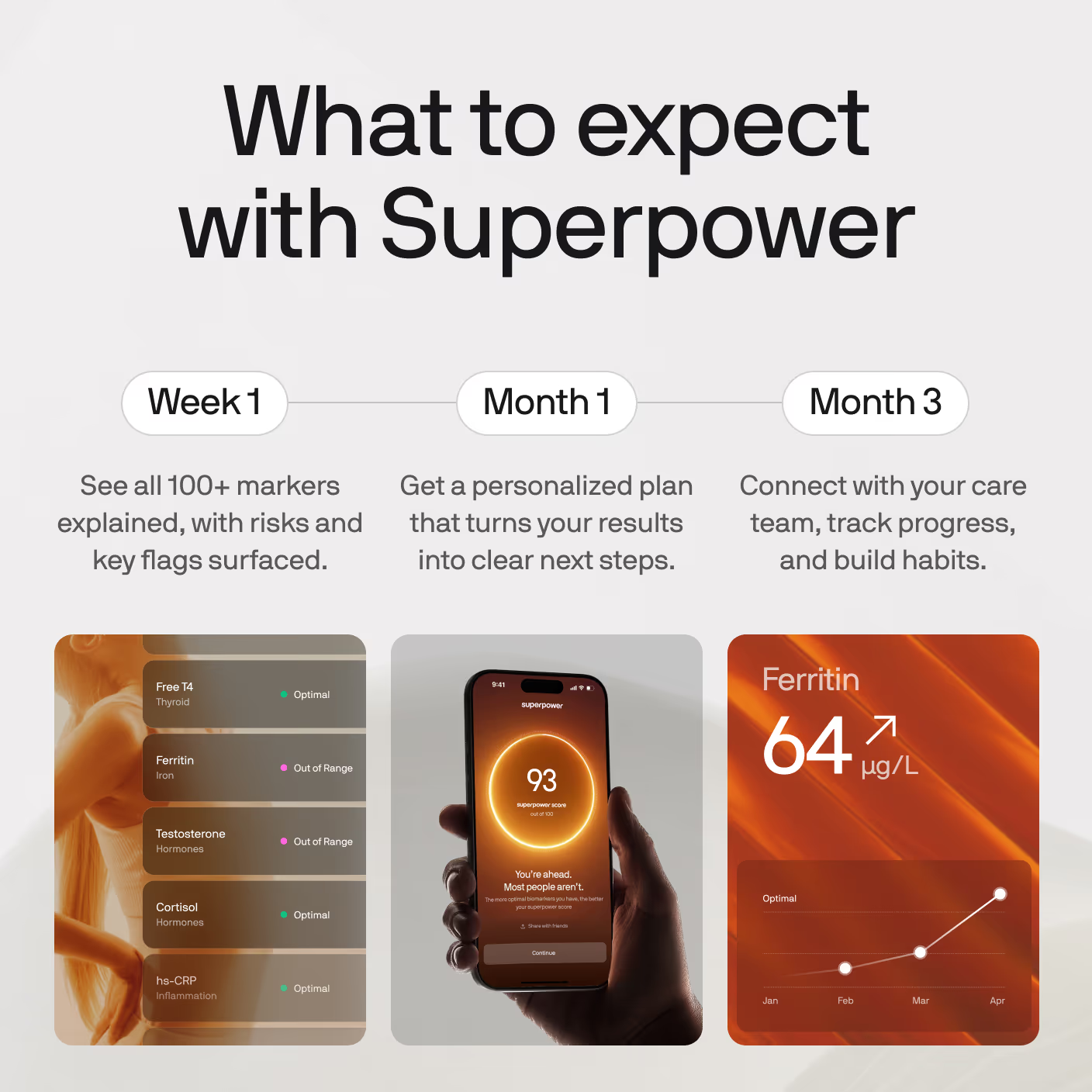
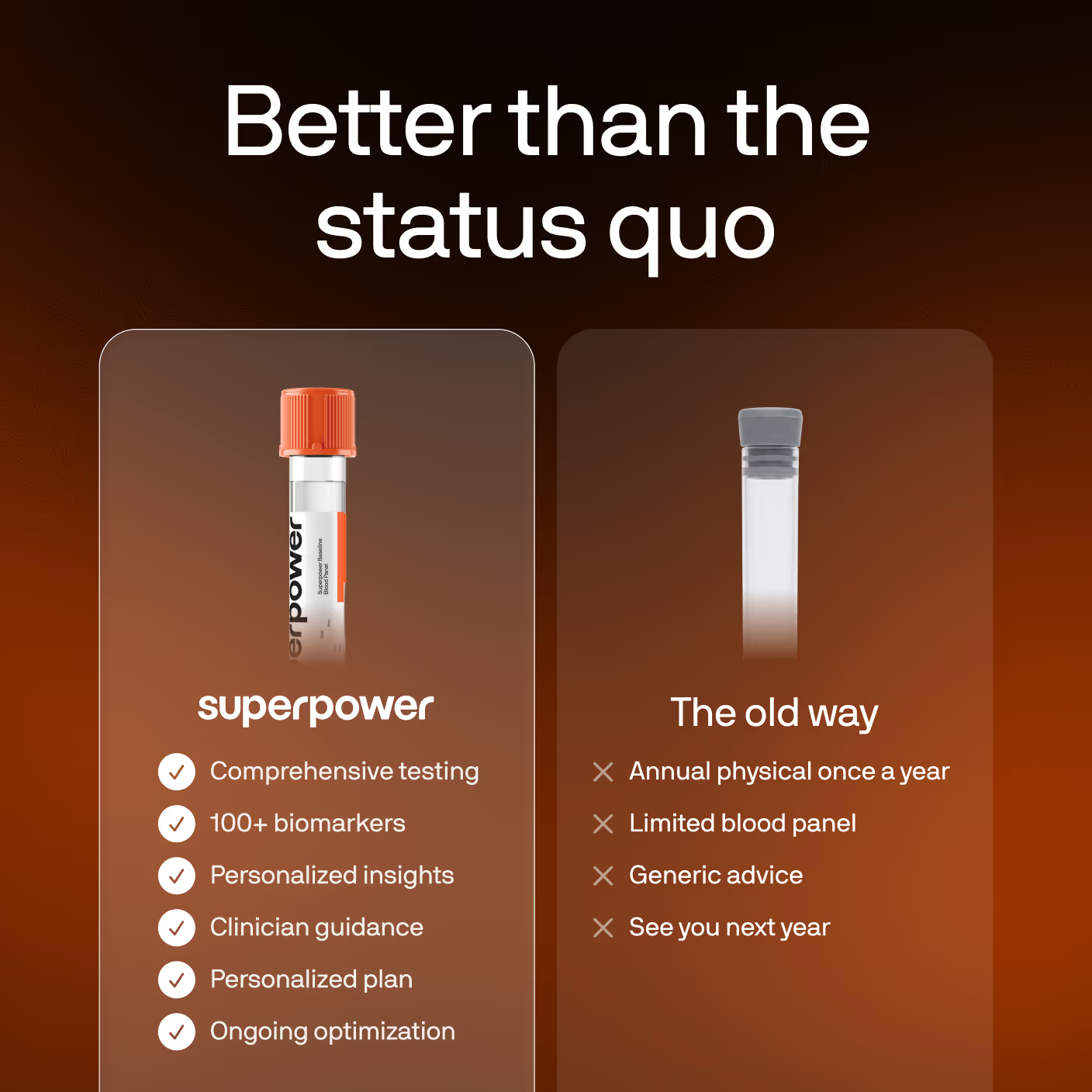
A comprehensive biomarker panel turns invisible physiology into a readable dashboard. Cortisol sits at the center, but patterns across ACTH, DHEA-S, glucose control, and inflammation complete the picture. Superpower is built on the belief that this kind of data should be accessible and actionable — science in the lead, your clinician in the loop. Learn more about that approach.
Frequently Asked Questions
References
- Nieman LK, Biller BM, Findling JW, Newell-Price J, Savage MO, Stewart PM, Montori VM (2008). The diagnosis of Cushing's syndrome: an Endocrine Society Clinical Practice Guideline. *The Journal of clinical endocrinology and metabolism*, *93*(5), 1526-40. https://doi.org/10.1210/jc.2008-0125
- Adam EK, Quinn ME, Tavernier R, McQuillan MT, Dahlke KA, Gilbert KE (2017). Diurnal cortisol slopes and mental and physical health outcomes: A systematic review and meta-analysis. *Psychoneuroendocrinology*, *83*, 25-41. https://doi.org/10.1016/j.psyneuen.2017.05.018
- Stalder T, Kirschbaum C, Kudielka BM, Adam EK, Pruessner JC, Wüst S, Dockray S, Smyth N, Evans P, Hellhammer DH, Miller R, Wetherell MA, Lupien SJ, Clow A (2016). Assessment of the cortisol awakening response: Expert consensus guidelines. *Psychoneuroendocrinology*, *63*, 414-32. https://doi.org/10.1016/j.psyneuen.2015.10.010
- Qureshi AC, Bahri A, Breen LA, Barnes SC, Powrie JK, Thomas SM, Carroll PV (2007). The influence of the route of oestrogen administration on serum levels of cortisol-binding globulin and total cortisol. *Clinical endocrinology*, *66*(5), 632-5. https://doi.org/10.1111/j.1365-2265.2007.02784.x
- Miller GE, Chen E, Zhou ES (2007). If it goes up, must it come down? Chronic stress and the hypothalamic-pituitary-adrenocortical axis in humans. *Psychological bulletin*, *133*(1), 25-45. https://doi.org/10.1037/0033-2909.133.1.25



















 Heart & Vascular Health
 Metabolic Health
 Energy
 Liver Health
 Kidney
 Sex Hormones
 Thyroid Health
 Nutrients
 Immune System
 Inflammation