.svg)





What rosacea actually is and where it starts
Rosacea represents a chronic inflammatory skin condition driven by vascular dysregulation, immune system overactivity, and compromised skin barrier function. The blood vessels in affected skin respond excessively to stimuli, dilating more readily and remaining dilated longer than in unaffected individuals. This vascular instability creates the characteristic flushing and persistent redness.
The immune system in rosacea-prone skin produces elevated levels of cathelicidin, an antimicrobial peptide that, when abnormally processed, triggers inflammation rather than protecting against pathogens. Mast cells, which release histamine and other inflammatory mediators, show increased density and reactivity in rosacea-affected tissue. The skin barrier, which normally prevents water loss and blocks irritants, functions less effectively due to reduced ceramide content and altered lipid composition.
This isn't a condition that develops from using the wrong face wash. It reflects a fundamental difference in how the skin's immune system responds to stimuli that wouldn't trigger inflammation in someone without rosacea-prone biology.
The four types of rosacea and why they matter
Understanding which type of rosacea you have determines which mechanisms are most active and which interventions may be most relevant. The types of rosacea include erythematotelangiectatic (characterized by persistent redness and visible blood vessels), papulopustular (featuring inflammatory bumps resembling acne), phymatous (involving skin thickening, most commonly on the nose), and ocular (affecting the eyes with irritation, dryness, and inflammation).
Each type involves different dominant pathways:
- Erythematotelangiectatic rosacea primarily involves vascular dysregulation with impaired vasoconstriction and structural changes to blood vessel walls.
- Papulopustular rosacea shows heightened innate immune activation with elevated antimicrobial peptides and neutrophil infiltration.
- Phymatous rosacea involves chronic inflammation leading to sebaceous gland hyperplasia and connective tissue remodeling.
- Ocular rosacea affects meibomian gland function and tear film stability, often preceding facial symptoms.
Many individuals experience overlapping features from multiple types, and the presentation can shift over time as different inflammatory pathways become more or less active.
How rosacea differs from lupus and seborrheic dermatitis
When comparing rosacea vs lupus, the key distinction lies in systemic involvement and autoantibody presence. Lupus produces a characteristic malar rash that spares the nasolabial folds, while rosacea typically includes this area. Lupus involves systemic symptoms (joint pain, fatigue, organ involvement) and positive antinuclear antibodies (ANA), whereas rosacea remains primarily cutaneous without autoantibody production.
The distinction between rosacea vs seborrheic dermatitis centers on distribution and appearance. Seborrheic dermatitis produces greasy, yellowish scales in areas rich in sebaceous glands (scalp, eyebrows, nasolabial folds, chest), responding to antifungal treatments targeting Malassezia yeast. Rosacea presents with inflammatory papules, pustules, and telangiectasia without the characteristic scaling pattern, and doesn't respond to antifungal therapy.
How rosacea connects to immune function, gut health, and systemic inflammation
The skin doesn't exist in isolation. Inflammatory signals originating in the gut, hormonal system, or metabolic pathways can amplify the immune dysregulation that drives rosacea symptoms.
The gut-skin axis in rosacea
Small intestinal bacterial overgrowth (SIBO) occurs at significantly higher rates in individuals with rosacea compared to controls, with some studies showing prevalence rates exceeding 50%. When bacteria overgrow in the small intestine, they produce lipopolysaccharide (LPS), a bacterial endotoxin that increases intestinal permeability and enters systemic circulation. This circulating LPS activates toll-like receptor 4 (TLR4) on immune cells, amplifying inflammatory cytokine production throughout the body, including in the skin.
Helicobacter pylori infection has been associated with rosacea in multiple studies, though the relationship remains debated. The proposed mechanism involves immune activation and increased production of inflammatory mediators like tumor necrosis factor-alpha (TNF-α) and interleukins. Gut microbiome composition affects systemic inflammatory tone through short-chain fatty acid production, immune cell education, and maintenance of intestinal barrier integrity.
Hormonal and metabolic connections
Rosacea severity can fluctuate with hormonal changes, particularly during menopause when declining estrogen affects vascular tone and skin barrier function. The condition has also been associated with metabolic syndrome, with shared inflammatory pathways linking insulin resistance, dyslipidemia, and chronic skin inflammation. Cortisol dysregulation from chronic stress can impair skin barrier repair and amplify mast cell activation, worsening flushing episodes.
What triggers rosacea flares and determines severity
Triggers don't cause rosacea but activate the inflammatory pathways already primed in susceptible individuals. Understanding these mechanisms explains why the same trigger affects different people differently.
Dietary and lifestyle triggers
Alcohol, particularly red wine, triggers flushing through multiple mechanisms: direct vasodilation, histamine release, and acetaldehyde accumulation. Spicy foods containing capsaicin activate transient receptor potential vanilloid 1 (TRPV1) channels, which are already upregulated in rosacea skin, leading to neurogenic inflammation. High-glycemic foods may worsen inflammatory acne rosacea through insulin-like growth factor-1 (IGF-1) signaling, though this connection is less established than in acne vulgaris.
Skin microbiome and Demodex mites
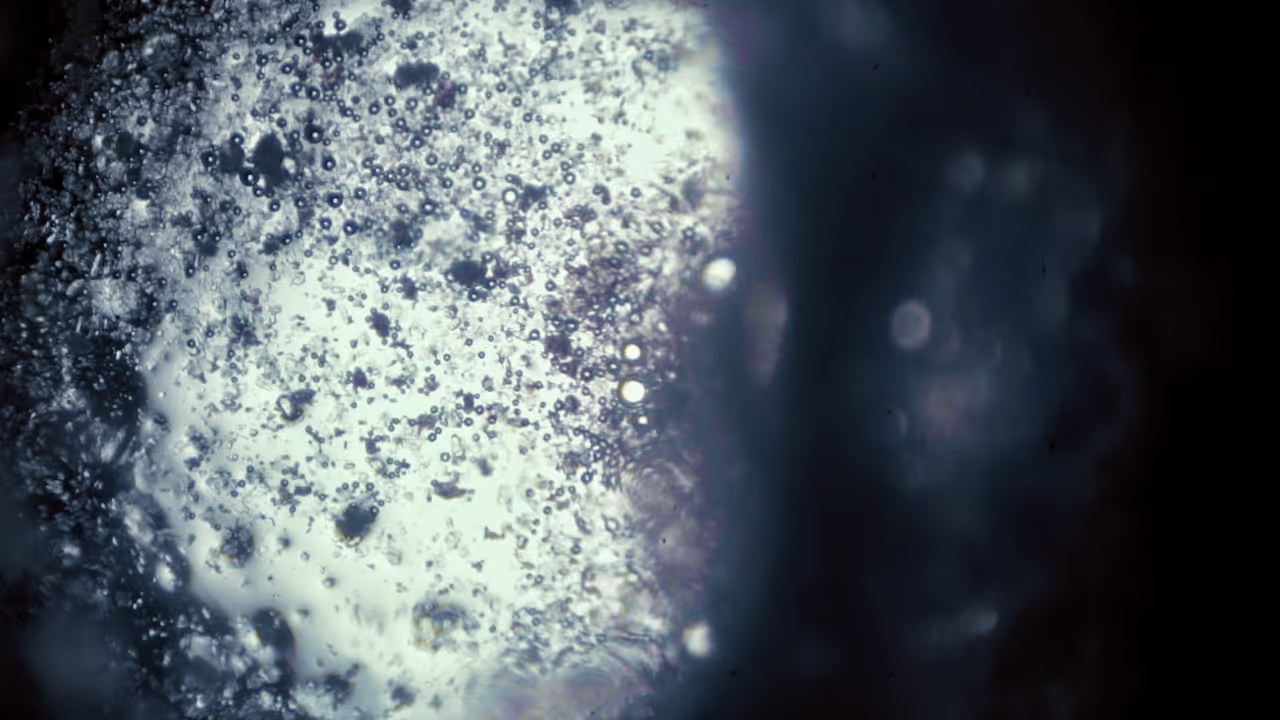
Demodex folliculorum mites are found in higher densities on rosacea-affected skin. While their exact role remains debated, they may contribute to inflammation through mechanical irritation, bacterial translocation from their gut, or immune activation triggered by mite antigens. The skin microbiome composition in rosacea differs from healthy controls, with shifts that may compromise barrier function and amplify immune responses.
Topical and environmental factors
Harsh cleansers, alcohol-based toners, and occlusive products can disrupt the already compromised skin barrier in rosacea. Fragrance, essential oils, and certain preservatives act as contact irritants. Cold weather and wind cause reactive vasodilation as the skin attempts to restore temperature homeostasis. Pollution particulates can penetrate compromised skin barriers and activate oxidative stress pathways.
Why the same condition looks different in different people
Rosacea presentation varies based on genetic factors, baseline immune function, hormonal status, and environmental exposures. These variables determine which inflammatory pathways dominate and how visibly symptoms manifest.
Skin phototype and melanin content
Rosacea is most commonly diagnosed in individuals with fair skin (Fitzpatrick types I-II), but this may reflect diagnostic bias rather than true prevalence. In darker skin tones, erythema is less visible, leading to underdiagnosis. Post-inflammatory hyperpigmentation is more common in darker skin types, and the condition may present with more prominent papules and less visible telangiectasia.
Baseline immune phenotype and prior exposures
Individual variation in Th1 versus Th2 immune dominance affects which inflammatory pathways predominate. Prior antibiotic use may have altered gut and skin microbiome composition, affecting current inflammatory tone. Mast cell reactivity varies significantly between individuals, influencing the degree of flushing and sensitivity to triggers. Baseline cortisol patterns and HPA axis function shape stress-related flare frequency.
Hormonal status and life stage
Rosacea often worsens during perimenopause and menopause as declining estrogen affects vascular stability and skin barrier function. Pregnancy can either improve or worsen symptoms depending on individual hormonal responses. Thyroid dysfunction, particularly hypothyroidism, may contribute to skin barrier impairment and altered inflammatory responses.
When skin symptoms point to something systemic
Ocular rosacea can lead to serious complications including keratitis and vision impairment if left untreated. When eye symptoms are prominent, ophthalmologic evaluation is essential. Severe, sudden-onset rosacea or rosacea that develops alongside other systemic symptoms may warrant evaluation for underlying autoimmune conditions, though rosacea itself is not classified as autoimmune.
The association with SIBO suggests that unexplained gastrointestinal symptoms alongside rosacea merit investigation. Chronic bloating, altered bowel habits, or food intolerances may indicate gut dysbiosis contributing to systemic inflammation. Thyroid dysfunction can present with skin changes that worsen rosacea, and screening may be appropriate when fatigue, weight changes, or temperature sensitivity accompany skin symptoms.
What testing can reveal when topical treatments aren't enough
When rosacea persists despite appropriate topical management, investigating systemic drivers becomes relevant. High-sensitivity C-reactive protein (hs-CRP) and erythrocyte sedimentation rate (ESR) provide baseline measures of systemic inflammation. Elevated inflammatory markers may suggest that skin symptoms reflect broader immune activation.
For suspected gut involvement, testing for SIBO through hydrogen-methane breath testing can identify bacterial overgrowth. Helicobacter pylori antibody testing may be considered given the documented associations. A comprehensive gut microbiome analysis can reveal dysbiosis patterns, reduced microbial diversity, or shifts in beneficial species like Faecalibacterium prausnitzii and Akkermansia muciniphila that influence systemic inflammatory tone.
Hormonal evaluation may include:
- Thyroid-stimulating hormone (TSH), free T3, free T4, and thyroid peroxidase antibodies to assess thyroid function.
- Cortisol and DHEA-S to evaluate HPA axis function and stress response patterns.
- Estradiol, testosterone, and sex hormone-binding globulin (SHBG) in women with concurrent hormonal symptoms.
Nutrient status can influence skin barrier integrity and immune function. Vitamin D plays a role in immune regulation and barrier function. Vitamin B12 and folate support methylation pathways that affect inflammation. Magnesium influences vascular tone and stress response. Selenium supports antioxidant defenses.
Turning persistent rosacea into a systemic investigation
If your rosacea keeps flaring despite doing everything right with skincare, the answer may not be on your face. Investigating inflammatory markers like hs-CRP, thyroid function, and gut health signals through comprehensive biomarker testing can help identify what is actually driving the inflammation.


FAQs
Rosacea is a chronic inflammatory skin condition caused by three interacting mechanisms: blood vessels that dilate excessively and stay dilated, overproduction of abnormally processed cathelicidin that triggers inflammation instead of fighting pathogens, and a compromised skin barrier with reduced ceramide content. It is not caused by using the wrong face wash but reflects a fundamental difference in immune and vascular reactivity.
The four types are erythematotelangiectatic (persistent redness and visible blood vessels driven by vascular dysregulation), papulopustular (inflammatory bumps resembling acne from heightened innate immune activation), phymatous (skin thickening from chronic sebaceous gland hyperplasia), and ocular (meibomian gland dysfunction affecting the eyes, which often precedes facial symptoms). Many people have overlapping features from more than one type.
Lupus produces a malar butterfly rash that spares the nasolabial folds and involves systemic symptoms like joint pain and positive ANA antibodies, while rosacea includes the nasolabial folds and has no autoantibodies. Seborrheic dermatitis produces greasy yellow scales in sebum-rich areas and responds to antifungal therapy targeting Malassezia yeast, while rosacea features telangiectasia and inflammatory papules without scaling and does not respond to antifungals.
Alcohol — especially red wine — triggers flushing through vasodilation, histamine release, and acetaldehyde accumulation. Spicy foods activate TRPV1 channels that are already upregulated in rosacea skin, causing neurogenic inflammation. Stress elevates cortisol and amplifies mast cell activation. Cold weather, wind, harsh cleansers, and fragrance-containing products also destabilize the already compromised skin barrier.
Studies show SIBO prevalence exceeds 50% in people with rosacea compared to healthy controls. Bacterial overgrowth produces lipopolysaccharide (LPS), which increases intestinal permeability and enters systemic circulation, where it activates TLR4 on immune cells and amplifies inflammatory cytokine production throughout the body, including in the skin. H. pylori infection has also been associated with rosacea through similar inflammatory pathways.
Declining estrogen during perimenopause and menopause directly affects vascular tone and skin barrier function, making blood vessels more reactive and the skin less able to retain moisture and block irritants. Rosacea is also linked to metabolic syndrome, and the hormonal shifts of menopause can worsen insulin resistance and dyslipidemia, amplifying the shared inflammatory pathways that drive both conditions.
References
- American Academy of Dermatology. (n.d.). Rosacea: Overview. https://aad.org/public/diseases/rosacea/what-is/overview
- American Academy of Dermatology. (n.d.). Rosacea: Causes. https://aad.org/public/diseases/rosacea/what-is/causes
- Mayo Clinic. (n.d.). Symptoms causes. https://mayoclinic.org/diseases-conditions/rosacea/symptoms-causes/syc-20353815
- Cleveland Clinic. (n.d.). What Is a Butterfly Rash (Malar Rash)?. https://my.clevelandclinic.org/health/symptoms/butterfly-rash
- Wang, F. Y., & Chi, C. C. (2021). Rosacea, Germs, and Bowels: A Review on Gastrointestinal Comorbidities and Gut-Skin Axis of Rosacea. Advances in therapy, 38(3), 1415-1424. https://doi.org/10.1007/s12325-021-01624-x
- Cleveland Clinic. (n.d.). Rosacea: Symptoms, Causes, Triggers & Treatment. https://my.clevelandclinic.org/health/diseases/12174-rosacea
- DermNet NZ. (2023). Demodex, demodicosis. https://dermnetnz.org/topics/demodex





























.avif)
.svg)
.svg)

