.svg)





What a fungal infection on skin actually is
Fungal skin infections occur when fungi breach the outermost layer of skin (the stratum corneum) and begin to proliferate. Unlike bacteria, fungi are eukaryotic organisms with complex cell structures. The most common culprits are dermatophytes, a group of fungi that digest keratin, the structural protein found in skin, hair, and nails. These organisms secrete proteases and other enzymes that break down keratin into usable nutrients, allowing them to colonize and spread across the skin surface.
Dermatophyte infections include ringworm (tinea corporis), athlete's foot (tinea pedis), and jock itch (tinea cruris). Despite the name, ringworm has nothing to do with worms. It's called that because the infection often forms a circular, raised border with clearer skin in the center. The fungi responsible (primarily species from the genera Trichophyton, Microsporum, and Epidermophyton) are transmitted through direct contact with infected individuals, animals, or contaminated surfaces like locker room floors and shared towels.
Tinea versicolor is different. It's caused by Malassezia, a lipophilic yeast that's part of the normal skin microbiome. Under certain conditions (such as heat, humidity, oily skin, or immune suppression), Malassezia shifts from its harmless yeast form to a pathogenic hyphal form. This overgrowth disrupts melanin production in the skin, leading to patches that appear lighter or darker than surrounding areas. The patches are typically scaly and most noticeable on the chest, back, and upper arms. Unlike dermatophyte infections, tinea versicolor doesn't spread through contact. It's an internal shift in the skin's microbial balance.
How fungal infections connect to immune function and systemic health
The skin is not a passive barrier. It's an active immune organ. When fungi invade, the skin's innate immune system responds immediately. Keratinocytes (the primary cells of the epidermis) recognize fungal cell wall components through pattern recognition receptors and release antimicrobial peptides and pro-inflammatory cytokines. Langerhans cells, a type of dendritic cell in the epidermis, capture fungal antigens and migrate to lymph nodes to activate T cells, initiating an adaptive immune response.
In healthy individuals, this response clears the infection within weeks. But when the immune system is compromised (whether from chronic stress, metabolic dysfunction, or underlying illness), fungal infections become persistent or recurrent. Conditions like diabetes impair neutrophil function and reduce the skin's ability to mount an effective antifungal defense. Elevated blood glucose also creates a more favorable environment for fungal growth.
The gut-skin axis and microbial balance
Gut microbiome diversity influences systemic immune tone. Dysbiosis (an imbalance in gut bacteria) can promote systemic inflammation and alter the skin's microbial composition. Research shows that individuals with recurrent fungal infections often have reduced gut microbial diversity and elevated markers of intestinal permeability. Bacterial metabolites like short-chain fatty acids, which are produced by gut microbes, help regulate immune responses in distant tissues, including the skin. When gut health is compromised, the skin's ability to resist fungal colonization weakens.
Hormonal influences on fungal susceptibility
Androgens increase sebum production, which feeds Malassezia. This is why tinea versicolor is more common in adolescents and young adults. Cortisol (the body's primary stress hormone) suppresses immune function and impairs skin barrier repair. Chronic stress doesn't just feel bad. It measurably alters the skin's defense mechanisms.
What triggers fungal overgrowth and recurrence
Fungal infections don't appear randomly. They reflect a combination of environmental exposure, skin barrier integrity, and immune capacity. Common triggers include:
- Warm, moist environments like gyms, pools, communal showers, and shared footwear where dermatophytes spread easily
- Occlusive clothing, tight shoes, and synthetic fabrics that trap moisture against the skin
- Skin barrier disruption from harsh soaps, over-exfoliation, or genetic variants affecting barrier proteins like filaggrin
- Antibiotic use that alters both gut and skin microbiomes, allowing opportunistic fungi to proliferate unchecked
- Immunosuppressive medications (including corticosteroids and biologics) that dampen the immune response
Individuals with atopic dermatitis have a higher risk of secondary fungal infections because their skin barrier is inherently weaker. Even topical steroids, when overused, thin the skin and suppress local immunity, making fungal infections more likely and harder to clear.
Diet influences fungal susceptibility through multiple pathways. High glycemic load and refined carbohydrates elevate blood sugar and insulin levels, which promote inflammation and impair immune function. Omega-6 to omega-3 imbalance shifts the body toward a pro-inflammatory state, reducing the skin's resilience. Alcohol increases gut permeability and disrupts the microbiome, indirectly affecting skin health.
Why the same infection looks different in different people
Not everyone exposed to dermatophytes develops an infection. And among those who do, the severity and presentation vary widely. Several factors explain this variability:
- Genetic variants in immune receptor genes influence how aggressively the immune system responds to fungal cell wall components.
- Skin microbiome composition varies from person to person, with some individuals harboring bacterial strains that produce natural antifungal compounds.
- Immune phenotype determines whether someone mounts a Th1 or Th17-dominant response, affecting both infection clearance speed and inflammation severity.
- Hormonal baseline and fluctuations alter sebum production and skin physiology throughout menstrual cycles or pregnancy.
- Metabolic health status affects immune function, with insulin resistance creating a more favorable environment for fungal growth even without overt diabetes.
Prior antibiotic use, skincare habits, and even geographic location shape the skin's microbial landscape. Individuals with certain HLA types are more prone to chronic or severe dermatophyte infections. Women may notice flares during certain phases of the menstrual cycle or during pregnancy, when hormonal shifts alter skin physiology. Elevated insulin and glucose levels promote inflammation and reduce the skin's ability to repair itself after infection.
When skin symptoms point to something deeper
A single episode of athlete's foot after walking barefoot in a gym shower is one thing. Recurrent or treatment-resistant fungal infections are another. Persistent infections (especially when they don't respond to standard antifungal therapy) warrant a closer look at systemic health.
Recurrent tinea versicolor, for example, is often associated with elevated cortisol, insulin resistance, or gut dysbiosis. The yeast overgrowth isn't just a skin problem. It's a signal that the body's internal environment has shifted in a way that favors fungal proliferation. Similarly, chronic dermatophyte infections that don't clear with topical treatment may indicate underlying immune dysfunction, undiagnosed diabetes, or nutrient deficiencies that impair skin barrier function and immune response.
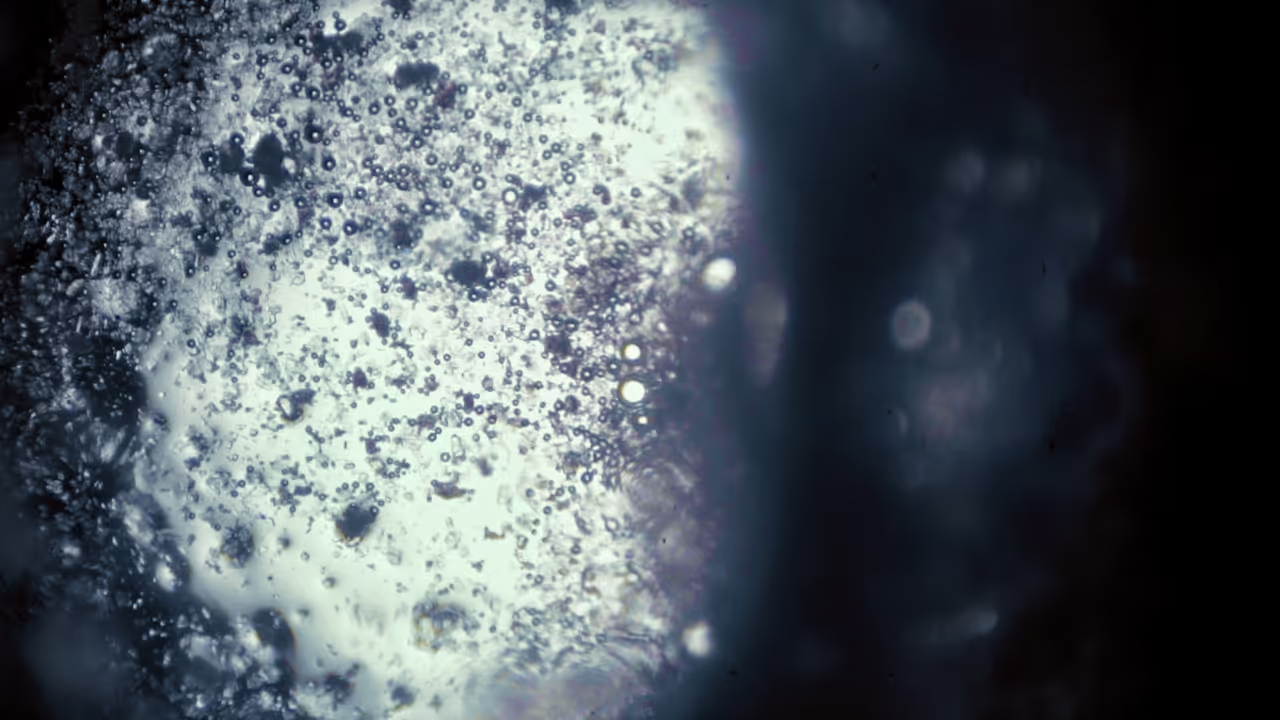
Distinguishing tinea versicolor vs vitiligo is clinically important. Both cause patches of lighter skin, but the mechanisms are entirely different. Tinea versicolor is a fungal infection that disrupts melanin production temporarily. Vitiligo is an autoimmune condition in which the immune system destroys melanocytes (the cells that produce pigment). Tinea versicolor patches are scaly and often slightly raised. Vitiligo patches are smooth and have sharply defined borders. A simple skin scraping and microscopic examination can confirm the presence of Malassezia in tinea versicolor treatment cases, while vitiligo requires a different diagnostic approach.
Fungal infections that occur alongside other symptoms (such as unexplained fatigue, weight changes, or gastrointestinal issues) may point to broader metabolic or immune imbalances. Conditions like insulin resistance, thyroid dysfunction, or chronic inflammation often present with skin manifestations before other symptoms become obvious.
What biomarkers reveal when infections keep coming back
When topical antifungals aren't enough, or when infections recur despite treatment, it's worth investigating the internal drivers. Biomarkers can surface patterns that explain why the skin isn't clearing the infection on its own.
For recurrent fungal infections with suspected metabolic involvement, testing fasting insulin, glucose, and HbA1c provides insight into blood sugar regulation and insulin sensitivity. Elevated levels impair immune function and create an environment that favors fungal growth. The triglyceride-glucose index offers an additional measure of insulin resistance.
Inflammatory markers like hsCRP and ESR reflect systemic inflammation, which can both drive and result from chronic infections. Elevated inflammation impairs the skin's ability to repair and defend itself.
Key nutrient markers to assess include:
- Vitamin D for immune regulation and antimicrobial peptide production, with low levels associated with increased infection susceptibility.
- Ferritin to reflect iron stores necessary for immune cell function.
- Zinc to support skin barrier repair and immune response.
For individuals with suspected gut involvement, a comprehensive gut microbiome panel can reveal dysbiosis, reduced microbial diversity, or overgrowth of pathogenic species. Markers like Candida and other fungal species in the gut may correlate with skin fungal infections. Zonulin (a marker of intestinal permeability) can indicate whether gut barrier dysfunction is contributing to systemic inflammation and immune dysregulation.
Hormonal evaluation may be warranted if infections correlate with menstrual cycles, stress, or other hormonal shifts. Testing testosterone, DHEA-S, and cortisol can reveal imbalances that affect sebum production, immune function, and skin barrier health.
Getting to the root of what's driving your skin
If fungal infections keep coming back despite treatment, or if you're dealing with persistent skin changes that don't fit the typical pattern, it's worth looking beyond the surface. Superpower's biomarker panel can show you what's happening at the metabolic, immune, and hormonal level. You'll see your insulin, glucose, inflammatory markers, nutrient status, and more, so your next step is based on data, not guesswork. Skin symptoms are signals. Measuring what's underneath helps you read them accurately.


FAQs
Fungal skin infections occur when fungi breach the stratum corneum — the outermost skin layer — and proliferate by digesting keratin, the structural protein in skin, hair, and nails. Dermatophytes like Trichophyton secrete enzymes that break down keratin for nutrients. Tinea versicolor involves Malassezia yeast already living on the skin shifting to an overgrowth state when conditions like heat, humidity, or immune suppression favor it.
Ringworm (tinea corporis) is caused by dermatophyte fungi transmitted through contact with infected individuals, animals, or surfaces. It forms circular, raised patches with clearer centers and spreads person to person. Tinea versicolor is caused by Malassezia yeast, a normal skin resident that overgrows under favorable internal conditions — not through contact. It produces lighter or darker scaly patches on the chest, back, and arms by disrupting melanin production.
Recurrence reflects internal conditions that favor fungal growth. Insulin resistance and elevated blood glucose create a nutrient-rich environment for fungi. Cortisol from chronic stress suppresses immune function and impairs barrier repair. Gut dysbiosis reduces microbial diversity, weakening systemic immune tone. Antibiotic use disrupts both skin and gut microbiomes, allowing opportunistic fungi to fill the gap. These drivers are not addressed by topical antifungals alone.
Diabetes impairs neutrophil function, reducing the skin's ability to mount an effective antifungal defense. Elevated blood glucose provides a favorable growth environment for Candida and other fungi. Glucose in sweat and interstitial fluid directly feeds yeast. Insulin resistance further compromises immune cell function even before blood sugar reaches diabetic levels, making recurrent or treatment-resistant fungal infections an early warning signal for metabolic dysfunction.
Both conditions cause lighter skin patches, but tinea versicolor patches are scaly and slightly raised, caused by Malassezia yeast disrupting melanin production temporarily. Vitiligo patches are smooth with sharply defined borders, caused by autoimmune destruction of melanocyte cells. A simple skin scraping with microscopic examination confirms Malassezia in tinea versicolor. Vitiligo requires a different diagnostic approach and does not respond to antifungal treatment.
Tinea versicolor flares are driven by heat, humidity, and oily skin that favor Malassezia overgrowth. Androgens increase sebum production, explaining why flares are more common in adolescents. Elevated cortisol from chronic stress suppresses immune surveillance. Immunosuppressive medications, insulin resistance, and antibiotic use that disrupts the skin microbiome can all shift Malassezia from its harmless yeast form to its pathogenic hyphal form.
References
- Centers for Disease Control and Prevention. (n.d.). Ringworm Basics. https://cdc.gov/ringworm/about/index.html
- Mayo Clinic. (n.d.). Symptoms causes. https://mayoclinic.org/diseases-conditions/ringworm-body/symptoms-causes/syc-20353780
- Mayo Clinic. (n.d.). Symptoms causes. https://mayoclinic.org/diseases-conditions/tinea-versicolor/symptoms-causes/syc-20378385
- American Academy of Dermatology. (n.d.). Ringworm: Diagnosis and treatment. https://aad.org/public/diseases/a-z/ringworm-treatment
- National Center for Biotechnology Information. (2024). Tinea Versicolor. https://ncbi.nlm.nih.gov/books/NBK482500
- DermNet NZ. (2023). Pityriasis versicolor. Tinea versicolor. https://dermnetnz.org/topics/pityriasis-versicolor






























.avif)
.svg)
.svg)