
How to Spot Fake Supplements

A practical guide to identifying counterfeit supplements, recognizing warning signs, and verifying product authenticity before you buy.

Author
This is some text inside of a div block.
Reviewed by
Julija Rabcuka
PhD Candidate at Oxford University
Creative
Jarvis Wang

You order what looks like a reputable magnesium supplement online, take it for weeks, and feel nothing. Or worse, you develop unexpected symptoms. The supplement industry operates with minimal pre-market oversight, and counterfeit products slip through the cracks more often than most people realize. Some contain none of the listed ingredients. Others harbor undeclared drugs, heavy metals, or fillers that can harm you. The challenge is not just finding a supplement that works but confirming that what is inside the bottle matches what is printed on the label.

Superpower insight: Members who track their biomarkers before and after starting a supplement are better positioned to verify whether a product is actually delivering what the label promises, catching fakes that third-party seals might miss.

What Makes a Supplement Counterfeit

A counterfeit supplement is any product that misrepresents what it contains. This includes products with none of the labeled active ingredient, products with sub-therapeutic doses, products containing undeclared pharmaceutical drugs or stimulants, and products contaminated with heavy metals, bacteria, or allergens. The FDA does not require supplement manufacturers to prove safety or efficacy before products reach shelves, which creates an environment where fraudulent products can enter the market and remain there until harm is reported.

Counterfeit supplements are not limited to obscure brands sold in back alleys. They appear on major e-commerce platforms, including Amazon, where third-party sellers commingle inventory. This means a legitimate product from one seller can be mixed with counterfeit stock from another, and you have no way to know which version you receive. The scale of the problem is difficult to quantify because most counterfeit supplements go undetected unless someone gets sick or a regulatory agency conducts a targeted investigation.

How Counterfeit Supplements Affect Your Health and Biomarkers

The physiological impact of a counterfeit supplement depends on what it actually contains. If the product is inert, you waste money and time, but the harm is indirect. You may delay addressing a real deficiency or health issue because you believe you are treating it. For example, if you take a fake vitamin D supplement for months while your vitamin D levels remain low, you risk bone density loss, immune dysfunction, and increased inflammation without realizing the supplement is doing nothing.

If the product contains undeclared pharmaceutical compounds, stimulants, anabolic steroids, or prescription drugs, the harm can be direct and severe. Hidden stimulants like DMAA have caused cardiac events. Undeclared anabolic steroids have caused liver damage and hormonal disruption. The FDA's CFSAN Adverse Event Reporting System (CAERS) receives thousands of supplement-related reports annually, though experts estimate significant underreporting.

Contaminants like heavy metals accumulate over time. Lead, cadmium, and arsenic can leach into supplements during manufacturing if quality controls are absent. Chronic exposure affects kidney function, which you can track through creatinine and eGFR. Liver toxicity from adulterated ingredients shows up as rising liver enzymes. Inflammatory responses to bacterial contamination or allergens can elevate hs-CRP. The problem is that these biomarker changes are nonspecific. You might attribute them to stress, diet, or aging when the real cause is a counterfeit supplement you have been taking daily.

What the Evidence Says About Supplement Fraud

The scale of supplement fraud is documented but difficult to fully quantify. Independent testing by organizations like ConsumerLab has found that a significant percentage of supplements tested do not meet label claims for potency, purity, or ingredient identity. In some cases, products contain less than half the stated dose. In others, they contain entirely different compounds.

Voluntary third-party certification programs operated by NSF International, USP (United States Pharmacopeia), and ConsumerLab provide an additional layer of accountability. Manufacturers pay to have their products independently tested, and those that meet standards earn the right to display a certification seal. Products that pass these programs display a certification seal on the label. The absence of such a seal does not automatically mean a product is fake, but the presence of one significantly reduces the risk.

Research on counterfeit supplements is limited because the problem is underreported. Most people who take an ineffective supplement do not report it. They assume the product did not work for them personally, not that it was fraudulent. The cases that come to light typically involve acute harm, such as liver failure from a contaminated product or cardiovascular events from hidden drugs. This means the true scope of supplement fraud is likely much larger than documented cases suggest.

Red Flags That Signal a Fake Supplement

Packaging inconsistencies are one of the most reliable red flags. Compare the product against images on the brand's official website. Look for misspellings, blurry logos, misaligned text, color variations, or quality differences in the label. Legitimate brands invest in high-quality packaging, and counterfeits often reveal themselves through small visual errors. Security features like holograms, QR codes, or batch-specific authentication stickers are increasingly common on premium products.

Price is another indicator. If a supplement is significantly cheaper than the same product sold elsewhere, especially on the brand's official website, that is a warning sign. Counterfeiters undercut legitimate sellers to move inventory quickly. A bottle of CoQ10 that normally costs $40 should not be available for $15 unless there is a verifiable reason, such as a clearance sale directly from the manufacturer.

Seller transparency is another signal. Authorized sellers are typically listed on the brand's official website. Anonymous or recently created third-party seller accounts on marketplace platforms carry higher counterfeit risk. If the seller's storefront has few reviews, sells an implausibly wide range of unrelated products, or lacks a verifiable business history, treat the listing with suspicion.

Texture, smell, and taste can provide clues once you open the bottle. If the capsules or tablets look different from a previous batch, have an unusual odor, or taste off, that warrants suspicion. Counterfeit products may use different fillers or binders that alter the physical characteristics of the supplement. While some variation between batches is normal, drastic differences are not.

How to Verify Supplement Authenticity Before You Buy

The most reliable verification method is third-party certification. Look for seals from NSF International, USP, or ConsumerLab on the label. These organizations independently test supplements for identity, potency, and purity. Athletic certifications like NSF Certified for Sport or Informed Sport also verify products are free from banned substances and confirm the label accurately represents the contents.

Buy directly from the brand's website whenever possible. This eliminates the risk of commingled inventory and ensures you receive a product that has been stored and handled according to the manufacturer's specifications. If you prefer to shop on Amazon or another platform, verify that the seller is the brand itself or an authorized distributor. Many brands list their authorized sellers on their websites.

Check the lot number and expiration date. Legitimate supplements include a lot number that allows the manufacturer to trace the product back to a specific production batch. You can often contact the brand's customer service with the lot number to confirm authenticity. Counterfeit products may have missing, illegible, or fake lot numbers. The expiration date should be clearly printed and make sense relative to the product's shelf life. A bottle of vitamin C with an expiration date five years in the future is suspect.

Research the brand before purchasing. Reputable supplement companies provide transparency about their sourcing, manufacturing practices, and testing protocols. They often publish certificates of analysis (COAs) for their products, which detail the results of third-party testing for potency and purity. If a brand has no online presence, no contact information, or no verifiable history, that is a red flag.

Why Individual Responses to Supplements Vary

Even when a supplement is legitimate, individual responses differ based on baseline nutrient status, genetics, gut absorption, and concurrent medications. Someone with a severe magnesium deficiency will notice a dramatic improvement in muscle cramps and sleep quality after starting magnesium glycinate. Someone with adequate magnesium stores may feel nothing. This variability makes it difficult to assess whether a supplement is working based on subjective experience alone.

Genetic polymorphisms affect how your body processes certain nutrients. For example, individuals with MTHFR gene variants may not efficiently convert folic acid into its active form, 5-methyltetrahydrofolate. For them, a supplement containing 5-MTHF is more effective than standard folic acid. If you take folic acid and see no change in homocysteine levels, it could be a genetic issue, not a counterfeit product.

Gut health influences absorption. Conditions like celiac disease, inflammatory bowel disease, or small intestinal bacterial overgrowth (SIBO) impair nutrient uptake. A legitimate supplement may pass through your system without being absorbed if your gut lining is damaged or your microbiome is imbalanced. This is why testing biomarkers before and after supplementation is critical. If your ferritin does not rise after three months of iron supplementation, the issue could be malabsorption, not a fake product.

Medications can interfere with supplement efficacy. Proton pump inhibitors (PPIs) reduce stomach acid, which impairs the absorption of vitamin B12, calcium, and magnesium. Metformin depletes B12 over time. Statins lower CoQ10 levels. If you are taking these medications and supplementing without seeing biomarker changes, the drug interaction may be the limiting factor.

Age and life stage also matter. Older adults produce less stomach acid, which reduces the absorption of certain nutrients. Postmenopausal women have different calcium and vitamin D needs than premenopausal women. Pregnant individuals require higher doses of folate and iron. A supplement that works for one demographic may not work for another, even if both products are legitimate.
How Biomarker Testing Reveals Whether a Supplement Is Working

Subjective improvements like "more energy" or "better sleep" are valuable, but they do not confirm that a supplement is doing what it claims. Biomarker testing provides objective data. If you start taking vitamin D because your levels are low, retest after 8 to 12 weeks. Your 25-hydroxyvitamin D should rise. If it does not, either the supplement is ineffective, the dose is too low, or you have an absorption issue.

For magnesium, standard serum magnesium tests are not sensitive because most magnesium is intracellular. Red blood cell (RBC) magnesium is a better marker of tissue stores. If you supplement for three months and RBC magnesium does not improve, the product may not contain bioavailable magnesium, or you may need a higher dose.

Iron supplementation should raise ferritin and improve hemoglobin if you are deficient. If ferritin remains flat after consistent supplementation, consider testing for celiac disease, H. pylori infection, or other causes of malabsorption. A counterfeit iron supplement would also explain the lack of response, but ruling out medical causes is essential.

For berberine or other glucose-modulating supplements, track fasting glucose, HbA1c, and fasting insulin. If these markers do not shift after 12 weeks, the supplement is either ineffective for you or not what it claims to be. Berberine has robust evidence for improving insulin sensitivity, so a lack of response in someone with insulin resistance warrants investigation.

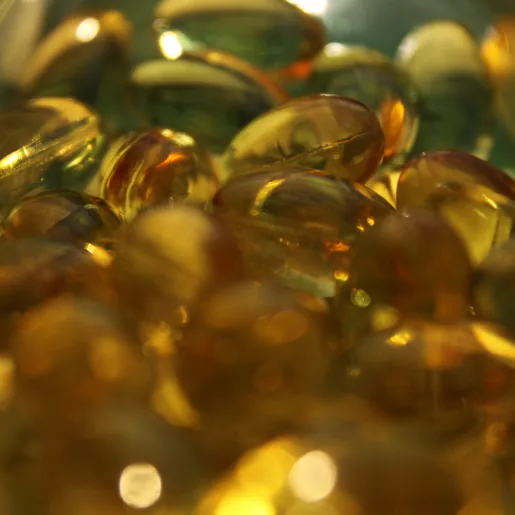
Omega-3 supplementation should increase the omega-3 index, a measure of EPA and DHA in red blood cell membranes. If you take fish oil for months and your omega-3 index does not budge, the product may be oxidized, under-dosed, or counterfeit. Oxidized fish oil not only fails to deliver benefits but can also increase oxidative stress.

What Superpower's Testing Reveals About Your Supplement Strategy

If you are taking supplements to support your liver, Superpower's 100+ biomarker panel includes the hepatic markers that show whether your liver function is actually improving, such as ALT, AST, and GGT. Tracking these markers before and after starting a supplement like milk thistle or NAC tells you whether the product is delivering on its claims or whether you are wasting money on a counterfeit. Supplements work differently depending on what your body actually needs. Superpower's 100+ baseline biomarker panel can reveal the deficiencies and imbalances that make certain supplements worth taking and others redundant. Testing first means you supplement with precision, not guesswork.

What Makes a Supplement Counterfeit

A counterfeit supplement is any product that misrepresents what it contains. This includes products with none of the labeled active ingredient, products with sub-therapeutic doses, products containing undeclared pharmaceutical drugs or stimulants, and products contaminated with heavy metals, bacteria, or allergens. The FDA does not require supplement manufacturers to prove safety or efficacy before products reach shelves, which creates an environment where fraudulent products can enter the market and remain there until harm is reported.

Counterfeit supplements are not limited to obscure brands sold in back alleys. They appear on major e-commerce platforms, including Amazon, where third-party sellers commingle inventory. This means a legitimate product from one seller can be mixed with counterfeit stock from another, and you have no way to know which version you receive. The scale of the problem is difficult to quantify because most counterfeit supplements go undetected unless someone gets sick or a regulatory agency conducts a targeted investigation.

How Counterfeit Supplements Affect Your Health and Biomarkers

The physiological impact of a counterfeit supplement depends on what it actually contains. If the product is inert, you waste money and time, but the harm is indirect. You may delay addressing a real deficiency or health issue because you believe you are treating it. For example, if you take a fake vitamin D supplement for months while your vitamin D levels remain low, you risk bone density loss, immune dysfunction, and increased inflammation without realizing the supplement is doing nothing.

If the product contains undeclared pharmaceutical compounds, stimulants, anabolic steroids, or prescription drugs, the harm can be direct and severe. Hidden stimulants like DMAA have caused cardiac events. Undeclared anabolic steroids have caused liver damage and hormonal disruption. The FDA's CFSAN Adverse Event Reporting System (CAERS) receives thousands of supplement-related reports annually, though experts estimate significant underreporting.

Contaminants like heavy metals accumulate over time. Lead, cadmium, and arsenic can leach into supplements during manufacturing if quality controls are absent. Chronic exposure affects kidney function, which you can track through creatinine and eGFR. Liver toxicity from adulterated ingredients shows up as rising liver enzymes. Inflammatory responses to bacterial contamination or allergens can elevate hs-CRP. The problem is that these biomarker changes are nonspecific. You might attribute them to stress, diet, or aging when the real cause is a counterfeit supplement you have been taking daily.

What the Evidence Says About Supplement Fraud

The scale of supplement fraud is documented but difficult to fully quantify. Independent testing by organizations like ConsumerLab has found that a significant percentage of supplements tested do not meet label claims for potency, purity, or ingredient identity. In some cases, products contain less than half the stated dose. In others, they contain entirely different compounds.

Voluntary third-party certification programs operated by NSF International, USP (United States Pharmacopeia), and ConsumerLab provide an additional layer of accountability. Manufacturers pay to have their products independently tested, and those that meet standards earn the right to display a certification seal. Products that pass these programs display a certification seal on the label. The absence of such a seal does not automatically mean a product is fake, but the presence of one significantly reduces the risk.

Research on counterfeit supplements is limited because the problem is underreported. Most people who take an ineffective supplement do not report it. They assume the product did not work for them personally, not that it was fraudulent. The cases that come to light typically involve acute harm, such as liver failure from a contaminated product or cardiovascular events from hidden drugs. This means the true scope of supplement fraud is likely much larger than documented cases suggest.

Red Flags That Signal a Fake Supplement

Packaging inconsistencies are one of the most reliable red flags. Compare the product against images on the brand's official website. Look for misspellings, blurry logos, misaligned text, color variations, or quality differences in the label. Legitimate brands invest in high-quality packaging, and counterfeits often reveal themselves through small visual errors. Security features like holograms, QR codes, or batch-specific authentication stickers are increasingly common on premium products.

Price is another indicator. If a supplement is significantly cheaper than the same product sold elsewhere, especially on the brand's official website, that is a warning sign. Counterfeiters undercut legitimate sellers to move inventory quickly. A bottle of CoQ10 that normally costs $40 should not be available for $15 unless there is a verifiable reason, such as a clearance sale directly from the manufacturer.

Seller transparency is another signal. Authorized sellers are typically listed on the brand's official website. Anonymous or recently created third-party seller accounts on marketplace platforms carry higher counterfeit risk. If the seller's storefront has few reviews, sells an implausibly wide range of unrelated products, or lacks a verifiable business history, treat the listing with suspicion.

Texture, smell, and taste can provide clues once you open the bottle. If the capsules or tablets look different from a previous batch, have an unusual odor, or taste off, that warrants suspicion. Counterfeit products may use different fillers or binders that alter the physical characteristics of the supplement. While some variation between batches is normal, drastic differences are not.

How to Verify Supplement Authenticity Before You Buy

The most reliable verification method is third-party certification. Look for seals from NSF International, USP, or ConsumerLab on the label. These organizations independently test supplements for identity, potency, and purity. Athletic certifications like NSF Certified for Sport or Informed Sport also verify products are free from banned substances and confirm the label accurately represents the contents.

Buy directly from the brand's website whenever possible. This eliminates the risk of commingled inventory and ensures you receive a product that has been stored and handled according to the manufacturer's specifications. If you prefer to shop on Amazon or another platform, verify that the seller is the brand itself or an authorized distributor. Many brands list their authorized sellers on their websites.

Check the lot number and expiration date. Legitimate supplements include a lot number that allows the manufacturer to trace the product back to a specific production batch. You can often contact the brand's customer service with the lot number to confirm authenticity. Counterfeit products may have missing, illegible, or fake lot numbers. The expiration date should be clearly printed and make sense relative to the product's shelf life. A bottle of vitamin C with an expiration date five years in the future is suspect.

Research the brand before purchasing. Reputable supplement companies provide transparency about their sourcing, manufacturing practices, and testing protocols. They often publish certificates of analysis (COAs) for their products, which detail the results of third-party testing for potency and purity. If a brand has no online presence, no contact information, or no verifiable history, that is a red flag.

Why Individual Responses to Supplements Vary

Even when a supplement is legitimate, individual responses differ based on baseline nutrient status, genetics, gut absorption, and concurrent medications. Someone with a severe magnesium deficiency will notice a dramatic improvement in muscle cramps and sleep quality after starting magnesium glycinate. Someone with adequate magnesium stores may feel nothing. This variability makes it difficult to assess whether a supplement is working based on subjective experience alone.

Genetic polymorphisms affect how your body processes certain nutrients. For example, individuals with MTHFR gene variants may not efficiently convert folic acid into its active form, 5-methyltetrahydrofolate. For them, a supplement containing 5-MTHF is more effective than standard folic acid. If you take folic acid and see no change in homocysteine levels, it could be a genetic issue, not a counterfeit product.

Gut health influences absorption. Conditions like celiac disease, inflammatory bowel disease, or small intestinal bacterial overgrowth (SIBO) impair nutrient uptake. A legitimate supplement may pass through your system without being absorbed if your gut lining is damaged or your microbiome is imbalanced. This is why testing biomarkers before and after supplementation is critical. If your ferritin does not rise after three months of iron supplementation, the issue could be malabsorption, not a fake product.

Medications can interfere with supplement efficacy. Proton pump inhibitors (PPIs) reduce stomach acid, which impairs the absorption of vitamin B12, calcium, and magnesium. Metformin depletes B12 over time. Statins lower CoQ10 levels. If you are taking these medications and supplementing without seeing biomarker changes, the drug interaction may be the limiting factor.

Age and life stage also matter. Older adults produce less stomach acid, which reduces the absorption of certain nutrients. Postmenopausal women have different calcium and vitamin D needs than premenopausal women. Pregnant individuals require higher doses of folate and iron. A supplement that works for one demographic may not work for another, even if both products are legitimate.

How Biomarker Testing Reveals Whether a Supplement Is Working

Subjective improvements like "more energy" or "better sleep" are valuable, but they do not confirm that a supplement is doing what it claims. Biomarker testing provides objective data. If you start taking vitamin D because your levels are low, retest after 8 to 12 weeks. Your 25-hydroxyvitamin D should rise. If it does not, either the supplement is ineffective, the dose is too low, or you have an absorption issue.

For magnesium, standard serum magnesium tests are not sensitive because most magnesium is intracellular. Red blood cell (RBC) magnesium is a better marker of tissue stores. If you supplement for three months and RBC magnesium does not improve, the product may not contain bioavailable magnesium, or you may need a higher dose.

Iron supplementation should raise ferritin and improve hemoglobin if you are deficient. If ferritin remains flat after consistent supplementation, consider testing for celiac disease, H. pylori infection, or other causes of malabsorption. A counterfeit iron supplement would also explain the lack of response, but ruling out medical causes is essential.

For berberine or other glucose-modulating supplements, track fasting glucose, HbA1c, and fasting insulin. If these markers do not shift after 12 weeks, the supplement is either ineffective for you or not what it claims to be. Berberine has robust evidence for improving insulin sensitivity, so a lack of response in someone with insulin resistance warrants investigation.

Omega-3 supplementation should increase the omega-3 index, a measure of EPA and DHA in red blood cell membranes. If you take fish oil for months and your omega-3 index does not budge, the product may be oxidized, under-dosed, or counterfeit. Oxidized fish oil not only fails to deliver benefits but can also increase oxidative stress.

What Superpower's Testing Reveals About Your Supplement Strategy

If you are taking supplements to support your liver, Superpower's 100+ biomarker panel includes the hepatic markers that show whether your liver function is actually improving, such as ALT, AST, and GGT. Tracking these markers before and after starting a supplement like milk thistle or NAC tells you whether the product is delivering on its claims or whether you are wasting money on a counterfeit. Supplements work differently depending on what your body actually needs. Superpower's 100+ baseline biomarker panel can reveal the deficiencies and imbalances that make certain supplements worth taking and others redundant. Testing first means you supplement with precision, not guesswork.

Frequently Asked Questions

Can I trust supplements sold on Amazon?

Amazon sells both legitimate and counterfeit supplements. The risk is higher with third-party sellers due to commingled inventory. To reduce risk, buy only from the brand's official storefront on Amazon or purchase directly from the brand's website. Check for third-party certification seals and verify the seller's reputation before buying.

What does it mean if a supplement is USP verified?

USP verification means the United States Pharmacopeia has tested the supplement and confirmed it contains the ingredients listed at the stated potency, is free from harmful contaminants, and was manufactured according to quality standards. The USP Verified mark is one of the most reliable indicators of supplement authenticity and quality.

How long should I wait before retesting biomarkers after starting a supplement?

Most biomarkers require 8 to 12 weeks to reflect changes from supplementation. For example, vitamin D levels typically stabilize after 8 weeks, while ferritin may take 12 weeks or longer to rise. Retesting too soon can give misleading results, so follow the recommended timeframe for the specific nutrient you are tracking.

Are expensive supplements always better quality?

Price does not guarantee quality, but extremely low prices are a red flag for counterfeits. Reputable brands invest in third-party testing, quality ingredients, and proper manufacturing, which increases cost. However, some brands charge premium prices for marketing rather than quality. Look for third-party certification and transparent testing practices rather than relying on price alone.

What should I do if I suspect I bought a counterfeit supplement?

Stop taking the product immediately. Report it to the FDA through their Safety Reporting Portal and contact the seller for a refund. If you experienced adverse effects, consult your doctor and consider getting blood work to check for liver or kidney damage. Save the product and packaging in case regulatory agencies need it for investigation.

Do all legitimate supplements have third-party certification?

No. Third-party certification is voluntary and costs money, so some small or newer brands may not have it despite producing quality products. However, the absence of certification increases risk. If a supplement lacks third-party verification, look for other signs of legitimacy, such as published certificates of analysis, transparent sourcing, and a verifiable company history.

Latest