

Pesticides & Herbicides

2,4-Dichlorophenoxyacetic Acid (2,4-D) Environmental Toxin Test

This test measures your body’s exposure to 2,4-D, a widely used weed killer, so you can identify and reduce hidden sources in your environment. Lowering exposure may help you avoid irritation (eyes, skin, breathing, nausea) and potential long‑term risks linked in studies, including effects on the thyroid, liver, and nervous system and a possible cancer risk.

Key Insights

  • See your current exposure to 2,4-D and how it compares with typical population levels.
  • Identify meaningful exposure patterns and potential sources (recent lawn care, weed-and-feed products, agricultural drift, tracked-in residues, or water/food).
  • Clarify whether 2,4-D could be contributing to specific system stress, with a focus on kidneys, thyroid signaling, and, at high doses in animal studies, the eye.
  • Support reproductive planning or pregnancy safety by checking for elevations during sensitive life stages.
  • Track trends over time after changing products, ventilation routines, or occupational practices.
  • Inform conversations with your clinician about whether further evaluations or targeted reduction strategies make sense in your context.

What is 2,4-Dichlorophenoxyacetic Acid (2,4-D)?

Why Is It Important to Test For 2,4-D?

Big picture: Environmental toxin results are most meaningful in context. Patterns across multiple chemicals, your broader health markers (kidney function, thyroid labs), and lived experience (when you feel symptoms, what products you use, where you spend time) tell a more reliable story than any single number. Repeating the same urine test after a change—like switching lawn products or altering how soon you re-enter a treated area—helps separate transient spikes from a sustained pattern worth addressing.

What Insights Will I Get From a 2,4-D Test?

Final take: Your 2,4-D result is a data point. Pair it with timing (what you did the day before), related biomarkers, and your environment. Over time, that combination separates one-off blips from repeat patterns and informs smart, safe adjustments with your clinician’s guidance.

How the Test Works

Exposure Basics and Everyday Context

What This Test Doesn’t Do

Quality and Limitations

Who Finds This Most Useful

People who handle lawn or farm products, families with small children or pets on treated turf, individuals planning pregnancy, and anyone troubleshooting symptoms that seem to flare after yard work or time on athletic fields. Think of it as the environmental equivalent of checking resting heart rate after changing your training plan—data that, over time, helps you fine-tune daily choices with confidence.

Frequently Asked Questions About 2,4-Dichlorophenoxyacetic Acid (2,4-D) Environmental Toxin Test

What is a 2,4-Dichlorophenoxyacetic Acid (2,4-D) test?

This test measures the parent herbicide 2,4‑dichlorophenoxyacetic acid (2,4‑D) in biological samples (most commonly urine) as a direct marker of recent external exposure.

Because 2,4‑D is largely excreted unchanged, measured concentrations reflect recent dermal, inhalation, or oral exposure and are used in biomonitoring to estimate exposure magnitude and timing; very high levels can be associated with acute toxic effects, but routine results are primarily interpreted as indicators of exposure rather than definitive predictors of chronic health outcomes.

Should I test for 2,4-Dichlorophenoxyacetic Acid (2,4-D)?

Testing for 2,4‑Dichlorophenoxyacetic acid (2,4‑D) can be useful in specific situations — it's not required for most people but is reasonable if you suspect recent or repeated exposure or have related health concerns.

2,4‑D matters because it is a widely used herbicide and measurable exposures can contribute to cumulative chemical burden that may affect health and long‑term resilience. Potential sources include agricultural or lawn and garden pesticide applications, spray drift, contaminated dust or water, and residues on treated surfaces or produce. Possible health impacts reported in studies include acute irritation and toxicity at high doses and associations with endocrine or reproductive changes and some cancers in certain epidemiologic studies; testing (typically urinary 2,4‑D measurement) shows recent exposure and helps clarify whether an exposure pathway exists and which reduction strategies (avoiding treated areas, using personal protective equipment, changing cleanup and food handling practices) might be most effective.

Those who benefit most from testing are people with high environmental exposure risk (farmers, pesticide applicators, landscapers), residents living near frequent spraying, children and pregnant people, anyone with unexplained symptoms that could be exposure‑related, people concerned about fertility or thyroid function, and individuals proactively optimizing detox capacity or longevity.

How often should I test for 2,4-Dichlorophenoxyacetic Acid (2,4-D)?

Typically you should get a baseline test once to assess current 2,4‑D exposure; if levels are elevated, follow‑up testing is recommended (commonly every 3–6 months) until levels decline and then less frequently or as advised by your clinician; retest after any significant lifestyle or environment changes—for example, after changing household products, moving or changing jobs with potential pesticide exposure, or following detoxification efforts.

What can affect 2,4-Dichlorophenoxyacetic Acid (2,4-D) test results?

Major factors that can affect 2,4-Dichlorophenoxyacetic Acid (2,4-D) test results include timing of sample collection (relative to exposure), recent exposures from food, air, water or consumer/agricultural products, individual metabolism and elimination rates, hydration status, and the type of specimen collected (urine versus blood); certain medications or dietary supplements can also influence readings.

Are there any preparations needed before testing 2,4-Dichlorophenoxyacetic Acid (2,4-D) levels?

Fasting is generally not required for 2,4‑D testing. For urinary 2,4‑D measurements a first‑morning urine sample is often preferred because it is more concentrated and more comparable between people; spot urine is also commonly used but labs may ask for a first‑morning void. If a blood test is ordered, follow the specific lab’s instructions—blood testing for 2,4‑D itself usually does not require fasting unless other tests run at the same time do.

Avoid intentional, new direct contact with 2,4‑D or contaminated clothing/equipment immediately before sampling (for example, do not handle or spray herbicide, and wash hands and shower if you were recently exposed) to reduce the chance of sample contamination—however, if the goal is to document a recent exposure do not alter your normal activities without clinician guidance. Before the test, note and report any recent product use or environmental contact such as pesticide/herbicide application (include product name and timing), occupational or garden exposure, contact with treated surfaces or plastics, and relevant personal care or household products—this information helps interpretation of results.

How accurate is 2,4-Dichlorophenoxyacetic Acid (2,4-D) testing?

2,4-D testing is generally reliable for detecting and quantifying recent exposure when performed by accredited laboratories using sensitive, specific methods—most commonly chromatographic techniques coupled with mass spectrometry (e.g., LC‑MS/MS or GC‑MS). Tests run by less specific methods (immunoassays or non‑validated labs) can have higher false positives/negatives, and reported results should be interpreted alongside laboratory quality indicators such as limits of detection and recovery data.

The test primarily reflects recent exposure rather than long‑term body burden because 2,4‑D is eliminated relatively quickly; urine (and to a lesser extent blood) measurements indicate exposures in the prior hours to days. Accuracy therefore depends strongly on sample timing (when the sample is collected relative to exposure), the laboratory method used (mass spectrometry is preferred), and consistency of collection and handling (timing, spot vs. 24‑hour urine, avoidance of contamination).

What happens if my 2,4-Dichlorophenoxyacetic Acid (2,4-D) levels are outside the optimal or reference range?

High 2,4‑D levels generally indicate increased recent exposure or slower removal from the body — for example from working with or living near herbicide applications, contaminated food or water, or occupational contact. Elevated results can raise the likelihood of short‑term symptoms (such as skin or eye irritation, nausea, headache) and may signal a need to reduce ongoing exposure; they can also prompt follow‑up testing or medical evaluation to check for possible health effects.

Low or undetectable 2,4‑D levels usually mean little or no recent exposure, but timing of the test and individual differences in metabolism can affect results. Any 2,4‑D result should be interpreted in context — alongside other toxin measurements, personal and occupational history, lifestyle factors, and clinical health markers — rather than alone. If levels are outside the reference range, discuss the findings with a healthcare provider or toxicology specialist to decide on repeat testing, exposure reduction steps, and any clinical follow‑up.

How do I interpret my 2,4-Dichlorophenoxyacetic Acid (2,4-D) test results?

Interpret your 2,4‑D result by comparing the reported concentration and units to the lab’s reference or reporting range: an undetectable or low value generally indicates no recent exposure, while a detectable or higher value suggests recent or ongoing exposure. Magnitude alone does not equal clinical harm — labs may report raw urine concentrations or values normalized to urine creatinine or specific gravity, so use the lab’s normalized value when available to account for urine dilution. Persistent or repeatedly elevated measurements imply repeated exposures; an isolated elevated result usually reflects a recent exposure event.

Always interpret the result in context: review trends over time (serial testing) and known exposure history (occupational, environmental, accidental) and compare with related toxin markers and body‑system indicators — for example liver enzymes (ALT/AST), kidney function (creatinine/BUN), urinary creatinine or specific gravity, and oxidative‑stress or inflammation biomarkers — to assess potential biological impact. Discuss results with a clinician or occupational health specialist who can integrate the lab values, symptoms, exposure timing, and any required follow‑up or mitigation steps.

How it works

1

Test your whole body

Get a comprehensive blood draw at one of our 2,000+ partner labs or from the comfort of your own home.

2

An Actionable Plan

Easy to understand results & a clear action plan with tailored recommendations on diet, lifestyle changes, supplements and pharmaceuticals.

3

A Connected Ecosystem

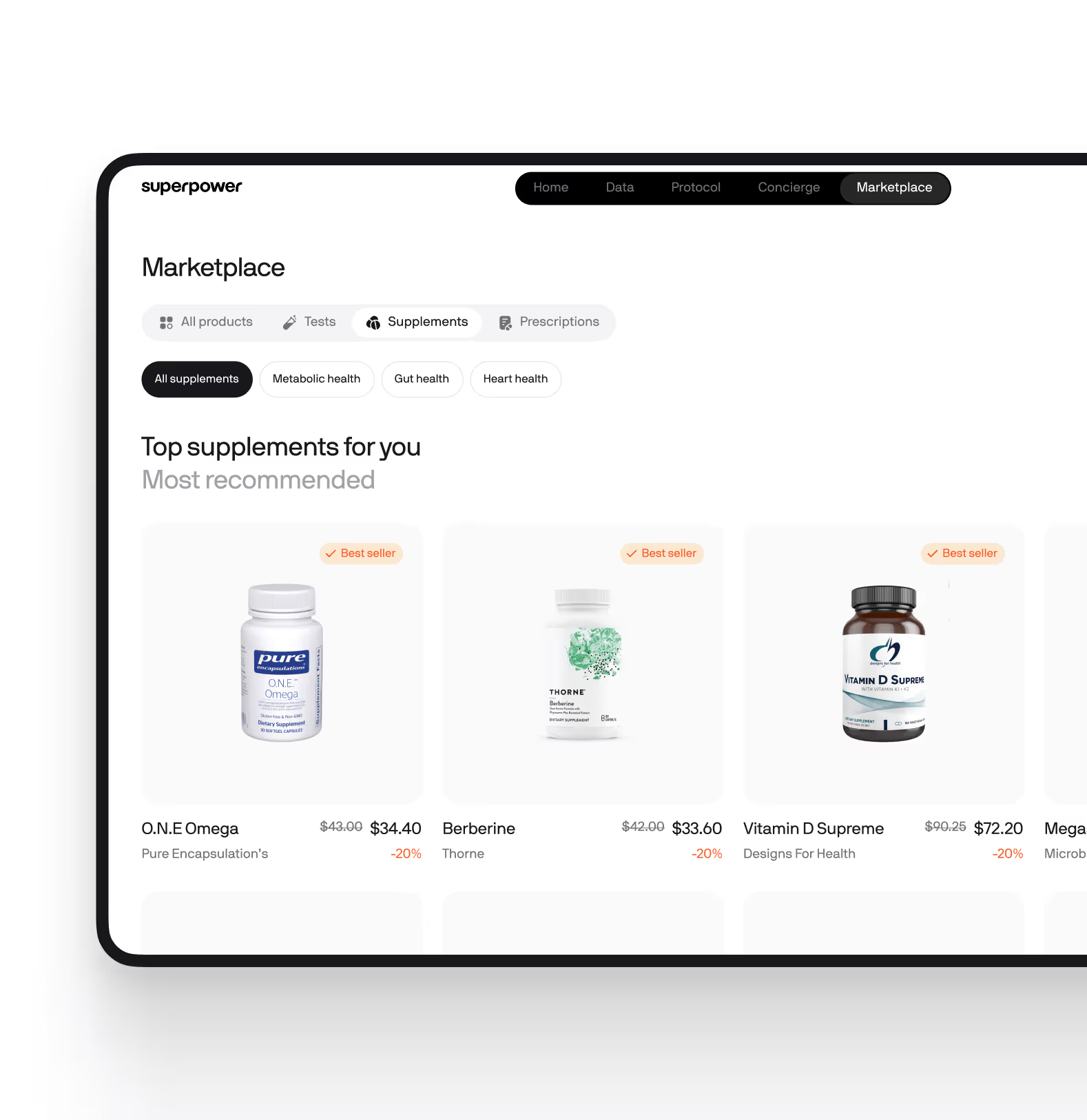
You can book additional diagnostics, buy curated supplements for 20% off & pharmaceuticals within your Superpower dashboard.

Superpower tests more than 
100+ biomarkers & common symptoms

Developed by world-class medical professionals

Supported by the world’s top longevity clinicians and MDs.

Dr Anant Vinjamoori

Superpower Chief Longevity Officer, Harvard MD & MBA

A smiling woman wearing a white coat and stethoscope poses for a portrait.

Dr Leigh Erin Connealy

Clinician & Founder of The Centre for New Medicine

Man in a black medical scrub top smiling at the camera.

Dr Abe Malkin

Founder & Medical Director of Concierge MD

Dr Robert Lufkin

UCLA Medical Professor, NYT Bestselling Author

Your membership

Select your assessment level

Superpower provides the most advanced health check with a plan that works. Go far beyond your annual physical.

Panels designed by

world class clinicians

2,000+ lab locations

across the country

Baseline

$199/yr

100+ biomarker blood test

Performance

Recommended

$365/yr

115+ biomarker blood test

60 biomarker follow-up retest

Complete

$649/yr

115+ biomarker blood test

60 biomarker follow-up retest

Gut microbiome analysis

Organ age breakdown

Get started
Loading...
HSA/ FSA eligible · Secure checkout

Baseline

$199

per year

Covers your metabolic, hormonal and cardiovascular baseline. The best basis for a single snapshot of your overall health.

What's included

Test Breakdown

These are the panels offered in the tiers above

100+ biomarker blood test

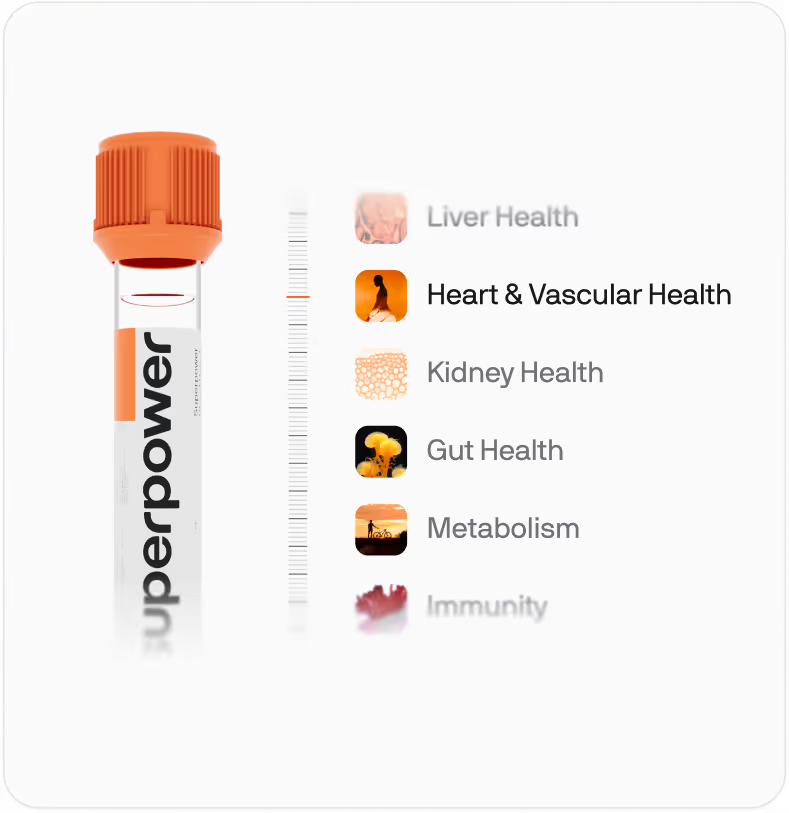
Heart & Vascular Health

20 markers

ApoB, LDL-Cholesterol, Triglycerides

Sex Hormones

8 markers

Testosterone, Estradiol, DHEA-S, Cortisol

Metabolic Health

7 markers

Glucose, HbA1c

Thyroid Health

4 markers

TSH, T3 Uptake, Free T4, T4 Total

Liver Health

13 markers

ALT, AST, GGT, Bilirubin

Nutrients

12 markers

Vitamin D, Total Protein, Hemoglobin

Immune System

16 markers

White blood cells, Neutrophils, Lymphocytes

Energy

5 markers

Ferritin, Iron, Cortisol

Kidney Health

9 markers

Creatinine, eGFR, Potassium, Sodium

See full list →

+21 additional

Included with every assessment

17 health areas developed by world class clinicians

Personalized clinical protocol

On-demand messaging with your care team

20% off superpower marketplace

Member pricing on add-on tests, supplements & RX

Upload past labs & wearable data for tracking

Superpower AI — a world class system trained on you

Complete

$649

per year

Normally $703 (save 8%)

Adds gut microbiome analysis and organ age surfacing, what standard blood panels may miss across energy, digestion, and immunity.

What's included

Test Breakdown

These are the panels offered in the tiers above

115+ biomarker blood test

Heart & Vascular Health

20 markers

ApoB, LDL-Cholesterol, Triglycerides, Lipoprotein(a)

Sex Hormones

11 markers

Testosterone, Estradiol, DHEA-S, Cortisol, PSA, FSH, LH, AMH

Metabolic Health

7 markers

Glucose, HbA1c, Insulin

Thyroid Health

4 markers

TSH, T3 Uptake, Free T4, T4 Total

Liver Health

8 markers

ALT, AST, GGT, Bilirubin

Nutrients

12 markers

Vitamin D, Total Protein, Hemoglobin

Immune System

16 markers

White blood cells, Neutrophils, Lymphocytes

Energy

5 markers

Ferritin, Iron, Cortisol

Kidney Health

24 markers

Creatinine, eGFR, Potassium, Urinary pH, RBC Urine, Nitrites

DNA Health

3 markers

Homocysteine, B12, Folate

Inflammation

3 markers

hs-CRP, Systemic Immune-Inflammation Index

See full list →

+8 additional

60 biomarker follow-up retest

Retesting panel

100 markers

Complete second draw — 60 biomarkers retested for longitudinal tracking.
Most biomarkers can move significantly within 3–6 months if you're actively trying to fix them.

Gut microbiome analysis

$239

Gut microbiome

300+ data points

Profiles 300 bacterial strains in your gut to map your microbial balance.
Identifies dysbiosis that may be driving symptoms like bloating, irregular digestion, skin issues, and mood changes, with actionable guidance on diet and lifestyle shifts to help restore balance.

Organ age breakdown

$99

OrganAge is the most detailed biological age test available today. Rather than showing a single number, it reveals how old each of your body's nine key systems is

Organ age breakdown

10 key systems

Circulatory, digestive, genitourinary, infectious, mental, metabolic, musculoskeletal, nervous, respiratory and systemic ages based on cutting edge longevity research

Included with every assessment

17 health areas developed by world class clinicians

Personalized clinical protocol

On-demand messaging with your care team

20% off superpower marketplace

Member pricing on add-on tests, supplements & RX

Upload past labs & wearable data for tracking

Superpower AI — a world class system trained on you

Get started
Loading...
HSA/ FSA eligible · Secure checkout

Finally, healthcare that looks at the whole you

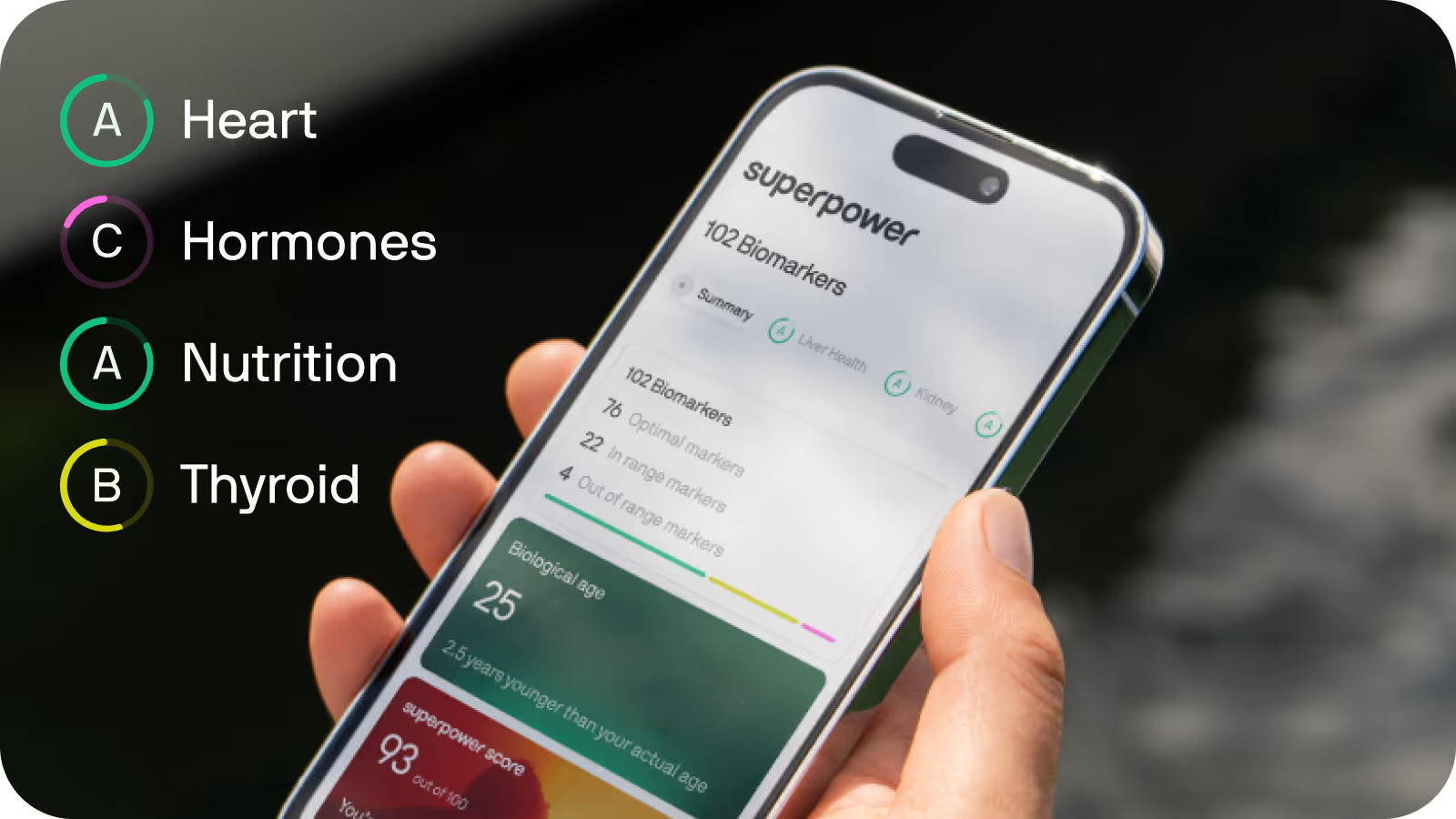
Superpower app on phone
Designed by world-class physicians

Get simple, free protocols for energy, heart health and more

Please enter a valid email address

Free protocols for

Improving energy with simple lifestyle changes

Reducing heart attack risk if you’re 30+

Slowing your pace of aging

Thanks for signing up!

Your health journey starts now. Watch your inbox for updates and smarter health insights – stay tuned.