Excellent 4.6 out of 5
Endocrine and Hormonal Disorders

Blood Testing for Subclinical Hypothyroidism

Blood testing detects early thyroid axis slowdown before symptoms. In subclinical hypothyroidism, TSH ↑ with Free T4 Index N signals pituitary-thyroid feedback strain. At Superpower, we offer these assays with in-clinic and at-home options; home testing is available in selected states. (See FAQs below for more info).

Book a Subclinical Hypothyroidism blood test today.
Cancel anytime
HSA/FSA eligible
Results in a week
Physician reviewed

Every result is checked

·
CLIA-certified labs

Federal standard for testing

·
HIPAA compliant

Your data is 100% secure

Key Benefits

  • Spot early thyroid underactivity before symptoms by measuring TSH and thyroid hormone levels.
  • Flag subclinical hypothyroidism when TSH is high and Free T4 index remains normal.
  • Clarify vague symptoms like fatigue, weight gain, or cold sensitivity with objective thyroid signals.
  • Guide treatment timing, especially if TSH ≥10, symptoms, positive antibodies, or heart disease.
  • Protect heart and cholesterol by identifying when high TSH may worsen lipid profiles.
  • Support fertility and pregnancy by keeping TSH within tighter, trimester-specific targets.
  • Track progression risk by checking TPO antibodies and repeating TSH in 6–12 weeks.
  • Best interpreted with your symptoms, TPO antibodies, and repeat testing to confirm persistence.

What are Subclinical Hypothyroidism biomarkers?

Blood tests for subclinical hypothyroidism look for a quiet imbalance in the thyroid network before obvious symptoms appear. The central marker is the brain’s control signal to the thyroid, thyroid‑stimulating hormone (TSH), made by the pituitary. TSH tells the thyroid to produce the body’s energy‑setting hormones, thyroxine and triiodothyronine (free T4 and free T3). In subclinical states, there is a mismatch: the pituitary pushes harder while circulating thyroid hormone still looks adequate. That pattern shows the system is compensating and reveals the gland’s functional “reserve.” Autoimmune markers add the “why.” Thyroid peroxidase antibodies (TPOAb) and thyroglobulin antibodies (TgAb), produced by the immune system, indicate immune targeting of thyroid tissue that can erode hormone output over time. Together, these biomarkers map three pillars of thyroid biology—control signal (TSH), hormone supply to tissues (free T4, free T3), and gland health (TPOAb, TgAb). Measuring them lets clinicians detect early thyroid strain, pinpoint likely cause, and track whether the system remains compensated or drifts toward overt hormone shortfall.

Why is blood testing for Subclinical Hypothyroidism important?

Subclinical hypothyroidism is identified when the pituitary signal (TSH) is elevated while circulating thyroid hormone (free T4 or free T4 index) remains normal. This matters because thyroid signaling coordinates energy use, cholesterol handling, temperature regulation, mood, menstrual and reproductive rhythms, and growth. The test catches strain in the axis before overt hormone deficiency develops.In most adults, TSH typically sits around 0.4–4.5, and many feel well in the lower-to-middle part of that range, while the free T4 index sits mid‑range. Subclinical hypothyroidism appears when TSH rises above the upper limit—often 4.5–10 for mild elevations—while the free T4 index stays normal. Physiologically, the pituitary is “pressing the gas” to keep thyroid hormone adequate, which can bring subtle fatigue, feeling cold, dry skin, constipation, heavier or irregular periods, and higher LDL cholesterol. Higher TSH within this pattern is linked to greater risk of progression to overt hypothyroidism. It is more common in women and with aging; in pregnancy, even modest TSH elevation with normal free T4 has been associated with adverse obstetric outcomes, so trimester-specific interpretation is used. In children and teens, persistent elevation can affect growth and pubertal timing.When TSH is low with a normal free T4 index, the pattern points the other way—toward subclinical hyperthyroidism—with palpitations, anxiety, and, over time, bone loss, especially in postmenopausal women.Big picture: this biomarker pair reflects how the brain and thyroid negotiate the body’s energy economy. Persistent TSH elevation with normal free T4 links to lipid changes, atherosclerotic risk, mood and cognitive effects, and eventual thyroid failure in some people, making early detection central to whole‑system health over the long term.

What insights will I get?

Subclinical hypothyroidism blood testing provides insight into how well your thyroid system is supporting your body’s energy production, metabolism, cardiovascular health, cognitive function, reproductive balance, and immune regulation. At Superpower, we assess this by measuring two key biomarkers: thyroid-stimulating hormone (TSH), which is elevated (↑), and the Free T4 Index, which remains within the normal range (N).TSH is a hormone produced by the pituitary gland that signals the thyroid to make thyroid hormones, which are essential for nearly every cell in the body. When TSH is elevated but Free T4 (the active thyroid hormone) is still normal, this pattern is called subclinical hypothyroidism. It means the pituitary is working harder to stimulate the thyroid, even though thyroid hormone levels in the blood are still adequate.This combination—high TSH with normal Free T4—suggests that your thyroid is under increased demand but is still able to maintain hormone output. The system is compensating to keep metabolism and other thyroid-dependent processes stable. However, this state may indicate early or mild thyroid dysfunction, which can subtly affect energy, mood, cholesterol levels, and other aspects of health over time.Interpretation of these results can be influenced by factors such as age, pregnancy, acute illness, certain medications, and differences in laboratory methods. These variables can shift TSH and Free T4 levels, so context is important when evaluating subclinical hypothyroidism.

Superpower also tests for

See more diseases

Frequently Asked Questions About

What is Subclinical Hypothyroidism blood testing?

This blood test checks how hard your brain is pushing your thyroid. In subclinical hypothyroidism, thyroid-stimulating hormone is high, but circulating thyroid hormone stays normal. In plain terms: the pituitary is shouting, the thyroid is keeping up. Medically: TSH ↑ with Free T4 Index in the normal range. Superpower tests your blood for TSH ↑, Free T4 Index N to detect this early, often symptom-free stage of reduced thyroid reserve and altered hypothalamic–pituitary–thyroid axis set-point.

Why should I get Subclinical Hypothyroidism blood testing?

It finds early thyroid underactivity before overt hypothyroidism develops. Elevated TSH with normal Free T4 shows the system is compensating—reserve is thinner, feedback is strained. This helps clarify causes like autoimmune thyroiditis, track risk of progression (especially with higher TSH), and understand downstream effects on metabolism, lipids, and cardiovascular strain. Early detection frames the physiology, not just symptoms, so you can monitor trajectory with objective numbers.

Can I get a blood test at home?

Yes. With Superpower, our team can organize a professional blood draw in your home. The same laboratory methods are used, so results are directly comparable to clinic-based testing. This is especially helpful for consistent timing, minimizing test-to-test variability for TSH and the Free T4 Index across your monitoring period.

How often should I test?

If TSH is elevated once, confirm in 6–12 weeks because the signal can fluctuate with illness and timing. If subclinical hypothyroidism persists and you’re stable, checking every 6–12 months tracks the axis over time. Recheck sooner after major changes that stress the system—pregnancy, iodine exposure shifts, or starting medications known to affect thyroid physiology.

What can affect biomarker levels?

Pregnancy, acute illness, and time of day shift TSH set-points. Iodine intake (diet, supplements, contrast dye) can raise or lower TSH and Free T4 dynamics. Medications like amiodarone, lithium, interferon, glucocorticoids, and dopamine agonists alter pituitary–thyroid signaling. High-dose biotin can distort immunoassays. Age, autoimmune activity, and assay interference (e.g., heterophile antibodies) can also influence results independent of true thyroid hormone status.

Are there any preparations needed before the blood test for TSH ↑, Free T4 Index N?

No fasting is required. Avoid high-dose biotin for at least 48 hours to prevent spurious results. Morning draws reduce diurnal variation. Delay testing during acute illness if possible. Tell the team about pregnancy and medications that affect thyroid function or assays. Keep iodine intake stable in the days before testing to avoid transient shifts in TSH and Free T4 Index.

Can lifestyle changes affect my biomarker levels?

Lifestyle effects are modest but real. Large weight changes, severe calorie restriction, intense physiological stress, and major sleep–wake disruptions can move TSH set-points. Iodine exposure from diet or supplements directly influences thyroid hormone synthesis. Smoking tends to lower TSH slightly. These factors can nudge results without reflecting permanent gland failure, so consistency helps interpret trends.

How do I interpret my results?

TSH above the lab reference with a normal Free T4 Index indicates subclinical hypothyroidism: the pituitary compensates, thyroid hormone remains within range. Higher TSH values signal greater strain; TSH ≥10 mIU/L and positive thyroid autoantibodies predict higher progression risk. If TSH is high and Free T4 Index is low, that’s overt hypothyroidism. If both are normal, subclinical hypothyroidism is unlikely. Repeat testing confirms persistence versus a transient fluctuation.

What states are Superpower’s at-home blood testing available in?

Superpower currently offers at-home blood testing in the following states: Alabama, Arizona, California, Colorado, Connecticut, Delaware, District of Columbia, Florida, Georgia, Idaho, Illinois, Indiana, Kansas, Maine, Maryland, Massachusetts, Michigan, Minnesota, Missouri, Montana, Nebraska, Nevada, New Hampshire, New Jersey, New Mexico, New York, North Carolina, Ohio, Oklahoma, Oregon, Pennsylvania, South Carolina, Tennessee, Texas, Utah, Vermont, Virginia, Washington, West Virginia, and Wisconsin.We’re actively expanding nationwide, with new states being added regularly. If your state isn’t listed yet, stay tuned.

How it works

1

Test your whole body

Get a comprehensive blood draw at one of our 2,000+ partner labs or from the comfort of your own home.

2

An Actionable Plan

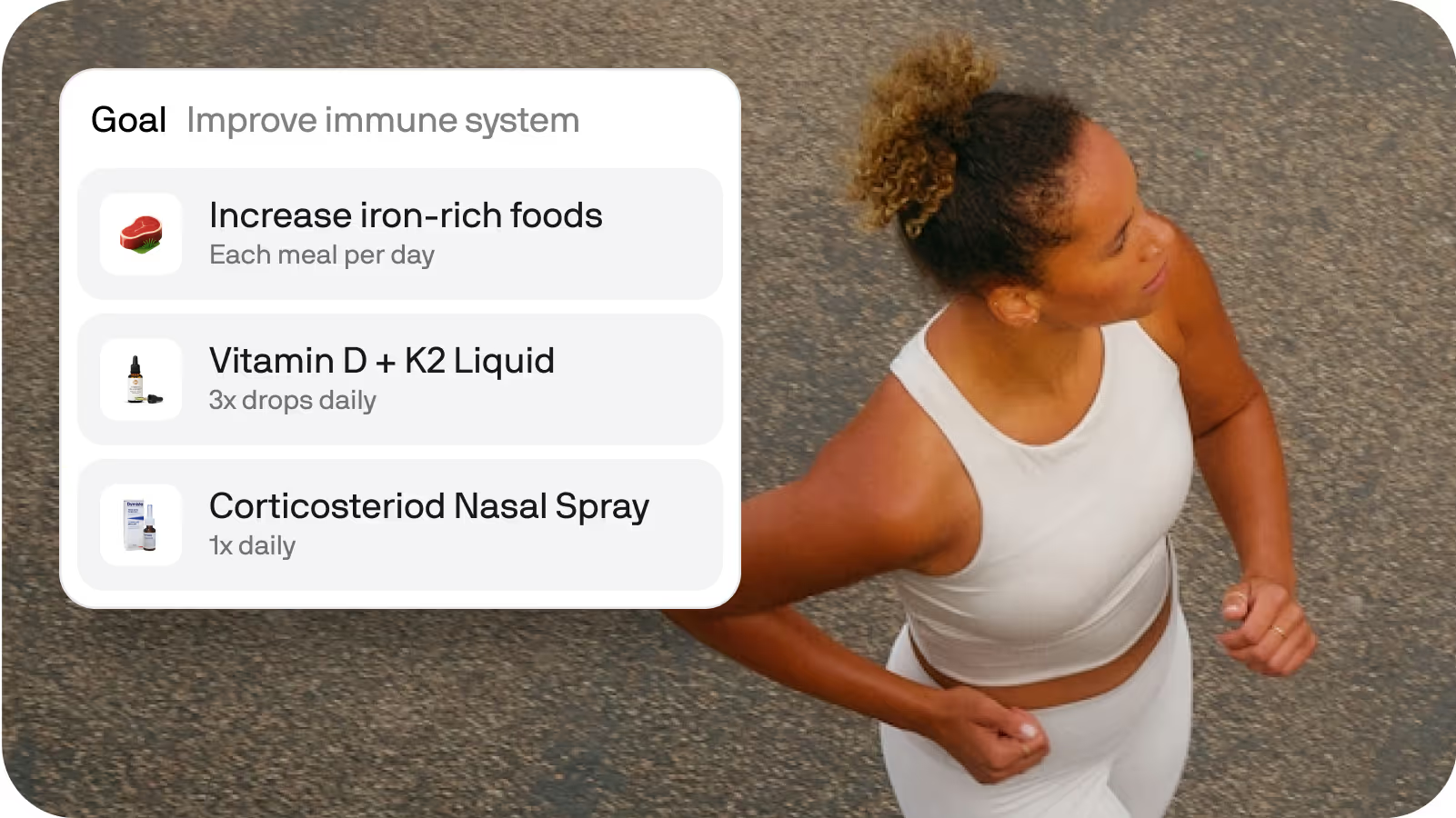
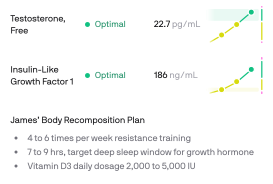
Easy to understand results & a clear action plan with tailored recommendations on diet, lifestyle changes, supplements and pharmaceuticals.

3

A Connected Ecosystem

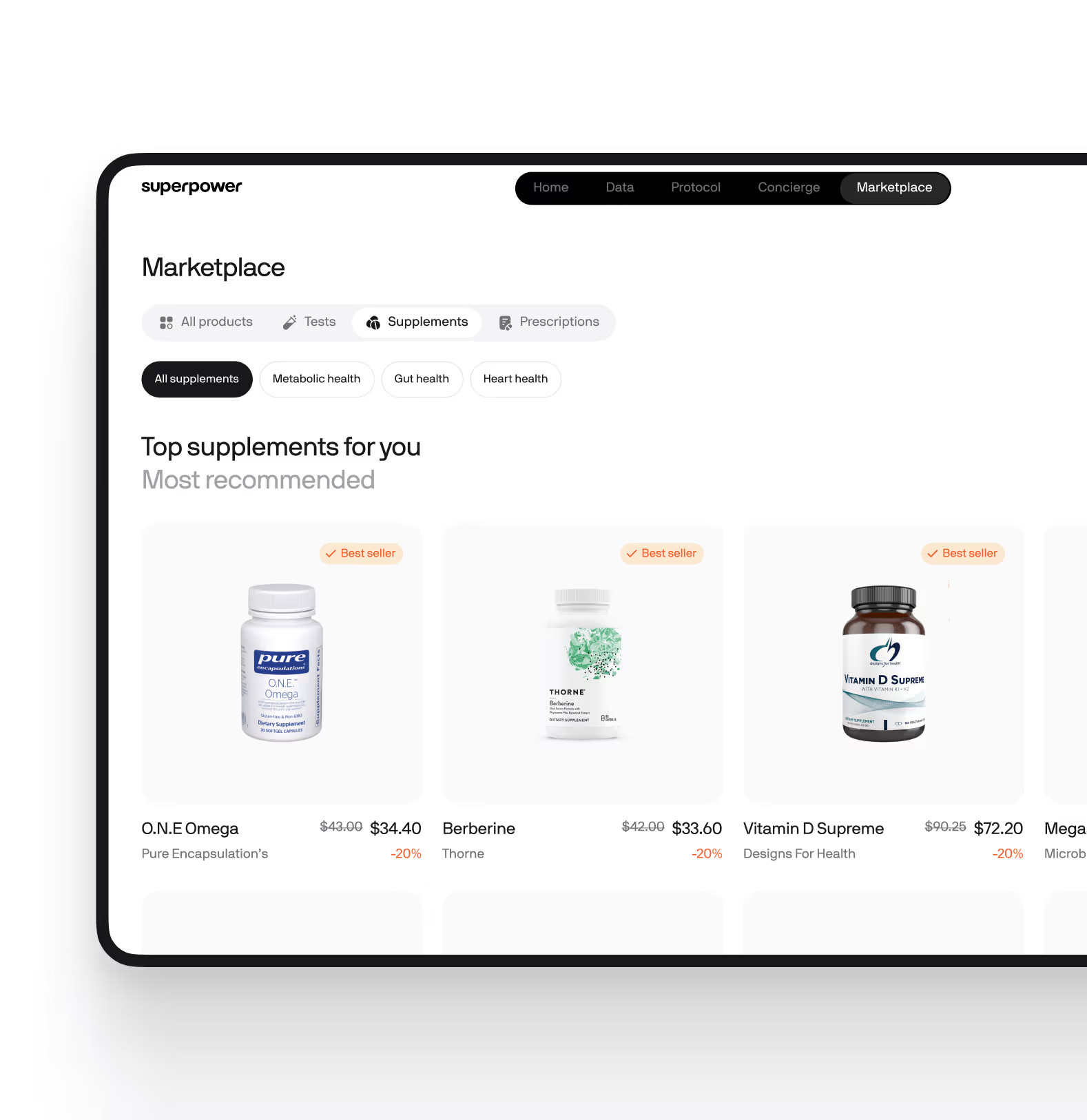
You can book additional diagnostics, buy curated supplements for 20% off & pharmaceuticals within your Superpower dashboard.

Superpower tests more than 
100+ biomarkers & common symptoms

Developed by world-class medical professionals

Supported by the world’s top longevity clinicians and MDs.

Dr Anant Vinjamoori

Superpower Chief Longevity Officer, Harvard MD & MBA

A smiling woman wearing a white coat and stethoscope poses for a portrait.

Dr Leigh Erin Connealy

Clinician & Founder of The Centre for New Medicine

Man in a black medical scrub top smiling at the camera.

Dr Abe Malkin

Founder & Medical Director of Concierge MD

Dr Robert Lufkin

UCLA Medical Professor, NYT Bestselling Author

Your membership

Select your assessment level

Superpower provides the most advanced health check with a plan that works. Go far beyond your annual physical.

Panels designed by

world class clinicians

2,000+ lab locations

across the country

Baseline

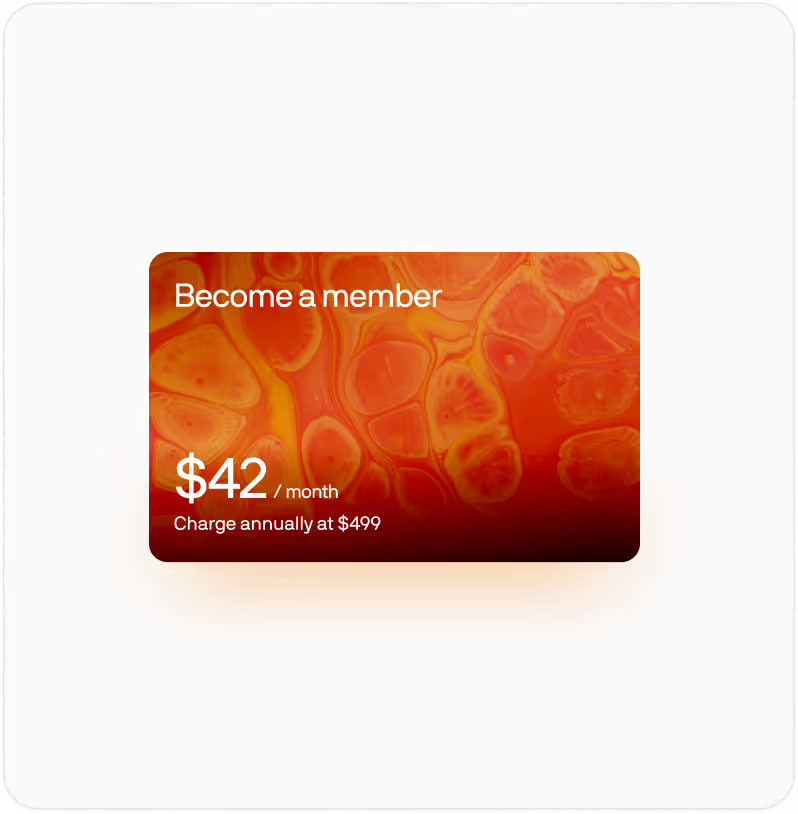
$199/yr

100+ biomarker blood test

Performance

Recommended

$365/yr

115+ biomarker blood test

60 biomarker follow-up retest

Complete

$649/yr

115+ biomarker blood test

60 biomarker follow-up retest

Gut microbiome analysis

Organ age breakdown

Get started
Loading...
HSA/ FSA eligible · Secure checkout

Baseline

$199

per year

Covers your metabolic, hormonal and cardiovascular baseline. The best basis for a single snapshot of your overall health.

What's included

Test Breakdown

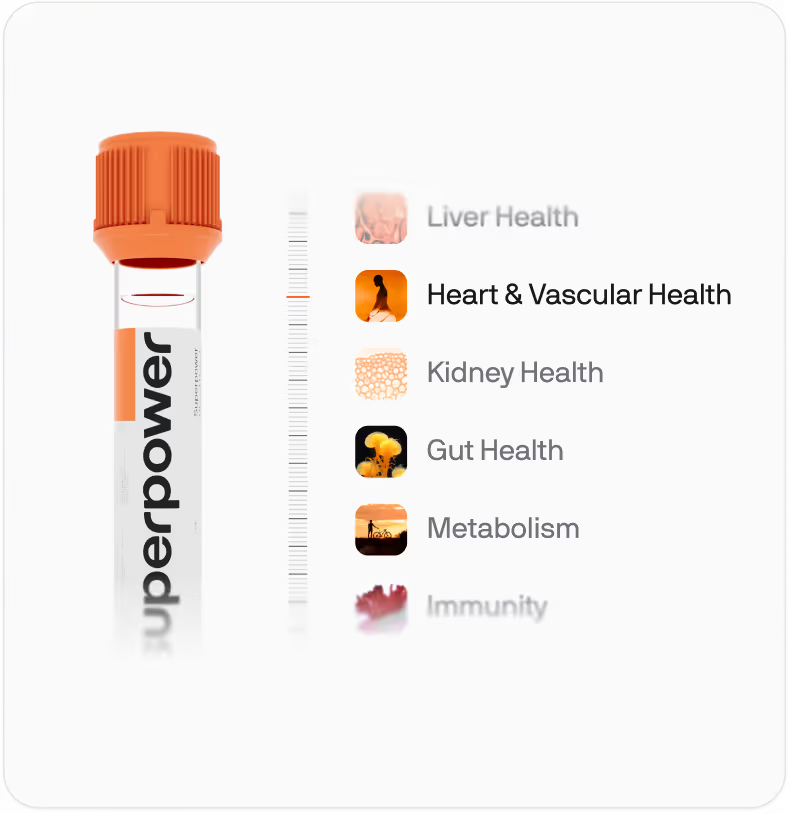
These are the panels offered in the tiers above

100+ biomarker blood test

Heart & Vascular Health

20 markers

ApoB, LDL-Cholesterol, Triglycerides

Sex Hormones

8 markers

Testosterone, Estradiol, DHEA-S, Cortisol

Metabolic Health

7 markers

Glucose, HbA1c

Thyroid Health

4 markers

TSH, T3 Uptake, Free T4, T4 Total

Liver Health

13 markers

ALT, AST, GGT, Bilirubin

Nutrients

12 markers

Vitamin D, Total Protein, Hemoglobin

Immune System

16 markers

White blood cells, Neutrophils, Lymphocytes

Energy

5 markers

Ferritin, Iron, Cortisol

Kidney Health

9 markers

Creatinine, eGFR, Potassium, Sodium

See full list →

+21 additional

Included with every assessment

17 health areas developed by world class clinicians

Personalized clinical protocol

On-demand messaging with your care team

20% off superpower marketplace

Member pricing on add-on tests, supplements & RX

Upload past labs & wearable data for tracking

Superpower AI — a world class system trained on you

Complete

$649

per year

Normally $703 (save 8%)

Adds gut microbiome analysis and organ age surfacing, what standard blood panels may miss across energy, digestion, and immunity.

What's included

Test Breakdown

These are the panels offered in the tiers above

115+ biomarker blood test

Heart & Vascular Health

20 markers

ApoB, LDL-Cholesterol, Triglycerides, Lipoprotein(a)

Sex Hormones

11 markers

Testosterone, Estradiol, DHEA-S, Cortisol, PSA, FSH, LH, AMH

Metabolic Health

7 markers

Glucose, HbA1c, Insulin

Thyroid Health

4 markers

TSH, T3 Uptake, Free T4, T4 Total

Liver Health

8 markers

ALT, AST, GGT, Bilirubin

Nutrients

12 markers

Vitamin D, Total Protein, Hemoglobin

Immune System

16 markers

White blood cells, Neutrophils, Lymphocytes

Energy

5 markers

Ferritin, Iron, Cortisol

Kidney Health

24 markers

Creatinine, eGFR, Potassium, Urinary pH, RBC Urine, Nitrites

DNA Health

3 markers

Homocysteine, B12, Folate

Inflammation

3 markers

hs-CRP, Systemic Immune-Inflammation Index

See full list →

+8 additional

60 biomarker follow-up retest

Retesting panel

100 markers

Complete second draw — 60 biomarkers retested for longitudinal tracking.
Most biomarkers can move significantly within 3–6 months if you're actively trying to fix them.

Gut microbiome analysis

$239

Gut microbiome

300+ data points

Profiles 300 bacterial strains in your gut to map your microbial balance.
Identifies dysbiosis that may be driving symptoms like bloating, irregular digestion, skin issues, and mood changes, with actionable guidance on diet and lifestyle shifts to help restore balance.

Organ age breakdown

$99

OrganAge is the most detailed biological age test available today. Rather than showing a single number, it reveals how old each of your body's nine key systems is

Organ age breakdown

10 key systems

Circulatory, digestive, genitourinary, infectious, mental, metabolic, musculoskeletal, nervous, respiratory and systemic ages based on cutting edge longevity research

Included with every assessment

17 health areas developed by world class clinicians

Personalized clinical protocol

On-demand messaging with your care team

20% off superpower marketplace

Member pricing on add-on tests, supplements & RX

Upload past labs & wearable data for tracking

Superpower AI — a world class system trained on you

Get started
Loading...
HSA/ FSA eligible · Secure checkout

Finally, healthcare that looks at the whole you

Superpower app on phone
Designed by world-class physicians

Get simple, free protocols for energy, heart health and more

Please enter a valid email address

Free protocols for

Improving energy with simple lifestyle changes

Reducing heart attack risk if you’re 30+

Slowing your pace of aging

Thanks for signing up!

Your health journey starts now. Watch your inbox for updates and smarter health insights – stay tuned.