


Check your TSH and ferritin in one draw
See your thyroid signal and iron stores side by side
- CLIA-certified labs
- HIPAA compliant
- Personalized health protocol
Symptoms can persist with normal thyroid levels
You can have normal thyroid levels but still have symptoms such as fatigue, weight gain, cold intolerance, and brain fog (memory and concentration problems). The cause is usually a thyroid problem the first test missed or a condition that mimics one. Fatigue alone affects 68% to 83% of people with hypothyroidism.
Because no single symptom identifies an underactive thyroid, symptoms alone cannot confirm a thyroid cause or rule one out. Which markers a normal result actually measured decides which possibility to check first.
What a normal thyroid result does not rule out
A normal thyroid result places you within a population range, often on thyroid-stimulating hormone (TSH) alone, so it can miss a change that matters for you.
In 16 healthy men tested monthly for a year, each man's range was about half as wide as the group's. "Normal" marks where most people fall, not necessarily where you do.
Clinicians usually check TSH first, adding antibody tests when other results suggest thyroid disease. Free thyroxine (free T4), triiodothyronine (T3), and antibodies often go unmeasured. Symptoms with a normal TSH can still trace back to the thyroid.
Thyroid causes that standard tests can miss
Several thyroid conditions produce hypothyroid symptoms while some thyroid labs read normal, often because the telling change shows up in a marker that was not measured.
- Early Hashimoto's thyroiditis (autoimmune thyroid inflammation): thyroid peroxidase (TPO) antibodies can be positive while TSH reads in range years before hypothyroidism develops. Antibodies are also linked to symptoms in euthyroid people (people with normal thyroid hormone levels).
- Subclinical hypothyroidism: high TSH with normal free T4, seen in up to 10% of adults.
- Central hypothyroidism: the pituitary or hypothalamus sends too little TSH, so free T4 runs low while TSH looks normal.
- Symptoms on levothyroxine (thyroid hormone replacement): at one US center, about 1 in 4 patients taking it who reached a normal TSH had lingering or new symptoms, with fatigue the most common. Levothyroxine users also show lower T3 relative to T4 than non-users with the same TSH.
When every thyroid marker reads normal, the cause may be a condition outside the thyroid.
Conditions that mimic an underactive thyroid
Several common conditions outside the thyroid cause the same fatigue, low mood, and poor concentration, each with its own check.
| Condition | Overlapping symptoms | How it is checked |
|---|---|---|
| Low iron stores (low ferritin) | Fatigue, even with normal hemoglobin | Ferritin blood test |
| Vitamin B12 deficiency | Tiredness, weakness, poor memory, confusion, and depression | Vitamin B12 blood test |
| Perimenopause | Trouble sleeping, moodiness, forgetfulness, and difficulty concentrating | Symptoms and history, sometimes a hormone blood test |
| Sleep apnea | Daytime sleepiness, fatigue, headache, and trouble focusing | Sleep study |
A normal blood count does not exclude two of these. Low iron stores can cause fatigue while hemoglobin stays in range. Vitamin B12 deficiency can affect the nerves without anemia, and symptoms can take years to appear. How and when blood is drawn can shift even the right marker.
Get 100+ biomarkers tested
One blood draw a year. A full picture of your health, explained in plain language.
Get 100+ biomarkers tested
One blood draw a year. A full picture of your health, explained in plain language.
Factors that can skew a thyroid test result
Biotin, a meal before the draw, the time of day, and interfering substances in the blood can all shift a thyroid result.
Biotin supplements can push thyroid results out of range in a normally working thyroid. Pausing biotin for 2 days before the draw avoids this.
In 146 outpatients in China, TSH drawn 2 hours after a meal read about 30% lower than a fasting 7:00 a.m. draw, enough to reclassify some results.
Antibodies in some people's blood can also distort thyroid test results, which a clinician can ask the lab to check. Drawing blood the same way each time keeps results comparable.
Next steps when thyroid symptoms outlast normal labs
When symptoms outlast normal thyroid labs, the next step is a fuller, repeatable workup with a clinician.
- Track symptoms: log each one with its date.
- Ask which markers were run: check whether free T4, free T3, and TPO antibodies were measured. The Thyroid Autoimmunity panel measures free T3 and TPO antibodies.
- Check the mimics: ask about ferritin and vitamin B12.
- Retest the same way: request a morning, fasting draw with biotin paused.
- Ask about a specialist: request an endocrinologist referral if symptoms continue on levothyroxine.
Several results drawn the same way reveal a trend one result cannot show.
Understand your thyroid markers with Superpower
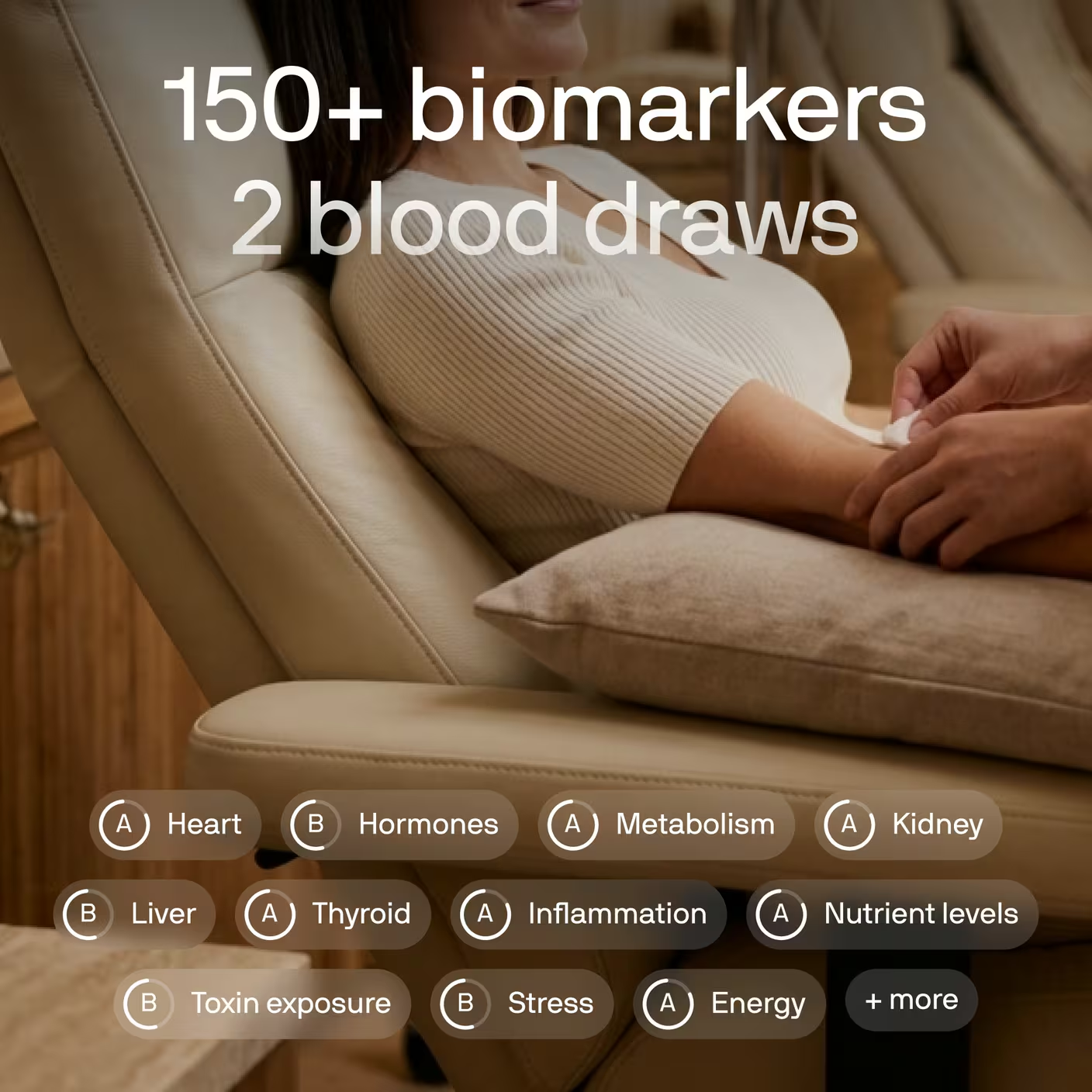
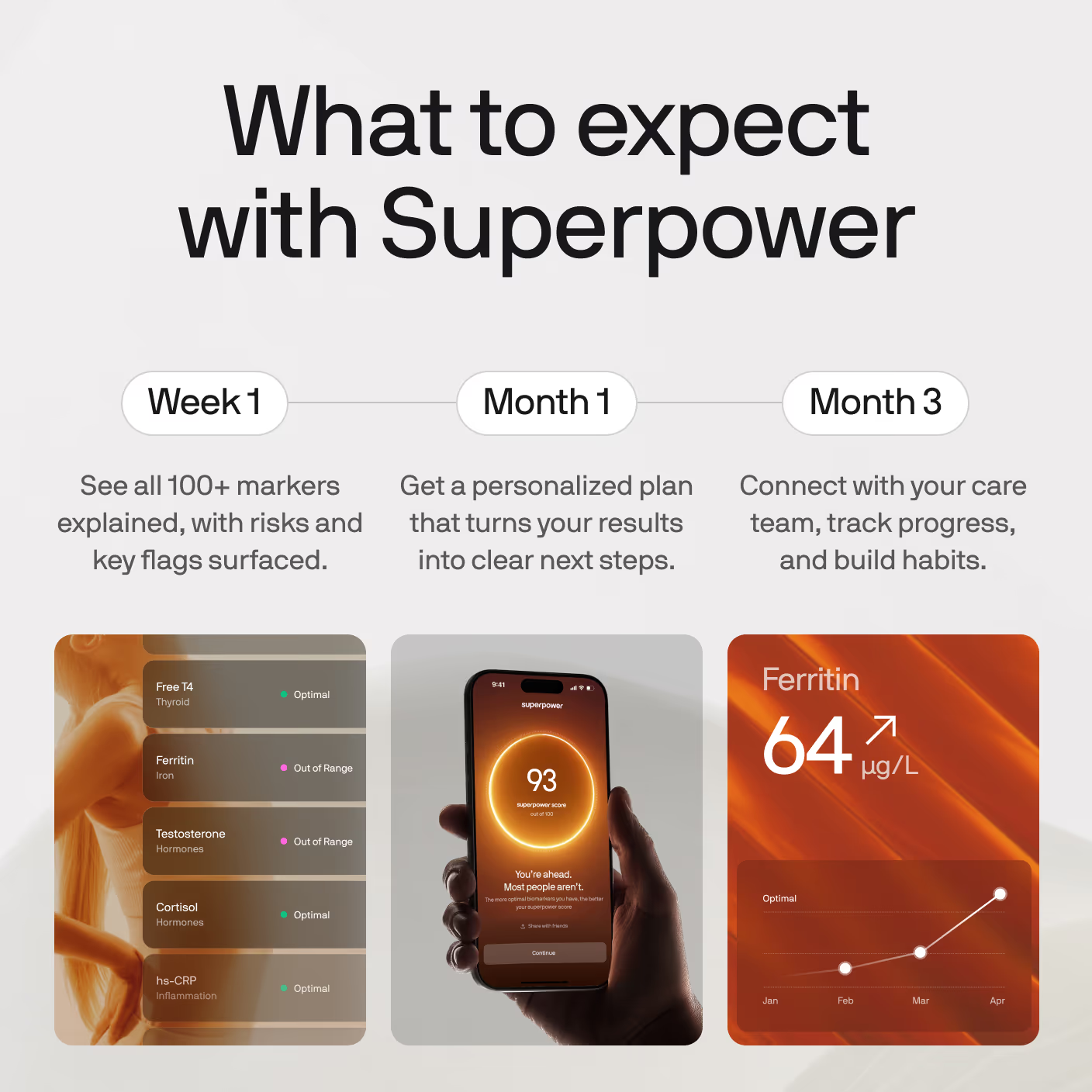
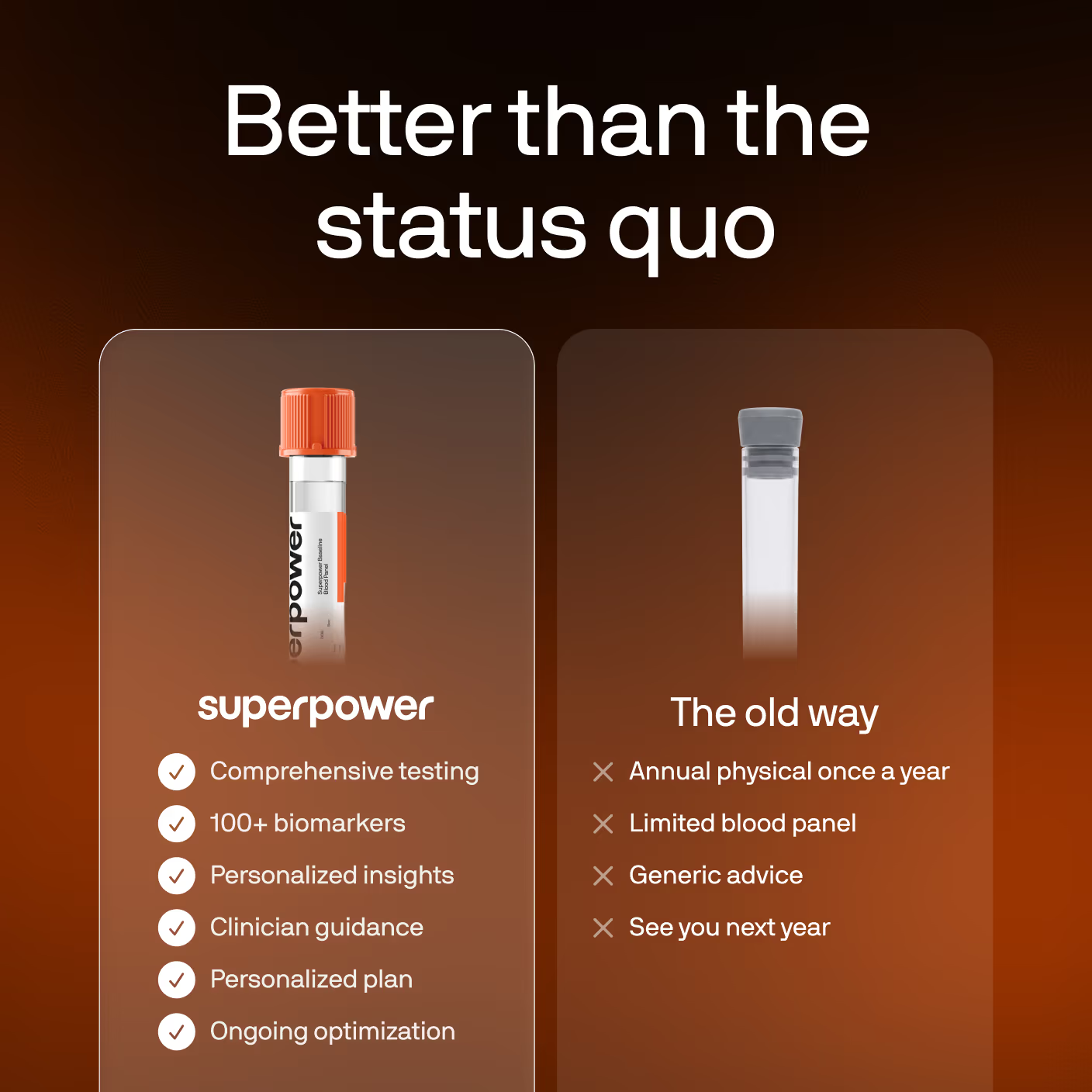
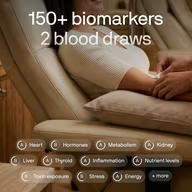
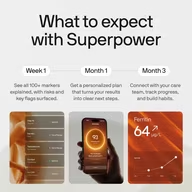
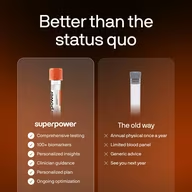
If you have normal thyroid levels but still have symptoms, a comprehensive blood test that goes beyond a single thyroid number is the place to start. A Superpower membership includes 100+ biomarkers in a single draw, among them TSH, ferritin, and hemoglobin. Superpower is your home for health, measuring these markers and helping you improve them with a personalized protocol, plus AI and care team support.
Your symptoms deserve a closer look. Start your Superpower membership and get your baseline in one draw.
References
- National Institute of Diabetes and Digestive and Kidney Diseases. Hypothyroidism (underactive thyroid). Reviewed March 2021. Accessed October 17, 2026.
- Chaker L, Papaleontiou M. Hypothyroidism: a review. *JAMA*. 2025;334(19):1750-1760. doi:10.1001/jama.2025.13559
- Jansen HI, Boelen A, Heijboer AC, Bruinstroop E, Fliers E. Hypothyroidism: the difficulty in attributing symptoms to their underlying cause. *Front Endocrinol (Lausanne)*. 2023;14:1130661. doi:10.3389/fendo.2023.1130661
- Andersen S, Pedersen KM, Bruun NH, Laurberg P. Narrow individual variations in serum T(4) and T(3) in normal subjects: a clue to the understanding of subclinical thyroid disease. *J Clin Endocrinol Metab*. 2002;87(3):1068-1072. doi:10.1210/jcem.87.3.8165
- National Institute of Diabetes and Digestive and Kidney Diseases. Thyroid tests. Reviewed May 2017. Accessed October 17, 2026.
- Walsh JP, Bremner AP, Feddema P, Leedman PJ, Brown SJ, O'Leary P. Thyrotropin and thyroid antibodies as predictors of hypothyroidism: a 13-year, longitudinal study of a community-based cohort using current immunoassay techniques. *J Clin Endocrinol Metab*. 2010;95(3):1095-1104. doi:10.1210/jc.2009-1977
- Groenewegen KL, Mooij CF, van Trotsenburg ASP. Persisting symptoms in patients with Hashimoto's disease despite normal thyroid hormone levels: does thyroid autoimmunity play a role? A systematic review. *J Transl Autoimmun*. 2021;4:100101. doi:10.1016/j.jtauto.2021.100101
- Biondi B, Cappola AR, Cooper DS. Subclinical hypothyroidism: a review. *JAMA*. 2019;322(2):153-160. doi:10.1001/jama.2019.9052
- Persani L, Cangiano B, Bonomi M. The diagnosis and management of central hypothyroidism in 2018. *Endocr Connect*. 2019;8(2):R44-R54. doi:10.1530/EC-18-0515
- Hidalgo J, Vallejo BA, Soto Jacome C, et al. Real practice assessment of persistent symptoms after initiation of levothyroxine. *Endocr Pract*. 2024;30(2):95-100. doi:10.1016/j.eprac.2023.10.132
- Peterson SJ, McAninch EA, Bianco AC. Is a normal TSH synonymous with 'euthyroidism' in levothyroxine monotherapy? *J Clin Endocrinol Metab*. 2016;101(12):4964-4973. doi:10.1210/jc.2016-2660
- Vaucher P, Druais PL, Waldvogel S, Favrat B. Effect of iron supplementation on fatigue in nonanemic menstruating women with low ferritin: a randomized controlled trial. *CMAJ*. 2012;184(11):1247-1254. doi:10.1503/cmaj.110950
- Office of Dietary Supplements, National Institutes of Health. Vitamin B12: fact sheet for consumers. Updated December 15, 2023. Accessed October 17, 2026.
- National Institute on Aging. What is menopause? Reviewed October 16, 2024. Accessed October 17, 2026.
- National Heart, Lung, and Blood Institute. Sleep apnea: symptoms. Updated January 9, 2025. Accessed October 17, 2026.
- American Thyroid Association. Thyroid function tests. Accessed October 17, 2026.
- Dong A, Huang Y, Huang Y, Jia B. Effects of calorie intake and sampling time on thyroid stimulating hormone concentration. *BMC Endocr Disord*. 2022;22(1):85. doi:10.1186/s12902-022-01005-7
- Favresse J, Burlacu MC, Maiter D, Gruson D. Interferences with thyroid function immunoassays: clinical implications and detection algorithm. *Endocr Rev*. 2018;39(5):830-850. doi:10.1210/er.2018-00119














 Heart & Vascular Health
 Metabolic Health
 Energy
 Liver Health
 Kidney
 Sex Hormones
 Thyroid Health
 Nutrients
 Immune System
 Inflammation