


See where your thyroid and iron markers stand
TSH, total T4, ferritin, and iron, measured together in one blood draw
- CLIA-certified labs
- HIPAA compliant
- Personalized health protocol
How hypothyroidism affects your hair and scalp
Hypothyroidism hair loss usually shows up as thinning across the whole scalp, driven by too little thyroid hormone. Follicles short of that hormone likely leave their growth phase early for the resting (telogen) phase. The result is widespread hair shedding rather than bald patches.
Fatigue, feeling cold, weight gain, constipation, and dry skin are the most common symptoms of hypothyroidism. Paired with shedding, they point to the thyroid, as do certain hair changes.
What hypothyroidism hair loss looks like
Hypothyroidism hair loss changes how much hair falls and how strands feel, and it can thin the eyebrows too.
- Extra shedding: more hair on the brush or drain, from prolonged telogen shedding
- Texture changes: dry, coarse, brittle, or dull strands
- Outer eyebrow thinning: loss of the outer third of the brows, a possible sign, though not specific to thyroid disease
Among 500 women with diffuse shedding, those with hypothyroidism had more severe hair loss than those with normal thyroid function. The reason lies in how hair growth depends on thyroid hormone.
Why low thyroid hormone causes hair to shed
Low thyroid hormone causes shedding because hair follicles depend on that hormone to keep growing. In lab-grown scalp follicles, thyroid hormone prolonged the growth phase (anagen) and boosted the cells that build hair.
A shortfall pushes many follicles into rest at once. The shedding that follows is telogen effluvium, the most common cause of diffuse hair loss. That shedding shows up 3 to 4 months after the trigger, so thinning can start long after thyroid levels first fell. Other causes of thinning can look much the same.
Thyroid hair loss vs other common causes of thinning
Thyroid hair loss usually thins the scalp evenly, while other common causes leave their own pattern.
| Cause | Typical pattern | Other clues |
|---|---|---|
| Hypothyroidism | Diffuse thinning and shedding across the scalp | Dry, brittle hair; fatigue; feeling cold |
| Alopecia areata (autoimmune hair loss) | Small, round patches | Short broken hairs at the patch edge; can affect eyebrows, eyelashes, or beard |
| Iron deficiency | Diffuse thinning, mostly studied in women | Lower ferritin than in women without hair loss |
| Female pattern hair loss | Thinning on the top and crown, often a widening center part | Gradual, with the hairline kept |
| Stress or illness shedding | Diffuse shedding a few months after the event | Recent illness, surgery, childbirth, or crash diet |
Hashimoto's disease, an autoimmune thyroid condition, is the most common cause of hypothyroidism in the US. Thinning hair is one of its symptoms. People with alopecia areata show higher odds of thyroid autoantibodies, so the two conditions can overlap. Blood work is what tells these causes apart.
Blood tests that check for a thyroid cause
Blood tests confirm a thyroid cause, since the hair pattern only hints at one.
- Thyroid-stimulating hormone (TSH): the first-line screen, where a high TSH with low free T4 means overt hypothyroidism
- Free or total T4: the hormone the thyroid releases
- Thyroid peroxidase (TPO) antibodies: present in most people with Hashimoto's, and part of the Thyroid Autoimmunity test
- Ferritin and iron studies: biomarkers that help rule out nutritional causes
Biotin supplements can interfere with TSH and T4 test results. The usual advice is to stop biotin at least 2 days before testing. Confirmed low thyroid hormone raises the regrowth question.
How hair regrows on hypothyroidism treatment
Hypothyroid hair loss usually slows once medication steadies hormone levels, though regrowth is gradual. Levothyroxine is the standard first choice, with TSH rechecked 6 to 8 weeks after each dose change.
Thyroid hormone replacement often halts the shedding, although after years of low thyroid hormone, damaged follicles may not fully recover.
Rarely, partial hair loss appears in the first few months of levothyroxine and usually passes. Raise it with a clinician before changing any medication. Shedding that persists past normal results needs another explanation.
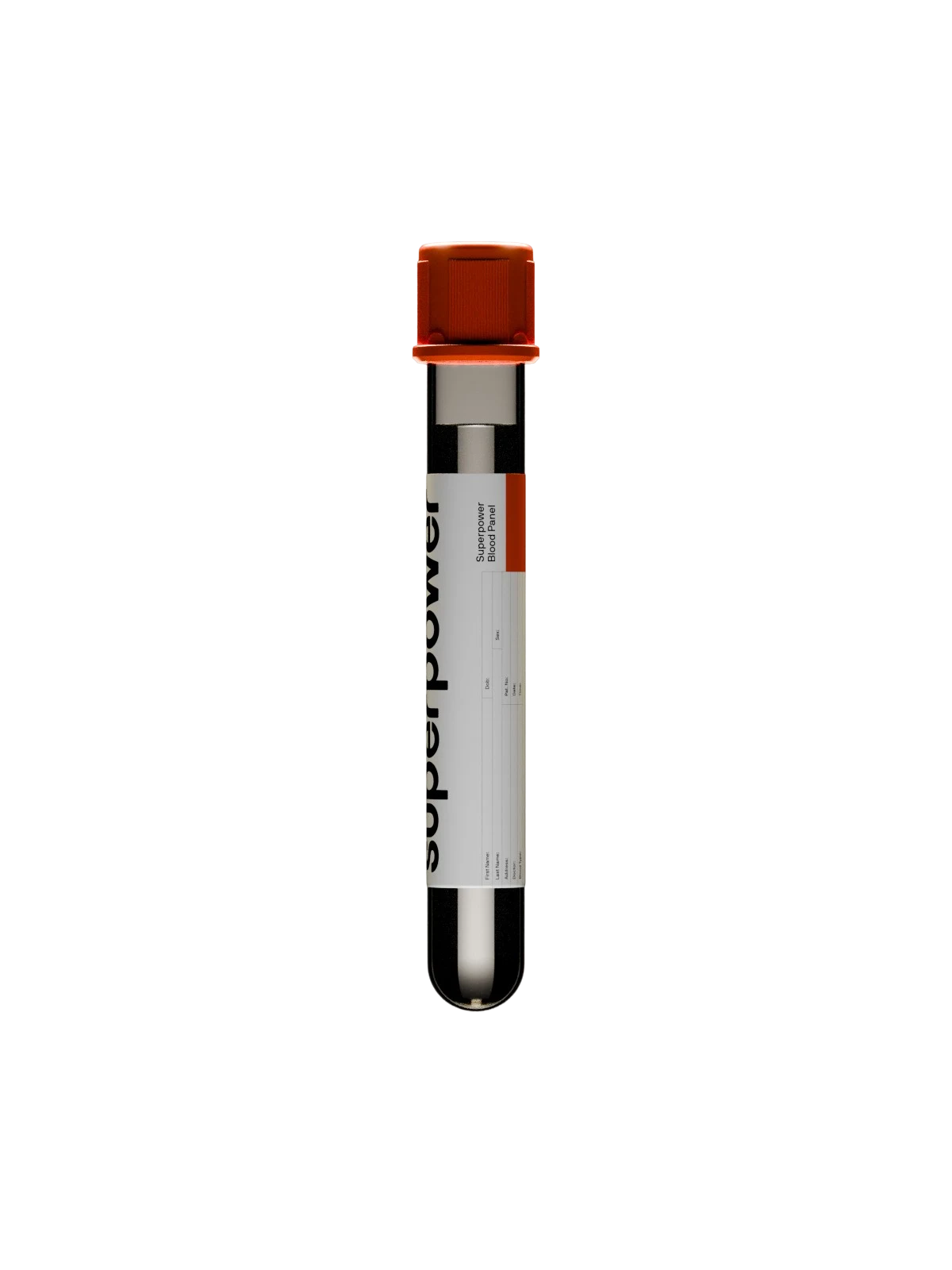
Get 100+ biomarkers tested
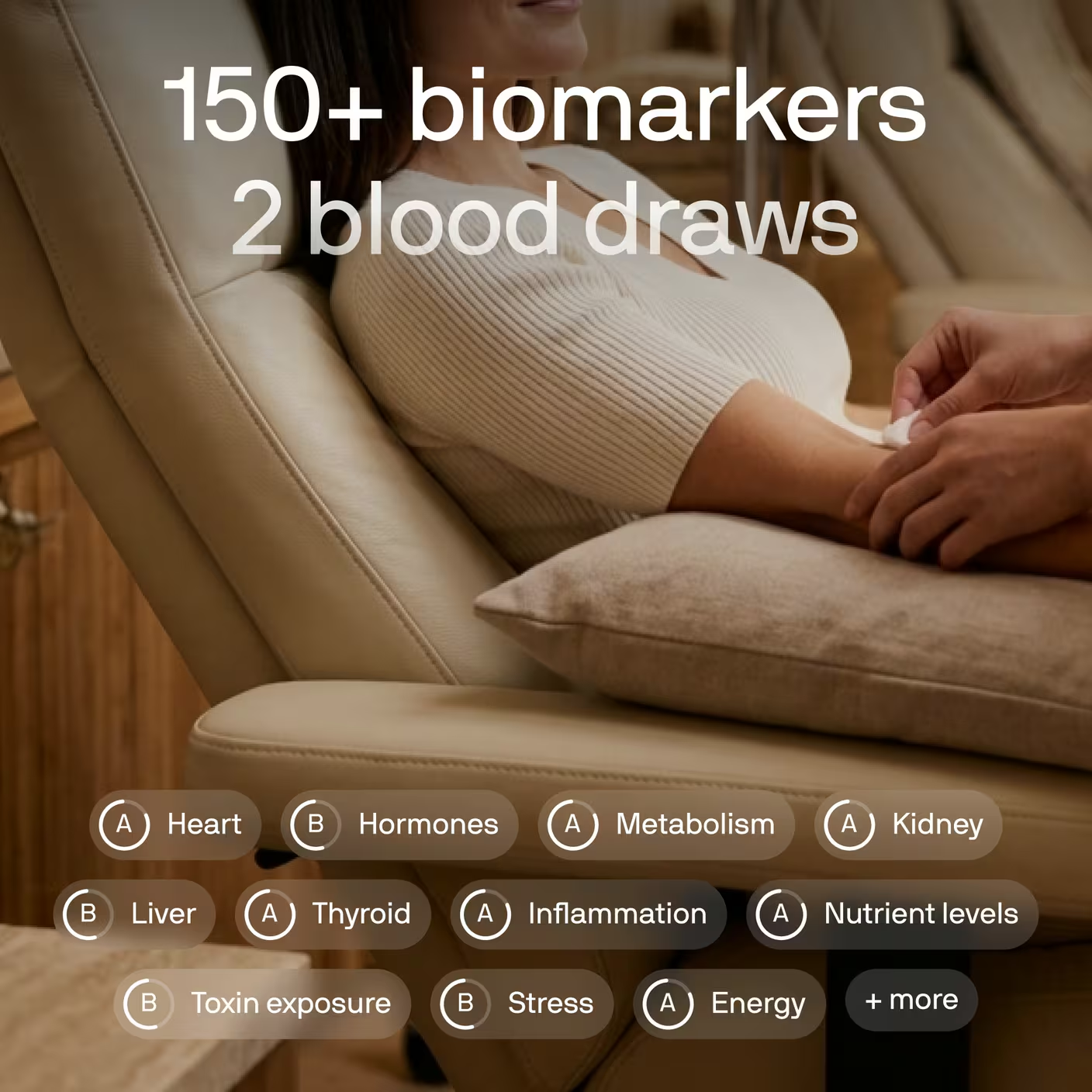
One blood draw a year. A full picture of your health, explained in plain language.
Get 100+ biomarkers tested
One blood draw a year. A full picture of your health, explained in plain language.
Why hair loss can continue with normal thyroid labs
Hair loss can outlast normal thyroid labs for several reasons, from mild disease to a second cause.
- Subclinical hypothyroidism: high TSH with normal free T4, found in up to 10% of adults
- Positive TPO antibodies: a higher risk of progressing to an underactive thyroid
- Dose too high: overdosage brings overactive-thyroid effects, hair loss included
- Shedding lag: resting hairs still falling months after the trigger
- Low iron or pattern hair loss: a second cause, which is why thinning gets checked for thyroid disease or iron deficiency
Thyroid and iron markers, read together, separate these causes.
Understand your thyroid markers with Superpower
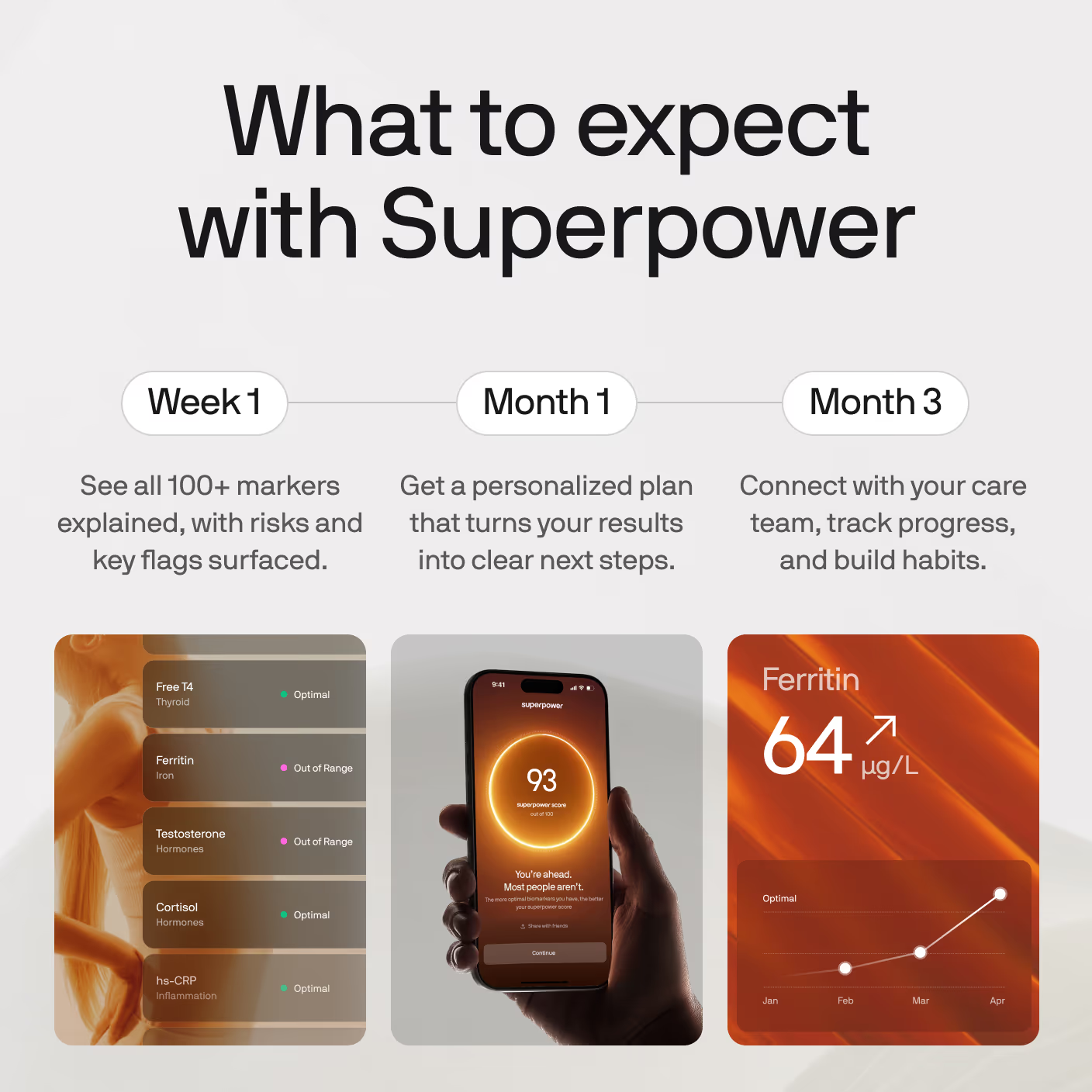
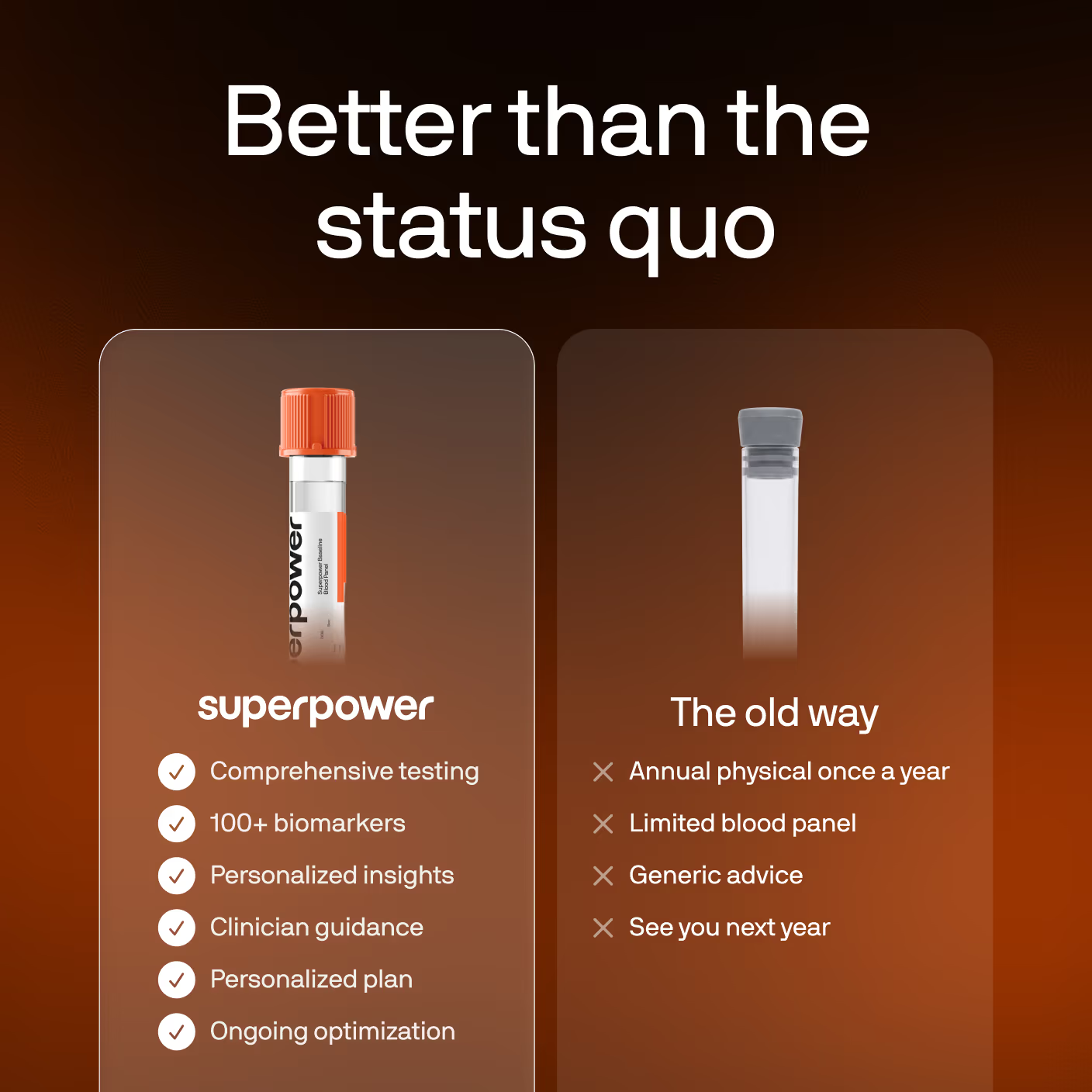
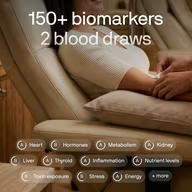
With hypothyroidism hair loss, a comprehensive blood test that reads your thyroid and iron numbers together is where to begin. A Superpower membership includes 100+ biomarkers in a single draw, among them TSH, total T4, ferritin, and iron. Superpower is a home for health, tracking those markers and supporting change with a personalized protocol, plus AI and care team support.
It's time to take control of your health. Start your Superpower membership and get your baseline in one draw.
References
- Hussein RS, Atia T, Bin Dayel S. Impact of thyroid dysfunction on hair disorders. *Cureus*. 2023;15(8):e43266. https://doi.org/10.7759/cureus.43266
- Chaker L, Bianco AC, Jonklaas J, Peeters RP. Hypothyroidism. *Lancet*. 2017;390(10101):1550-1562. https://doi.org/10.1016/S0140-6736(17)30703-1
- Bin Dayel S, Hussein RS, Atia T, Abahussein O, Al Yahya RS, Elsayed SH. Is thyroid dysfunction a common cause of telogen effluvium?: a retrospective study. *Medicine (Baltimore)*. 2024;103(1):e36803. https://doi.org/10.1097/MD.0000000000036803
- van Beek N, Bodó E, Kromminga A, et al. Thyroid hormones directly alter human hair follicle functions: anagen prolongation and stimulation of both hair matrix keratinocyte proliferation and hair pigmentation. *J Clin Endocrinol Metab*. 2008;93(11):4381-4388. https://doi.org/10.1210/jc.2008-0283
- Malkud S. Telogen effluvium: a review. *J Clin Diagn Res*. 2015;9(9):WE01-WE03. https://doi.org/10.7860/JCDR/2015/15219.6492
- National Institute of Arthritis and Musculoskeletal and Skin Diseases. Alopecia areata. National Institutes of Health. Reviewed August 2024. Accessed October 17, 2026.
- Treister-Goltzman Y, Yarza S, Peleg R. Iron deficiency and nonscarring alopecia in women: systematic review and meta-analysis. *Skin Appendage Disord*. 2022;8(2):83-92. https://doi.org/10.1159/000519952
- MedlinePlus. Female pattern baldness. National Library of Medicine. Reviewed January 28, 2026. Accessed October 17, 2026.
- National Institute of Diabetes and Digestive and Kidney Diseases. Hashimoto's disease. National Institutes of Health. Reviewed June 2021. Accessed October 17, 2026.
- Lee S, Lee YB, Kim BJ, Lee WS. Screening of thyroid function and autoantibodies in patients with alopecia areata: a systematic review and meta-analysis. *J Am Acad Dermatol*. 2019;80(5):1410-1413.e4. https://doi.org/10.1016/j.jaad.2018.10.066
- Chaker L, Papaleontiou M. Hypothyroidism: a review. *JAMA*. 2025;334(19):1750-1760. https://doi.org/10.1001/jama.2025.13559
- Favresse J, Burlacu MC, Maiter D, Gruson D. Interferences with thyroid function immunoassays: clinical implications and detection algorithm. *Endocr Rev*. 2018;39(5):830-850. https://doi.org/10.1210/er.2018-00119
- AbbVie Inc. SYNTHROID (levothyroxine sodium) tablets: prescribing information. DailyMed, National Library of Medicine. Revised February 2024. Accessed October 17, 2026.
- Biondi B, Cappola AR, Cooper DS. Subclinical hypothyroidism: a review. *JAMA*. 2019;322(2):153-160. https://doi.org/10.1001/jama.2019.9052
- Roos A, Links TP, de Jong-van den Berg LT, Gans RO, Wolffenbuttel BH, Bakker SJ. Thyroid peroxidase antibodies, levels of thyroid stimulating hormone and development of hypothyroidism in euthyroid subjects. *Eur J Intern Med*. 2010;21(6):555-559. https://doi.org/10.1016/j.ejim.2010.09.001










 Heart & Vascular Health
 Metabolic Health
 Energy
 Liver Health
 Kidney
 Sex Hormones
 Thyroid Health
 Nutrients
 Immune System
 Inflammation