


Measure your free T3 with the Thyroid Autoimmunity panel
Free T3 plus TPO and thyroglobulin antibodies in one draw
- CLIA-certified labs
- HIPAA compliant
- Personalized health protocol
How the free T3 optimal range differs from normal
A normal free triiodothyronine (free T3) range is the wide, population-derived band most healthy adults fall in, while an optimal range is narrower. In adults, normal runs about 2.1 to 4.4 pg/mL, varying slightly by lab. Some functional-medicine clinicians place the free T3 optimal range in the upper half of the lab's range. No agreed figure for optimal free T3 levels exists.
| Result | Free T3 (pg/mL) | What it describes |
|---|---|---|
| Below the reference range | Under 2.1 | Lower than the range most healthy adults fall in |
| Within the reference range | 2.1 to 4.4 | Nothing flagged, which says nothing about where in the range a level sits |
| Above the reference range | Over 4.4 | Higher than the range most healthy adults fall in |
A result can read normal yet sit near the bottom of the range, where the idea of an optimal band begins.
Where the optimal free T3 range comes from
The optimal free T3 band comes from functional-medicine convention rather than population data. Normal thyroid function is defined as the central 95% of a disease-free population.
Evidence on sitting higher in range is mixed, and much of it comes from people taking replacement thyroid hormone. In people taking levothyroxine for Hashimoto thyroiditis, an autoimmune thyroid condition, a lower free T3 within range was linked to worse quality of life. In 132 adults taking levothyroxine, in-range shifts in thyroid hormones and thyroid-stimulating hormone (TSH) showed no clinically relevant effect on health status. Levels depend on how the body makes free T3.
What free T3 does in the body
Free T3 is the unbound, active form that can enter your tissues, while most T3 in the blood stays bound to proteins. Free T3 reaches tissue in three steps:
- Thyroid releases T4: the gland's main product is thyroxine (T4), a prohormone that has to be activated.
- Tissues convert T4 to T3: deiodinase enzymes work mainly in the liver and in certain tissues.
- Unbound T3 enters cells: the free fraction leaves its carrier proteins to act.
Most circulating T3 is made outside the thyroid, from T4 converted in other tissues.
Low free T3 with normal TSH and free T4
Free T3 can run low while TSH and free T4 read normal. TSH and free T4 track the thyroid itself, while most T3 is made elsewhere. The pattern is one way labs read normal while someone feels unwell, though low free T3 is not proven to cause symptoms.
The Thyroid Autoimmunity panel measures free T3, but one result is only part of the picture. In an underactive thyroid, T3 is the last test to fall out of range, and free T3 measurement is often not reliable. Clinicians read T3 alongside TSH and T4, never on its own. With a healthy-looking thyroid, attention turns to what slows conversion.
What pushes free T3 toward the low end
Many influences on free T3 act on conversion, since the converting enzymes respond to outside signals.
- Severe illness: in serious illness, the most common hormone pattern is low free T3 with normal or low TSH and T4.
- Calorie restriction: lean adults restricting long term had lower serum T3 than controls, with similar TSH and T4.
- Inflammation: inflammatory pathways shift conversion-enzyme activity in specific organs.
- Selenium and iron: conversion relies on selenium-containing enzymes, and iron helps build thyroid hormone. It is not clear selenium deficiency lowers T3 in people.
- Zinc: evidence on zinc supplementation and thyroid hormones is inconclusive.
A level above the range has different causes.
Get 100+ biomarkers tested
One blood draw a year. A full picture of your health, explained in plain language.
Get 100+ biomarkers tested
One blood draw a year. A full picture of your health, explained in plain language.
What a high free T3 result means
A free T3 above the lab's range can point to an overactive thyroid, usually alongside a low or suppressed TSH.
When T3 is raised with a low TSH and a normal T4, the pattern is called T3 toxicosis. Other causes of a high T3 include toxic nodular goiter, a thyroid with overactive lumps; liver disease; and thyroid hormone medicines or supplements. A single reading also depends on how it was measured.
What can shift a single free T3 reading
A free T3 result can shift for reasons unrelated to the thyroid, so it is read against the lab's own reference limits.
- Lab method: some free T3 tests ran more than 20% off the consensus value.
- Units: 2.1 to 4.4 pg/mL equals 3.2 to 6.8 pmol/L.
- Age: free T3 levels fall with age, yet most ranges apply to all adults.
- Pregnancy and estrogen: thyroid hormone's carrier proteins change in pregnancy and with birth control pills.
- Biotin: this supplement can interfere with thyroid immunoassays.
Free T3 reads best beside other thyroid markers from the same draw.
Understand your thyroid markers with Superpower
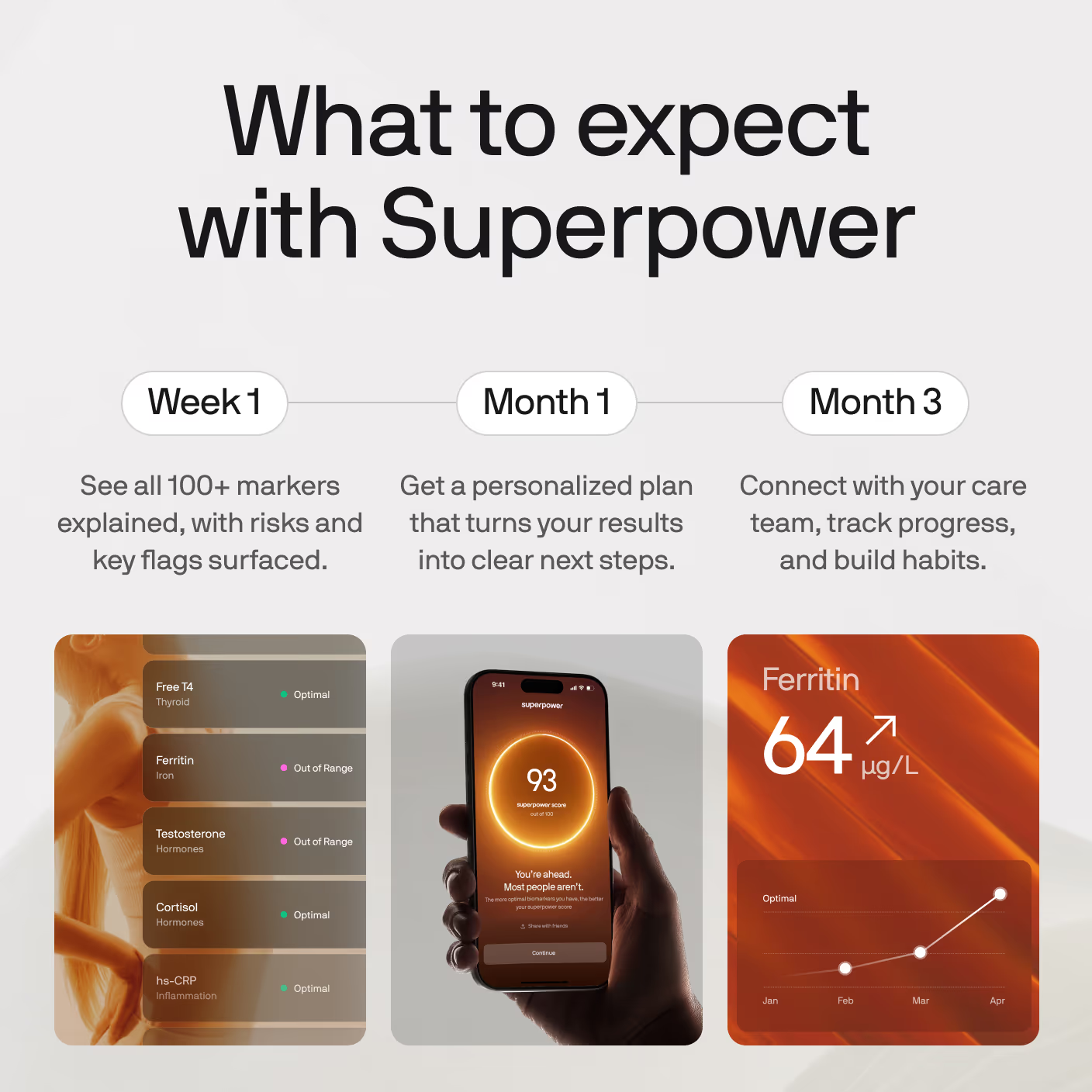
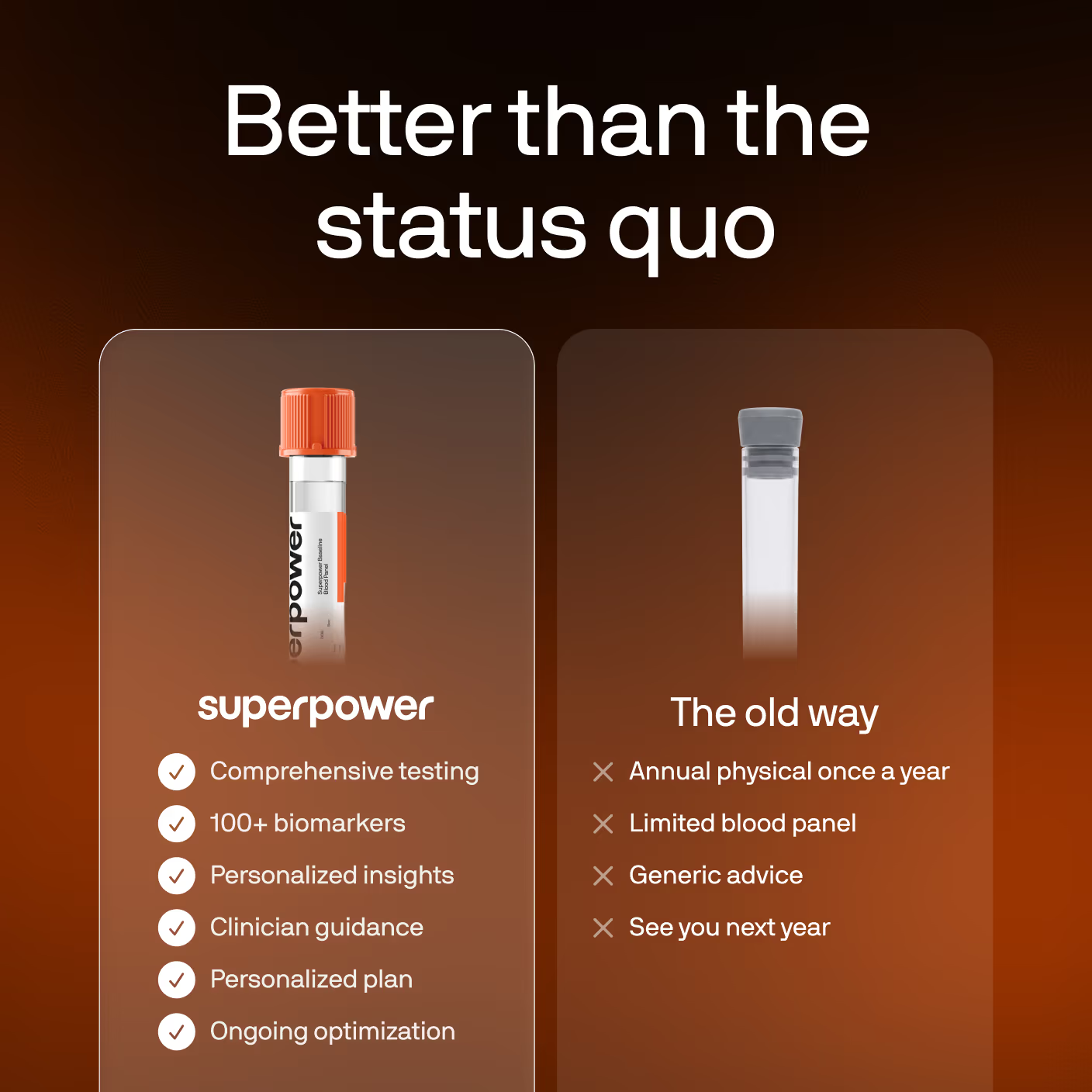
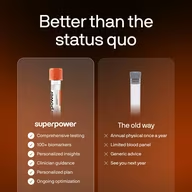
Making sense of a free T3 optimal range starts with a comprehensive blood test that puts your TSH beside your other results. A Superpower membership includes 100+ biomarkers in a single draw, TSH and iron among them. Superpower is a home for health, measuring those markers and helping improve them with a personalized protocol, plus AI and care team support.
Know where your thyroid stands. Start your Superpower membership and turn a single set of results into ongoing, on-demand support.
References
- MedlinePlus. T3 test. National Library of Medicine. Reviewed January 25, 2026. Accessed October 17, 2026.
- Taylor PN, Lansdown A, Witczak J, et al. Age-related variation in thyroid function - a narrative review highlighting important implications for research and clinical practice. *Thyroid Res*. 2023;16(1):7. https://doi.org/10.1186/s13044-023-00149-5
- Cui Z, Ding X, Bian N, et al. Relatively lower FT3 levels are associated with impaired quality of life in levothyroxine-treated patients with Hashimoto thyroiditis. *Int J Endocrinol*. 2022;2022:1918674. https://doi.org/10.1155/2022/1918674
- Samuels MH, Kolobova I, Smeraglio A, Niederhausen M, Janowsky JS, Schuff KG. Effect of thyroid function variations within the laboratory reference range on health status, mood, and cognition in levothyroxine-treated subjects. *Thyroid*. 2016;26(9):1173-1184. https://doi.org/10.1089/thy.2016.0141
- MedlinePlus. Triiodothyronine (T3) tests. National Library of Medicine. Updated January 10, 2024. Accessed October 17, 2026.
- Köhrle J. Local activation and inactivation of thyroid hormones: the deiodinase family. *Mol Cell Endocrinol*. 1999;151(1-2):103-119. https://doi.org/10.1016/s0303-7207(99)00040-4
- Woeber KA. Triiodothyronine production in Graves' hyperthyroidism. *Thyroid*. 2006;16(7):687-690. https://doi.org/10.1089/thy.2006.16.687
- American Thyroid Association. Thyroid function tests. Accessed October 17, 2026.
- Ganesan K, Anastasopoulou C, & Wadud K (2022). *Euthyroid sick syndrome*. StatPearls Publishing.
- Fontana L, Klein S, Holloszy JO, Premachandra BN. Effect of long-term calorie restriction with adequate protein and micronutrients on thyroid hormones. *J Clin Endocrinol Metab*. 2006;91(8):3232-3235. https://doi.org/10.1210/jc.2006-0328
- Fliers E, Boelen A. An update on non-thyroidal illness syndrome. *J Endocrinol Invest*. 2021;44(8):1597-1607. https://doi.org/10.1007/s40618-020-01482-4
- Köhrle J. Selenium, iodine and iron-essential trace elements for thyroid hormone synthesis and metabolism. *Int J Mol Sci*. 2023;24(4):3393. https://doi.org/10.3390/ijms24043393
- Beserra JB, Morais JBS, Severo JS, et al. Relation between zinc and thyroid hormones in humans: a systematic review. *Biol Trace Elem Res*. 2021;199(11):4092-4100. https://doi.org/10.1007/s12011-020-02562-5
- Mathew P, Kaur J, & Rawla P (2023). *Hyperthyroidism*. StatPearls Publishing.
- Giovannini S, Zucchelli GC, Iervasi G, et al. Multicentre comparison of free thyroid hormones immunoassays: the Immunocheck study. *Clin Chem Lab Med*. 2011;49(10):1669-1676. https://doi.org/10.1515/CCLM.2011.647
- Favresse J, Burlacu MC, Maiter D, Gruson D. Interferences with thyroid function immunoassays: clinical implications and detection algorithm. *Endocr Rev*. 2018;39(5):830-850. https://doi.org/10.1210/er.2018-00119















 Heart & Vascular Health
 Metabolic Health
 Energy
 Liver Health
 Kidney
 Sex Hormones
 Thyroid Health
 Nutrients
 Immune System
 Inflammation