


Understand what your digestive health supplements results really mean
See your biomarkers in context with a comprehensive panel.
- CLIA-certified labs
- HIPAA compliant
- Personalized health protocol
What antibiotics actually do to your gut microbiome
Antibiotics work by targeting bacterial cell walls, protein synthesis, or DNA replication. The problem is that these mechanisms don't distinguish between the Streptococcus causing your sinus infection and the Bifidobacterium maintaining your gut lining. Broad-spectrum antibiotics, in particular, act like a scorched-earth policy, reducing bacterial diversity across the board.1
Within three to four days of starting treatment, gut bacterial populations can drop by as much as 90 percent. The species that survive are often those with antibiotic resistance genes, which can proliferate unchecked in the absence of competition. This creates a selective pressure that favors resistant strains and disrupts the balance between beneficial and opportunistic organisms.2
The collateral damage extends beyond bacterial counts:
- Antibiotics increase intestinal permeability by weakening tight junctions between epithelial cells.
- They reduce production of short-chain fatty acids like butyrate, which fuel colonocytes and regulate immune signaling.
- The result is a gut environment that's inflamed, less resilient, and more susceptible to overgrowth by pathogens like Clostridioides difficile.3
How long recovery actually takes, and what influences it
The timeline for gut microbiome recovery is not uniform. For most people, bacterial diversity begins to rebound within two to four weeks after finishing antibiotics. However, full restoration to baseline can take anywhere from two months to over a year, and in some cases, certain species never fully recover.4
Several factors determine how quickly your gut bounces back:
- The type of antibiotic matters: fluoroquinolones and clindamycin cause more profound and lasting disruption than narrow-spectrum penicillins.
- Duration of treatment plays a role; a seven-day course causes less damage than 14 days, though both can leave lasting imprints.
- Repeated courses compound the problem, with each round making recovery slower and less complete.5
Your baseline microbiome composition before antibiotics is another critical variable. Individuals with higher pre-treatment diversity tend to recover faster. Diet during and after treatment significantly influences outcomes: fiber-rich, plant-based diets accelerate recovery, while low-fiber, high-sugar diets prolong dysbiosis. Age, stress, and concurrent medications like proton pump inhibitors also slow the restoration process.6
Which probiotic strains are actually supported by evidence
Not all probiotics are created equal, and the strain matters far more than the marketing. Two organisms have the most robust clinical evidence for reducing antibiotic-associated diarrhea and supporting microbiome recovery: Saccharomyces boulardii and Lactobacillus rhamnosus GG.
Saccharomyces boulardii
Saccharomyces boulardii is a probiotic yeast, not a bacterium, which means it's unaffected by antibiotics. This makes it uniquely suited for concurrent use during antibiotic treatment. Multiple randomized controlled trials show that S. boulardii reduces the incidence of antibiotic-associated diarrhea by approximately 50 percent. It works by producing proteases that degrade bacterial toxins, enhancing secretory IgA production, and restoring short-chain fatty acid levels.7
The effective dose in clinical trials is typically 250 to 500 mg twice daily, started at the beginning of antibiotic therapy and continued for one to two weeks after completion (2020 rct). S. boulardii is particularly effective against Clostridioides difficile infection, reducing recurrence rates when used alongside standard antibiotic treatment.8
Lactobacillus rhamnosus GG
Lactobacillus rhamnosus GG is one of the most extensively studied bacterial probiotic strains. It adheres well to intestinal mucosa, produces antimicrobial substances, and modulates immune responses. Meta-analyses show that L. rhamnosus GG reduces antibiotic-associated diarrhea in both children and adults, with a number needed to treat of approximately seven.9
The typical dose is 10 billion colony-forming units daily, taken during and for at least one week after antibiotic therapy. Timing matters: taking the probiotic at least two hours apart from the antibiotic dose maximizes survival of the bacterial strain.
What doesn't work as well
Recent research suggests that some multi-strain probiotic formulations may actually delay microbiome recovery rather than accelerate it (2022 rct). A 2018 study in Cell found that generic probiotic supplementation post-antibiotics slowed the return of native gut bacteria compared to no intervention. The mechanism appears to involve colonization resistance: the introduced probiotic strains occupy niches that would otherwise be filled by returning native species.10
This doesn't mean all probiotics are counterproductive, but it underscores the importance of strain specificity and evidence-based selection. Generic "probiotic blends" without clinical trial data should be approached with caution.
The role of prebiotic fiber in accelerating recovery
Probiotics after antibiotics are only half the equation. Prebiotics (the non-digestible fibers that feed beneficial bacteria) are equally critical for restoration. Without adequate substrate, even the best probiotic strains struggle to establish and proliferate.
Prebiotics work by selectively stimulating the growth and activity of beneficial bacteria, particularly Bifidobacterium and Lactobacillus species. They're fermented in the colon to produce short-chain fatty acids, which lower colonic pH, inhibit pathogen growth, and provide energy to colonocytes. some research suggests that combining prebiotics with probiotics accelerates microbiome recovery by 40 to 60 percent compared to probiotics alone.11
The most effective prebiotic fibers include inulin, fructooligosaccharides, galactooligosaccharides, and resistant starch. Food sources rich in these compounds include:
- Garlic, onions, leeks, asparagus, and Jerusalem artichokes provide inulin and fructooligosaccharides.
- Chicory root is one of the richest sources of prebiotic fiber available.
- Green bananas, cooked and cooled potatoes and rice offer resistant starch.
- Oats, barley, and flaxseeds contribute beta-glucans and other fermentable fibers.12
Aim for 25 to 35 grams of total fiber daily, with at least 10 grams coming from prebiotic-rich sources. Introduce fiber gradually if your gut is sensitive post-antibiotics; a sudden increase can cause bloating and gas as your microbiome adjusts. Fermented foods like yogurt, kefir, sauerkraut, kimchi, miso, and kombucha provide both live bacteria and the metabolic byproducts of fermentation. While the bacterial strains in fermented foods don't typically colonize the gut long-term, they exert transient beneficial effects on immune function and can help crowd out opportunistic pathogens during the recovery window.13
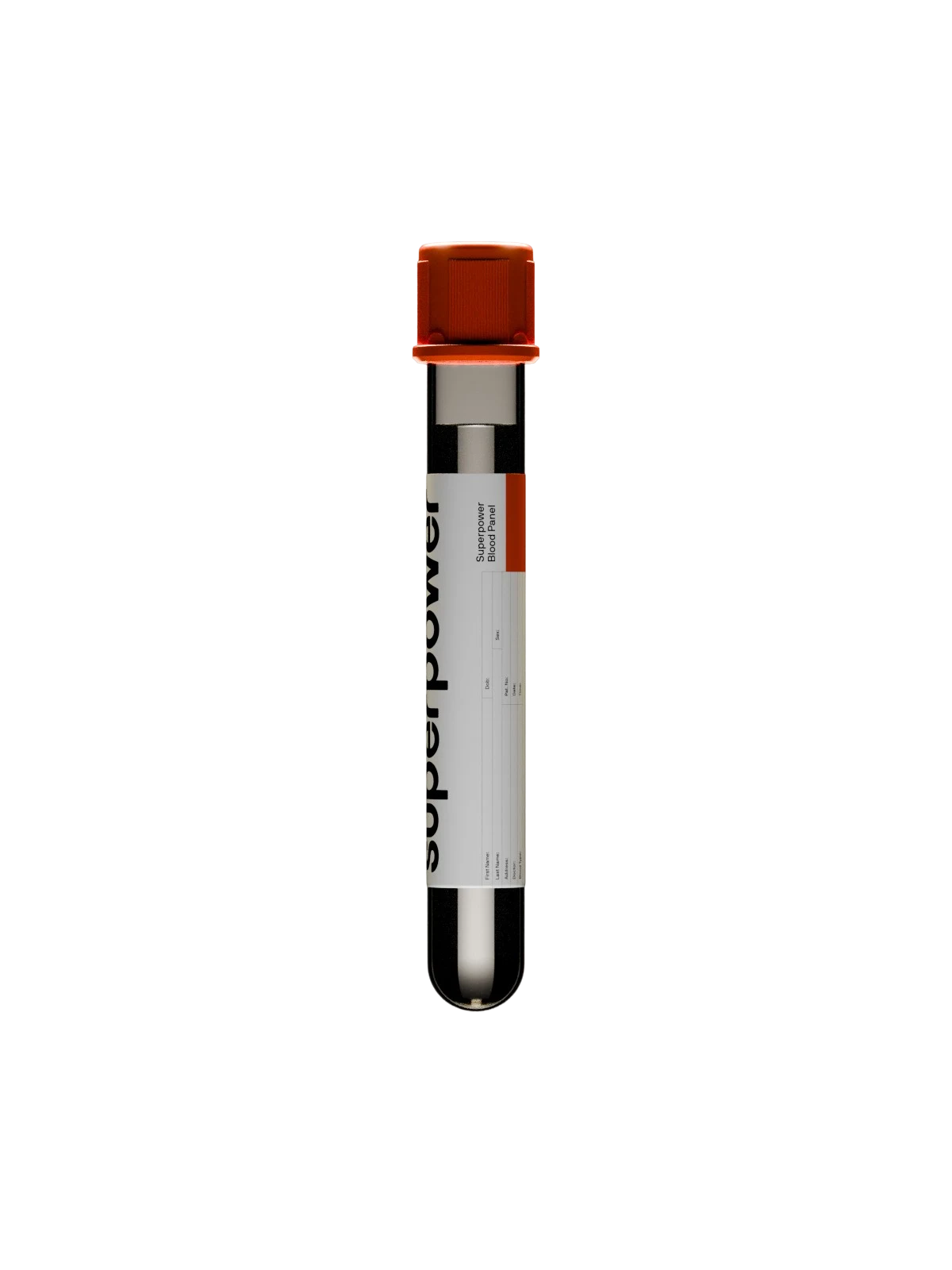
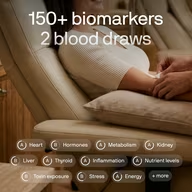
Test 150+ biomarkers
Two blood draws. A full picture of your health, explained in plain language.
Test 150+ biomarkers
Two blood draws. A full picture of your health, explained in plain language.
Who needs extra support, and who should be cautious
Not everyone responds to antibiotics the same way, and certain populations are at higher risk for prolonged dysbiosis or complications.
Individuals who have taken multiple courses of antibiotics (especially broad-spectrum agents like fluoroquinolones or clindamycin) are at elevated risk for incomplete recovery. Older adults experience slower microbiome restoration due to age-related changes in gut motility, immune function, and dietary diversity. People with pre-existing gut conditions like inflammatory bowel disease, irritable bowel syndrome, or small intestinal bacterial overgrowth are more vulnerable to antibiotic-induced flares.14
Those on concurrent medications that affect the gut (including proton pump inhibitors, metformin, or NSAIDs) face compounded disruption. Immunocompromised individuals, including those on chemotherapy or immunosuppressive therapy, are at higher risk for opportunistic infections like C. difficile during the recovery period.
Probiotics are generally safe, but there are exceptions. Individuals with central venous catheters, severely compromised immune systems, or short bowel syndrome should avoid live probiotic supplementation due to the risk of bacteremia or fungemia. S. boulardii, while generally well-tolerated, should be used cautiously in critically ill patients or those with indwelling catheters, as rare cases of fungemia have been reported.15
If you experience severe bloating, abdominal pain, or worsening symptoms after starting a probiotic, discontinue use and consult a healthcare provider. These symptoms may indicate small intestinal bacterial overgrowth or an inappropriate strain for your individual microbiome.
Testing your recovery: Biomarkers that tell the real story
Symptom relief is important, but it's an incomplete picture. Objective biomarkers provide a more accurate read on whether your gut is truly recovering or still struggling.
High-sensitivity C-reactive protein (hsCRP) is a sensitive marker of systemic inflammation. Elevated hsCRP after antibiotics suggests ongoing gut barrier dysfunction and immune activation. Erythrocyte sedimentation rate (ESR) can also reflect persistent inflammation, though it's less specific than hsCRP.16
Ferritin reflects iron stores, which can be depleted if gut inflammation impairs absorption. However, ferritin is also an acute-phase reactant, so it should be interpreted alongside hsCRP. Low ferritin with low hsCRP suggests true iron deficiency; elevated ferritin with elevated hsCRP suggests inflammation masking deficiency.17
Vitamin B12 and folate levels can drop if antibiotic-induced dysbiosis disrupts bacterial synthesis or absorption in the ileum. Magnesium (often depleted by diarrhea) is best measured as RBC magnesium rather than serum magnesium, which misses intracellular deficiency.18
White blood cell differentials (particularly lymphocyte and neutrophil counts) provide insight into immune recovery. Fasting glucose, HbA1c, and insulin can reveal whether metabolic function has been disrupted; emerging research links gut dysbiosis to insulin resistance and glucose dysregulation.19
Seeing these markers together, rather than in isolation, gives you a complete picture of how well your body is recovering from the antibiotic insult.
Building a gut-first recovery plan
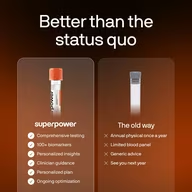
Restoring your gut after antibiotics isn't about a single supplement or food. It's about creating an environment where beneficial bacteria can recolonize, thrive, and outcompete opportunistic organisms. That means combining evidence-based probiotics like Saccharomyces boulardii or Lactobacillus rhamnosus GG with prebiotic-rich foods, adequate hydration, stress management, and sleep. It also means testing the markers that reveal whether your gut barrier, immune function, and nutrient status are actually recovering. Superpower's 150+ biomarker panel includes the inflammation, nutrient, and metabolic markers that tell you whether your restoration strategy is working or whether you need to adjust course. Rebuilding your microbiome isn't guesswork. It's measurable, and it starts with knowing where you actually stand.
Frequently Asked Questions
References
- Sciencedirect. (n.d.). *Pii*. https://sciencedirect.com/science/article/pii/S2590097824000090
- Suvvari TK, Vallurupalli V, Koneru KS, Ingawale S, Yegurla RR (2025). The Lasting Imprint of Antibiotics on Gut Microbiota: Exploring Long-Term Consequences and Therapeutic Interventions. *Cureus*, *17*(5), e84114. https://doi.org/10.7759/cureus.84114
- Gutmicrobiotaforhealth. (2024). *What you need to know about the effects of antibiotics on the gut microbiome and how to recover after taking them*. https://gutmicrobiotaforhealth.com/what-you-need-to-know-about-the-effects-of-antibiotics-on-the-gut-microbiome-and-how-to-recover-after-taking-them
- Ng KM, Aranda-Díaz A, Tropini C, Frankel MR, Van Treuren W, O'Loughlin CT, Merrill BD, Yu FB, Pruss KM, Oliveira RA, Higginbottom SK, Neff NF, Fischbach MA, Xavier KB, Sonnenburg JL, Huang KC (2019). Recovery of the Gut Microbiota after Antibiotics Depends on Host Diet, Community Context, and Environmental Reservoirs. *Cell host & microbe*, *26*(5), 650-665.e4. https://doi.org/10.1016/j.chom.2019.10.011
- Hong Y, Li H, Chen L, Su H, Zhang B, Luo Y, Li C, Zhao Z, Shao Y, Guo L (2024). Short-term exposure to antibiotics begets long-term disturbance in gut microbial metabolism and molecular ecological networks. *Microbiome*, *12*(1), 80. https://doi.org/10.1186/s40168-024-01795-z
- Uclahealth. (n.d.). *Antibiotics can temporarily wipe out the gut microbiome*. https://uclahealth.org/news/article/antibiotics-can-temporarily-wipe-out-gut-microbiome
- Szajewska H, Kołodziej M (2015). Systematic review with meta-analysis: Saccharomyces boulardii in the prevention of antibiotic-associated diarrhoea. *Alimentary pharmacology & therapeutics*, *42*(7), 793-801. https://doi.org/10.1111/apt.13344
- Suzuki S, Gotoda T, Kusano C, Ikehara H, Ichijima R, Ohyauchi M, Ito H, Kawamura M, Ogata Y, Ohtaka M, Nakahara M, Kawabe K (2020). Seven-day vonoprazan and low-dose amoxicillin dual therapy as first-line. *Gut*, *69*(6), 1019-1026. https://doi.org/10.1136/gutjnl-2019-319954
- Katz JA (2006). Probiotics for the prevention of antibiotic-associated diarrhea and Clostridium difficile diarrhea. *Journal of clinical gastroenterology*, *40*(3), 249-55. https://doi.org/10.1097/00004836-200603000-00017
- Org. (n.d.). *RACGP - The Royal Australian College of General Practitioners*. https://racgp.org.au/clinical-resources/clinical-guidelines/handi/handi-interventions/nutrition/probiotics-for-the-prevention-of-antibiotic
- FitzGerald J, Patel S, Eckenberger J, Guillemard E, Veiga P, Schäfer F, Walter J, Claesson MJ, Derrien M (2022). Improved gut microbiome recovery following drug therapy is linked to abundance and replication of probiotic strains. *Gut microbes*, *14*(1), 2094664. https://doi.org/10.1080/19490976.2022.2094664
- Sciencedirect. (n.d.). *Pii*. https://sciencedirect.com/science/article/pii/S0092867418311085
- Doctronic. (n.d.). *Best Probiotic Foods For Antibiotic Recovery: Restore Your Gut Health Naturally*. https://doctronic.ai/blog/best-probiotic-foods-for-antibiotic-recovery
- Wellbeingnutrition. (n.d.). *Prebiotics After Antibiotics: Your Complete Guide*. https://wellbeingnutrition.com/blogs/gut-detox-cleanse/prebiotics-after-antibiotics-your-complete-guide
- Healthline. (n.d.). *What You Should Eat During and After Antibiotics*. https://healthline.com/nutrition/what-to-eat-antibiotics
- Uniteddigestive. (2025). *Healing Your Gut After Antibiotics: Steps for Restoring Balance*. https://uniteddigestive.com/healing-your-gut-after-antibiotics
- Waitzberg D, Guarner F, Hojsak I, Ianiro G, Polk DB, Sokol H (2024). Can the Evidence-Based Use of Probiotics (Notably Saccharomyces boulardii CNCM I-745 and Lactobacillus rhamnosus GG) Mitigate the Clinical Effects of Antibiotic-Associated Dysbiosis?. *Advances in therapy*, *41*(3), 901-914. https://doi.org/10.1007/s12325-024-02783-3









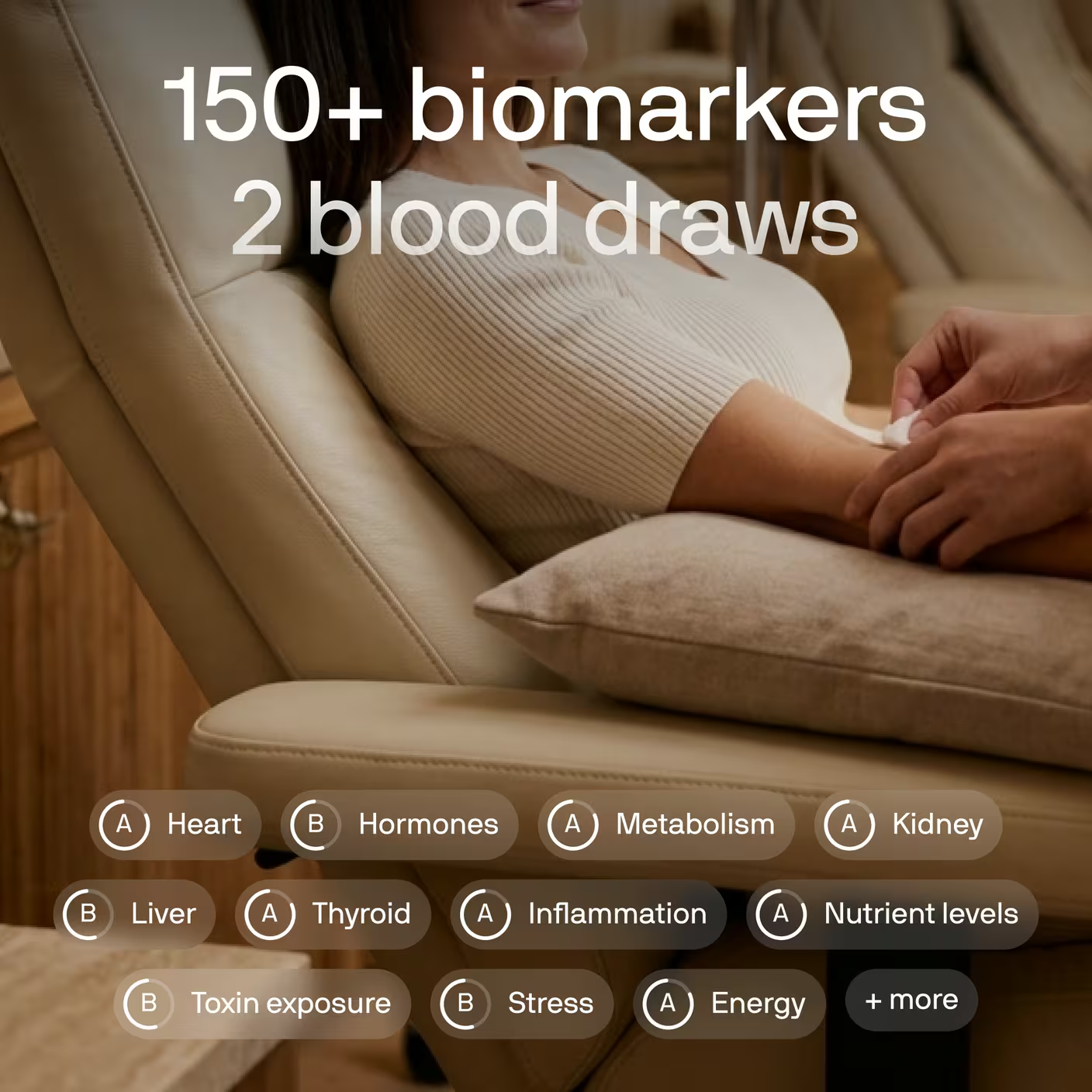




 Heart & Vascular Health
 Metabolic Health
 Energy
 Liver Health
 Kidney
 Sex Hormones
 Thyroid Health
 Nutrients
 Immune System
 Inflammation