


Understand the hormone and metabolic markers behind ovarian cysts
See your biomarkers in context with a comprehensive panel.
- CLIA-certified labs
- HIPAA compliant
- Personalized health protocol
The foods most worth limiting with ovarian cysts are refined sugars, refined carbs, fried foods, red and processed meat, alcohol, excess caffeine, and high-sodium processed foods.
The specific foods that worsen ovarian cysts
Not every food affects every woman the same way, but research and clinical observation point to clear patterns.
| Food group | Examples | Why it matters | Swap |
|---|---|---|---|
| Refined sugars and processed carbohydrates | White bread, pastries, sugary cereals, candy, soda, and packaged snacks | Rapid glucose surges drive insulin release; over time this leads to insulin resistance, which promotes androgen excess | High-fiber foods and berries |
| Fried and heavily processed foods | French fries, potato chips, and fried chicken | Trans fats and oxidized oils raise inflammatory markers and worsen insulin sensitivity | Fatty fish and leafy greens |
| Red and processed meats | Beef, pork, lamb, hot dogs, bacon, and deli meats | Saturated fat promotes insulin resistance and inflammation; processed meats add nitrates and preservatives | Fatty fish |
| Alcohol | Any alcoholic drink | Slows the liver's estrogen clearance, raises inflammation, and can worsen insulin sensitivity | Limit or avoid |
| Excess caffeine | Coffee, energy drinks, and caffeinated sodas | Stimulates cortisol release, which disrupts the hypothalamic-pituitary-ovarian axis; can intensify pelvic pain in some women | Cut back |
| High-sodium processed foods | Canned soups, frozen meals, packaged snacks, and fast food | Worsens fluid retention and bloating, which are already common with ovarian cysts | Leafy greens and high-fiber foods |
One case-control study found an association between red meat consumption and increased risk of seromucinous benign ovarian cysts (Chiaffarino et al., 2003), though evidence for other cyst types is limited. Research on caffeine and estrogen shows mixed results that vary by race, ethnicity, and the type of caffeinated beverage consumed.
What ovarian cysts actually do in your body
Ovarian cysts are fluid-filled sacs that develop on or inside the ovaries. Most are functional cysts that form during the normal menstrual cycle when a follicle either fails to release an egg or doesn't dissolve after ovulation. These typically resolve on their own within a few cycles. But some cysts persist, grow larger, or develop in patterns that signal underlying hormonal dysfunction, particularly in conditions like polycystic ovary syndrome. Sudden, severe abdominal pain, pain with fever and vomiting, faintness, dizziness, or rapid breathing can mean a cyst has ruptured and needs medical help right away, and pain with nausea and vomiting can mean a cyst has twisted the ovary (torsion).
The presence of ovarian cysts reflects what's happening hormonally. Insulin resistance drives many cases of persistent cysts by elevating androgens like testosterone , which interfere with normal follicle development. Chronic low-grade inflammation creates an environment where cysts are more likely to form and less likely to resolve. Estrogen dominance relative to progesterone can prevent proper follicle maturation and corpus luteum formation. What you eat directly influences all three of these mechanisms.
How diet affects hormones, inflammation, and cyst formation
The foods you consume send signals that either stabilize or destabilize the hormonal and metabolic systems governing ovarian function.
Insulin and androgen production
When you eat refined carbohydrates or added sugars, your blood glucose spikes rapidly. Your pancreas responds by releasing insulin, which shuttles glucose into cells. But chronically elevated insulin does something else: it stimulates the ovaries to produce more androgens. These male hormones disrupt the delicate balance needed for normal ovulation, contributing to the formation and persistence of cysts. Insulin also reduces sex hormone-binding globulin , the protein that keeps testosterone inactive in the bloodstream, leaving more free testosterone circulating.
Inflammatory pathways
Certain dietary fats, particularly trans fats and excessive omega-6 fatty acids from processed oils, activate inflammatory signaling molecules called cytokines. Chronic inflammation interferes with ovarian tissue function and has been linked to conditions like endometriosis and PCOS, both of which involve abnormal cyst development. High-sensitivity C-reactive protein, a marker of systemic inflammation, is often elevated in women with ovarian cysts.
Estrogen metabolism
Your liver processes and clears estrogen from your body. Alcohol, excess sugar, and a diet low in fiber all impair this detoxification process, allowing estrogen to recirculate and accumulate. Elevated estrogen without adequate progesterone to balance it can promote the growth of certain types of cysts and worsen symptoms like bloating and breast tenderness.
Why ovarian cyst diets aren't one-size-fits-all
Two women with ovarian cysts can follow identical diets and see completely different outcomes. This variation reflects differences in genetics, metabolic health, gut microbiome composition, and the underlying cause of the cysts.
Insulin sensitivity and metabolic health
Women with insulin resistance or prediabetes are far more sensitive to carbohydrate intake than those with normal insulin function. A woman with a hemoglobin A1c of 5.9% will respond very differently to a bowl of white rice than someone with an A1c of 5.1%. Insulin resistance amplifies the hormonal disruption caused by high-glycemic foods.
Inflammatory baseline
Some women have chronically elevated inflammatory markers due to factors like gut dysbiosis, autoimmune conditions, or chronic stress. For these individuals, even small amounts of inflammatory foods can tip the balance. Others have robust anti-inflammatory systems and can tolerate occasional dietary indiscretions without noticeable symptom flare-ups. Measuring markers like hs-CRP and erythrocyte sedimentation rate helps clarify where you stand.
Hormonal patterns
The type of hormonal imbalance driving cyst formation varies. Some women have high androgens with normal estrogen. Others have estrogen dominance with low progesterone. Still others have elevated prolactin or thyroid dysfunction. Each pattern responds differently to dietary interventions. Women with high androgens benefit most from reducing insulin-spiking foods. Those with estrogen dominance need to focus on liver support and fiber intake to improve estrogen clearance.
Gut microbiome differences
Your gut bacteria influence how you metabolize hormones, particularly estrogen. Certain bacterial strains produce an enzyme called beta-glucuronidase, which reactivates estrogen that the liver has already processed for elimination. Women with high levels of these bacteria may struggle with estrogen dominance even on a clean diet. Gut microbiome testing can reveal whether dysbiosis is contributing to hormonal issues.
Coexisting conditions
Women with PCOS, endometriosis, or thyroid disorders face additional layers of complexity. For example, women with both PCOS and hypothyroidism need to be particularly cautious with goitrogenic foods like raw cruciferous vegetables in large amounts, as these can interfere with thyroid function when iodine intake is low.
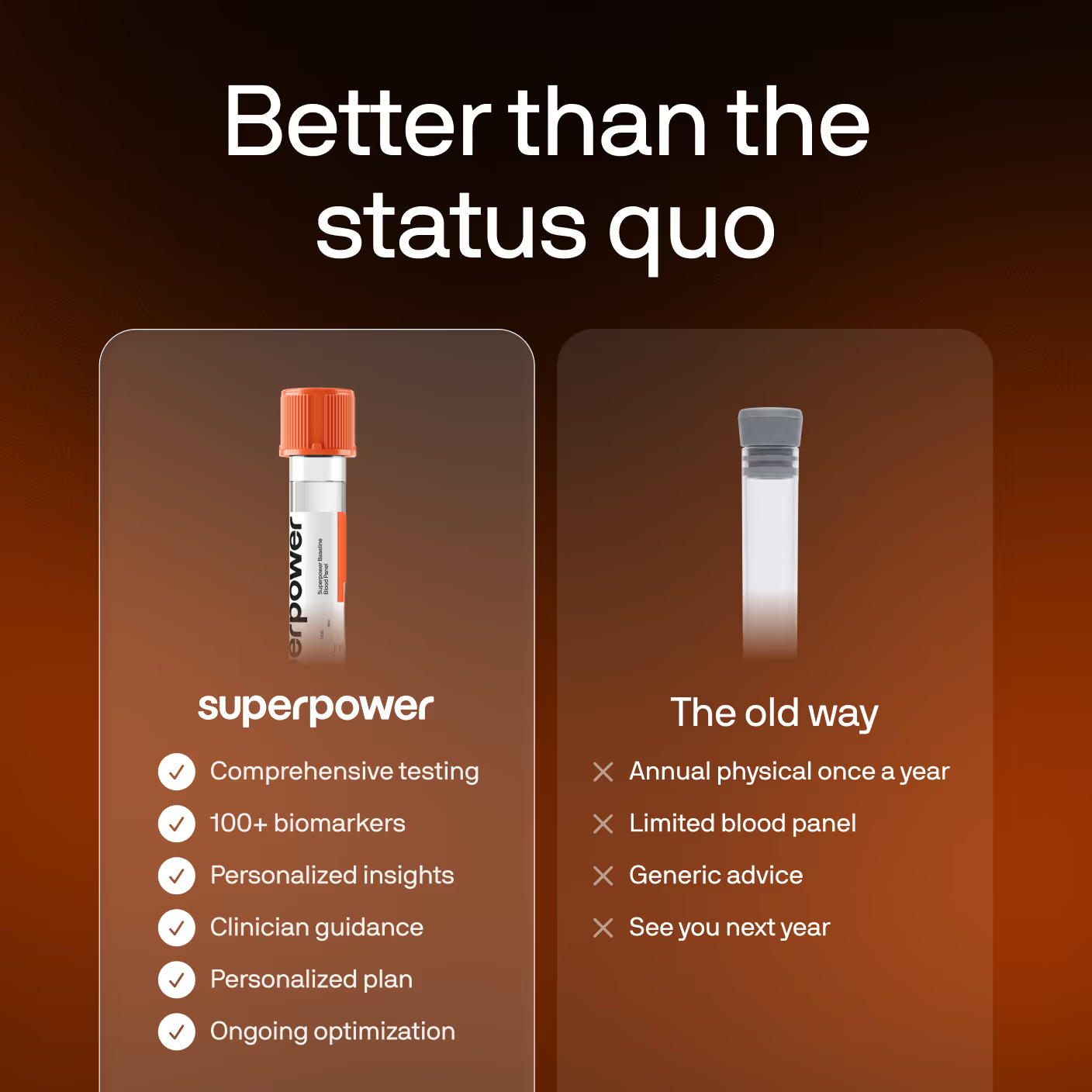
Test 100+ biomarkers
One blood draw. A full picture of your health, explained in plain language.
Test 100+ biomarkers
One blood draw. A full picture of your health, explained in plain language.
Turning dietary awareness into measurable progress
Knowing which foods to avoid is only part of the equation. The real value comes from tracking how dietary changes affect your body's underlying physiology. Symptoms like bloating and pelvic pain are subjective and influenced by many factors. Biomarkers provide objective data.
Start with fasting glucose and fasting insulin. These reveal how your body handles blood sugar and whether insulin resistance is driving cyst formation. The triglyceride-glucose index offers another window into metabolic health.
Inflammatory markers like hs-CRP and the neutrophil-to-lymphocyte ratio show whether chronic inflammation is present. Elevated inflammation often improves within weeks of removing processed foods and inflammatory fats from the diet.
Hormone panels that include total testosterone, free testosterone, estradiol, and progesterone help identify which hormonal imbalance is at play. Sex hormone-binding globulin is particularly useful because it rises as insulin sensitivity improves, indicating better androgen regulation.
Thyroid function matters too, especially for women with coexisting thyroid issues. TSH, free T4, and free T3 should be monitored if you're navigating both ovarian cysts and thyroid dysfunction.
Repeat testing every three to six months provides a clear picture of progress. A drop in fasting insulin, a reduction in hs-CRP, or a rise in SHBG confirms that your dietary changes are working at a physiological level, even before symptoms fully resolve.
How Superpower helps you monitor your diet's effect
Managing ovarian cysts through diet isn't about guessing which foods might be problematic. It's about understanding your body's specific metabolic and hormonal patterns, then adjusting accordingly. Superpower's 100+ biomarker panel gives you the data to see exactly how blood sugar, inflammation, and hormone levels are responding to the changes you make. You're not just avoiding certain foods and hoping for the best. You're tracking the TyG index, hs-CRP, testosterone, and other markers that directly influence cyst formation and symptoms. When you know your numbers, you can make informed decisions about which dietary strategies are actually moving you toward better ovarian health.
Frequently Asked Questions
References
- Rojas J, Chávez M, Olivar L, Rojas M, Morillo J, Mejías J, Calvo M, Bermúdez V (2014). Polycystic ovary syndrome, insulin resistance, and obesity: navigating the pathophysiologic labyrinth. *International journal of reproductive medicine*, *2014*, 719050. https://doi.org/10.1155/2014/719050
- Purwar A, Nagpure S (2022). Insulin Resistance in Polycystic Ovarian Syndrome. *Cureus*, *14*(10), e30351. https://doi.org/10.7759/cureus.30351
- Chiaffarino F, Parazzini F, Surace M, Benzi G, Chiantera V, La Vecchia C (2003). Diet and risk of seromucinous benign ovarian cysts. *European journal of obstetrics, gynecology, and reproductive biology*, *110*(2), 196-200. https://doi.org/10.1016/s0301-2115(03)00115-5
- Schliep KC, Schisterman EF, Mumford SL, Pollack AZ, Zhang C, Ye A, Stanford JB, Hammoud AO, Porucznik CA, Wactawski-Wende J (2012). Caffeinated beverage intake and reproductive hormones among premenopausal women in the BioCycle Study. *The American journal of clinical nutrition*, *95*(2), 488-97. https://doi.org/10.3945/ajcn.111.021287
- Thakkar NV, Jain SM (2010). A comparative study of DNA damage in patients suffering from diabetes and thyroid dysfunction and complications. *Clinical pharmacology : advances and applications*, *2*, 199-205. https://doi.org/10.2147/CPAA.S11366
- Office on Women's Health, U.S. Department of Health and Human Services. (2021). *Ovarian cysts*. https://www.womenshealth.gov/a-z-topics/ovarian-cysts






















 Heart & Vascular Health
 Metabolic Health
 Energy
 Liver Health
 Kidney
 Sex Hormones
 Thyroid Health
 Nutrients
 Immune System
 Inflammation