.svg)

Here’s what the science really says about how much sleep we need
Eight hours of sleep is the most famous prescription. But what is it about that amount of time that's so good for our health?
Day in and day out, eight hours a night adds up to a lot of time spent in bed: About a third of our lives. So, is it really worth the investment? Here’s what scientists know — and don’t know — about sleep and how to get the best possible night of rest.
First, What Exactly is Sleep?
Sleep is a near-universal biological function and almost every animal on Earth needs it. Even jellyfish, which have no brains at all, regularly enter a sleep-like state of reduced activity. For humans, scientists define sleep as a state of reduced responsiveness characterized by changes in brain wave activity, muscle tone, and eye movement, along with shifts in physiological markers like lowered heart rate and body temperature.
Researchers didn’t begin studying sleep in earnest until the early 1900s when Hans Berger, a German psychiatrist, invented the electroencephalogram (also known as an EEG) and used it to record the first human brain electrical activity. His findings, published in 1929, showed that different mental states, like being alert or relaxed, produced distinct brain wave patterns.

Later, in 1953, a pair of researchers at the University of Chicago — Nathaniel Kleitman and his graduate student, Eugene Aserinsky — who were studying eye movements during sleep observed there was a period of sleep that produced what they called rapid eye movement (REM). They noticed that it occurred several times throughout the night, was associated with dreaming, and had a brain activity pattern that was similar to wakefulness.
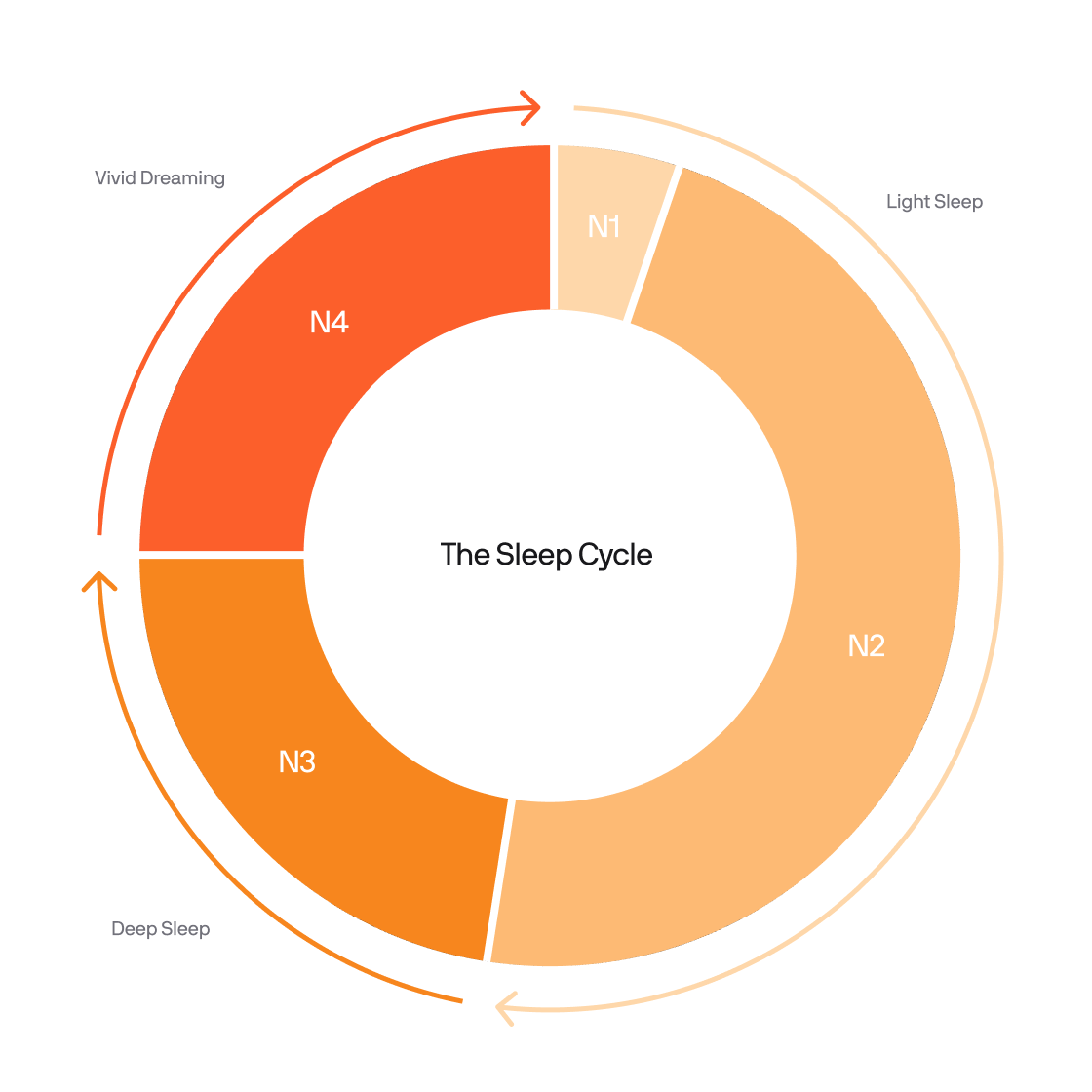
The discovery of the EEG and sleep patterns as well as REM sleep solidified for scientists that sleep was not just a passive activity. It was active, and occurred in multiple phases. Scientists now know that sleep happens in repeating cycles of four stages: N1, the lightest sleep stage, followed by N2, deeper sleep, N3, the deepest sleep cycle, all followed by REM, which is when the brain is most active and when vivid dreaming occurs.
All of this led the way for sleep researchers to begin to dig into what was going on inside the body when we rested, how much rest was needed, and what happens when we don’t get the sleep we need.
So, Do I Really Need Eight Hours?
As for those eight hours, it turns out there is a lot of research behind that number.
Scientists’ first hint that eight hours of sleep might be ideal came from a strange study. In 1938, the same research pair from the University of Chicago that discovered rapid eye movement sleep embarked on a bizarre experiment. In an attempt to better understand the circadian rhythm (our internal clock that regulates the sleep-wake cycle), the researchers spent 32 days alone together living in Mammoth Cave in Kentucky, with no access to sunlight.
During their time there, they allowed themselves to eat, sleep, exercise, and move whenever they wanted, and they recorded all of their activity, including when they went to bed and when they woke up. By the end of their month-long experiment, they found that even in a place completely devoid of sunlight (which can wake us up even when we desperately want to sleep in more) they slept on average eight to eight and a half hours each night.
Later on, in the early 2000s, a pair of researchers confirmed what Kleitman and Aserinsky had found. They took research participants into a sleep lab without sunlight and allowed them to sleep for up to nine hours for a week- long period. The researchers found that even with up to nine hours allotted for sleep every night, the average amount of sleep was eight hours.
While there is still a lot to learn about sleep and what is happening during those eight hours, these studies, and others like them, have made scientists confident that eight hours a night is what most adults should aim for.
Do Some People Need More Sleep Than Others?
We all have that one person in our lives who can somehow get by with just six hours (or less) of sleep each night. While the general consensus among sleep scientists is that most people need about eight hours a night, researchers are beginning to understand that there may be some genetic factors that make a certain percentage of people able to get away with less sleep.
For example, scientists have found that people with a mutation in the DEC2 gene (also known as BHLHE41) can feel well-rested with significantly less sleep than the rest of us. The DEC2 gene is involved in regulating the circadian rhythm and, consequently, how long we naturally stay asleep. Scientists have dubbed the condition associated with having a DEC2 mutation as Familial Natural Short Sleep (FNSS). Most people with FNSS can get away with an average of six hours of sleep, or even less, without feeling any negative consequences. While this condition occurs in less than one percent of the population, scientists surmise that there might be even more genetic mutations like this that they have yet to discover.
Outside of genetics, sleep needs can vary based on factors like age, health status, and lifestyle. And recently, there's been numerous articles suggesting women may need more sleep, perhaps due to hormonal differences, among other factors. For instance, scientists know that the hormone progesterone plays a key role in sleep regulation. However, there has yet to be any good evidence to suggest women need substantially more sleep than men do.
What Happens When I Don’t Sleep Enough?
While we can get away with the occasional bad night of rest or two, that doesn’t mean that those lost hours don’t affect us. Studies suggest that even a small amount of sleep deprivation each night can affect our cognitive performance the next day. For example, researchers have found that just a couple hours of lost sleep can increase the number of “microsleeps”, brief moments (a second or two) where we doze off without realizing it. On top of that, research shows that going without sleep for one night can significantly elevate our cortisol levels — the body’s main stress hormone. Further, studies have revealed that being awake for a full 24 hours also means our brains are working as if they were legally drunk.
But as sleep loss accumulates over time, that’s where the health effects build up. Long-term chronic sleep deprivation — which is usually less than six hours of sleep for weeks or months at a time — can lead to a higher risk of depression, anxiety, and other mental health issues, as well as an increased risk of heart disease, high blood pressure, diabetes, and other chronic health conditions.
Importantly, chronic loss of sleep can weaken the immune system. That’s because during sleep, especially during deep sleep, our bodies produce cytokines, which are proteins that fight infection and inflammation, as well as T-cells, which are a type of white blood cell that destroys various foreign invaders like viruses and can even destroy cancerous cells. One study, published in 2015 in the Journal Sleep, found that people who slept less than six hours per night during the weekdays were four times more likely to catch a cold than those who slept more than seven hours per night.
During deep sleep, our bodies also create antibodies, which are crucial for long-term immunity. In fact, studies show that those who get a full night’s rest after a vaccine produce significantly more antibodies than those who got little to no sleep.
If I Sleep Eight Hours, Why Am I Still So Tired?
Let’s face it: A lot of us do end up getting eight hours of sleep consistently and we still feel tired. So what gives?
First, research shows that many of us aren’t getting as much sleep as we think we are or that we need. That’s where something like a sleep tracker comes in handy, which can track more precisely how much sleep we are actually getting. Other factors that align with good sleep are also worth paying attention to such as creating a pre-sleep routine, limiting light exposure before bed, and sleeping in a cold, dark room.
Still, even after doing all of that, fatigue might persist and it may have nothing to do with sleep at all. Stress, hormone levels, nutrient deficiencies, and other medical conditions, can all quietly drain our energy. Fortunately, there are ways to uncover these hidden causes.
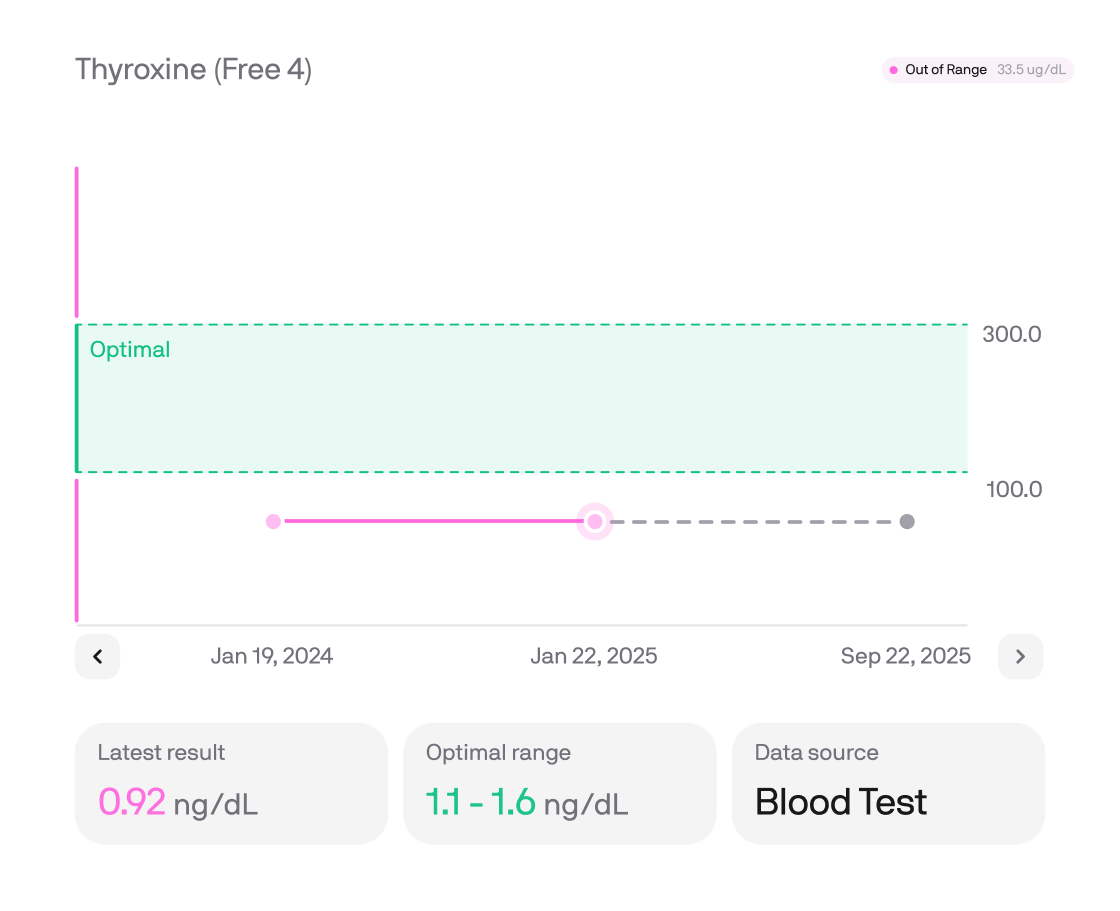
Blood tests can identify common nutrient deficiencies, such as low Vitamin B12, Vitamin D, or iron, all of which can contribute to tiredness. Testing can also TSH and Free T4, which provide a picture of current thyroid health. An underactive thyroid is a well-known and often overlooked cause of fatigue, particularly among women.
Finding the root cause of fatigue is essential. While sleep plays a critical role in our overall health, it’s just one piece of the puzzle.
What are the Stages of Sleep?
Now, scientists know that sleep occurs in four main stages throughout the night: N1, N2, N3, and REM.
Stage 1 or N1: This is the lightest stage of sleep, appropriately regarded by researchers as “light sleep.” It lasts for about 1 to 5 minutes and accounts for just 5 percent of total sleep. This stage of sleep acts as a sort of transition from wakefulness to deeper stages of sleep. If you’ve ever had muscle twitches or a sudden sensation of falling as you are laying in bed, that’s usually a sign that you are in Stage 1 and about to transition into deeper sleep.
Stage 2 or N2: Scientists call this “deeper sleep”, meaning you're less awake and alert than N1 sleep, but you aren’t yet in the deepest sleep you will be in all night. Your heart rate and body temperature are lower during this stage and your muscles are more relaxed. Stage 2 sleep accounts for about 45 percent of total sleep. While researchers are still learning more and more about what happens in this stage, they have identified the presence of what’s called sleep spindles, which are “brief, powerful bursts of neuronal firing” in areas of the brain that are thought to be crucial to memory consolidation.
Stage 3 or N3: This stage of sleep accounts for about 25 percent of total sleep and is the deepest stage of sleep, meaning our muscle tone is the lowest during this point and it's also the most difficult to wake someone up if they are in this stage of sleep. Scientists have found that even extremely loud noises — like a hair dryer or a noisy garbage truck — often can’t wake people at this stage. This is also the stage of sleep where scientists have found the most “work” happens: We repair and regrow tissues, build muscle and bone, and strengthen our immune systems. Unfortunately, it's also the stage where people spend less time as they age.
Rapid Eye Movement (REM): This is the last stage of sleep that researchers have categorized and it’s also arguably the most interesting to study. EEG recordings of people in REM sleep show that their brain waves are similar to that of wakefulness, and yet all their muscles (aside from their eyes and those used for breathing) are in a state of no movement and their breathing is irregular, unlike how someone would be if they were awake and alert. Scientists are still piecing together what actually happens during REM sleep but they have found that the brain is highly active during this time and that it is taking in about 20 percent more energy than it does during other stages of sleep.






.jpg)







.avif)


