


Pair daily sun protection with a full health baseline
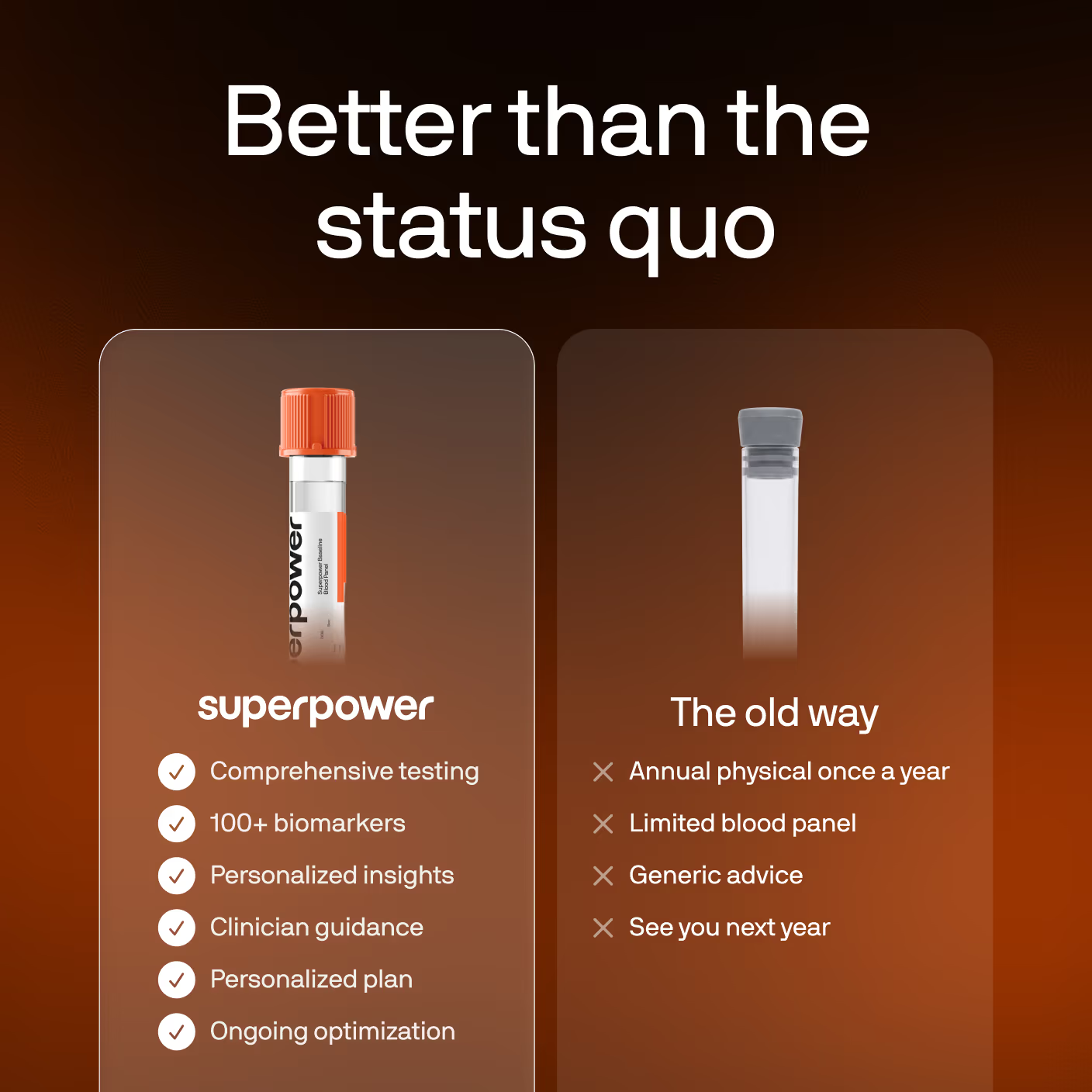
Membership includes 100+ biomarkers in a single draw, from inflammation to hormones.
- CLIA-certified labs
- HIPAA compliant
- Personalized health protocol
At a glance
- Chemical UV filters, also called organic filters, are carbon-based molecules that absorb UV light and release it as heat.
- Different filters cover different parts of the UV range, so they are usually combined for broad-spectrum protection.
- They tend to feel lightweight and leave no white cast, which makes them cosmetically easy to wear.
- They are more likely than mineral filters to cause allergy or stinging, and some older filters are less photostable.
- Evidence strength: Strong, based on well-documented sunscreen pharmacology, though individual tolerability varies.
What are chemical UV filters?
Chemical UV filters are organic (carbon-based) sunscreen ingredients that absorb ultraviolet light and convert it into a small amount of heat. Common examples include avobenzone, octinoxate, oxybenzone, and newer filters such as the Tinosorb family. According to a PubMed-indexed review, these organic filters are sometimes called chemical UV filters. Because of their small molecular size, they can penetrate skin, which is part of why they occasionally cause sensitization. Each filter absorbs a specific slice of the UV spectrum, so products usually blend several together.
What skin types are chemical UV filters best for?
Chemical UV filters suit people who want a lightweight, invisible sunscreen with no white cast, which makes them popular for daily wear, under makeup, and across all skin tones. They are a good match for normal, oily, and combination skin that finds mineral sunscreens heavy or chalky. They are less ideal for very sensitive or allergy-prone skin, since the same review notes that nearly all active-ingredient sunscreen reactions involve organic filters, so reactive skin may do better with mineral options.
What do chemical UV filters protect against?
Chemical UV filters protect against ultraviolet radiation that drives sunburn, photoaging, and skin cancer. No single organic filter covers the whole range, so broad-spectrum products combine UVB absorbers with UVA absorbers. A sunscreen review points out that many single organic filters have a narrower spectral range than mineral filters, which is why modern formulas layer several together. Newer broad-spectrum filters were designed to cover UVA more completely and to stay stable in light.
How do you know if chemical UV filters can help your skin?
If mineral sunscreens feel too thick, leave a cast, or you want something that disappears under makeup, chemical filters are likely a better fit. They suit most people without a history of sunscreen allergy. Reasons to be cautious include past stinging, itching, or rash from sunscreen, sensitive eyes, or very reactive skin, since organic filters are the more common cause of contact and photocontact reactions. If you are unsure, patch testing a new product first helps.
How do you use these products?
Apply a chemical sunscreen as the last step of your morning routine and wait about 15-20 minutes before sun exposure, since many organic filters need a short time to bind to the skin. Use about a quarter teaspoon for the face and neck and a shot glass worth for the body. Reapply every two hours outdoors and after swimming, sweating, or toweling off. Wear it daily, and take care around the eyes, since some filters can sting.
What should you look for in a chemical UV filter product?
Choose SPF 30 or higher and a broad-spectrum label, and look for a blend of filters rather than one. Photostability matters because some older filters break down in sunlight: a study of avobenzone found that free avobenzone retained only about 10% of its content after UVA exposure unless it was stabilized or encapsulated. Newer filters were developed to be more photostable, and research on avobenzone-related compounds describes candidates that meet broad-spectrum criteria with high photostability. In practice, well-formulated products pair avobenzone with stabilizing filters, so a modern broad-spectrum formula is the safeguard. For finish, gels and fluids suit oily skin, while lotions suit dry skin.
What should you use with chemical UV filters?
Chemical UV filters pair well with a morning antioxidant serum such as vitamin C, which targets a different part of sun damage. Apply sunscreen as the final step of your daytime skincare and reapply during extended sun exposure. Chemical and mineral filters can appear together in one product to broaden coverage and improve feel. If a particular filter has irritated you before, check the ingredient list, since many alternatives exist.
Evidence strength
Strong: The sun-protective pharmacology of organic UV filters is well documented, and broad-spectrum combinations are a dermatology standard. The caveats are individual tolerability and the photostability of specific filters, not whether the category works. Real-world results depend on the specific formulation, how much you apply, and how often you reapply.
References
- Ludriksone L, Elsner P. Adverse Reactions to Sunscreens. Current Problems in Dermatology. 2021:223-235. doi:10.1159/000517634
- Maier T, Korting HC. Sunscreens – Which and What for? Skin Pharmacology and Physiology. 2005;18(6):253-262. doi:10.1159/000087606
- Tommasi Schmitt DL, dos Santos SL, Büttenbender MB, et al. Licuri Oil (Syagrus coronata) as a Natural Oily Core for Cationic Polymeric Nanocapsules for Topical Formulation: Development, Characterization, and Incorporation into Hydrogels. Molecules. 2026;31(17):3022. doi:10.3390/molecules31173022
- Marcon GZ, Brum TdB, de Araujo NFT, et al. Development of chalcones structure‐related to avobenzone: Photoprotection, photostability, and safety evaluation. Photochemistry and Photobiology. 2026:php.70119. doi:10.1111/php.70119













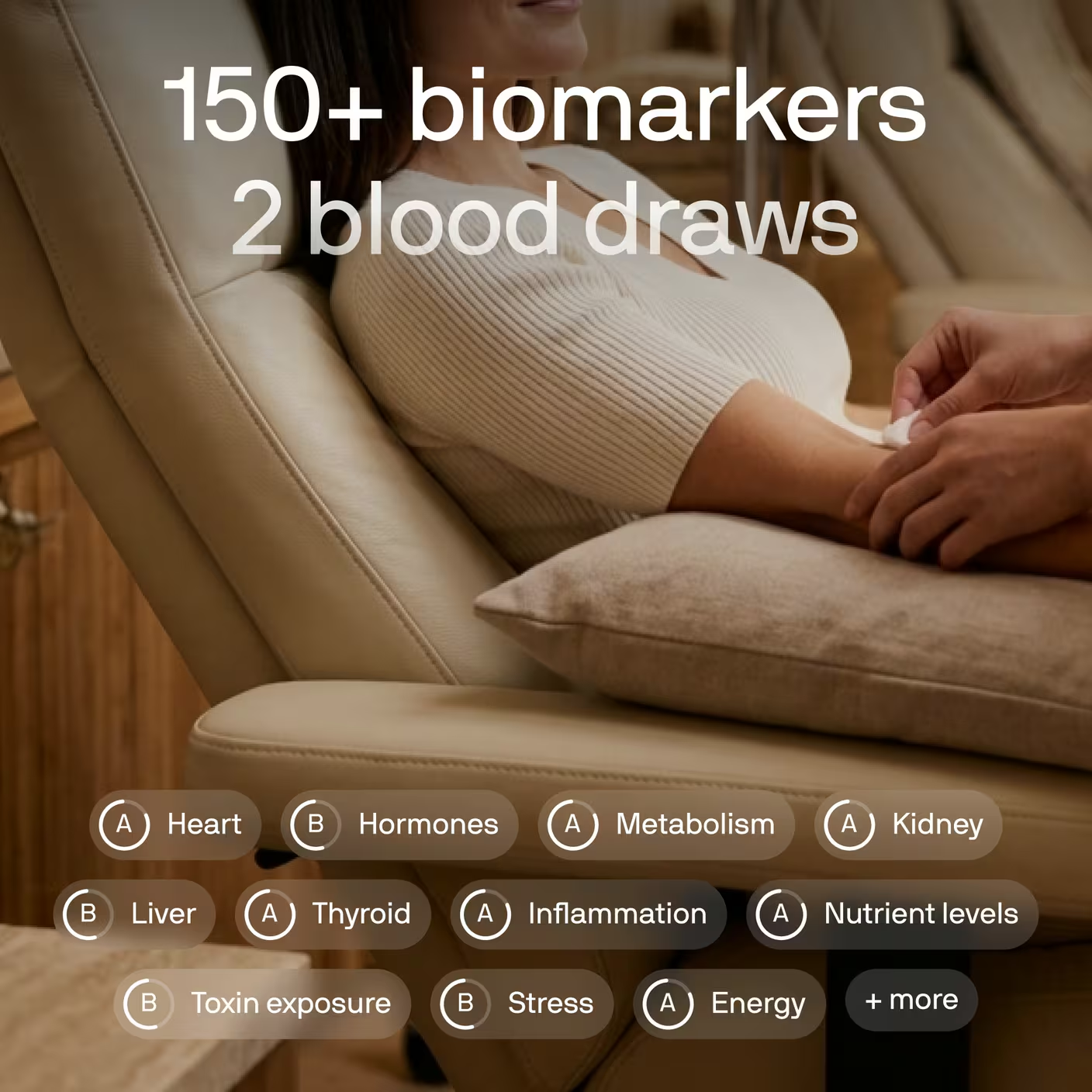










 Heart & Vascular Health
 Metabolic Health
 Energy
 Liver Health
 Kidney
 Sex Hormones
 Thyroid Health
 Nutrients
 Immune System
 Inflammation