

Look past dry skin with a full blood panel
Get 100+ biomarkers in a single draw, including inflammation, hormone, and metabolic markers.
- CLIA-certified labs
- HIPAA compliant
- Personalized health protocol
At a glance
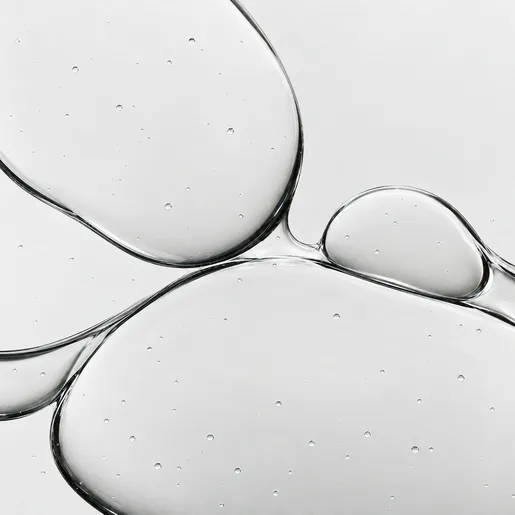
- Mineral oil is a clear, odorless occlusive derived from petroleum, used to seal moisture into the skin.
- Cosmetic-grade mineral oil is highly purified, well tolerated, and, contrary to a common myth, not comedogenic for most people.
- A randomized trial found it effective and safe as a moisturizer, and it features in emollient reviews for dry skin.
- It is inexpensive, stable, and one of the least allergenic moisturizing ingredients.
- Evidence strength: Strong, a well-established occlusive with a long record of safe, effective moisturizing.
What is mineral oil?
Mineral oil, also called liquid paraffin, is a clear, odorless oil refined from petroleum to a high cosmetic purity. It is an occlusive and emollient, meaning it seals the skin and softens it. It has been used in skincare for over a century and appears in moisturizers, ointments, baby products, and cleansers.
What skin type is mineral oil best for?
It suits dry and sensitive skin especially well because it is inert and rarely causes reactions. Cosmetic-grade mineral oil is considered non-comedogenic, so most people, including many with acne-prone skin, tolerate it. Very oily skin may find it heavy. It is a moisturizer rather than a treatment for pigment or wrinkles.
What does mineral oil do?
It works as an occlusive, forming a barrier on the skin that slows water loss and lets the skin underneath stay hydrated and recover. In a randomized, double-blind trial, mineral oil improved skin hydration and was safe, performing comparably to coconut oil for dry skin. A 2025 review of basic emollients includes liquid paraffin among the core ingredients used to manage dry skin in atopic dermatitis.
How do you know if mineral oil can help your skin?
If your skin is dry, sensitive, or easily irritated, mineral oil is a safe, reliable way to seal in moisture. Its reputation for clogging pores is largely a myth for the purified cosmetic grade, so most acne-prone users tolerate it, though personal experience varies. If you dislike an occlusive feel, lighter humectant-based products may suit you better.
How do you use mineral oil?
Apply to clean, slightly damp skin to trap water underneath, on the face or body. It also works as a gentle cleansing oil and makeup remover. A thin layer is enough, and it layers over water-based products as a sealing final step.
What should you use with mineral oil?
It pairs well over humectants such as glycerin and hyaluronic acid, sealing in the moisture they draw. It sits comfortably alongside most actives, softening the dryness that retinoids or exfoliants can cause. Daily sunscreen remains part of the routine regardless.
Evidence strength
Strong: Mineral oil is one of the better-studied and safest moisturizing ingredients, with trial evidence for effective, well-tolerated hydration and inclusion in emollient reviews. Its main controversy, that it clogs pores, is not borne out for the purified cosmetic grade, though it is an occlusive rather than an active treatment. It is a dependable, low-cost, low-allergy choice for dryness.
References
- Agero ALC, Verallo-Rowell VM. A Randomized Double-Blind Controlled Trial Comparing Extra Virgin Coconut Oil with Mineral Oil as a Moisturizer for Mild to Moderate Xerosis. Dermatitis. 2004;15(3):109-116. doi:10.2310/6620.2004.04006
- Wollenberg A, Barbarot S, Torrelo A. Basic Emollients for Xerosis Cutis in Atopic Dermatitis: A Review of Clinical Studies. International Journal of Dermatology. 2025;64(S1):13-28. doi:10.1111/ijd.17793

























 Heart & Vascular Health
 Metabolic Health
 Energy
 Liver Health
 Kidney
 Sex Hormones
 Thyroid Health
 Nutrients
 Immune System
 Inflammation