


Protect your skin, then get your full health baseline
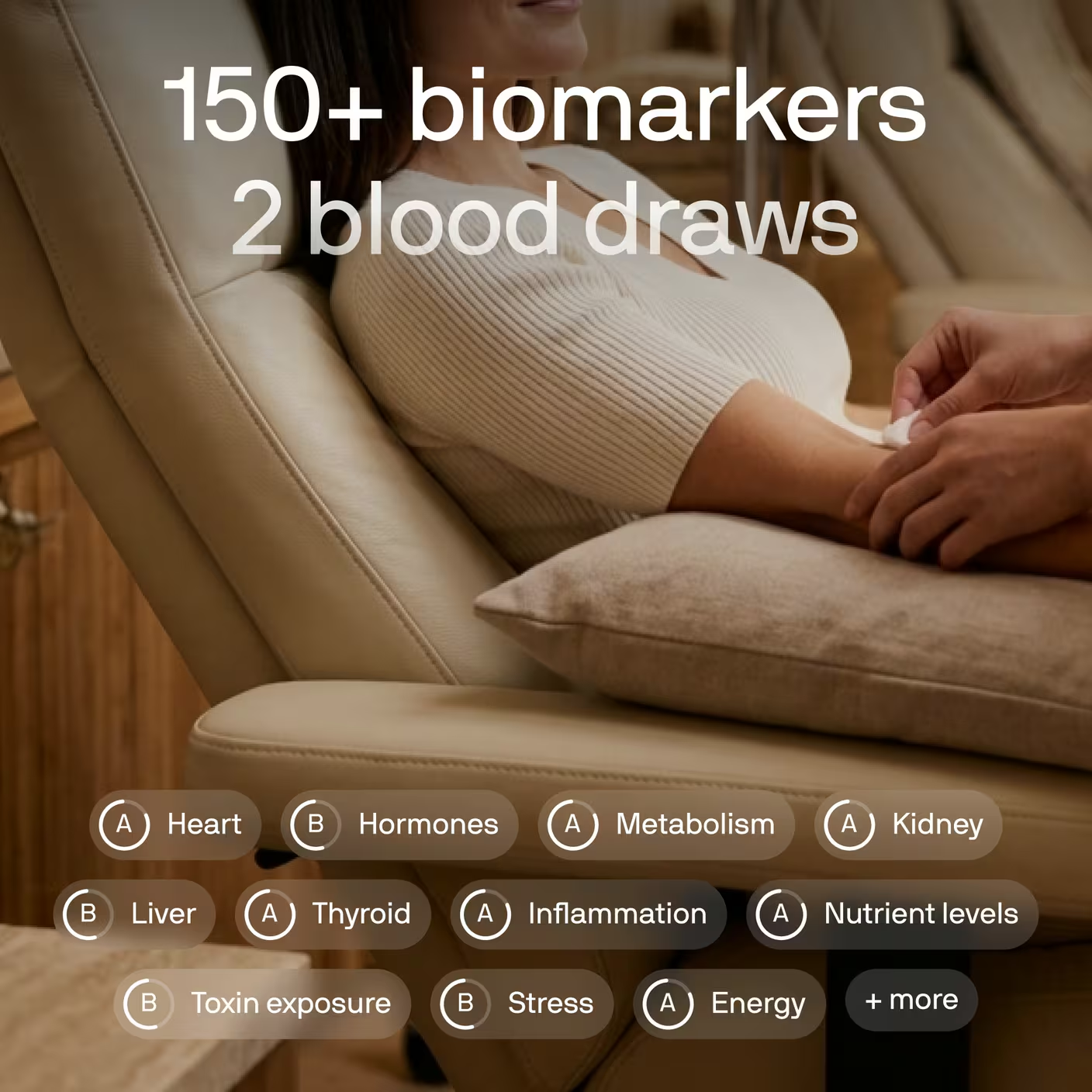
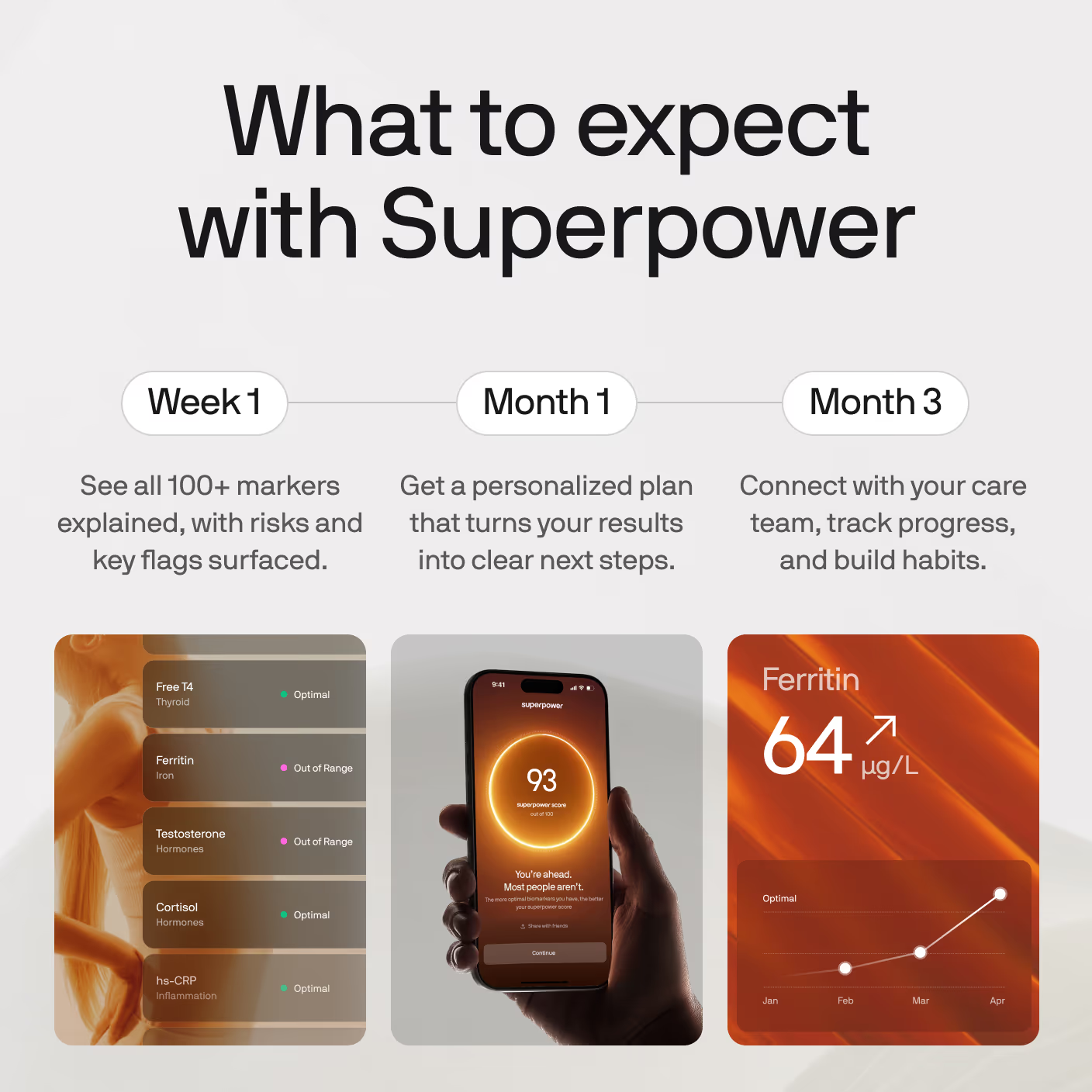
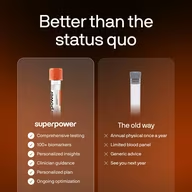
One draw includes 100+ biomarkers across inflammation, hormone, and metabolic health.
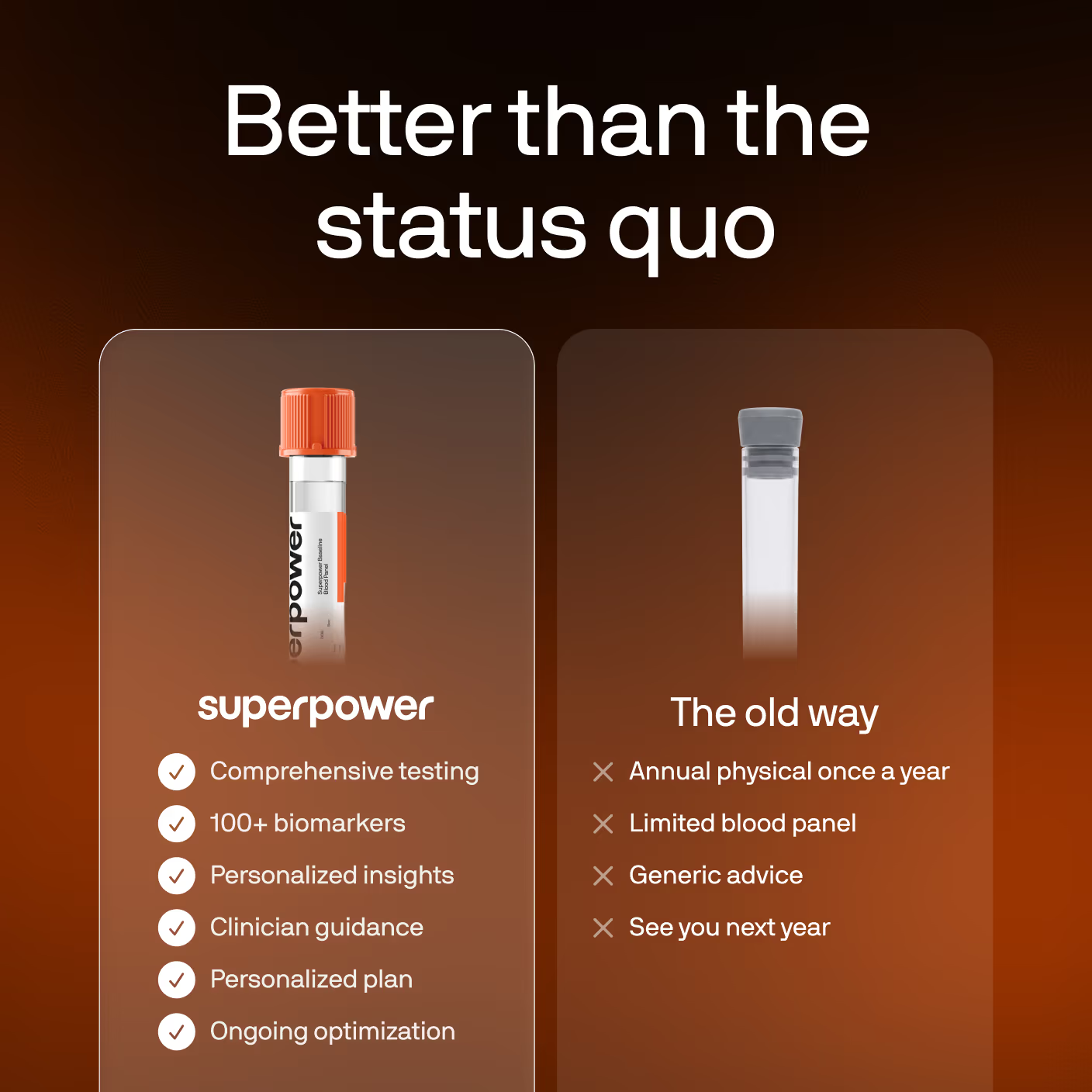
- CLIA-certified labs
- HIPAA compliant
- Personalized health protocol
At a glance
- Titanium dioxide is a mineral (inorganic) UV filter that protects mainly against UVB and shorter UVA light.
- It is gentle and low-irritation, which makes it a staple in sunscreens for sensitive skin and children.
- It is often paired with zinc oxide or organic filters to cover the full UV range.
- Formulation quality matters, because poorly deactivated titanium dioxide can be reactive under light.
- Evidence strength: Strong, supported by established UV-filter reviews and formulation studies.
What is titanium dioxide?
Titanium dioxide is a white mineral powder used as an active sunscreen filter. According to a PubMed-indexed review of inorganic UV filters, it sits alongside zinc oxide as one of the two main mineral filters, and it provides better UVB protection while covering part of the UVA range. Like zinc oxide, it is usually micronized or nano-sized so the sunscreen looks less chalky. It works mostly by absorbing UV energy, with some reflection and scattering.
What skin type is titanium dioxide best for?
Titanium dioxide suits sensitive, reactive, and acne-prone skin. A dermatology review of sunscreen reactions reports that titanium dioxide has no relevant irritant or sensitizing potential, with problems limited to rare case reports. That makes it a frequent choice for children, for skin that reacts to organic filters, and for use after procedures. As with other mineral filters, higher levels can leave a white cast, so tinted options help on deeper skin tones.
What does titanium dioxide protect against?
Titanium dioxide protects against ultraviolet radiation, with its strongest coverage in the UVB range that causes sunburn and direct DNA damage. It also blocks shorter UVA wavelengths, though it is weaker against long UVA than zinc oxide. A sunscreen review notes that inorganic filters have a wide spectral range, and in practice titanium dioxide is often combined with zinc oxide or organic filters to close the UVA gap. By reducing daily UV exposure it helps prevent sunburn, photoaging, and sun-related skin cancers rather than treating existing damage.
How do you know if titanium dioxide can help your skin?
If you want gentle daily sun protection, react to chemical-filter sunscreens, or are choosing a product for a child, titanium dioxide is a strong candidate. It is a good fit if your skin stings or breaks out with other sunscreens, or if a dermatologist has advised mineral filters. Because it tends to have a drier, more matte finish than some filters, it can appeal to oily or combination skin. A white cast on deeper tones is the main reason some people prefer a tinted or combination formula.
How do you use titanium dioxide?
Use titanium dioxide sunscreen as the final step of your daytime skincare, applying about a quarter teaspoon to the face and neck and around a shot glass worth to the body so you reach the labeled protection. Give it a couple of minutes to set before applying makeup. Reapply every two hours in the sun and after swimming, sweating, or rubbing the skin with a towel. Apply it every day, since UV exposure adds up even on cloudy days and through windows.
What should you look for in a titanium dioxide product?
Prioritize SPF 30 or higher and a broad-spectrum label, since titanium dioxide alone leans toward UVB. Because it covers long UVA less well, check that the formula adds zinc oxide or organic filters for fuller UVA protection. Formulation quality also matters, since a study of titanium dioxide dispersions found that grades with insufficient deactivation of photo-activity hurt the stability of the sunscreen, while well-treated rutile grades showed no phototoxic effect. Well-made cosmetic sunscreens use surface-coated, deactivated titanium dioxide, so a product from a reputable brand is the practical safeguard. For finish, tinted versions reduce white cast.
What should you use with titanium dioxide?
Titanium dioxide works well next to antioxidant serums like vitamin C in the morning, which address a different part of sun damage. It layers over moisturizers and most treatments, so apply it last in your daytime routine and reapply during prolonged sun exposure. It is frequently formulated with zinc oxide for broader UVA coverage, and it can be blended with organic filters to improve texture and raise overall SPF.
Evidence strength
Strong: Titanium dioxide is a long-standing, well-characterized sunscreen filter with reviews supporting its UVB protection and low irritation risk. The nuances are about UVA breadth and formulation quality rather than whether it protects skin. Real-world results depend on the specific product, how generously you apply it, and how often you reapply.
References
- Schneider SL, Lim HW. A review of inorganic UV filters zinc oxide and titanium dioxide. Photodermatology, Photoimmunology & Photomedicine. 2019;35(6):442-446. doi:10.1111/phpp.12439
- Ludriksone L, Elsner P. Adverse Reactions to Sunscreens. Current Problems in Dermatology. 2021:223-235. doi:10.1159/000517634
- Maier T, Korting HC. Sunscreens – Which and What for? Skin Pharmacology and Physiology. 2005;18(6):253-262. doi:10.1159/000087606
- Kubáč L, Akrman J, Kejlová K, et al. Characteristics of titanium dioxide microdispersions with different photo-activity suitable for sunscreen formulations. International Journal of Pharmaceutics. 2015;481(1-2):91-96. doi:10.1016/j.ijpharm.2015.02.004






















 Heart & Vascular Health
 Metabolic Health
 Energy
 Liver Health
 Kidney
 Sex Hormones
 Thyroid Health
 Nutrients
 Immune System
 Inflammation