
Excellent 4.6 out of 5
Cardiovascular and Vascular Diseases

Blood Testing for Stroke

Stroke risk often traces to vascular injury and inflammation. Blood testing clarifies your lipid burden and immune activity: LDL, HDL, ApoB, Lp(a), hs-CRP, NLR, and MLR, to illuminate cerebrovascular risk. Superpower offers in-clinic and at-home testing; home testing available in selected states. (See FAQs below for more info).

Book a Stroke blood test today.
Cancel anytime
HSA/FSA eligible
Results in a week
Physician reviewed

Every result is checked

·
CLIA-certified labs

Federal standard for testing

·
HIPAA compliant

Your data is 100% secure

Key Benefits

  • Check stroke risk from artery-clogging particles and inflammation in your blood.
  • Spot high ApoB that signals many plaque-forming particles, raising stroke risk.
  • Flag elevated LDL and low HDL patterns linked with faster artery plaque buildup.
  • Clarify hidden, inherited risk with Lp(a), a common driver of early plaque.
  • Guide treatment intensity using ApoB and LDL to hit guideline risk thresholds.
  • Track inflammation with hs-CRP to gauge residual risk beyond cholesterol control.
  • Add context with NLR and MLR; emerging inflammation markers, not standalone treatment targets.
  • Personalize prevention by combining results with blood pressure, diabetes, and smoking status.

What are Stroke biomarkers?

Stroke biomarkers are measurable signals in blood that reflect injury to the brain or its circulation. When a blood vessel in the brain is blocked or bleeds, brain cells and support cells release proteins, and the body’s clotting and immune systems switch on. Testing for these markers can help flag brain injury early, hint at the type of stroke, and track the extent and evolution of damage and repair. Examples include proteins from injured astrocytes and glia (GFAP, S100B), from neurons and axons (NSE, neurofilament light), and signals of clot formation and breakdown (D-dimer, fibrin degradation products) or vascular stress and inflammation (CRP, cytokines). These molecules rise and fall over hours to days, offering a timeline of the event and its aftermath. In practice, blood-based biomarkers complement imaging and examination by adding biological context: they can support rapid triage, guide decisions about clot-busting or bleeding risks, and monitor secondary injury and recovery. In short, they translate microscopic brain events into accessible, actionable information.

Why is blood testing for Stroke important?

Stroke biomarkers show how ready arteries and blood are to form brain‑blocking clots. They reflect two engines: atherogenic lipoproteins that build plaque and inflammatory immune tone that destabilizes plaques across liver‑vessel‑immune systems.For lipids, lower is safer: LDL ideally under 100; risk rises above 130 and especially 160. ApoB (particle count) is lower‑better, often under 80–90; risk up above 100. HDL protects when higher—above 40 in men, 50 in women; 60 often favorable. Lp(a) is genetic: below 30 is common; 50 or higher adds risk. Inflammation markers: hs‑CRP under 1 low, 1–3 average, over 3 high. NLR ~1–3; higher shows stressed innate immunity. MLR ~0.2–0.3; higher links to atherosclerosis. Pregnancy raises hs‑CRP, NLR, and Lp(a); children often have lower LDL/ApoB.Low LDL, ApoB, Lp(a), hs‑CRP, NLR, and MLR signal fewer plaque‑seeding particles and a quieter immune state—lower ischemic stroke risk, typically no symptoms. Extremely low LDL/ApoB from rare genetics can accompany fat‑soluble vitamin issues. Very low leukocyte ratios with infections may reflect immunosuppression. Low HDL is different: it often signals insulin resistance and relates to higher stroke risk; thresholds are lower in men than women.Together, these tests link lipid transport, endothelial health, and innate immunity—the networks that shape brain‑artery disease over decades. Alongside blood pressure, glucose, kidney function, heart rhythm, and family history, they sharpen risk estimation and long‑term outlook.

What insights will I get?

Stroke blood testing provides a window into the health of your cardiovascular and immune systems—two key players in brain function, energy, and overall resilience. At Superpower, we measure LDL, HDL, ApoB, Lp(a), hs-CRP, NLR, and MLR to assess your risk landscape for stroke. These biomarkers help us understand how well your body manages blood flow, inflammation, and vessel stability, all of which are crucial for protecting the brain from injury.LDL (low-density lipoprotein) and ApoB (apolipoprotein B) reflect the amount and type of cholesterol-carrying particles that can contribute to plaque buildup in arteries, a major risk factor for stroke. HDL (high-density lipoprotein) helps remove cholesterol from the bloodstream, offering some protection. Lp(a), or lipoprotein(a), is a genetic variant of LDL that can further increase stroke risk by promoting clot formation and arterial damage. hs-CRP (high-sensitivity C-reactive protein) is a marker of systemic inflammation, which can destabilize blood vessels. NLR (neutrophil-to-lymphocyte ratio) and MLR (monocyte-to-lymphocyte ratio) are indicators of immune system activity and inflammation, both of which can influence stroke risk and recovery.Optimal levels of these markers suggest stable blood vessels, balanced immune responses, and efficient cholesterol transport—all essential for reducing the likelihood of stroke and supporting healthy brain function. When these markers are out of range, it may signal increased vulnerability to vascular injury or inflammation.Interpretation of these results depends on factors like age, sex, genetics, current illness, medications, and even recent infections. Laboratory methods and reference ranges can also vary, so results are best understood in context.

Superpower also tests for

See more diseases

Frequently Asked Questions About

What is Stroke blood testing?

It’s a blood panel that maps the biology driving ischemic stroke risk: cholesterol transport, particle burden, vascular inflammation, and immune tone. Superpower measures LDL and HDL (cholesterol carriers), ApoB (atherogenic particle count), Lp(a) (genetically set pro-atherothrombotic lipoprotein), hs-CRP (systemic/vascular inflammation), and white cell ratios NLR and MLR (innate–adaptive immune balance). Together they show how plaque forms, inflames, and may rupture or thrombose.

Why should I get Stroke blood testing?

It quantifies upstream drivers of stroke before events happen. LDL, ApoB, and Lp(a) reflect atherogenic load; hs-CRP reflects arterial inflammation; NLR and MLR reflect immune activation. These markers add precision to traditional risk factors (blood pressure, diabetes, smoking, atrial fibrillation) and help track risk over time. It’s physiology first, identifying mechanisms you can monitor and manage with your clinician.

Can I get a blood test at home?

Yes. With Superpower, our team member can organize a professional blood draw in your home. Same laboratory standards, just more convenient and consistent timing so results are comparable over time.

How often should I test?

Start with a baseline. If results are stable and risk is low, yearly is reasonable. If levels are elevated or you’re changing therapies, recheck in about 3–6 months, then space out. Avoid interpreting hs-CRP, NLR, or MLR during or within two weeks of an acute illness, as results can be transiently distorted.

What can affect biomarker levels?

Genetics strongly influences Lp(a). LDL, HDL, and ApoB shift with metabolic state, medications, alcohol, and recent diet. hs-CRP, NLR, and MLR rise with infections, injuries, stress, poor sleep, and smoking; corticosteroids and other drugs can alter white cell ratios. Vigorous exercise, dehydration, and recent illness can transiently change several markers. Fasting status modestly affects lipids.

Are there any preparations needed before the blood test for LDL, HDL, ApoB, Lp(a), hs-CRP, NLR, MLR?

Fasting is optional; an 8–12 hour fast can improve lipid consistency. Be well hydrated and avoid strenuous exercise for 24 hours. Do not test hs-CRP, NLR, or MLR during an active infection; wait about two weeks after recovery. Take prescribed medications as usual unless your clinician advises otherwise. A morning draw improves repeatability.

Can lifestyle changes affect my biomarker levels?

Yes, for most. LDL, HDL, and ApoB reflect overall metabolic health; hs-CRP, NLR, and MLR reflect inflammatory and immune tone. Improving cardiometabolic status and lowering chronic inflammation typically moves these in a favorable direction. Lp(a) is largely genetic and less responsive, so it mainly informs baseline risk and treatment intensity.

How do I interpret my results?

Think mechanisms. Lower ApoB and LDL generally mean fewer atherogenic particles; higher HDL often reflects better reverse cholesterol transport. Higher Lp(a) adds inherited atherothrombotic risk. Lower hs-CRP indicates less vascular inflammation. Higher NLR or MLR signals increased inflammatory drive. One value is a snapshot; trends over time matter. Use your lab’s reference ranges and integrate results with blood pressure, glucose, and heart rhythm to gauge true stroke risk.

What states are Superpower’s at-home blood testing available in?

Superpower currently offers at-home blood testing in the following states: Alabama, Arizona, California, Colorado, Connecticut, Delaware, District of Columbia, Florida, Georgia, Idaho, Illinois, Indiana, Kansas, Maine, Maryland, Massachusetts, Michigan, Minnesota, Missouri, Montana, Nebraska, Nevada, New Hampshire, New Jersey, New Mexico, New York, North Carolina, Ohio, Oklahoma, Oregon, Pennsylvania, South Carolina, Tennessee, Texas, Utah, Vermont, Virginia, Washington, West Virginia, and Wisconsin.We’re actively expanding nationwide, with new states being added regularly. If your state isn’t listed yet, stay tuned.

How it works

1

Test your whole body

Get a comprehensive blood draw at one of our 3,000+ partner labs or from the comfort of your own home.

2

An Actionable Plan

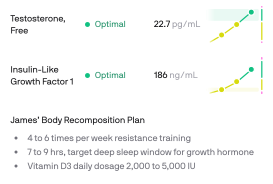
Easy to understand results & a clear action plan with tailored recommendations on diet, lifestyle changes, supplements and pharmaceuticals.

3

A Connected Ecosystem

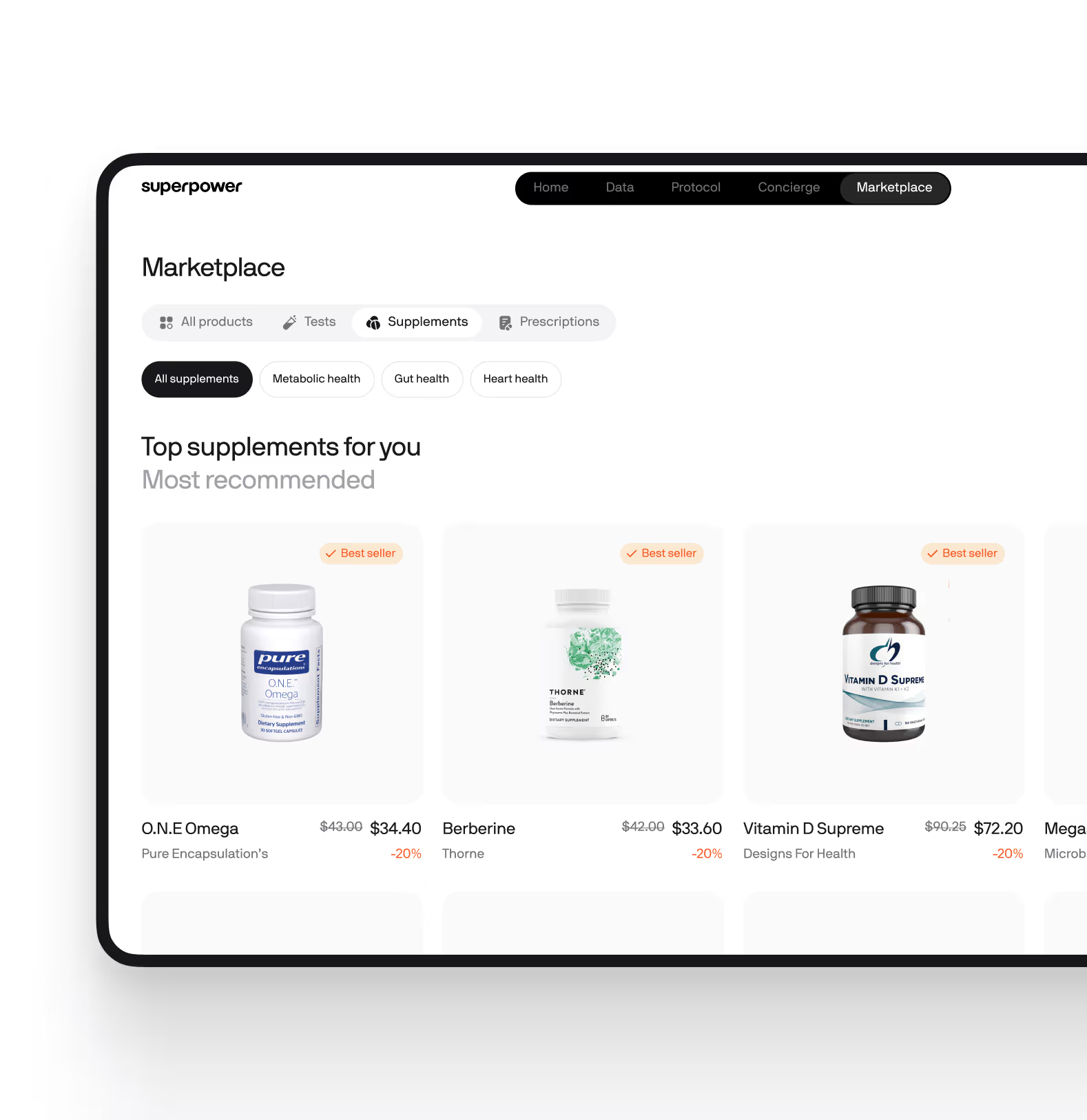
You can book additional diagnostics, buy curated supplements for 20% off & pharmaceuticals within your Superpower dashboard.

Superpower tests more than 
100+ biomarkers & common symptoms

Developed by world-class medical professionals

Supported by the world’s top longevity clinicians and MDs.

Dr Anant Vinjamoori

Superpower Chief Longevity Officer, Harvard MD & MBA

A smiling woman wearing a white coat and stethoscope poses for a portrait.

Dr Leigh Erin Connealy

Clinician & Founder of The Centre for New Medicine

Man in a black medical scrub top smiling at the camera.

Dr Abe Malkin

Founder & Medical Director of Concierge MD

Dr Robert Lufkin

UCLA Medical Professor, NYT Bestselling Author

membership

$17

/month
Billed annually at $199
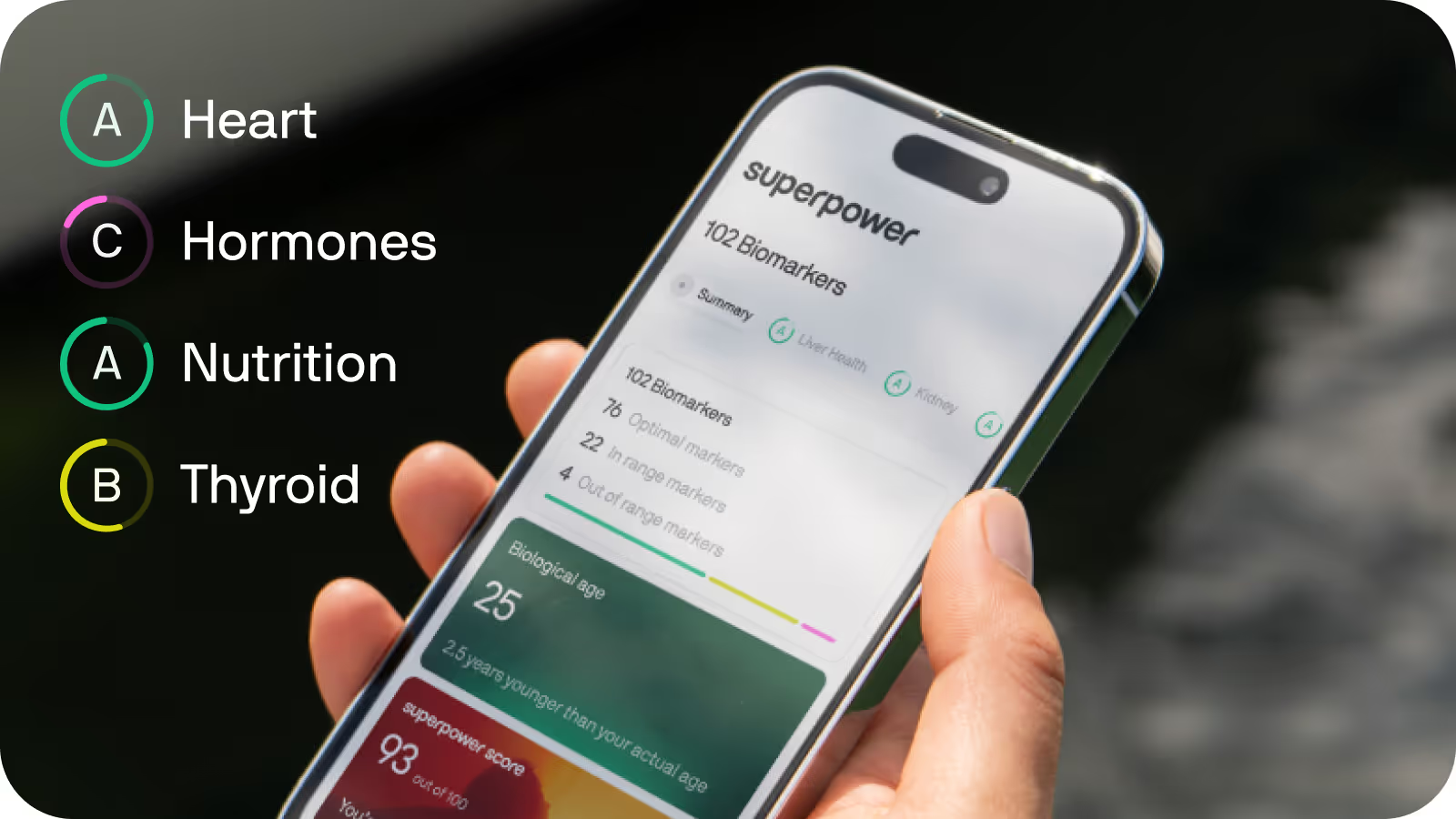
A smartphone displays health app results, showing biomarker summary, superpower score, and biological age details.
What could cost you $15,000 is $199

Superpower
Membership

Your membership includes one comprehensive blood draw each year, covering 100+ biomarkers in a single collection
One appointment, one draw for your annual panel.
100+ labs tested per year
A personalized plan that evolves with you
Get your biological age and track your health over a lifetime
$
17
/month
billed annually
Pricing for members in NY & NJ is $499
Flexible payment options
Four credit card logos: HSA/FSA Eligible, American Express, Visa, and Mastercard.
Start testing
Cancel anytime
HSA/FSA eligible
Results in a week

Finally, healthcare that looks at the whole you