Excellent 4.6 out of 5
Hematological Disorders

Blood Testing for Multiple Myeloma

Blood testing helps detect and monitor Multiple Myeloma by revealing abnormal protein balance and inflammation. Superpower tests Albumin, Total Protein, Globulin, A/G ratio, and ESR to assess plasma-cell activity. We offer in-clinic and at-home testing; home collection is currently available in selected states. (See FAQs below for more info).

Book a Multiple Myeloma blood test today.
Cancel anytime
HSA/FSA eligible
Results in a week
Physician reviewed

Every result is checked

·
CLIA-certified labs

Federal standard for testing

·
HIPAA compliant

Your data is 100% secure

Key Benefits

  • Screen for myeloma-related protein changes and inflammation using albumin, globulin, and ESR.
  • Spot excess globulins and low A/G ratio suggesting an abnormal single-antibody protein.
  • Flag low albumin that signals disease activity and worsened myeloma prognosis.
  • Track total protein trends to gauge cancer load and treatment response over time.
  • Clarify inflammation with ESR, which often rises from excess antibodies.
  • Protect kidneys by flagging high antibody levels linked to myeloma kidney risk.
  • Explain symptoms like fatigue or dizziness by identifying thick-blood risk from high proteins.
  • Pair results with SPEP, immunofixation, free light chains, calcium, creatinine, and symptoms.

What are Multiple Myeloma biomarkers?

Multiple myeloma biomarkers are measurable signals in blood that come from abnormal plasma cells and the organs they affect. The hallmark is a single clone of plasma cells that secretes a uniform antibody (monoclonal immunoglobulin, “M protein”) or its fragments (free light chains). These proteins circulate in the blood and can build up, making them reliable flags of the cancer’s activity and size (tumor burden). Other blood markers capture the ripple effects: proteins shed by tumor and immune cells (beta‑2 microglobulin), simple proteins made by the liver (albumin) that shift with disease stress, and by‑products of bone breakdown (bone resorption markers) as myeloma erodes bone. Chemistry signals from injured organs—kidney filters stressed by light chains, crowded marrow causing anemia, calcium released from bone—round out the picture. Together, these biomarkers let clinicians detect myeloma early, separate it from look‑alikes, and follow its rhythm over time—confirming response, spotting relapse, and guiding therapy—without repeatedly entering the bone marrow.

Why is blood testing for Multiple Myeloma important?

Blood testing in multiple myeloma tracks the abnormal antibodies plasma cells produce and the ripple effects across immunity, blood thickness, kidneys, and marrow. These tests reveal how much monoclonal protein is present, whether normal antibodies are suppressed, and how inflamed or protein-depleted the body has become.Typical reference ranges: albumin 3.5–5.0, total protein 6.0–8.3, globulin 2.0–3.5, A/G ratio 1.0–2.2. ESR in adults is often about 0–15 for men and 0–20 for women. Health tends to sit with albumin in the mid-to-high normal range; total protein and globulin near the middle; an A/G ratio above 1, toward the middle-to-higher end; and ESR at the low end. ESR naturally runs higher with age and in women; pregnancy lowers albumin and raises ESR.When values are low, they signal different physiologic stresses. Lower albumin reflects systemic inflammation, reduced synthesis, or renal loss; in myeloma it often tracks greater disease burden and may accompany fatigue, edema, and poor appetite. Falling total protein can indicate malnutrition or protein loss; in myeloma it may paradoxically coexist with a dominant M‑protein while normal antibodies shrink. Low globulin (hypogammaglobulinemia) means fewer protective antibodies, with recurrent sinus or chest infections. A low A/G ratio generally means albumin has dropped or globulins have risen from a monoclonal spike. A very low ESR is usually not worrisome.Big picture: these markers integrate marrow plasma cell activity with kidney function, immune competence, blood viscosity, and anemia. They help stage risk (albumin is part of standard staging), follow response, and anticipate complications such as infections, fractures, and renal injury over time.

What insights will I get?

Multiple Myeloma is a cancer of plasma cells, a type of white blood cell crucial for immune defense. Blood testing for Multiple Myeloma provides insight into how this disease affects the body’s protein balance, immune system, and overall stability. At Superpower, we assess Albumin, Total Protein, Globulin, the Albumin/Globulin (A/G) ratio, and Erythrocyte Sedimentation Rate (ESR) to help reveal the impact of Multiple Myeloma on your physiology.Albumin is a major blood protein made by the liver, important for maintaining fluid balance and transporting hormones and nutrients. Total Protein measures all proteins in the blood, including albumin and globulins. Globulins are a group of proteins, many of which are antibodies produced by plasma cells. The A/G ratio compares the amount of albumin to globulins, and ESR is a marker of inflammation, reflecting how quickly red blood cells settle in a test tube.In Multiple Myeloma, abnormal plasma cells often produce excess globulins (immunoglobulins), which can raise Total Protein and lower the A/G ratio. Albumin may decrease due to inflammation or impaired liver function. ESR is typically elevated, signaling increased inflammation or abnormal protein levels. Together, these markers help assess disease activity, immune system disruption, and the body’s ability to maintain stable internal conditions.Interpretation of these biomarkers can be influenced by factors such as age, pregnancy, acute illness, chronic diseases, and certain medications. Laboratory methods and reference ranges may also vary, so results are best understood in context.

Superpower also tests for

See more diseases

Frequently Asked Questions About

What is Multiple Myeloma blood testing?

It looks for blood protein and inflammation patterns that suggest abnormal plasma cells. Superpower tests your blood for Albumin, Total Protein, Globulin, the Albumin/Globulin (A/G) ratio, and ESR. High Total Protein and Globulin with a low A/G ratio point to excess antibodies (hypergammaglobulinemia, often monoclonal). Low Albumin reflects systemic inflammation or impaired production/loss. A very high ESR signals protein-driven rouleaux and inflammation. These markers can flag myeloma biology but do not diagnose it on their own.

Why should I get Multiple Myeloma blood testing?

It can reveal early signs of excess antibody production and systemic inflammation before complications appear. High Globulin and Total Protein with a low A/G ratio suggest an abnormal immunoglobulin load (M‑protein). Low Albumin indicates inflammatory or catabolic stress and informs prognosis. A markedly elevated ESR reflects protein-induced red cell stacking and inflammation. Together, these values provide a physiologic signal to pursue confirmatory tests if needed.

Can I get a blood test at home?

Yes. With Superpower, our team member can organise a blood draw in your home. We’ll handle the collection, transport, and lab coordination so you get reliable results without visiting a clinic.

How often should I test?

Use it to establish a baseline, then repeat based on risk and clinical context. For general surveillance, annual testing is reasonable. For known monoclonal gammopathy or prior abnormalities, repeat every 3–6 months is common to track trends. Active disease monitoring follows clinician-directed schedules. Results should be interpreted over time, not as a one‑off.

What can affect biomarker levels?

Hydration status alters Albumin and Total Protein (dehydration concentrates; overhydration dilutes). Acute infection, autoimmune disease, pregnancy, and anemia can raise ESR and Globulin. Liver disease lowers Albumin; kidney disease can lower Albumin and change Globulin fractions. Recent strenuous exercise, large meals, and some medicines (steroids, NSAIDs, oral contraceptives) may shift results. Lab method and timing also matter.

Are there any preparations needed before the blood test for Albumin, Total Protein, Globulin, A/G ratio, ESR?

No special fasting is required. Be normally hydrated, avoid strenuous exercise the day of testing, and don’t binge on alcohol the night before. If you’re acutely ill or on new medications, note this, as it can shift ESR and protein levels. Try to test at a similar time of day for consistency.

Can lifestyle changes affect my biomarker levels?

To a degree. Hydration can move Albumin and Total Protein up or down. Broadly reducing inflammation may lower ESR, and adequate protein intake supports Albumin. However, in myeloma, disease biology dominates these markers. Lifestyle changes cannot confirm or exclude myeloma; abnormal patterns still require clinical evaluation and confirmatory testing.

How do I interpret my results?

Look for patterns. High Total Protein and Globulin with a low A/G ratio suggest excess immunoglobulins (monoclonal or polyclonal). Low Albumin signals systemic inflammation or liver/kidney loss and is used in myeloma staging. A very high ESR supports a high protein load and inflammation. Normal results lower the likelihood but do not rule out myeloma. Abnormal results warrant confirmatory studies such as serum protein electrophoresis, immunofixation, and serum free light chains, interpreted alongside kidney function, calcium, and hemoglobin.

What states are Superpower’s at-home blood testing available in?

Superpower currently offers at-home blood testing in the following states: Alabama, Arizona, California, Colorado, Connecticut, Delaware, District of Columbia, Florida, Georgia, Idaho, Illinois, Indiana, Kansas, Maine, Maryland, Massachusetts, Michigan, Minnesota, Missouri, Montana, Nebraska, Nevada, New Hampshire, New Jersey, New Mexico, New York, North Carolina, Ohio, Oklahoma, Oregon, Pennsylvania, South Carolina, Tennessee, Texas, Utah, Vermont, Virginia, Washington, West Virginia, and Wisconsin.We’re actively expanding nationwide, with new states being added regularly. If your state isn’t listed yet, stay tuned.

How it works

1

Test your whole body

Get a comprehensive blood draw at one of our 3,000+ partner labs or from the comfort of your own home.

2

An Actionable Plan

Easy to understand results & a clear action plan with tailored recommendations on diet, lifestyle changes, supplements and pharmaceuticals.

3

A Connected Ecosystem

You can book additional diagnostics, buy curated supplements for 20% off & pharmaceuticals within your Superpower dashboard.

Superpower tests more than 
100+ biomarkers & common symptoms

Developed by world-class medical professionals

Supported by the world’s top longevity clinicians and MDs.

Dr Anant Vinjamoori

Superpower Chief Longevity Officer, Harvard MD & MBA

A smiling woman wearing a white coat and stethoscope poses for a portrait.

Dr Leigh Erin Connealy

Clinician & Founder of The Centre for New Medicine

Man in a black medical scrub top smiling at the camera.

Dr Abe Malkin

Founder & Medical Director of Concierge MD

Dr Robert Lufkin

UCLA Medical Professor, NYT Bestselling Author

membership

$17

/month
Billed annually at $199
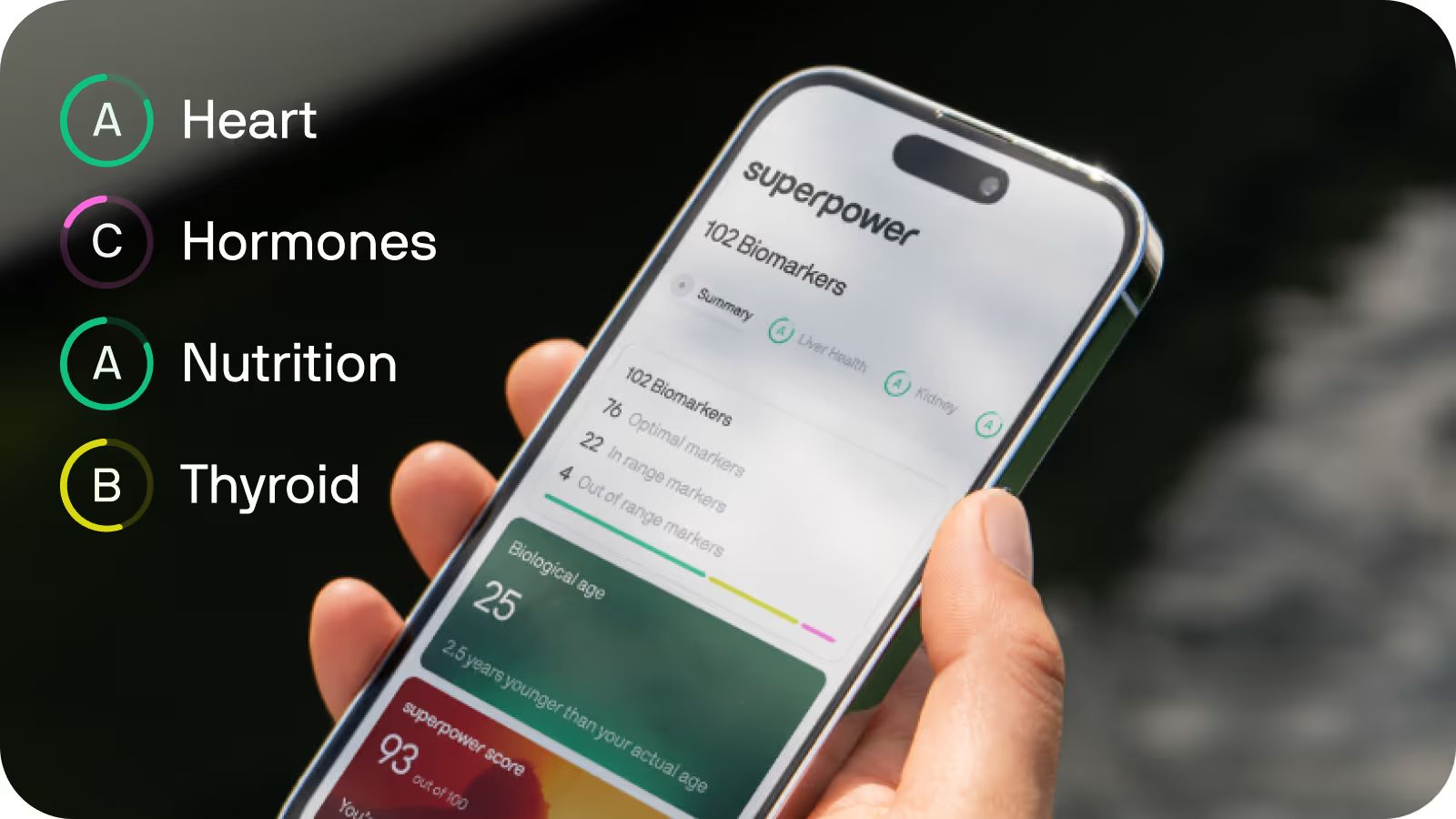
A smartphone displays health app results, showing biomarker summary, superpower score, and biological age details.
What could cost you $15,000 is $199

Superpower
Membership

Your membership includes one comprehensive blood draw each year, covering 100+ biomarkers in a single collection
One appointment, one draw for your annual panel.
100+ labs tested per year
A personalized plan that evolves with you
Get your biological age and track your health over a lifetime
$
17
/month
billed annually
Pricing for members in NY & NJ is $499
Flexible payment options
Four credit card logos: HSA/FSA Eligible, American Express, Visa, and Mastercard.
Start testing
Cancel anytime
HSA/FSA eligible
Results in a week

Finally, healthcare that looks at the whole you