
Excellent 4.6 out of 5
Cancers

Blood Testing for Lung Cancer

Blood tests support lung cancer care by revealing systemic changes—electrolyte balance, calcium metabolism, and stress hormones—that reflect disease burden and treatment effects. At Superpower, we test Sodium, Calcium, and Cortisol. We offer in-clinic and at-home testing; home collection is currently available in selected states. (See FAQs below for more info).

Book a Lung Cancer blood test today.
Cancel anytime
HSA/FSA eligible
Results in a week
Physician reviewed

Every result is checked

·
CLIA-certified labs

Federal standard for testing

·
HIPAA compliant

Your data is 100% secure

Key Benefits

  • Spot cancer-related sodium, calcium, and cortisol shifts that affect safety and treatment.
  • Flag hyponatremia early; small-cell lung cancer can cause water retention, headaches, confusion, seizures.
  • Catch high calcium fast; squamous lung cancers often raise calcium causing thirst and drowsiness.
  • Clarify fatigue and weakness by separating electrolyte issues from anemia, infection, or progression.
  • Guide urgent care needs; severe sodium or calcium shifts may require IV therapy.
  • Monitor cortisol to detect adrenal insufficiency from immunotherapy, metastases, or steroid tapering.
  • Support treatment planning by adjusting fluids, salts, bone-strengthening medicines, or steroids when needed.
  • Track trends using morning cortisol; interpret alongside kidney function, medications, and hydration status.

What are Lung Cancer biomarkers?

Lung cancer biomarkers are traces of the tumor’s biology that appear in the blood and reveal what the cancer is doing and how best to treat it. As lung tumors grow and turn over, they release DNA fragments, proteins, and occasional whole cells into circulation. Blood tests can capture and decode these signals. DNA fragments from the tumor (circulating tumor DNA, ctDNA) carry the cancer’s instructions, including targetable changes such as EGFR, ALK, ROS1, and KRAS, as well as resistance mutations that emerge under therapy. Protein markers shed by tumor cells (CEA, CYFRA 21-1, NSE, ProGRP) and rare circulating tumor cells (CTCs) reflect tumor burden and cell death. Together, these biomarkers enable a “liquid biopsy”: a repeatable, low-risk way to characterize the tumor’s molecular drivers, select targeted drugs, monitor response, and detect relapse earlier than scans. They also offer clues to immunotherapy sensitivity, such as overall mutation load in blood (blood TMB). In short, lung cancer biomarkers turn the tumor’s biological whispers into actionable guidance throughout care.

Why is blood testing for Lung Cancer important?

Blood tests in lung cancer track biomarkers that signal tumor activity, paraneoplastic hormone release, tissue breakdown, and the body’s stress and immune responses. Beyond tumor markers such as CEA, CYFRA 21‑1, NSE, and ProGRP, routine chemistries and hormones reveal how the disease is influencing the brain, heart, kidneys, bones, and metabolism.For orientation, sodium generally runs 135–145, and calcium about 8.6–10.2, with most people healthiest near the middle. Cortisol follows a diurnal curve—high in the morning, low by evening—so “optimal” is about the right rhythm rather than a single number.When values fall, they tell a story. Low sodium often reflects SIADH from small‑cell lung cancer, where excess antidiuretic hormone traps water, diluting salts; people feel headache, nausea, confusion, or seizures as brain cells swell. Mildly lower sodium can appear in pregnancy, making symptoms easier to miss. Low calcium is less typical but may occur with vitamin D deficiency or extensive bone involvement, causing tingling, cramps, or spasms. If cortisol is low—sometimes from adrenal metastases—expect fatigue, weight loss, low blood pressure, and worsening hyponatremia.When values rise, different mechanisms are at play. High sodium points to water loss or diabetes insipidus from brain involvement, bringing intense thirst and mental clouding. High calcium, classic with squamous cell tumors via PTH‑related peptide, causes constipation, dehydration, confusion, arrhythmias, and kidney stones. Excess cortisol from ectopic ACTH in small‑cell disease drives muscle weakness, high glucose, infections, and in women irregular cycles; in children it can blunt growth.Big picture, these biomarkers integrate tumor biology with neuroendocrine, renal, and skeletal physiology. Tracking them alongside imaging refines prognosis, flags complications early, and links cancer behavior to long‑term risks like cognitive decline, fractures, kidney injury, and cardiometabolic strain.

What insights will I get?

Lung cancer blood testing provides insight into how the body’s core systems are coping with the presence of cancer. At a systems level, these tests help us understand the impact of lung cancer on energy balance, mineral metabolism, stress response, and overall physiological stability. At Superpower, we focus on three key biomarkers: sodium, calcium, and cortisol.Sodium is an essential electrolyte that helps regulate fluid balance, nerve function, and blood pressure. In lung cancer, abnormal sodium levels can signal disruptions in water balance or hormone production, sometimes due to the cancer itself or as a side effect of treatment. Calcium is vital for bone health, muscle contraction, and nerve signaling. Lung cancer can cause calcium levels to rise or fall, often reflecting changes in bone metabolism or the release of certain hormones by tumors. Cortisol is a hormone produced by the adrenal glands in response to stress. Elevated or suppressed cortisol levels in lung cancer may indicate how the body is managing chronic stress, inflammation, or the effects of cancer therapies.Together, sodium, calcium, and cortisol provide a window into the body’s ability to maintain stability—what medicine calls homeostasis—when challenged by lung cancer. Stable levels suggest the body is adapting well, while significant changes may point to complications or the need for closer monitoring.Interpretation of these biomarkers depends on several factors, including age, other medical conditions, medications, and even the specific laboratory methods used. Temporary changes can also occur with acute illness, dehydration, or recent treatments, so results are always considered in context.

Superpower also tests for

See more diseases

Frequently Asked Questions About

What is Lung Cancer blood testing?

It’s a set of blood measurements that reveal how your body is reacting to possible lung cancer, not a stand‑alone cancer diagnosis. Superpower tests your blood for sodium, calcium, and cortisol. These reflect paraneoplastic and systemic effects: low sodium from SIADH, high calcium from PTH‑related peptide, and high cortisol from ectopic ACTH or stress. Tumor markers may be used selectively, but imaging and biopsy diagnose cancer.

Why should I get Lung Cancer blood testing?

To detect complications early and understand whole‑body impact. Hyponatremia signals SIADH, hypercalcemia signals PTHrP‑mediated bone resorption, and elevated cortisol may indicate ectopic ACTH or physiologic stress. Baselines also help monitor treatment tolerance, fluid/electrolyte balance, and endocrine effects. Blood tests guide next steps; they do not confirm cancer by themselves.

Can I get a blood test at home?

Yes. With Superpower, our team member can organise a blood draw in your home.

How often should I test?

There’s no universal schedule. Get a baseline when evaluating symptoms or risk, then repeat based on clinical changes or during treatment to track complications. Cortisol is most useful when drawn at the same morning time for comparability. Your care plan and imaging/biopsy results determine cadence; blood tests alone don’t screen for lung cancer.

What can affect biomarker levels?

Hydration and sodium intake shift serum sodium; diuretics and IV fluids do too. Calcium changes with albumin level, vitamin D or calcium supplements, kidney function, and bone turnover. Cortisol varies by time of day, sleep, acute illness, and corticosteroid medicines. Smoking, infection, stress responses, and lab timing can move all three. These are physiologic modifiers, not diagnoses.

Are there any preparations needed before the blood test for Sodium, Calcium, Cortisol?

Morning sampling (around 8–10 a.m.) improves cortisol interpretation due to diurnal rhythm. Fasting and minimal tourniquet time help stabilize total calcium (albumin‑bound) and reduce hemoconcentration effects on sodium. Keep usual hydration and diet; do not stop prescribed medicines unless your clinician has told you to. Tell the team about supplements, especially calcium and vitamin D.

Can lifestyle changes affect my biomarker levels?

Yes, within limits. Sodium tracks fluid balance and salt intake; calcium tracks dietary calcium/vitamin D and bone turnover; cortisol tracks sleep quality, psychological stress, and physical strain. Large or persistent shifts suggest disease processes (SIADH, PTHrP secretion, ectopic ACTH) rather than lifestyle alone and warrant medical correlation.

How do I interpret my results?

View them as system signals, not a diagnosis. Low sodium suggests SIADH from small‑cell lung cancer; high calcium suggests PTHrP‑mediated hypercalcemia, often in squamous histology; high cortisol suggests ectopic ACTH or acute stress. Normal values do not exclude cancer. Patterns over time, symptoms, imaging, and ultimately tissue diagnosis determine whether lung cancer is present.

What states are Superpower’s at-home blood testing available in?

Superpower currently offers at-home blood testing in the following states: Alabama, Arizona, California, Colorado, Connecticut, Delaware, District of Columbia, Florida, Georgia, Idaho, Illinois, Indiana, Kansas, Maine, Maryland, Massachusetts, Michigan, Minnesota, Missouri, Montana, Nebraska, Nevada, New Hampshire, New Jersey, New Mexico, New York, North Carolina, Ohio, Oklahoma, Oregon, Pennsylvania, South Carolina, Tennessee, Texas, Utah, Vermont, Virginia, Washington, West Virginia, and Wisconsin.We’re actively expanding nationwide, with new states being added regularly. If your state isn’t listed yet, stay tuned.

How it works

1

Test your whole body

Get a comprehensive blood draw at one of our 2,000+ partner labs or from the comfort of your own home.

2

An Actionable Plan

Easy to understand results & a clear action plan with tailored recommendations on diet, lifestyle changes, supplements and pharmaceuticals.

3

A Connected Ecosystem

You can book additional diagnostics, buy curated supplements for 20% off & pharmaceuticals within your Superpower dashboard.

Superpower tests more than 
100+ biomarkers & common symptoms

Developed by world-class medical professionals

Supported by the world’s top longevity clinicians and MDs.

Dr Anant Vinjamoori

Superpower Chief Longevity Officer, Harvard MD & MBA

A smiling woman wearing a white coat and stethoscope poses for a portrait.

Dr Leigh Erin Connealy

Clinician & Founder of The Centre for New Medicine

Man in a black medical scrub top smiling at the camera.

Dr Abe Malkin

Founder & Medical Director of Concierge MD

Dr Robert Lufkin

UCLA Medical Professor, NYT Bestselling Author

Your membership

Select your assessment level

Superpower provides the most advanced health check with a plan that works. Go far beyond your annual physical.

Panels designed by

world class clinicians

2,000+ lab locations

across the country

Baseline

$199/yr

100+ biomarker blood test

Performance

Recommended

$365/yr

115+ biomarker blood test

60 biomarker follow-up retest

Complete

$649/yr

115+ biomarker blood test

60 biomarker follow-up retest

Gut microbiome analysis

Organ age breakdown

Get started
Loading...
HSA/ FSA eligible · Secure checkout

Baseline

$199

per year

Covers your metabolic, hormonal and cardiovascular baseline. The best basis for a single snapshot of your overall health.

What's included

Test Breakdown

These are the panels offered in the tiers above

100+ biomarker blood test

Heart & Vascular Health

20 markers

ApoB, LDL-Cholesterol, Triglycerides

Sex Hormones

8 markers

Testosterone, Estradiol, DHEA-S, Cortisol

Metabolic Health

7 markers

Glucose, HbA1c

Thyroid Health

4 markers

TSH, T3 Uptake, Free T4, T4 Total

Liver Health

13 markers

ALT, AST, GGT, Bilirubin

Nutrients

12 markers

Vitamin D, Total Protein, Hemoglobin

Immune System

16 markers

White blood cells, Neutrophils, Lymphocytes

Energy

5 markers

Ferritin, Iron, Cortisol

Kidney Health

9 markers

Creatinine, eGFR, Potassium, Sodium

See full list →

+21 additional

Included with every assessment

17 health areas developed by world class clinicians

Personalized clinical protocol

On-demand messaging with your care team

20% off superpower marketplace

Member pricing on add-on tests, supplements & RX

Upload past labs & wearable data for tracking

Superpower AI — a world class system trained on you

Complete

$649

per year

Normally $703 (save 8%)

Adds gut microbiome analysis and organ age surfacing, what standard blood panels may miss across energy, digestion, and immunity.

What's included

Test Breakdown

These are the panels offered in the tiers above

115+ biomarker blood test

Heart & Vascular Health

20 markers

ApoB, LDL-Cholesterol, Triglycerides, Lipoprotein(a)

Sex Hormones

11 markers

Testosterone, Estradiol, DHEA-S, Cortisol, PSA, FSH, LH, AMH

Metabolic Health

7 markers

Glucose, HbA1c, Insulin

Thyroid Health

4 markers

TSH, T3 Uptake, Free T4, T4 Total

Liver Health

8 markers

ALT, AST, GGT, Bilirubin

Nutrients

12 markers

Vitamin D, Total Protein, Hemoglobin

Immune System

16 markers

White blood cells, Neutrophils, Lymphocytes

Energy

5 markers

Ferritin, Iron, Cortisol

Kidney Health

24 markers

Creatinine, eGFR, Potassium, Urinary pH, RBC Urine, Nitrites

DNA Health

3 markers

Homocysteine, B12, Folate

Inflammation

3 markers

hs-CRP, Systemic Immune-Inflammation Index

See full list →

+8 additional

60 biomarker follow-up retest

Retesting panel

100 markers

Complete second draw — 60 biomarkers retested for longitudinal tracking.
Most biomarkers can move significantly within 3–6 months if you're actively trying to fix them.

Gut microbiome analysis

$239

Gut microbiome

300+ data points

Profiles 300 bacterial strains in your gut to map your microbial balance.
Identifies dysbiosis that may be driving symptoms like bloating, irregular digestion, skin issues, and mood changes, with actionable guidance on diet and lifestyle shifts to help restore balance.

Organ age breakdown

$99

OrganAge is the most detailed biological age test available today. Rather than showing a single number, it reveals how old each of your body's nine key systems is

Organ age breakdown

10 key systems

Circulatory, digestive, genitourinary, infectious, mental, metabolic, musculoskeletal, nervous, respiratory and systemic ages based on cutting edge longevity research

Included with every assessment

17 health areas developed by world class clinicians

Personalized clinical protocol

On-demand messaging with your care team

20% off superpower marketplace

Member pricing on add-on tests, supplements & RX

Upload past labs & wearable data for tracking

Superpower AI — a world class system trained on you

Get started
Loading...
HSA/ FSA eligible · Secure checkout

Finally, healthcare that looks at the whole you

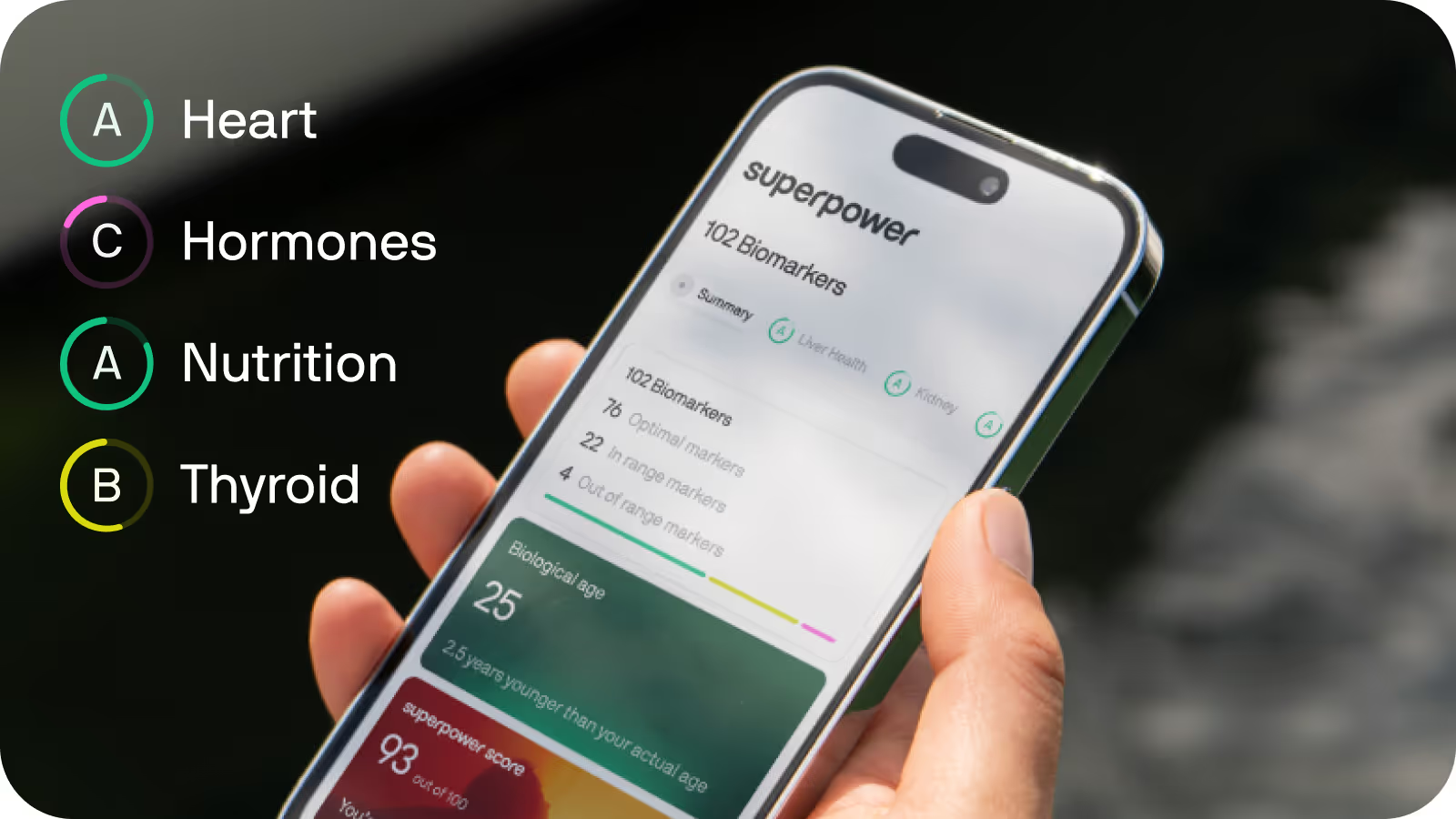
Superpower app on phone
Designed by world-class physicians

Get simple, free protocols for energy, heart health and more

Please enter a valid email address

Free protocols for

Improving energy with simple lifestyle changes

Reducing heart attack risk if you’re 30+

Slowing your pace of aging

Thanks for signing up!

Your health journey starts now. Watch your inbox for updates and smarter health insights – stay tuned.