Excellent 4.6 out of 5
Renal and Electrolyte Disorders

Blood Testing for Hypocalcemia

Blood testing for hypocalcemia clarifies nerve, muscle, and bone function by measuring circulating calcium balance. Superpower offers Calcium, Corrected Calcium, and Albumin tests to assess low calcium states. We provide in-clinic and at-home testing; home collection is currently available in selected states. (See FAQs below for more info).

Book a Hypocalcemia blood test today.
Cancel anytime
HSA/FSA eligible
Results in a week
Physician reviewed

Every result is checked

·
CLIA-certified labs

Federal standard for testing

·
HIPAA compliant

Your data is 100% secure

Key Benefits

  • Confirm true low calcium by correcting for albumin, not just total.
  • Spot hypocalcemia early to prevent cramps, tingling, seizures, and arrhythmias.
  • Explain numbness, muscle spasms, or fatigue by linking symptoms to calcium levels.
  • Guide urgent care needs and supplementation by distinguishing true from albumin-related lows.
  • Support pregnancy care by relying on corrected calcium as albumin falls.
  • Track trends over time to monitor response to vitamin D or magnesium correction.
  • Clarify causes like parathyroid problems, kidney disease, or pancreatitis when calcium is low.
  • Interpret results best with ionized calcium, parathyroid hormone, magnesium, phosphate, and symptoms.

What are Hypocalcemia biomarkers?

Hypocalcemia biomarkers are blood measurements that map the body’s calcium‑control system and show why biologically active calcium is in short supply. The anchor is the free, usable fraction of calcium (ionized calcium), with total calcium interpreted in the context of its main carrier protein (albumin). The key regulator comes from the parathyroid glands (parathyroid hormone, PTH), which directs bone, kidneys, and intestines to restore calcium availability. Your vitamin D status is captured by the stored form made in the liver or obtained from diet and sun (25‑hydroxyvitamin D) and the kidney‑made active hormone that drives absorption (1,25‑dihydroxyvitamin D). Partner minerals refine the picture: phosphate interacts closely with calcium in bone and blood (phosphate), and an essential cofactor can impair PTH secretion and action when depleted (magnesium). Kidney participation is reflected by standard kidney function markers, since kidneys activate vitamin D and reabsorb calcium. Together, these biomarkers reveal whether the issue is intake and absorption, hormonal signaling, mineral balance, or organ handling—enabling targeted, physiology‑based care.

Why is blood testing for Hypocalcemia important?

Calcium is the body’s electrical currency for nerves, muscles, and the heartbeat, and a key building block for bone. Blood testing for hypocalcemia looks at total calcium, corrected calcium, and albumin to show whether the active calcium signal is stable across brain, heart, muscle, and bone.Total calcium generally lives in a narrow range, with “feels-best” values tending toward the middle. Albumin typically sits in a mid-range as well; because much of calcium is bound to albumin, a low albumin can make total calcium look low even when the biologically active share is normal. Corrected calcium accounts for albumin and better reflects true status; ionized calcium directly measures the active fraction. In pregnancy, total calcium often appears lower due to hemodilution and lower albumin, so corrected or ionized values are most informative.When corrected or ionized calcium is genuinely low, the physiology points to impaired parathyroid hormone–vitamin D–kidney signaling, poor intestinal absorption, magnesium deficiency, or acute shifts (pancreatitis, massive transfusion). People may notice tingling in lips or fingers, muscle cramps, facial twitching, or hand/foot spasms; severe cases can bring laryngospasm or seizures. The heart may show a prolonged QT and arrhythmia risk. Children can present with irritability, seizures, or poor growth; newborns may be jittery. During pregnancy and lactation, true hypocalcemia raises risks of maternal tetany and neonatal hypocalcemia.Big picture: calcium status integrates bone stores, gut absorption, kidney regulation, albumin from the liver, and parathyroid function. Persistent hypocalcemia stresses neuromuscular function, destabilizes cardiac conduction, and, over time, can impair bone quality and life quality.

What insights will I get?

Hypocalcemia blood testing is essential for understanding how your body maintains the balance of calcium, a mineral critical for nerve signaling, muscle contraction, heart rhythm, and bone strength. Calcium also plays a key role in hormone release, blood clotting, and cellular energy production. At Superpower, we assess your calcium status using three biomarkers: Calcium, Corrected Calcium, and Albumin.Calcium is the main mineral measured in your blood, reflecting the amount available for immediate physiological needs. Albumin is a protein that binds and transports calcium in the bloodstream. Because a significant portion of calcium is attached to albumin, low albumin levels can make total calcium appear falsely low. Corrected Calcium is a calculated value that adjusts for albumin levels, providing a more accurate picture of the biologically active, or “free,” calcium in your blood. Hypocalcemia refers to a state where these measures indicate lower-than-expected calcium availability.Stable calcium levels are vital for the healthy function of your nervous, muscular, and cardiovascular systems. When calcium drops too low, nerve and muscle cells become more excitable, which can disrupt normal heart rhythms and muscle control. Corrected Calcium helps clarify whether low total calcium is a true deficiency or simply reflects changes in albumin, ensuring a more precise assessment of your body’s calcium status.Interpretation of hypocalcemia testing can be influenced by factors such as age, pregnancy, acute illness, certain medications, and laboratory assay differences. These variables can affect calcium and albumin levels, so results are always considered in the context of your overall health and clinical situation.

Superpower also tests for

See more diseases

Frequently Asked Questions About

What is Hypocalcemia blood testing?

This blood test looks at how much calcium is circulating in your blood and how much is truly available to cells. Calcium drives nerve signals, muscle contraction, heart rhythm, and bone mineralization. Because most calcium rides on proteins, we measure total Calcium and Albumin and then calculate Corrected Calcium to approximate the active fraction (ionized calcium). Superpower tests your blood for Calcium, Corrected Calcium, and Albumin.

Why should I get Hypocalcemia blood testing?

Low blood calcium can disrupt nerve and muscle function, trigger cramps or tingling, and affect heart rhythm and bone health. Testing clarifies whether calcium is actually low or just appears low because albumin is reduced. It also helps flag upstream problems in the calcium–parathyroid–vitamin D–kidney axis. Superpower reports Calcium, Corrected Calcium, and Albumin together to pinpoint true hypocalcemia.

Can I get a blood test at home?

Yes. With Superpower, our team member can organise a blood draw in your home.

How often should I test?

If you’ve never checked, a single baseline is reasonable. If results are abnormal, recent surgery or illness occurred, or you use medicines that shift calcium balance, repeat testing is often needed to confirm trends. People with kidney disease, parathyroid disorders, or on calcium-/bone-active drugs generally need more frequent checks. Stable, low-risk individuals can often re-test annually or as advised after prior results.

What can affect biomarker levels?

Albumin strongly affects total calcium; low albumin can make calcium look low when biologically active calcium is normal. pH shifts, magnesium status, parathyroid hormone, vitamin D, kidney or liver disease, and acute illness (e.g., pancreatitis) can lower calcium. Medicines such as diuretics, lithium, bisphosphonates, proton pump inhibitors, and anticonvulsants can alter levels. Pregnancy, major transfusion, and lab timing/handling can also influence results.

Are there any preparations needed before the blood test for Calcium, Corrected Calcium, Albumin?

No special preparation is required. Fasting is not needed. Stay hydrated and avoid prolonged tourniquet time if possible. Tell us about all medicines and supplements, especially diuretics, lithium, anticonvulsants, high-dose vitamin D, or calcium products, as they can affect interpretation. Superpower measures Calcium and Albumin in the same sample and calculates Corrected Calcium.

Can lifestyle changes affect my biomarker levels?

Yes, but usually over weeks to months. Dietary calcium and vitamin D intake, sun exposure (vitamin D synthesis), and physical activity influence bone remodeling and the hormonal control of calcium. Alcohol use, smoking, and chronic stress can also impact the calcium–bone–parathyroid system. Acute day-to-day lifestyle shifts rarely cause large changes in corrected calcium without an underlying medical driver.

How do I interpret my results?

Look first at Corrected Calcium alongside Albumin. If corrected calcium is below the reference range, that indicates hypocalcemia, which can impair neuromuscular and cardiac function. If total calcium is low but albumin is low, corrected calcium may be normal—this is pseudohypocalcemia. Consider context: symptoms, magnesium, kidney function, vitamin D, and parathyroid status. Marked or persistent abnormalities warrant medical evaluation. Superpower reports Calcium, Corrected Calcium, and Albumin together to clarify true calcium status.

What states are Superpower’s at-home blood testing available in?

Superpower currently offers at-home blood testing in the following states: Alabama, Arizona, California, Colorado, Connecticut, Delaware, District of Columbia, Florida, Georgia, Idaho, Illinois, Indiana, Kansas, Maine, Maryland, Massachusetts, Michigan, Minnesota, Missouri, Montana, Nebraska, Nevada, New Hampshire, New Jersey, New Mexico, New York, North Carolina, Ohio, Oklahoma, Oregon, Pennsylvania, South Carolina, Tennessee, Texas, Utah, Vermont, Virginia, Washington, West Virginia, and Wisconsin.We’re actively expanding nationwide, with new states being added regularly. If your state isn’t listed yet, stay tuned.

How it works

1

Test your whole body

Get a comprehensive blood draw at one of our 3,000+ partner labs or from the comfort of your own home.

2

An Actionable Plan

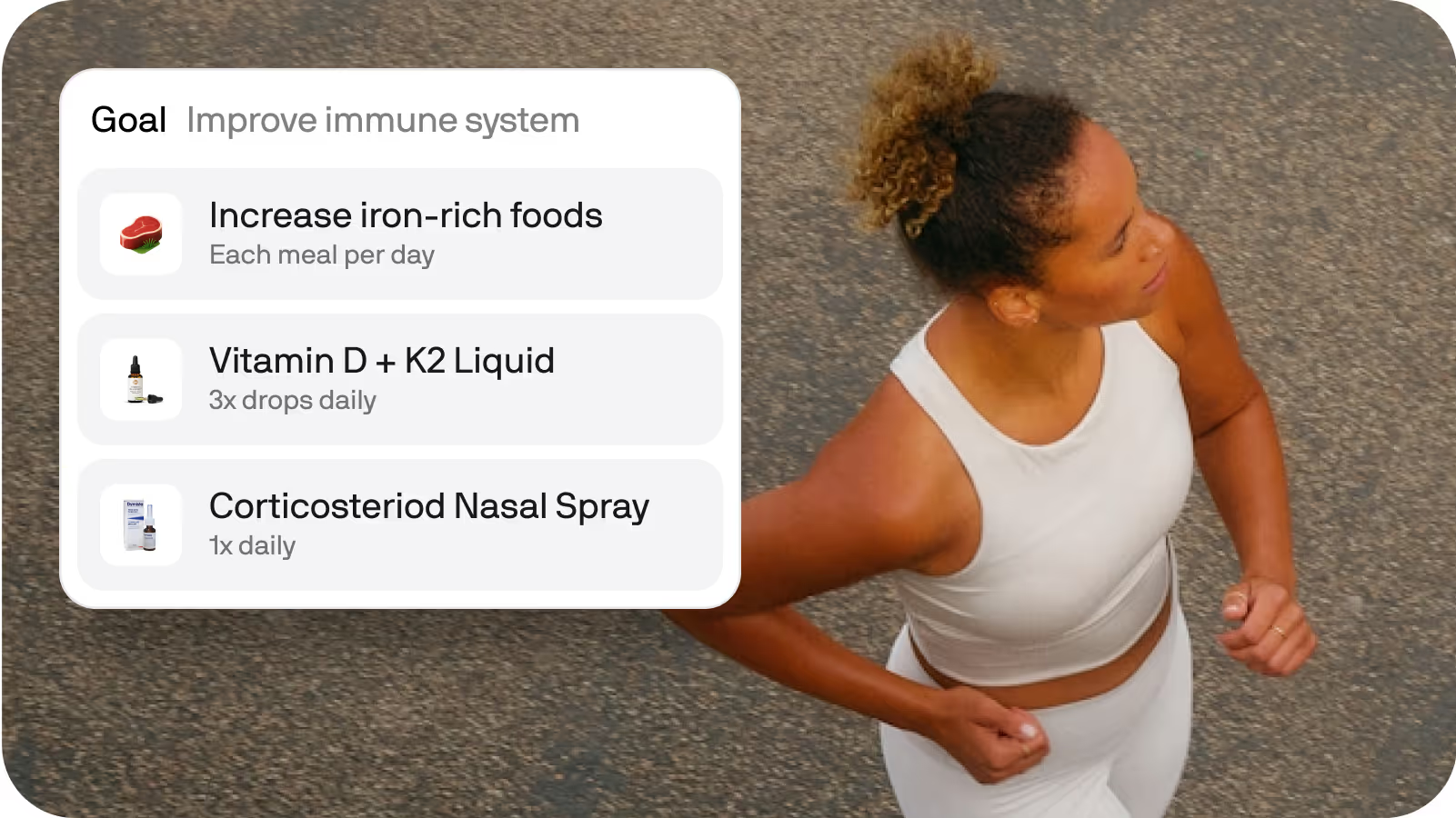
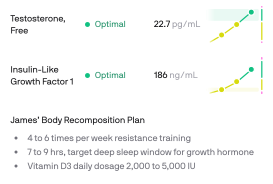
Easy to understand results & a clear action plan with tailored recommendations on diet, lifestyle changes, supplements and pharmaceuticals.

3

A Connected Ecosystem

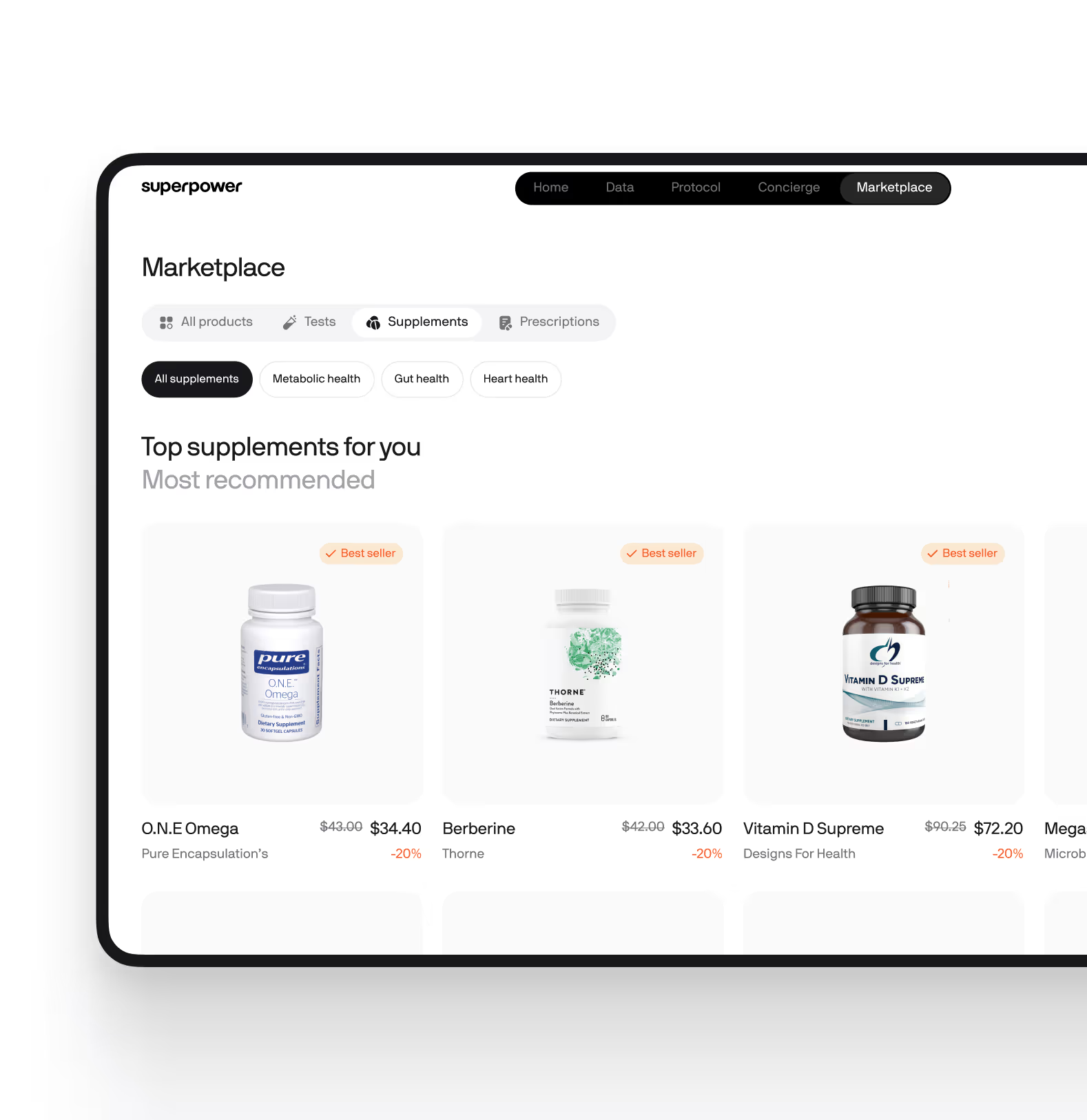
You can book additional diagnostics, buy curated supplements for 20% off & pharmaceuticals within your Superpower dashboard.

Superpower tests more than 
100+ biomarkers & common symptoms

Developed by world-class medical professionals

Supported by the world’s top longevity clinicians and MDs.

Dr Anant Vinjamoori

Superpower Chief Longevity Officer, Harvard MD & MBA

A smiling woman wearing a white coat and stethoscope poses for a portrait.

Dr Leigh Erin Connealy

Clinician & Founder of The Centre for New Medicine

Man in a black medical scrub top smiling at the camera.

Dr Abe Malkin

Founder & Medical Director of Concierge MD

Dr Robert Lufkin

UCLA Medical Professor, NYT Bestselling Author

membership

$17

/month
Billed annually at $199
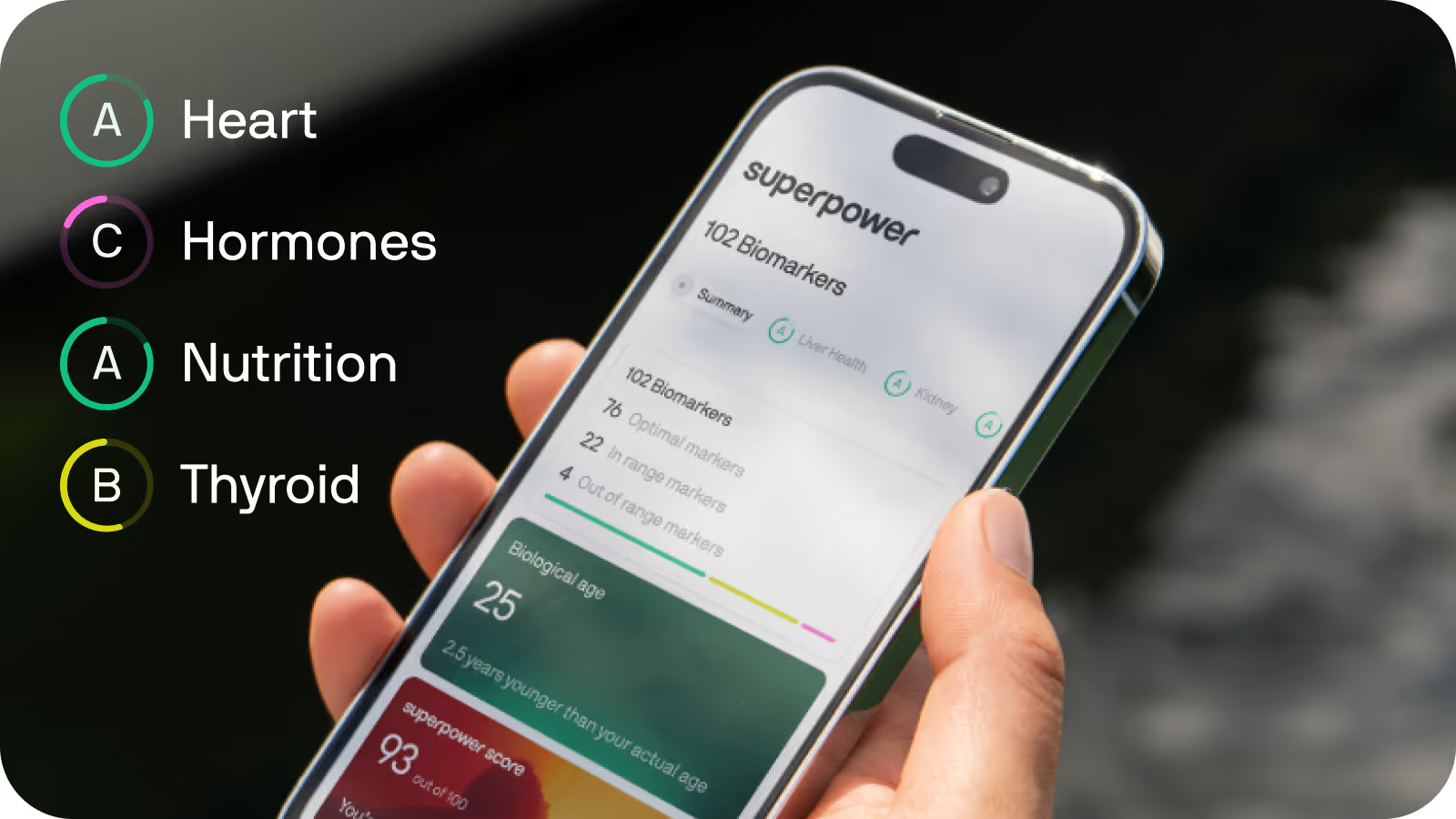
A smartphone displays health app results, showing biomarker summary, superpower score, and biological age details.
What could cost you $15,000 is $199

Superpower
Membership

Your membership includes one comprehensive blood draw each year, covering 100+ biomarkers in a single collection
One appointment, one draw for your annual panel.
100+ labs tested per year
A personalized plan that evolves with you
Get your biological age and track your health over a lifetime
$
17
/month
billed annually
Pricing for members in NY & NJ is $499
Flexible payment options
Four credit card logos: HSA/FSA Eligible, American Express, Visa, and Mastercard.
Start testing
Cancel anytime
HSA/FSA eligible
Results in a week

Finally, healthcare that looks at the whole you