Excellent 4.6 out of 5
Infectious Diseases

Blood Testing for Hepatitis

Blood testing for hepatitis clarifies liver inflammation, injury, and function, guiding timely care. At Superpower, we measure ALT, AST, bilirubin, and albumin to assess hepatocellular damage and synthetic capacity. We offer in-clinic and at-home testing; home hepatitis testing is currently available in selected states. (See FAQs below for more info).

Book a Hepatitis blood test today.
Cancel anytime
HSA/FSA eligible
Results in a week
Physician reviewed

Every result is checked

·
CLIA-certified labs

Federal standard for testing

·
HIPAA compliant

Your data is 100% secure

Key Benefits

  • Check liver injury and function to detect and monitor hepatitis.
  • Spot early liver stress; ALT and AST rise with active inflammation.
  • Clarify jaundice and dark urine; bilirubin shows bile buildup from hepatitis.
  • Gauge liver’s protein-making power; albumin reflects chronic injury and disease severity.
  • Guide treatment timing and safety; trends support antiviral decisions and liver-stressing drug adjustments.
  • Track recovery or flare-ups; enzyme and bilirubin changes show response.
  • Protect fertility and pregnancy; stable liver tests support safer conception and prenatal care.
  • Best interpreted with ALP, GGT, hepatitis serologies, and your symptoms.

What are Hepatitis biomarkers?

Hepatitis biomarkers are measurable clues in blood that show if a hepatitis virus is present, how active it is, and how the liver is responding. They fall into three broad groups. Viral identifiers detect the virus itself (HBsAg, HBeAg, HBV DNA, HCV RNA) or the immune system’s response to it (anti-HBs, anti-HBc IgM/IgG, anti-HBe, HCV antibodies). This profile maps exposure versus ongoing infection, recent versus long-standing disease, and contagiousness versus control. Injury signals reflect liver cell damage from inflammation (ALT, AST). Function markers show how well the liver is doing its jobs of bile handling and protein synthesis (bilirubin, albumin, clotting factors). Combined, these tests let clinicians find infection early, decide when to treat, monitor treatment effect, and confirm cure or control. They also help estimate the chance of complications from chronic inflammation and scarring (fibrosis). In short, hepatitis biomarker testing turns a hidden liver infection into a clear, trackable picture of the virus, the host response, and the organ’s health.

Why is blood testing for Hepatitis important?

Hepatitis blood tests reveal how well the liver is handling its core jobs—processing nutrients, neutralizing toxins, making proteins, and managing bile flow. Together, aminotransferases (ALT, AST), bilirubin, and albumin show cell injury, bile obstruction, and the liver’s synthetic reserve, often before symptoms appear.Typical adult reference ranges are roughly: ALT 7–56, AST 10–40, bilirubin 0.1–1.2, albumin 3.5–5.0. In health, ALT and AST sit in the low-to-mid part of normal; bilirubin stays low; albumin is mid-to-high normal. Men often run slightly higher ALT/AST than women; pregnancy lowers albumin by dilution; newborns have higher bilirubin. When ALT/AST rise, it signals hepatocellular injury; when bilirubin rises, jaundice and itching can follow; albumin rarely runs high except with dehydration.Lower values carry different meanings. Low ALT/AST usually indicate little active liver-cell leakage, but can also reflect low muscle mass or vitamin B6 deficiency; in advanced “burned-out” hepatitis they may be deceptively normal despite severe disease. Low bilirubin is typically benign. Low albumin matters: it signals reduced hepatic protein synthesis or inflammation, and can lead to edema, ascites, and fatigue; in pregnancy, modest lowering is expected, while in children or elders it more strongly suggests illness or malnutrition.Big picture: these markers integrate with metabolism, immunity, clotting, hormones, and the gut–bile axis. Persistent abnormalities track risks of fibrosis, cirrhosis, portal hypertension, and liver cancer, and they intersect with kidney function, muscle health, alcohol, medications, and viral activity—making hepatitis testing central to long-term, system-wide health.

What insights will I get?

Hepatitis blood testing provides a window into the health of your liver, a central organ for energy production, metabolism, detoxification, and immune regulation. When the liver is inflamed or injured—as in hepatitis—its ability to support these vital systems can be compromised. At Superpower, we assess four key biomarkers: ALT, AST, Bilirubin, and Albumin. Together, these markers help us understand how well your liver is functioning and whether it is under stress.ALT (alanine aminotransferase) and AST (aspartate aminotransferase) are enzymes found in liver cells. When the liver is damaged by hepatitis, these enzymes leak into the bloodstream, signaling inflammation or injury. Bilirubin is a yellow pigment produced when red blood cells break down; the liver processes and clears it from the body. Elevated bilirubin can indicate that the liver’s filtering capacity is impaired. Albumin is a protein made by the liver that helps maintain fluid balance and transport hormones and nutrients. Low albumin levels may reflect reduced liver synthetic function, which can occur in chronic or severe hepatitis.Stable, healthy levels of ALT, AST, Bilirubin, and Albumin suggest that the liver is maintaining its essential roles in metabolism, detoxification, and protein synthesis, even in the presence of hepatitis. Significant changes in these markers can signal instability in liver function, which may affect energy, immunity, and overall system health.Interpretation of these biomarkers can be influenced by factors such as age, pregnancy, acute illness, certain medications, and laboratory assay differences. These variables are important to consider when evaluating liver health in the context of hepatitis.

Superpower also tests for

See more diseases

Frequently Asked Questions About

What is Hepatitis blood testing?

It evaluates liver injury and liver function. Hepatitis means liver inflammation; blood tests show how hard the liver is working and whether liver cells are being damaged. Superpower tests your blood for ALT and AST (enzymes released with hepatocyte injury), Bilirubin (bile pigment that rises with impaired processing or blockage), and Albumin (a protein made by the liver that reflects synthetic capacity). Hepatitis evaluations may also include virus-specific markers (for hepatitis A, B, C), but the core picture starts with enzymes, bile handling, and protein production.

Why should I get Hepatitis Hepatitis blood testing?

Liver inflammation is often silent. Testing detects damage early, grades severity, and tracks recovery or progression. Higher ALT and AST signal active hepatocellular injury. Rising Bilirubin suggests impaired bile flow or processing (cholestasis) or increased red cell breakdown. Low Albumin points to reduced liver synthetic function or inflammation. Together, these measures help distinguish acute from chronic patterns, assess risk of complications, and inform whether further viral or imaging tests are needed.

Can I get a blood test at home?

Yes. With Superpower, our team member can organize a professional blood draw in your home. Your samples are processed in accredited labs, and results are returned with clear explanation of ALT, AST, Bilirubin, and Albumin so you can see injury, excretory function, and protein synthesis at a glance.

How often should I test?

Frequency depends on context. A one-time screen establishes a baseline. If you have risk factors, abnormal prior results, known hepatitis, or are starting liver-impacting medications, testing typically ranges from every few weeks during acute illness to every 3–12 months for stable chronic conditions. After an abnormal result, repeat testing clarifies trend and resolution. Your clinical situation and prior values determine the cadence.

What can affect biomarker levels?

Many non-liver factors can shift results. Strenuous exercise and muscle injury raise AST (and sometimes ALT). Recent alcohol, certain medications or supplements, and toxin exposures elevate enzymes. Fasting and hemolysis can raise unconjugated Bilirubin. Dehydration concentrates Albumin; pregnancy and inflammation lower it. Thyroid disease, celiac disease, fatty liver, and metabolic syndrome can change patterns. Even sample handling (hemolysis) can artifactually alter values.

Are there any preparations needed before the blood test for ALT, AST, Bilirubin, Albumin?

No special preparation is usually required; fasting is not necessary for these biomarkers. Staying well hydrated can make the draw easier. Very intense exercise, alcohol, and certain drugs can transiently change ALT/AST or Bilirubin; timing your test away from those exposures improves interpretability. If your blood work is bundled with other panels, you might be asked to fast—follow any specific instructions provided.

Can lifestyle changes affect my biomarker levels?

Yes. Alcohol exposure, body weight and insulin resistance, medication or supplement use, and recent heavy training can all shift ALT/AST. Hydration and systemic inflammation influence Albumin. Caloric restriction or fasting can raise unconjugated Bilirubin in some people. These shifts reflect underlying physiology—hepatocyte injury, bile handling, and protein synthesis—so changes in daily inputs can move the numbers, sometimes quickly.

How do I interpret my results?

Think in patterns and trends. ALT and AST track hepatocellular injury; higher values mean more active damage. ALT>AST often fits viral or metabolic hepatitis; AST>ALT can reflect alcohol or muscle source. Elevated Bilirubin suggests impaired conjugation or bile flow; pale stools or dark urine support cholestasis. Low Albumin indicates reduced synthetic reserve or systemic inflammation. A rising or falling trajectory is more informative than a single value. Final interpretation should integrate symptoms and, when indicated, viral serologies and imaging.

What states are Superpower’s at-home blood testing available in?

Superpower currently offers at-home blood testing in the following states: Alabama, Arizona, California, Colorado, Connecticut, Delaware, District of Columbia, Florida, Georgia, Idaho, Illinois, Indiana, Kansas, Maine, Maryland, Massachusetts, Michigan, Minnesota, Missouri, Montana, Nebraska, Nevada, New Hampshire, New Jersey, New Mexico, New York, North Carolina, Ohio, Oklahoma, Oregon, Pennsylvania, South Carolina, Tennessee, Texas, Utah, Vermont, Virginia, Washington, West Virginia, and Wisconsin.We’re actively expanding nationwide, with new states being added regularly. If your state isn’t listed yet, stay tuned.

How it works

1

Test your whole body

Get a comprehensive blood draw at one of our 3,000+ partner labs or from the comfort of your own home.

2

An Actionable Plan

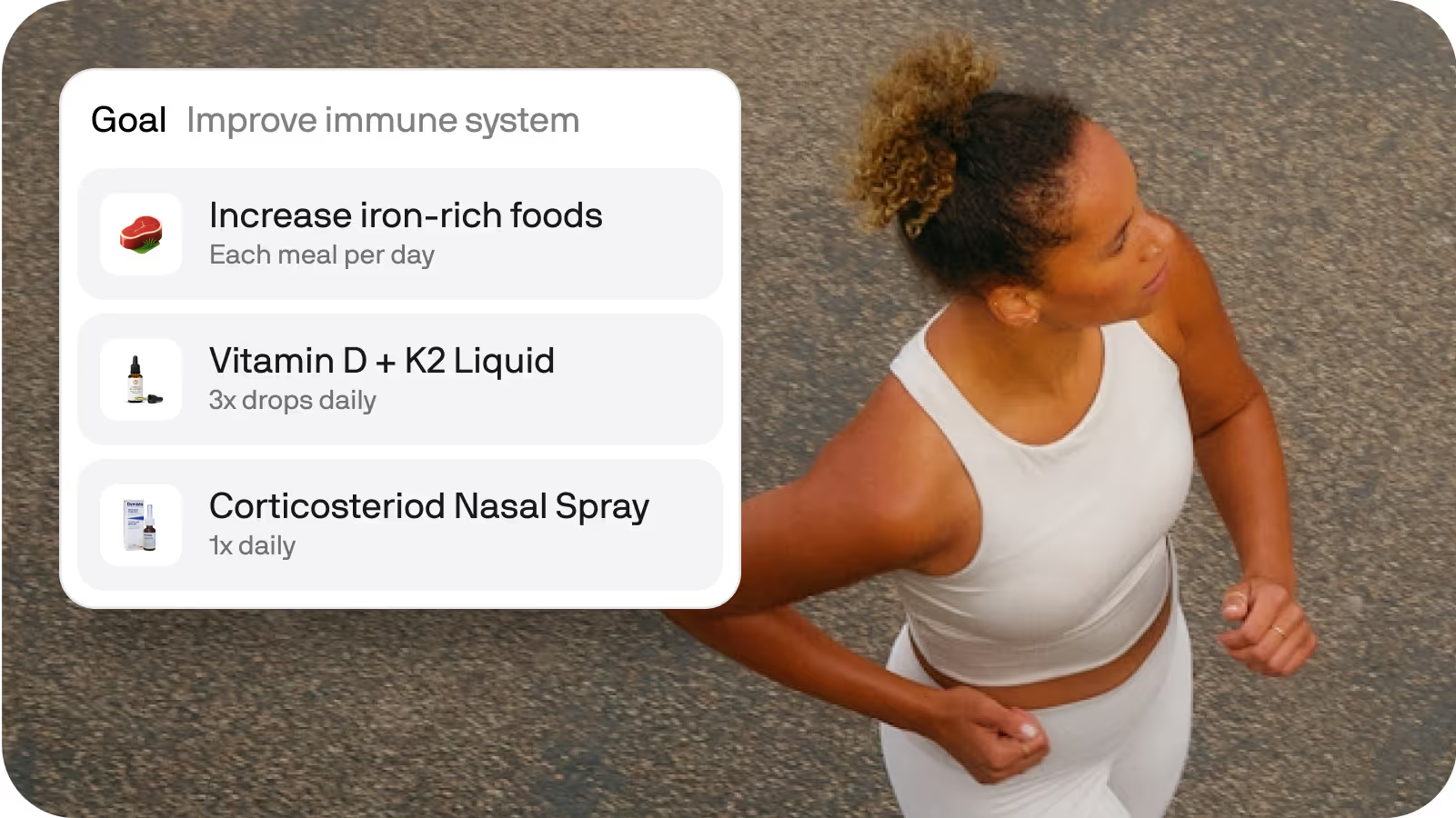
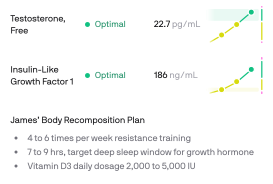
Easy to understand results & a clear action plan with tailored recommendations on diet, lifestyle changes, supplements and pharmaceuticals.

3

A Connected Ecosystem

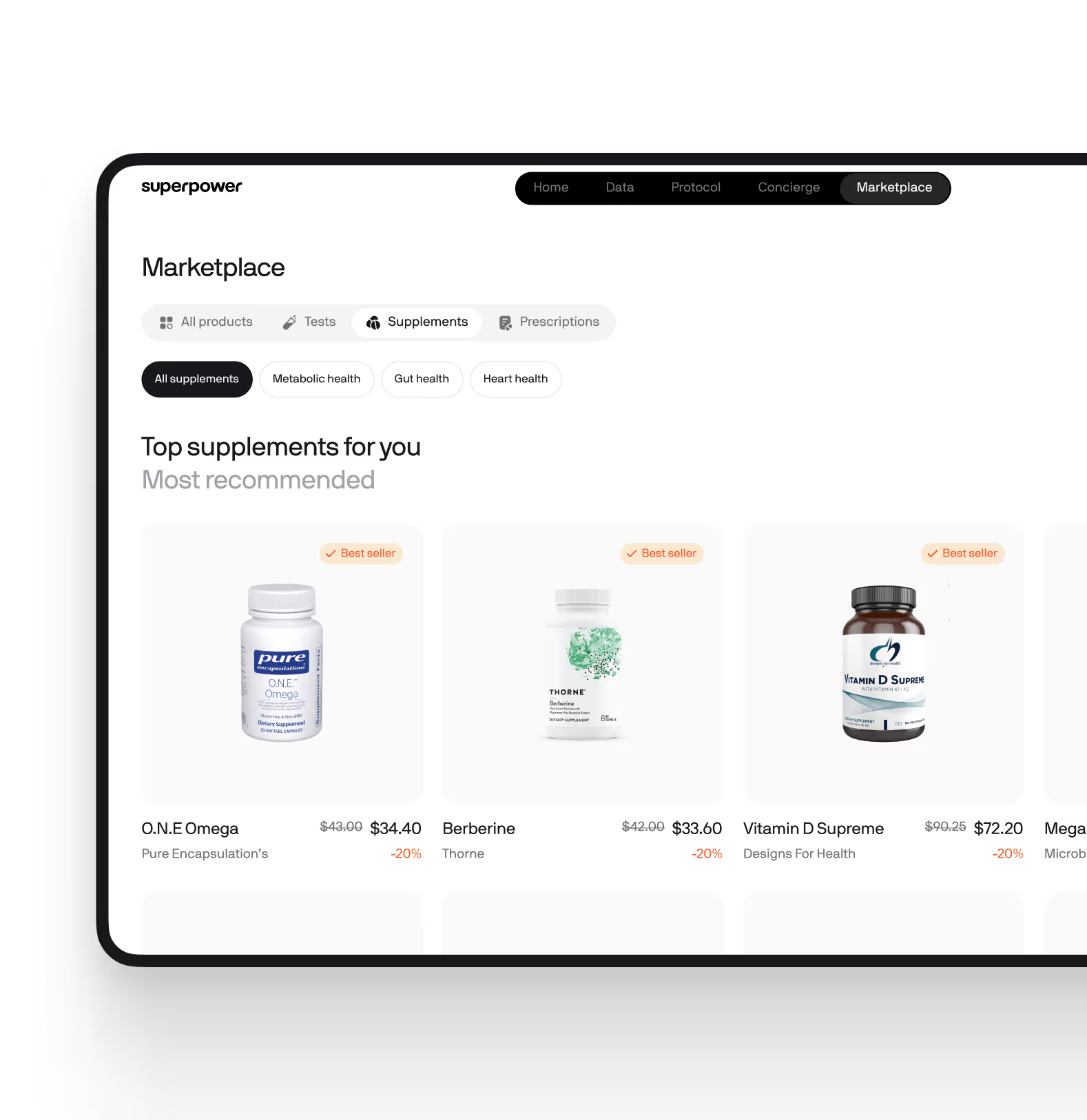
You can book additional diagnostics, buy curated supplements for 20% off & pharmaceuticals within your Superpower dashboard.

Superpower tests more than 
100+ biomarkers & common symptoms

Developed by world-class medical professionals

Supported by the world’s top longevity clinicians and MDs.

Dr Anant Vinjamoori

Superpower Chief Longevity Officer, Harvard MD & MBA

A smiling woman wearing a white coat and stethoscope poses for a portrait.

Dr Leigh Erin Connealy

Clinician & Founder of The Centre for New Medicine

Man in a black medical scrub top smiling at the camera.

Dr Abe Malkin

Founder & Medical Director of Concierge MD

Dr Robert Lufkin

UCLA Medical Professor, NYT Bestselling Author

membership

$17

/month
Billed annually at $199
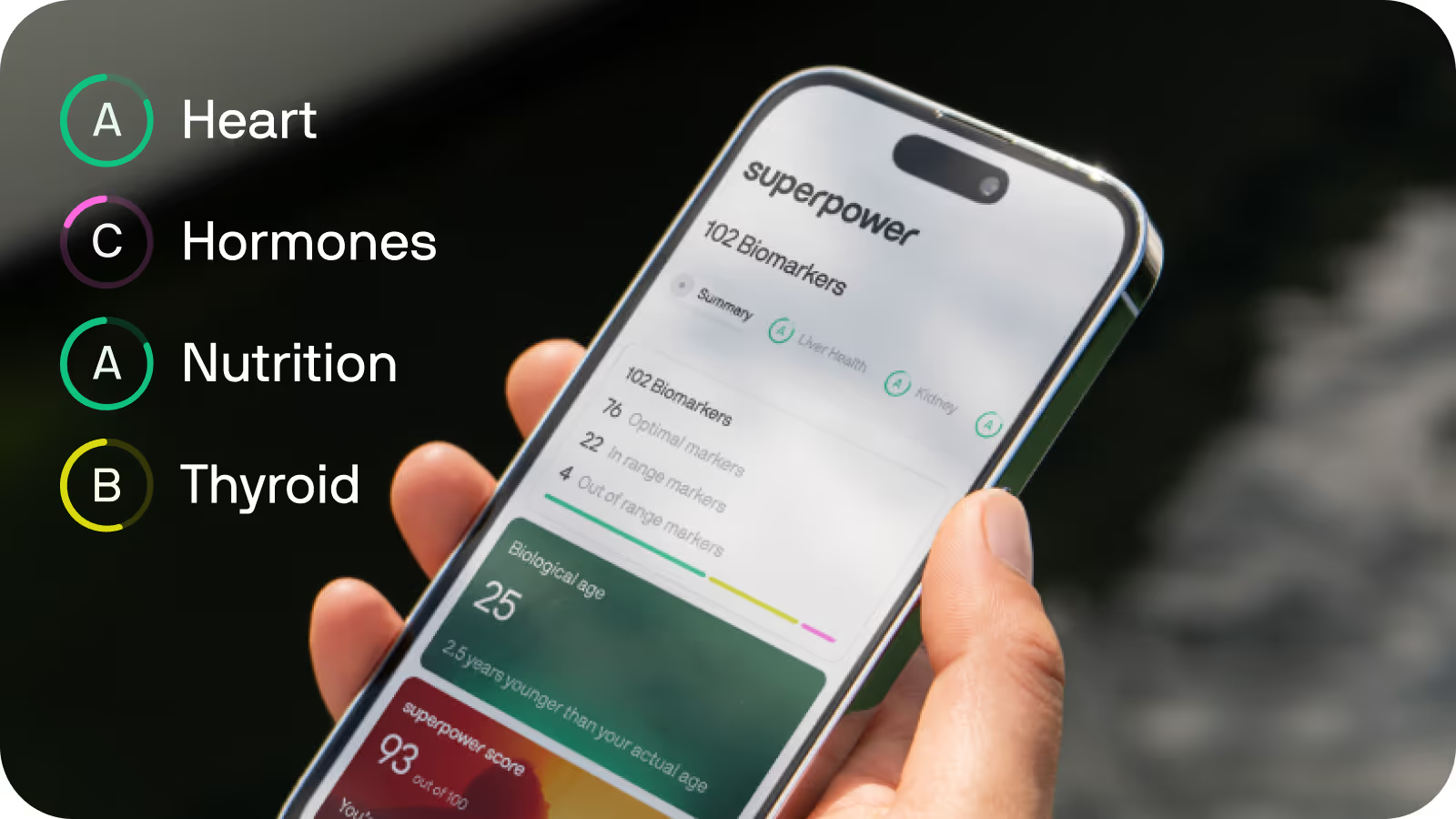
A smartphone displays health app results, showing biomarker summary, superpower score, and biological age details.
What could cost you $15,000 is $199

Superpower
Membership

Your membership includes one comprehensive blood draw each year, covering 100+ biomarkers in a single collection
One appointment, one draw for your annual panel.
100+ labs tested per year
A personalized plan that evolves with you
Get your biological age and track your health over a lifetime
$
17
/month
billed annually
Pricing for members in NY & NJ is $499
Flexible payment options
Four credit card logos: HSA/FSA Eligible, American Express, Visa, and Mastercard.
Start testing
Cancel anytime
HSA/FSA eligible
Results in a week

Finally, healthcare that looks at the whole you