Excellent 4.6 out of 5
Respiratory and Allergic Disorders

Blood Testing for GI Bleed

Blood testing helps detect and quantify GI bleeding by revealing anemia and iron loss. At Superpower, we test Hemoglobin, Iron, Ferritin, and TIBC. We offer in-clinic and at-home testing; home collection for GI bleed testing is available in selected states. (See FAQs below for more info).

Book a GI Bleed blood test today.
Cancel anytime
HSA/FSA eligible
Results in a week
Physician reviewed

Every result is checked

·
CLIA-certified labs

Federal standard for testing

·
HIPAA compliant

Your data is 100% secure

Key Benefits

  • Find blood-loss anemia early, especially from the stomach or intestines.
  • Spot chronic blood loss when iron and ferritin are low and TIBC is high.
  • Explain fatigue, dizziness, or shortness of breath by confirming anemia severity with hemoglobin.
  • Clarify iron deficiency versus inflammation using ferritin, serum iron, and TIBC together.
  • Guide iron therapy choice and dose using ferritin level and iron saturation.
  • Flag need for endoscopy or stool testing when results suggest gastrointestinal blood loss.
  • Track recovery after treatment by watching hemoglobin rise and ferritin stores refill.
  • Support fertility and pregnancy by correcting iron deficiency before conception and during pregnancy.

What are GI Bleed biomarkers?

GI bleed biomarkers tell the story of blood loss in the digestive tract and how the body is coping. They first gauge oxygen-carrying capacity (hemoglobin, hematocrit), showing whether circulating red cells have been depleted. They then reveal the body’s response and reserves: stored iron and transport capacity (ferritin, transferrin saturation) hint at ongoing or repeated loss; young red cells (reticulocytes) show bone marrow recovery efforts. Clotting markers (INR, PT, aPTT) and platelet count describe the blood’s ability to form stable clots, which influences both cause and control of bleeding. Metabolic byproducts add clues: nitrogen waste rising from digested blood (BUN, urea) points toward upper‑gut bleeding, while elevated acid from poor perfusion (lactate) flags severity and shock risk. Kidney and liver panels (creatinine, bilirubin, liver enzymes) help identify organ stress or coexisting disease that can worsen bleeding. No single marker stands alone; together, these measurements map the amount, source, and impact of a GI bleed, guiding decisions on resuscitation, transfusion, medications, and timing of endoscopy.

Why is blood testing for GI Bleed important?

A gastrointestinal bleed is often silent, but it leaves fingerprints in the blood. Key biomarkers—hemoglobin, serum iron, ferritin, and total iron-binding capacity (TIBC)—show how much oxygen your blood can carry, how well you store and mobilize iron, and whether you might be losing blood faster than you can replace it. Because oxygen delivery underpins brain function, heart performance, temperature regulation, and energy, these markers connect a gut problem to whole‑body physiology.Typical reference ranges: hemoglobin is about 13.5–17.5 in men and 12–15.5 in women; serum iron roughly 60–170; ferritin about 30–400 in men and 15–150 in women; TIBC about 240–450. For most people, hemoglobin feels best in the middle‑to‑higher end of normal, ferritin in the middle (not scraping the bottom), serum iron in the mid‑range, and TIBC in the mid‑to‑lower range. Very high ferritin can reflect inflammation or iron overload rather than robustness.When values fall—low hemoglobin, low iron, low ferritin, often with a high TIBC—it suggests iron‑deficiency anemia from chronic or intermittent GI blood loss. Red cells become smaller and paler, reducing oxygen delivery. People notice fatigue, shortness of breath with exertion, palpitations, headache, cold intolerance, restless legs, brittle nails, hair thinning, and decreased concentration; stools may turn dark or red, and dizziness can occur on standing. Menstruating women and teens are more vulnerable to low stores; older adults may present subtly. Pregnancy raises iron demand, so a concurrent bleed can accelerate anemia.Big picture: these biomarkers are an early warning system linking the gut to oxygen transport, cardiac workload, cognition, and development. Patterns also help distinguish iron deficiency from inflammation, which can mask deficiency. Detecting a GI bleed through blood tests prompts timely evaluation, reducing risks like heart strain and missed lesions such as ulcers, polyps, or cancers.

What insights will I get?

GI Bleed blood testing is essential because it helps reveal how well your body is maintaining blood volume, oxygen delivery, and iron stores—key factors for energy, metabolism, cardiovascular health, and immune function. At Superpower, we assess four main biomarkers for GI Bleed: Hemoglobin, Iron, Ferritin, and Total Iron Binding Capacity (TIBC).Hemoglobin is the protein in red blood cells that carries oxygen throughout your body. Iron is a mineral needed to make hemoglobin. Ferritin reflects your body’s iron storage, while TIBC measures your blood’s capacity to transport iron. In the context of a GI Bleed, these markers help detect blood loss and its impact on your body’s ability to deliver oxygen and maintain healthy tissues.When a GI Bleed occurs, hemoglobin levels can drop, signaling reduced oxygen-carrying capacity. Iron and ferritin may also decrease, indicating that your body is using up its iron reserves to replace lost blood. TIBC often rises as your body tries to capture more iron from the bloodstream. Together, these results show how well your system is compensating for blood loss and maintaining stability.Interpretation of these biomarkers can be influenced by factors such as age, pregnancy, chronic illness, recent transfusions, or certain medications. Lab methods and reference ranges may also vary, so results are best understood in the context of your overall health and medical history.

Superpower also tests for

See more diseases

Frequently Asked Questions About

What is GI Bleed blood testing?

This blood panel looks for signs that you’re losing blood from your gastrointestinal tract. Superpower tests Hemoglobin (oxygen-carrying capacity), Iron (circulating iron), Ferritin (iron stores), and TIBC (iron‑binding capacity/transferrin). GI bleeding lowers hemoglobin and depletes iron stores over time. Ferritin falls as stores are used up, serum iron drops, and TIBC typically rises as the liver makes more transferrin when iron is scarce. Together, these markers show whether your body is compensating, depleted, or recovering.

Why should I get GI Bleed blood testing?

It detects hidden blood loss early and quantifies its impact on your whole system. GI bleeding can be silent yet still lower hemoglobin and drain iron stores, leading to fatigue, shortness of breath, and reduced exercise capacity. This panel confirms anemia, distinguishes iron deficiency from inflammation, and tracks recovery. It complements stool tests and endoscopy by showing the physiologic cost of bleeding and how well your bone marrow and iron reserves are keeping up.

Can I get a blood test at home?

Yes. With Superpower, our team member can organize a professional blood draw in your home, using the same clinical protocols and lab processing as an in‑clinic visit. It’s convenient, fast, and suitable for repeat monitoring if you’re assessing for ongoing or recurrent GI blood loss.

How often should I test?

Start with a baseline. If active bleeding is suspected or you’re correcting iron deficiency, testing is typically repeated over weeks to months to document stabilization and repletion. In recovery, recheck every 4–8 weeks until hemoglobin and ferritin normalize, then consider periodic monitoring (for example, annually) if you have ongoing risk. In acute or severe cases, clinicians may monitor more frequently to ensure safety and trajectory.

What can affect biomarker levels?

Hydration and plasma volume shift hemoglobin concentration. Menstrual bleeding, pregnancy, altitude, and endurance training influence red cell mass. Recent iron supplements, transfusions, or IV fluids alter iron, ferritin, and TIBC readings. Inflammation and infection raise ferritin and can lower serum iron and TIBC (anemia of inflammation). Liver disease changes transferrin/TIBC; kidney disease and alcohol use can affect hemoglobin. Time of day and recent meals modestly impact iron studies.

Are there any preparations needed before the blood test for Hemoglobin, Iron, Ferritin, TIBC?

A morning draw after an 8–12 hour fast improves consistency for iron studies. If safe, avoid taking iron supplements for 24 hours before the test. Stay well hydrated and avoid strenuous exercise right before the draw. Tell us about recent transfusions, infections, pregnancy, or IV iron, as these can shift results and how the lab interprets them.

Can lifestyle changes affect my biomarker levels?

Yes, but context matters. Hydration changes hemoglobin concentration. Dietary iron intake influences serum iron and, over time, ferritin (iron stores). Heavy endurance training and altitude can raise hemoglobin mass. Alcohol and systemic inflammation can distort ferritin and TIBC. However, if a GI bleed is driving losses, biomarker improvement hinges on the bleeding’s course; supportive changes can modulate levels but won’t replace addressing the underlying source.

How do I interpret my results?

Low hemoglobin indicates anemia. Low ferritin confirms depleted iron stores (iron deficiency). Low serum iron with high TIBC supports iron deficiency from blood loss. Normal or high ferritin with low iron and low/normal TIBC suggests inflammation or chronic disease rather than pure deficiency. Rising hemoglobin and ferritin show recovery and repletion. Normal results don’t fully exclude intermittent bleeding. Read the pattern as a system: oxygen-carrying capacity, iron-in-transit, stored iron, and the liver’s binding capacity together tell the story.

What states are Superpower’s at-home blood testing available in?

Superpower currently offers at-home blood testing in the following states: Alabama, Arizona, California, Colorado, Connecticut, Delaware, District of Columbia, Florida, Georgia, Idaho, Illinois, Indiana, Kansas, Maine, Maryland, Massachusetts, Michigan, Minnesota, Missouri, Montana, Nebraska, Nevada, New Hampshire, New Jersey, New Mexico, New York, North Carolina, Ohio, Oklahoma, Oregon, Pennsylvania, South Carolina, Tennessee, Texas, Utah, Vermont, Virginia, Washington, West Virginia, and Wisconsin.We’re actively expanding nationwide, with new states being added regularly. If your state isn’t listed yet, stay tuned.

How it works

1

Test your whole body

Get a comprehensive blood draw at one of our 3,000+ partner labs or from the comfort of your own home.

2

An Actionable Plan

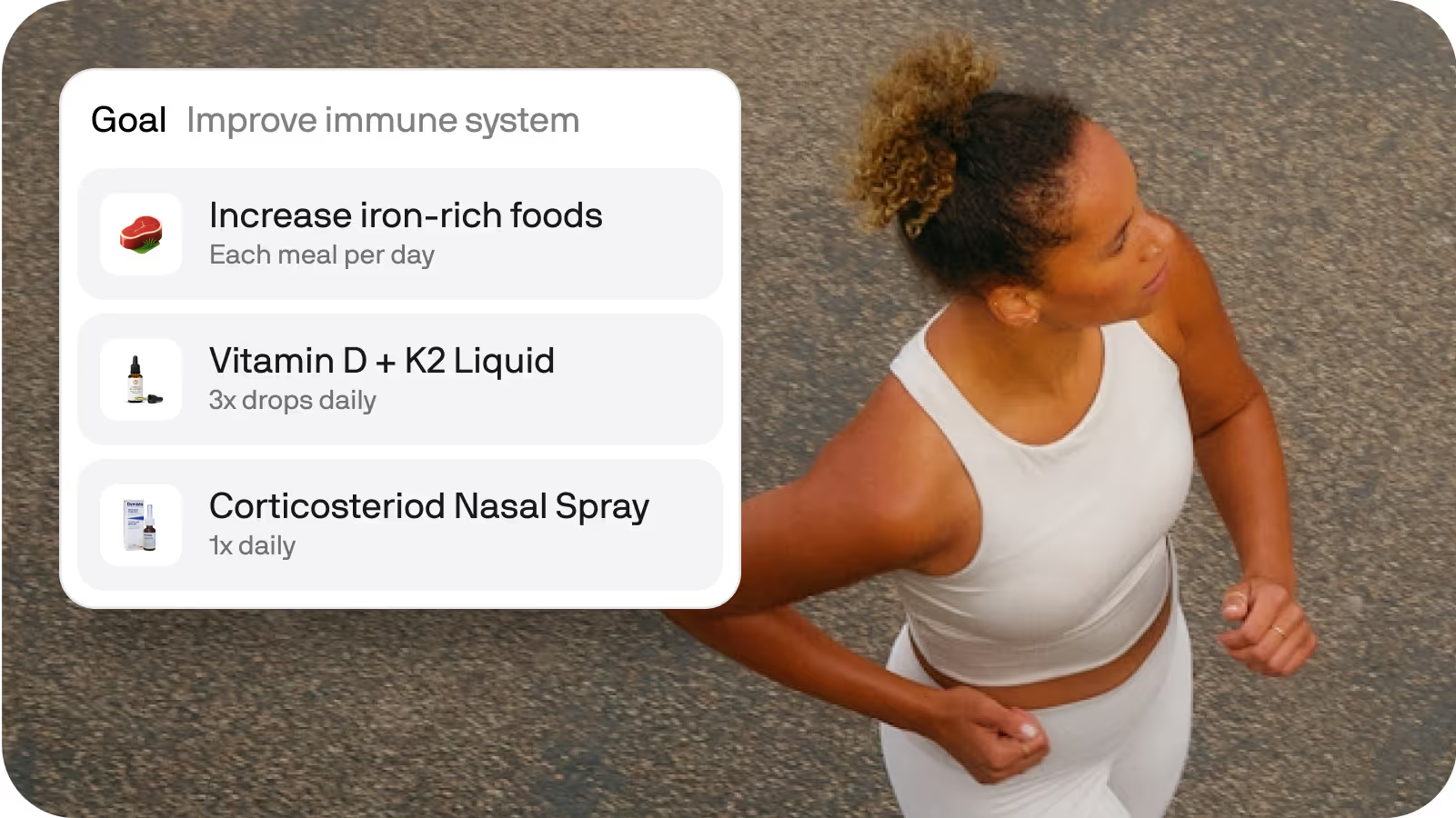
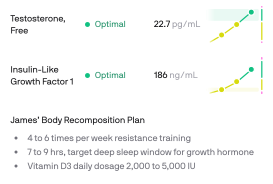
Easy to understand results & a clear action plan with tailored recommendations on diet, lifestyle changes, supplements and pharmaceuticals.

3

A Connected Ecosystem

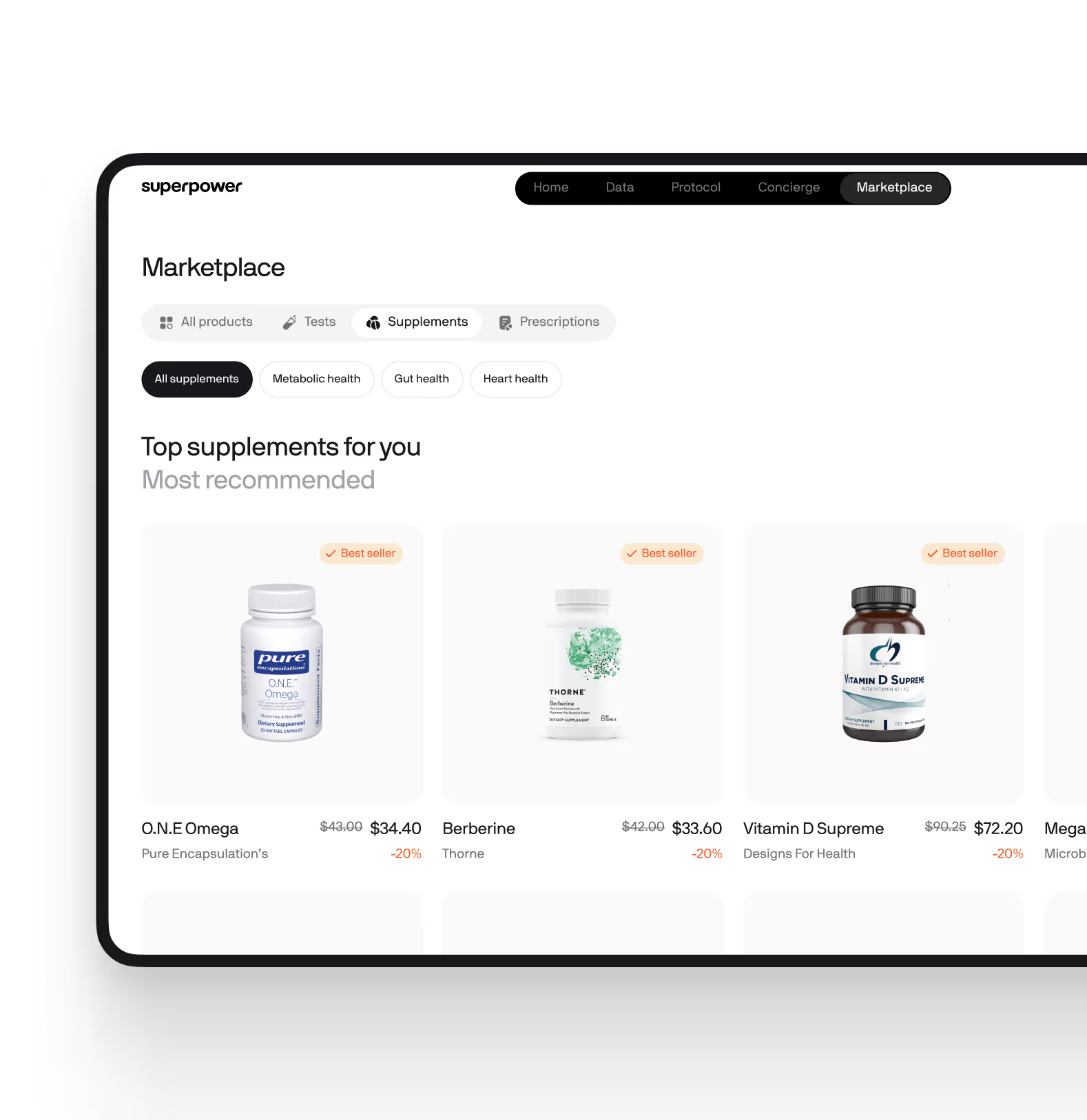
You can book additional diagnostics, buy curated supplements for 20% off & pharmaceuticals within your Superpower dashboard.

Superpower tests more than 
100+ biomarkers & common symptoms

Developed by world-class medical professionals

Supported by the world’s top longevity clinicians and MDs.

Dr Anant Vinjamoori

Superpower Chief Longevity Officer, Harvard MD & MBA

A smiling woman wearing a white coat and stethoscope poses for a portrait.

Dr Leigh Erin Connealy

Clinician & Founder of The Centre for New Medicine

Man in a black medical scrub top smiling at the camera.

Dr Abe Malkin

Founder & Medical Director of Concierge MD

Dr Robert Lufkin

UCLA Medical Professor, NYT Bestselling Author

membership

$17

/month
Billed annually at $199
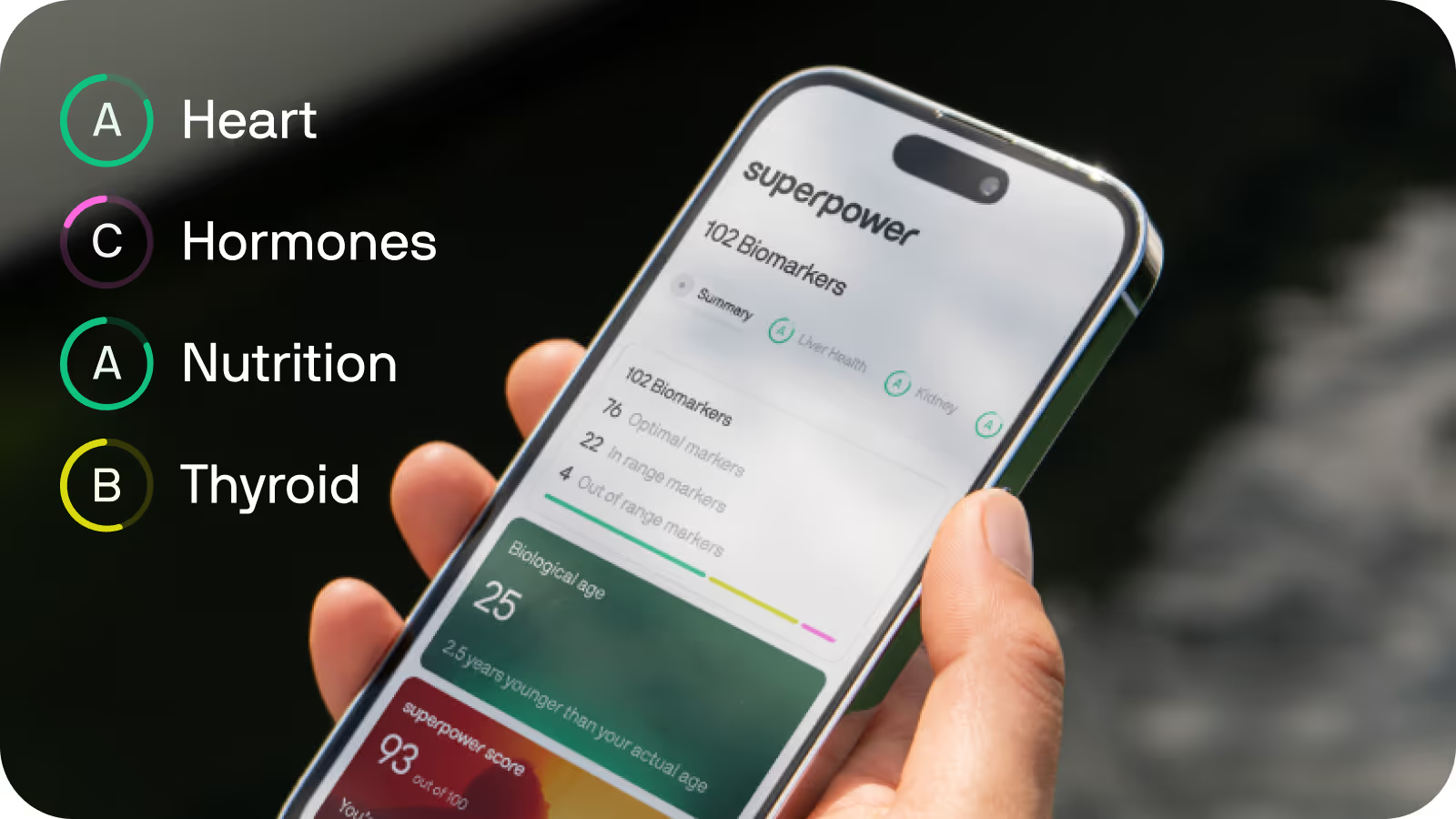
A smartphone displays health app results, showing biomarker summary, superpower score, and biological age details.
What could cost you $15,000 is $199

Superpower
Membership

Your membership includes one comprehensive blood draw each year, covering 100+ biomarkers in a single collection
One appointment, one draw for your annual panel.
100+ labs tested per year
A personalized plan that evolves with you
Get your biological age and track your health over a lifetime
$
17
/month
billed annually
Pricing for members in NY & NJ is $499
Flexible payment options
Four credit card logos: HSA/FSA Eligible, American Express, Visa, and Mastercard.
Start testing
Cancel anytime
HSA/FSA eligible
Results in a week

Finally, healthcare that looks at the whole you