
Excellent 4.6 out of 5
DNA Health

Blood Testing for Vitamin B2 (Riboflavin)

Vitamin B2 (riboflavin) blood testing measures the amount of riboflavin circulating in your blood, largely present in its active forms. Riboflavin is a water‑soluble B vitamin your body cannot store well and must obtain from the diet. After absorption in the small intestine, it travels in the bloodstream mainly as flavin mononucleotide (FMN) and flavin adenine dinucleotide (FAD), which are taken up by tissues as needed. Available at 2,000+ lab locations and at-home (select states). See FAQs below

Vitamin B2 (Riboflavin) Blood Test — Get the Superpower Panel
Cancel anytime
HSA/FSA eligible
Results in a week
Physician reviewed

Every result is checked

·
CLIA-certified labs

Federal standard for testing

·
HIPAA compliant

Your data is 100% secure

Key Benefits

  • Confirm your riboflavin status to support energy production and cellular antioxidant defenses.
  • Spot early deficiency driving mouth cracks, sore tongue, skin changes, and fatigue.
  • Clarify unexplained anemia by identifying riboflavin-related impairment of iron utilization.
  • Guide targeted diet or supplements, especially with vegan intake, low dairy, or alcohol use.
  • Support pregnancy by confirming adequate B2 for fetal growth and maternal blood health.
  • Explain elevated homocysteine when low B2 limits MTHFR enzyme activity in some genotypes.
  • Track recovery after bariatric surgery, celiac disease, or chronic diarrhea affecting absorption.
  • Best interpreted with vitamin B12, folate, homocysteine, and your symptoms and diet.

What is a Vitamin B2 (Riboflavin) blood test?

Vitamin B2 (riboflavin) blood testing measures the amount of riboflavin circulating in your blood, largely present in its active forms. Riboflavin is a water‑soluble B vitamin your body cannot store well and must obtain from the diet. After absorption in the small intestine, it travels in the bloodstream mainly as flavin mononucleotide (FMN) and flavin adenine dinucleotide (FAD), which are taken up by tissues as needed. A blood test provides a snapshot of how much riboflavin (and its active flavins) is available to the body at a given time.

Riboflavin’s active forms, FMN and FAD, are indispensable coenzymes in hundreds of oxidation–reduction reactions. They enable mitochondrial energy production (electron transport chain), help break down carbohydrates, fats, and amino acids, and support antioxidant recycling by regenerating glutathione (via glutathione reductase). Riboflavin also helps activate vitamin B6, convert tryptophan to niacin, and support iron handling and red blood cell formation. Blood levels therefore reflect the availability of these flavins to power cellular energy, manage oxidative stress, and sustain normal function in tissues such as skin, eyes, and nerves.

Why is a Vitamin B2 (Riboflavin) blood test important?

Vitamin B2 (riboflavin) forms the coenzymes FMN and FAD that drive mitochondrial energy, antioxidant recycling, fatty‑acid and drug metabolism, iron handling, and activation of other B vitamins. A blood test reflects body stores and recent intake. Most labs view mid‑range values as adequate; very high numbers add no benefit because excess is excreted.

When values are low, FAD‑dependent enzymes slow. Fatigue, light sensitivity, angular mouth cracks, sore red tongue, flaky skin, and eye irritation are common. Anemia and reduced exercise tolerance can develop as iron use falters; homocysteine may rise, notably with MTHFR variants. Numbness or tingling can reflect impaired B6 activation. Children may grow poorly; in pregnancy, low status ties to anemia and hypertensive patterns.

High results usually follow recent supplements or fortified foods. Riboflavin is water‑soluble, so excess typically makes urine bright yellow and has little clinical consequence. Persistently high levels without dosing may reflect reduced kidney clearance or timing soon after intake, and they do not guarantee tissue repletion.

Big picture: riboflavin sits at the crossroads of energy, redox balance, and one‑carbon metabolism with folate, niacin, and vitamin B6. Adequate, steady status supports skin, eyes, nerves, and blood health and helps keep homocysteine in check—foundations for long‑term cardiovascular, cognitive, and pregnancy outcomes.

What insights will I get?

A Vitamin B2 (riboflavin) blood test estimates your riboflavin status, either directly (riboflavin/FMN/FAD in plasma or red cells) or functionally (enzyme activity that depends on riboflavin). Riboflavin forms FMN and FAD, coenzymes that drive mitochondrial energy production, fat and amino acid metabolism, antioxidant recycling (glutathione), activation of vitamin B6, and folate–homocysteine pathways that influence cardiovascular and neurologic health.

Low values usually reflect insufficient intake, poor absorption, higher demand (notably in pregnancy), chronic illness, or alcohol use. Physiologically this means fewer FMN/FAD-dependent reactions, lowering ATP output and redox capacity. Common system-level effects include fatigue, mouth/skin changes, light sensitivity, impaired iron handling with anemia, and higher homocysteine, which can raise cardiometabolic risk. Older adults and pregnant people are more susceptible; in pregnancy, low status can worsen maternal anemia and may affect fetal growth.

Being in range suggests adequate coenzyme saturation, with efficient oxidative metabolism, stable homocysteine regulation, effective antioxidant recycling, and healthy iron utilization. Most individuals with values in the laboratory reference interval show reliable tissue sufficiency; there is no universal consensus that “within reference ranges” sits at a specific part of the range.

High values usually reflect recent supplementation or fortified foods and the vitamin’s water‑soluble nature; excess is typically excreted. Persistently high results without intake often relate to reduced renal clearance and are uncommon.

Notes: Plasma riboflavin is light-sensitive and reflects recent intake; functional assays (e.g., erythrocyte glutathione reductase activation) track tissue status more closely. Acute illness and inflammation can lower circulating vitamins. Pregnancy increases requirements. Certain medications (e.g., oral contraceptives) and chronic alcohol use can reduce measured status.


Superpower also tests for

See more blood diseases

Frequently Asked Questions About

What is vitamin B2 (riboflavin) and why is it important for energy production?

Vitamin B2, also known as riboflavin, is a water-soluble B vitamin essential for cellular energy production. The body cannot synthesize riboflavin and must obtain it from foods like dairy, eggs, meats, and green vegetables. Once absorbed, riboflavin is converted into its active forms, flavin mononucleotide (FMN) and flavin adenine dinucleotide (FAD). These coenzymes are crucial for oxidation–reduction reactions that drive mitochondrial energy production, metabolize carbohydrates, fats, and proteins, and support antioxidant defenses. Adequate riboflavin helps support efficient ATP generation, redox balance, and activation of other vitamins, making it vital for overall metabolic health.

How can I tell if I have a riboflavin (vitamin B2) deficiency?

Early signs of riboflavin deficiency include cracks at the corners of the mouth (angular cheilitis), a sore or swollen tongue, scaly facial rash, light sensitivity, red or irritated eyes, and unexplained fatigue. In more severe cases, deficiency can lead to anemia due to impaired iron utilization, slowed growth in children, and disproportionate fatigue in teens. Women who are pregnant or taking oral contraceptives, as well as individuals with malabsorption, alcoholism, or restrictive diets, are at higher risk. If you experience these symptoms, consider checking your riboflavin status through lab testing.

What are the main dietary sources of vitamin B2 (riboflavin)?

Vitamin B2 is found in a variety of foods, including dairy products (milk, cheese, yogurt), eggs, lean meats, green vegetables (such as spinach and broccoli), and fortified grains or cereals. Because the body cannot store large amounts of riboflavin, regular intake from these foods is necessary to maintain adequate levels. People with restricted diets, malabsorption issues, or increased needs (such as during pregnancy) may require supplementation to is studied for its potential effects on deficiency.

How is riboflavin status tested and interpreted in the lab?

Riboflavin status can be assessed through blood or urine measurements of riboflavin, FMN, or FAD, or by functional enzyme-based tests like the erythrocyte glutathione reductase activation coefficient. Reference ranges vary, but within reference ranges status is typically indicated by mid-range values where flavoprotein enzymes are saturated and stable. Low values suggest deficiency, while very high values often reflect recent intake rather than tissue sufficiency. Interpretation should consider related markers such as folate, B12, homocysteine, CBC, and ferritin, as well as clinical symptoms.

What are the health consequences of low riboflavin (vitamin B2) levels?

Low riboflavin impairs the body’s ability to produce energy, leading to symptoms like tiredness, reduced exercise tolerance, mouth and skin irritation, and anemia. It can also increase oxidative stress, hinder the activation of other B vitamins (B6, folate), and raise homocysteine levels, which is linked to cardiovascular risk. In pregnancy, deficiency may worsen anemia and increase the risk of high blood pressure, especially in those with MTHFR gene variants. Children may experience slowed growth, and older adults or those with chronic illness are more susceptible to deficiency.

What states are Superpower’s at-home blood testing available in?

Superpower currently offers at-home blood testing in the following states: Alabama, Arizona, California, Colorado, Connecticut, Delaware, District of Columbia, Florida, Georgia, Idaho, Illinois, Indiana, Kansas, Maine, Maryland, Massachusetts, Michigan, Minnesota, Missouri, Montana, Nebraska, Nevada, New Hampshire, New Jersey, New Mexico, New York, North Carolina, Ohio, Oklahoma, Oregon, Pennsylvania, South Carolina, Tennessee, Texas, Utah, Vermont, Virginia, Washington, West Virginia, and Wisconsin.

We’re actively expanding nationwide, with new states being added regularly. If your state isn’t listed yet, stay tuned.

How does riboflavin interact with other B vitamins and homocysteine metabolism?

Riboflavin, through its coenzyme forms FMN and FAD, is required to activate other B vitamins, including vitamin B6 (pyridoxal 5′-phosphate) and folate. It is also a cofactor for the MTHFR enzyme, which is critical for converting homocysteine to methionine. Low riboflavin can impair these processes, leading to elevated homocysteine levels—a risk factor for cardiovascular disease and complications in pregnancy. Individuals with MTHFR gene variants may have higher riboflavin needs to maintain healthy homocysteine metabolism.

What causes high riboflavin levels in blood or urine, and is it dangerous?

High riboflavin levels in blood or urine are usually due to recent intake from supplements or fortified foods. Because riboflavin is water-soluble, excess amounts are typically excreted in urine, often turning it bright yellow. Persistently high levels without recent intake may indicate reduced kidney clearance or timing effects, but toxicity is rare. There is no evidence that high riboflavin intake from food or supplements causes harm in healthy individuals, as the body efficiently eliminates excess.

Who is at increased risk for riboflavin deficiency and why?

Individuals at higher risk for riboflavin deficiency include those with malabsorption syndromes (such as after bariatric surgery), chronic alcoholism, restrictive diets, older adults, pregnant women, and those taking oral contraceptives. Increased needs during growth, pregnancy, or chronic illness can also raise risk. These groups may have reduced intake, impaired absorption, or higher requirements, making regular monitoring and dietary support important for maintaining adequate riboflavin status.

How can riboflavin deficiency be corrected and prevented?

Riboflavin deficiency can be corrected by increasing dietary intake of riboflavin-rich foods or using targeted supplements. Addressing underlying causes such as malabsorption, restrictive diets, or increased physiological needs is crucial. Monitoring riboflavin status alongside related markers (folate, B12, homocysteine, CBC, ferritin) helps guide effective intervention. For those at risk, regular consumption of dairy, eggs, meats, green vegetables, and fortified grains, or appropriate supplementation, can help restore and maintain within reference ranges energy, redox balance, and overall health.

How it works

1

Test your whole body

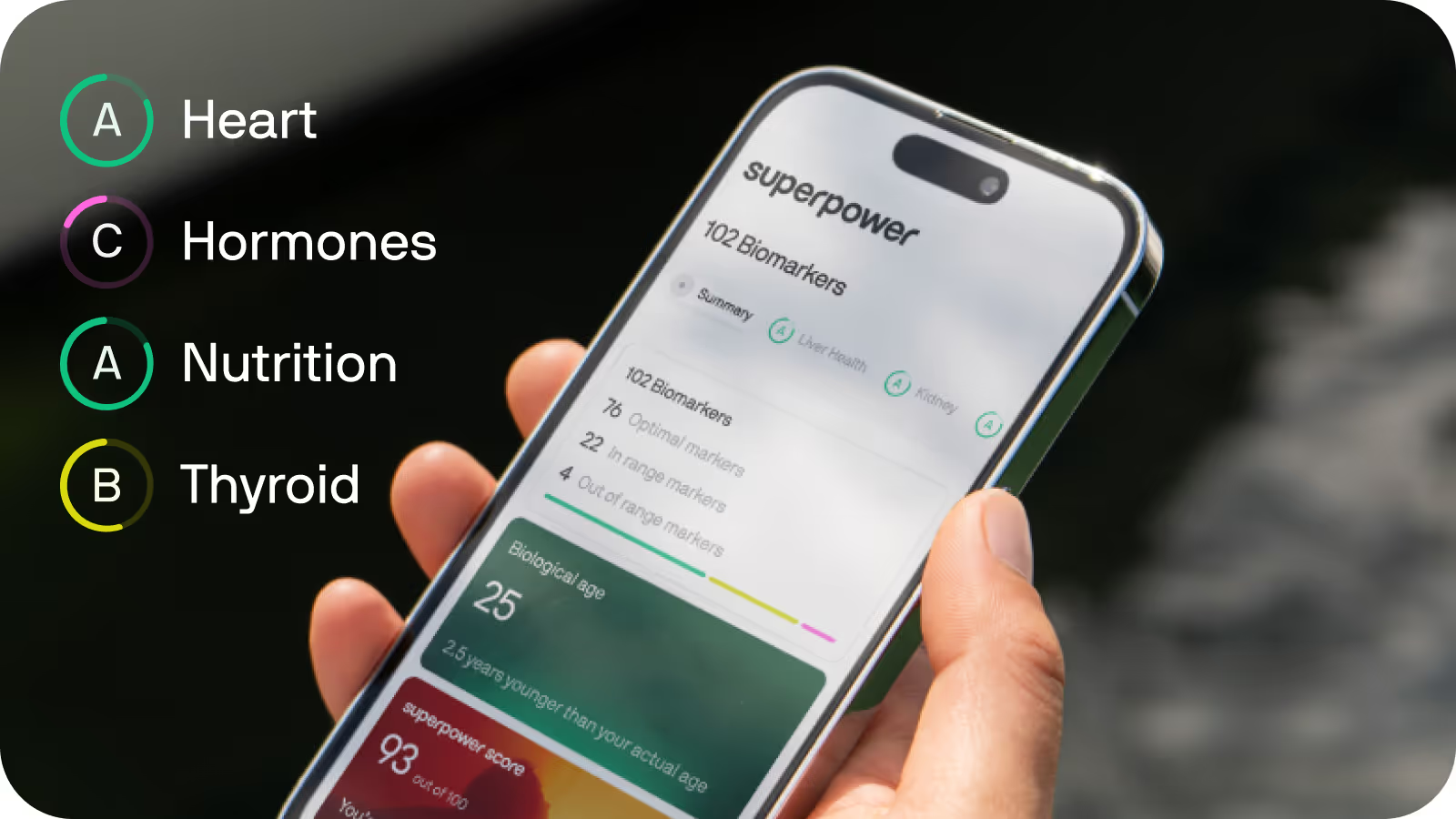
Get a comprehensive blood draw at one of our 2,000+ partner labs or from the comfort of your own home.

2

An Actionable Plan

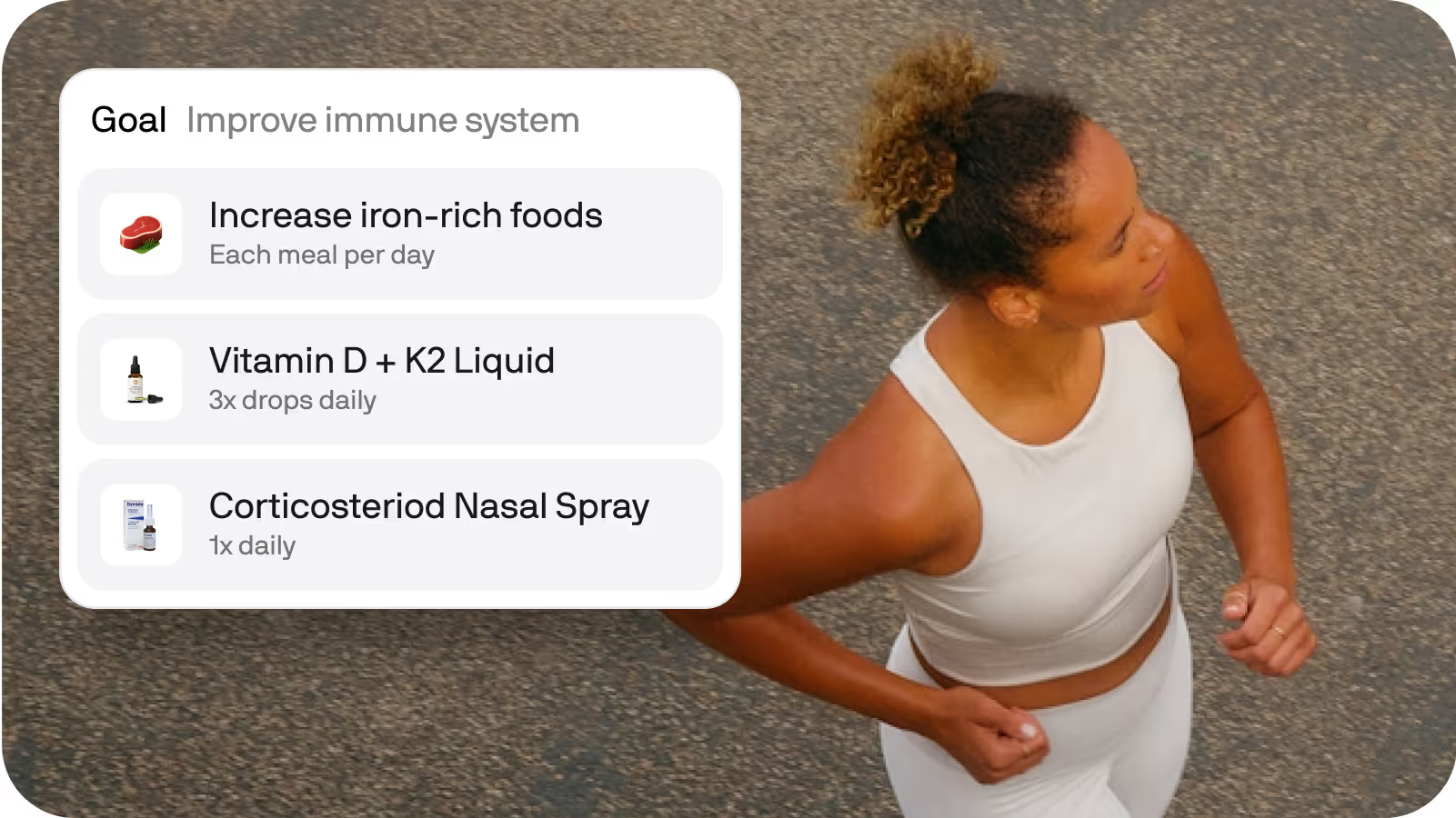
Easy to understand results & a clear action plan with tailored recommendations on diet, lifestyle changes, supplements and pharmaceuticals.

3

A Connected Ecosystem

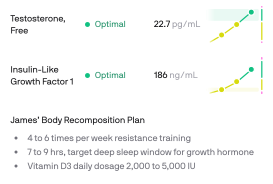
You can book additional diagnostics, buy curated supplements for 20% off & pharmaceuticals within your Superpower dashboard.

Superpower tests more than 
100+ biomarkers & common symptoms

Developed by world-class medical professionals

Supported by the world’s top longevity clinicians and MDs.

Dr Anant Vinjamoori

Superpower Chief Longevity Officer, Harvard MD & MBA

A smiling woman wearing a white coat and stethoscope poses for a portrait.

Dr Leigh Erin Connealy

Clinician & Founder of The Centre for New Medicine

Man in a black medical scrub top smiling at the camera.

Dr Abe Malkin

Founder & Medical Director of Concierge MD

Dr Robert Lufkin

UCLA Medical Professor, NYT Bestselling Author

Your membership

Select your assessment level

Superpower provides the most advanced health check with a plan that works. Go far beyond your annual physical.

Panels designed by

world class clinicians

2,000+ lab locations

across the country

Baseline

$199/yr

100+ biomarker blood test

Performance

Recommended

$365/yr

115+ biomarker blood test

60 biomarker follow-up retest

Complete

$649/yr

115+ biomarker blood test

60 biomarker follow-up retest

Gut microbiome analysis

Organ age breakdown

Get started
Loading...
HSA/ FSA eligible · Secure checkout

Baseline

$199

per year

Covers your metabolic, hormonal and cardiovascular baseline. The best basis for a single snapshot of your overall health.

What's included

Test Breakdown

These are the panels offered in the tiers above

100+ biomarker blood test

Heart & Vascular Health

20 markers

ApoB, LDL-Cholesterol, Triglycerides

Sex Hormones

8 markers

Testosterone, Estradiol, DHEA-S, Cortisol

Metabolic Health

7 markers

Glucose, HbA1c

Thyroid Health

4 markers

TSH, T3 Uptake, Free T4, T4 Total

Liver Health

13 markers

ALT, AST, GGT, Bilirubin

Nutrients

12 markers

Vitamin D, Total Protein, Hemoglobin

Immune System

16 markers

White blood cells, Neutrophils, Lymphocytes

Energy

5 markers

Ferritin, Iron, Cortisol

Kidney Health

9 markers

Creatinine, eGFR, Potassium, Sodium

See full list →

+21 additional

Included with every assessment

17 health areas developed by world class clinicians

Personalized clinical protocol

On-demand messaging with your care team

20% off superpower marketplace

Member pricing on add-on tests, supplements & RX

Upload past labs & wearable data for tracking

Superpower AI — a world class system trained on you

Complete

$649

per year

Normally $703 (save 8%)

Adds gut microbiome analysis and organ age surfacing, what standard blood panels may miss across energy, digestion, and immunity.

What's included

Test Breakdown

These are the panels offered in the tiers above

115+ biomarker blood test

Heart & Vascular Health

20 markers

ApoB, LDL-Cholesterol, Triglycerides, Lipoprotein(a)

Sex Hormones

11 markers

Testosterone, Estradiol, DHEA-S, Cortisol, PSA, FSH, LH, AMH

Metabolic Health

7 markers

Glucose, HbA1c, Insulin

Thyroid Health

4 markers

TSH, T3 Uptake, Free T4, T4 Total

Liver Health

8 markers

ALT, AST, GGT, Bilirubin

Nutrients

12 markers

Vitamin D, Total Protein, Hemoglobin

Immune System

16 markers

White blood cells, Neutrophils, Lymphocytes

Energy

5 markers

Ferritin, Iron, Cortisol

Kidney Health

24 markers

Creatinine, eGFR, Potassium, Urinary pH, RBC Urine, Nitrites

DNA Health

3 markers

Homocysteine, B12, Folate

Inflammation

3 markers

hs-CRP, Systemic Immune-Inflammation Index

See full list →

+8 additional

60 biomarker follow-up retest

Retesting panel

100 markers

Complete second draw — 60 biomarkers retested for longitudinal tracking.
Most biomarkers can move significantly within 3–6 months if you're actively trying to fix them.

Gut microbiome analysis

$239

Gut microbiome

300+ data points

Profiles 300 bacterial strains in your gut to map your microbial balance.
Identifies dysbiosis that may be driving symptoms like bloating, irregular digestion, skin issues, and mood changes, with actionable guidance on diet and lifestyle shifts to help restore balance.

Organ age breakdown

$99

OrganAge is the most detailed biological age test available today. Rather than showing a single number, it reveals how old each of your body's nine key systems is

Organ age breakdown

10 key systems

Circulatory, digestive, genitourinary, infectious, mental, metabolic, musculoskeletal, nervous, respiratory and systemic ages based on cutting edge longevity research

Included with every assessment

17 health areas developed by world class clinicians

Personalized clinical protocol

On-demand messaging with your care team

20% off superpower marketplace

Member pricing on add-on tests, supplements & RX

Upload past labs & wearable data for tracking

Superpower AI — a world class system trained on you

Get started
Loading...
HSA/ FSA eligible · Secure checkout

Finally, healthcare that looks at the whole you