Excellent 4.6 out of 5
Energy

Blood Testing for Total Iron Binding Capacity (TIBC)

Total iron binding capacity (TIBC) is a measure of how much iron your blood could carry if all of its transport slots were filled. It mainly reflects the amount of transferrin, the iron-transport protein made by the liver (transferrin, a glycoprotein produced by hepatocytes). Available at 2,000+ lab locations and at-home (select states). See FAQs below

Total Iron Binding Capacity (TIBC) Blood Test — Get the Superpower Panel
Cancel anytime
HSA/FSA eligible
Results in a week
Physician reviewed

Every result is checked

·
CLIA-certified labs

Federal standard for testing

·
HIPAA compliant

Your data is 100% secure

Key Benefits

  • Measure how much iron your blood can carry.
  • Spot early iron deficiency before anemia affects energy and performance.
  • Clarify fatigue, hair loss, or restless legs by assessing iron availability.
  • Flag possible inflammation or liver issues when TIBC runs unexpectedly low.
  • Screen for iron overload when paired with high iron and transferrin saturation.
  • Protect fertility and pregnancy by ensuring adequate iron transport capacity.
  • Guide safe iron supplementation and track response to avoid deficiency or overload.
  • Best interpreted with ferritin, serum iron, transferrin saturation, and your symptoms.

What is a Total Iron Binding Capacity (TIBC) blood test?

Total iron binding capacity (TIBC) is a measure of how much iron your blood could carry if all of its transport slots were filled. It mainly reflects the amount of transferrin, the iron-transport protein made by the liver (transferrin, a glycoprotein produced by hepatocytes). TIBC essentially sums the available iron-binding sites on transferrin circulating in the plasma, giving a practical readout of the bloodstream’s iron-carrying capacity.

Why it matters: iron must travel safely from the gut and liver to working tissues. Transferrin binds iron tightly yet reversibly, keeps it soluble and non-reactive, and delivers it to cells via transferrin receptors—especially to the bone marrow for red blood cell production (erythropoiesis), and to muscle and enzyme systems (myoglobin and metalloenzymes). TIBC therefore reflects the body’s potential to move iron where it is needed while is studied for its potential effects on free-iron toxicity. In the story of iron balance—absorption, transport, use, and storage—TIBC captures the transport capacity side, complementing markers that track iron stores (ferritin) and iron in transit (serum iron).

Why is a Total Iron Binding Capacity (TIBC) blood test important?

Total Iron Binding Capacity (TIBC) estimates how much iron your blood can carry by measuring the capacity of transferrin, the main iron-transport protein. Because iron powers red blood cell oxygen delivery, mitochondrial energy production, thyroid enzyme function, and immune defenses, TIBC offers a whole‑body read on iron demand and supply. Most labs report a defined normal range; in health, values usually sit near the middle alongside a normal transferrin saturation.

When TIBC is lower than expected, the body is often in an inflammatory or protein-synthesis–limited state. Transferrin is a “negative acute‑phase” protein, so it falls with chronic infections, autoimmune disease, cancer, kidney disease, or liver dysfunction, and can be low in iron overload. Iron becomes sequestered in storage sites, leading to anemia of chronic disease: fatigue, reduced exercise tolerance, pallor, and shortness of breath. Liver-related low TIBC may coincide with swelling, easy bruising, and impaired nutrient transport.

When TIBC is higher, the liver is upregulating transferrin to capture scarce iron—common in iron deficiency, during late pregnancy, adolescence, and in menstruating women. People may notice tiredness, brain fog, headaches, cold intolerance, restless legs, brittle nails, or hair shedding. In children and teens, learning and attention can be affected; in pregnancy, iron shortage raises risks for preterm birth and low birth weight.

Big picture: TIBC is best interpreted with ferritin, serum iron, and transferrin saturation to distinguish true iron deficiency from inflammation. It links nutrient status to oxygen transport, endocrine and immune function, and long‑term outcomes such as cognitive performance, cardiovascular strain, and pregnancy health.

What insights will I get?

What a Total Iron Binding Capacity (TIBC) blood test tells you

TIBC measures how much iron your blood could carry on transferrin, the main iron‑transport protein. It reflects the available “seats” for iron and, indirectly, how your body regulates iron distribution. Because iron underpins hemoglobin for oxygen delivery, mitochondrial energy production, cognition, thyroid and reproductive hormone function, and immunity, TIBC is a systems-level window into iron transport balance.

Low values usually reflect reduced transferrin availability or loss. This is common in chronic inflammation (anemia of chronic disease), liver dysfunction (lower protein synthesis), nephrotic protein loss, or protein–calorie undernutrition. Low TIBC can also appear with iron overload states, where transferrin is suppressed and saturation is high. System-level effects often mirror the underlying illness: fatigue, lower exercise capacity, and blunted immune resilience; older adults and people with chronic inflammatory conditions show this pattern more often.

Being in range suggests iron transport matches demand, with stable erythropoiesis and balanced iron flow to tissues. It generally aligns with adequate transferrin and appropriate iron stores, supporting steady energy, cognition, and thermoregulation. Clinically, within reference ranges interpretation sits alongside ferritin and transferrin saturation and tends to cluster near the mid‑range.

High values usually reflect increased transferrin production to scavenge scarce iron. The most common cause is iron deficiency (with or without anemia). TIBC also rises in pregnancy and with estrogen therapy, and after blood loss. System effects often include fatigue, reduced aerobic performance, poor concentration, and, in pregnancy, greater iron demand for the fetus and placenta.

Notes: TIBC is influenced by inflammation (transferrin is a negative acute‑phase reactant), liver and kidney protein handling, pregnancy, and estrogen use. Labs may measure TIBC directly or calculate it from transferrin; results are best interpreted with serum iron, transferrin saturation, ferritin, and a complete blood count.


Superpower also tests for

See more blood diseases

Frequently Asked Questions About

What is TIBC testing?

It measures how much iron-binding capacity transferrin has, reflecting available seats for iron.

Why test TIBC?

It distinguishes deficiency from inflammation, tracks therapy response, and helps avoid overload.

How often should I test?

Recheck when adjusting supplementation, training, or during pregnancy/postpartum. Frequency depends on personal goals.

What affects TIBC?

Iron status, inflammation, chronic disease, protein nutrition, liver function, pregnancy, and blood loss.

Do I need to prepare?

Some labs prefer fasting; follow your test instructions. Consistency of timing improves comparisons.

What states are Superpower’s at-home blood testing available in?

Superpower currently offers at-home blood testing in the following states: Alabama, Arizona, California, Colorado, Connecticut, Delaware, District of Columbia, Florida, Georgia, Idaho, Illinois, Indiana, Kansas, Maine, Maryland, Massachusetts, Michigan, Minnesota, Missouri, Montana, Nebraska, Nevada, New Hampshire, New Jersey, New Mexico, New York, North Carolina, Ohio, Oklahoma, Oregon, Pennsylvania, South Carolina, Tennessee, Texas, Utah, Vermont, Virginia, Washington, West Virginia, and Wisconsin.

We’re actively expanding nationwide, with new states being added regularly. If your state isn’t listed yet, stay tuned.

What if it’s outside the range?

High suggests deficiency/demand; low suggests inflammation, undernutrition, or overload. Pair with other iron studies for clarity.

Can lifestyle changes affect TIBC?

Yes. Diet, protein intake, endurance training, blood loss, pregnancy, postpartum recovery, alcohol, and inflammation all play a role.

How do I interpret results?

High = deficiency or demand. Low = inflammation or overload. Always cross-check with ferritin and transferrin saturation.

Is TIBC testing right for me?

Yes—if you’re tracking fatigue, hair shedding, endurance performance, pregnancy/postpartum iron, or possible overload.

How it works

1

Test your whole body

Get a comprehensive blood draw at one of our 2,000+ partner labs or from the comfort of your own home.

2

An Actionable Plan

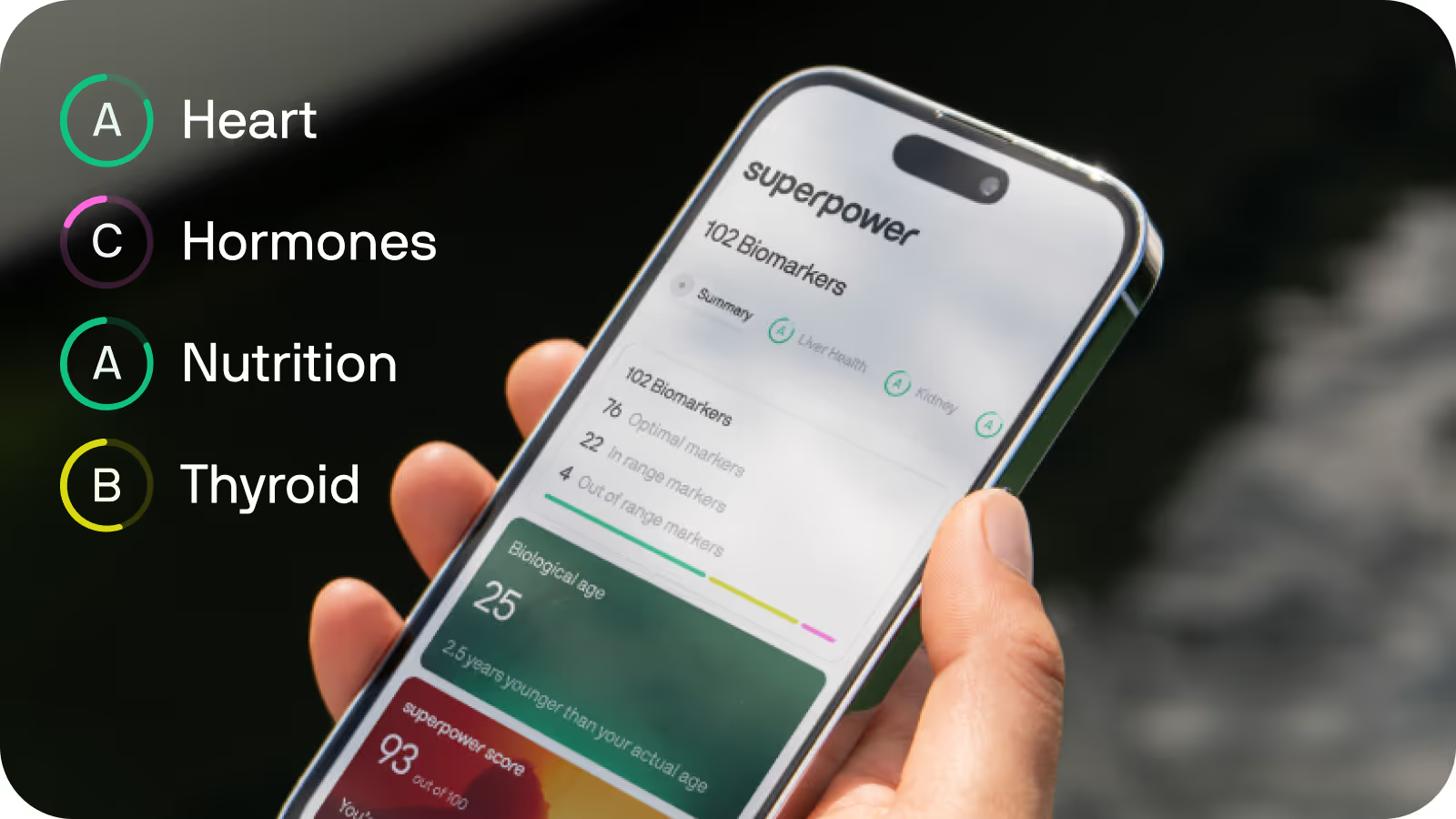
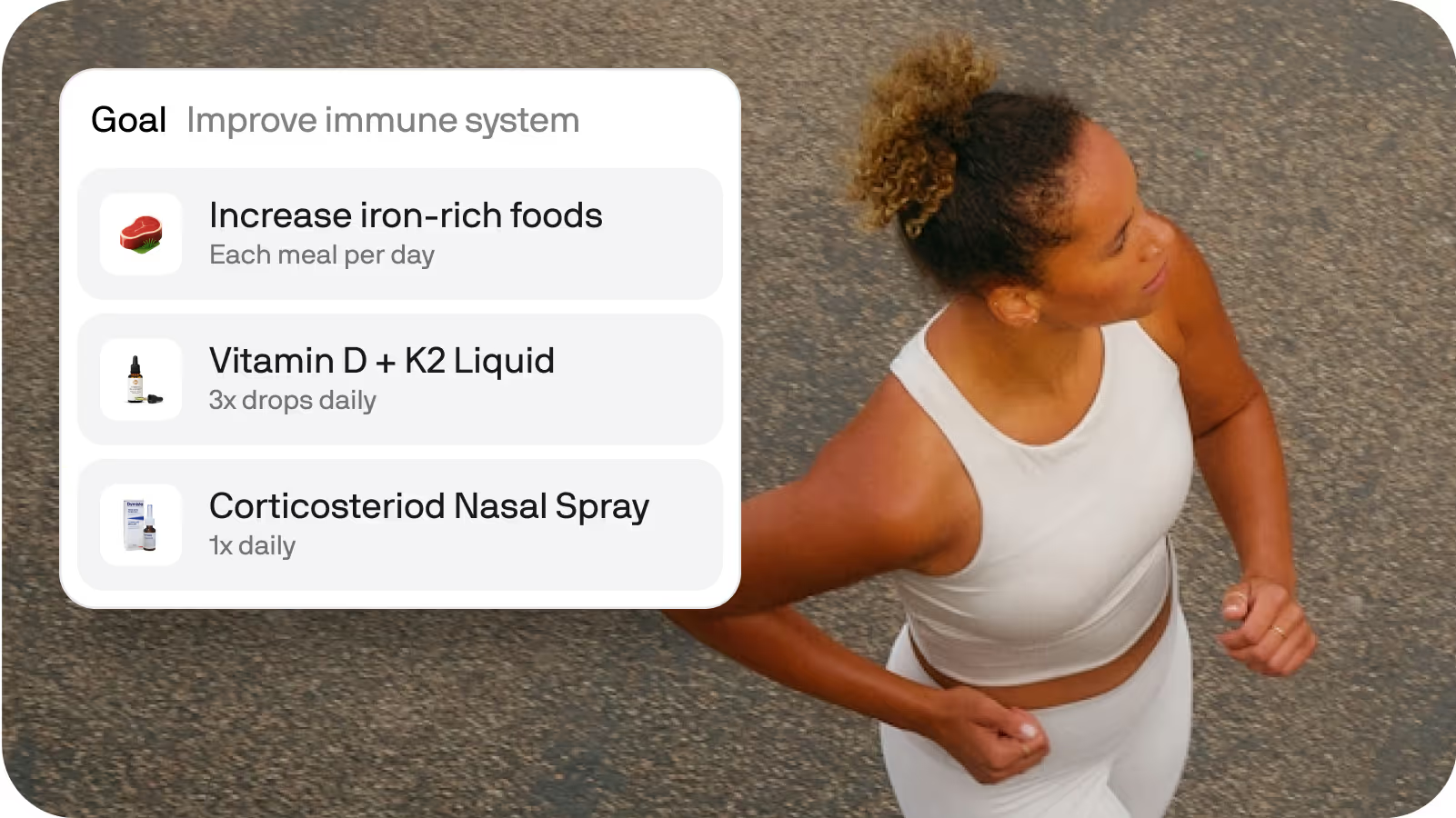
Easy to understand results & a clear action plan with tailored recommendations on diet, lifestyle changes, supplements and pharmaceuticals.

3

A Connected Ecosystem

You can book additional diagnostics, buy curated supplements for 20% off & pharmaceuticals within your Superpower dashboard.

Superpower tests more than 
100+ biomarkers & common symptoms

Developed by world-class medical professionals

Supported by the world’s top longevity clinicians and MDs.

Dr Anant Vinjamoori

Superpower Chief Longevity Officer, Harvard MD & MBA

A smiling woman wearing a white coat and stethoscope poses for a portrait.

Dr Leigh Erin Connealy

Clinician & Founder of The Centre for New Medicine

Man in a black medical scrub top smiling at the camera.

Dr Abe Malkin

Founder & Medical Director of Concierge MD

Dr Robert Lufkin

UCLA Medical Professor, NYT Bestselling Author

Your membership

Select your assessment level

Superpower provides the most advanced health check with a plan that works. Go far beyond your annual physical.

Panels designed by

world class clinicians

2,000+ lab locations

across the country

Baseline

$199/yr

100+ biomarker blood test

Performance

Recommended

$365/yr

115+ biomarker blood test

60 biomarker follow-up retest

Complete

$649/yr

115+ biomarker blood test

60 biomarker follow-up retest

Gut microbiome analysis

Organ age breakdown

Get started
Loading...
HSA/ FSA eligible · Secure checkout

Baseline

$199

per year

Covers your metabolic, hormonal and cardiovascular baseline. The best basis for a single snapshot of your overall health.

What's included

Test Breakdown

These are the panels offered in the tiers above

100+ biomarker blood test

Heart & Vascular Health

20 markers

ApoB, LDL-Cholesterol, Triglycerides

Sex Hormones

8 markers

Testosterone, Estradiol, DHEA-S, Cortisol

Metabolic Health

7 markers

Glucose, HbA1c

Thyroid Health

4 markers

TSH, T3 Uptake, Free T4, T4 Total

Liver Health

13 markers

ALT, AST, GGT, Bilirubin

Nutrients

12 markers

Vitamin D, Total Protein, Hemoglobin

Immune System

16 markers

White blood cells, Neutrophils, Lymphocytes

Energy

5 markers

Ferritin, Iron, Cortisol

Kidney Health

9 markers

Creatinine, eGFR, Potassium, Sodium

See full list →

+21 additional

Included with every assessment

17 health areas developed by world class clinicians

Personalized clinical protocol

On-demand messaging with your care team

20% off superpower marketplace

Member pricing on add-on tests, supplements & RX

Upload past labs & wearable data for tracking

Superpower AI — a world class system trained on you

Complete

$649

per year

Normally $703 (save 8%)

Adds gut microbiome analysis and organ age surfacing, what standard blood panels may miss across energy, digestion, and immunity.

What's included

Test Breakdown

These are the panels offered in the tiers above

115+ biomarker blood test

Heart & Vascular Health

20 markers

ApoB, LDL-Cholesterol, Triglycerides, Lipoprotein(a)

Sex Hormones

11 markers

Testosterone, Estradiol, DHEA-S, Cortisol, PSA, FSH, LH, AMH

Metabolic Health

7 markers

Glucose, HbA1c, Insulin

Thyroid Health

4 markers

TSH, T3 Uptake, Free T4, T4 Total

Liver Health

8 markers

ALT, AST, GGT, Bilirubin

Nutrients

12 markers

Vitamin D, Total Protein, Hemoglobin

Immune System

16 markers

White blood cells, Neutrophils, Lymphocytes

Energy

5 markers

Ferritin, Iron, Cortisol

Kidney Health

24 markers

Creatinine, eGFR, Potassium, Urinary pH, RBC Urine, Nitrites

DNA Health

3 markers

Homocysteine, B12, Folate

Inflammation

3 markers

hs-CRP, Systemic Immune-Inflammation Index

See full list →

+8 additional

60 biomarker follow-up retest

Retesting panel

100 markers

Complete second draw — 60 biomarkers retested for longitudinal tracking.
Most biomarkers can move significantly within 3–6 months if you're actively trying to fix them.

Gut microbiome analysis

$239

Gut microbiome

300+ data points

Profiles 300 bacterial strains in your gut to map your microbial balance.
Identifies dysbiosis that may be driving symptoms like bloating, irregular digestion, skin issues, and mood changes, with actionable guidance on diet and lifestyle shifts to help restore balance.

Organ age breakdown

$99

OrganAge is the most detailed biological age test available today. Rather than showing a single number, it reveals how old each of your body's nine key systems is

Organ age breakdown

10 key systems

Circulatory, digestive, genitourinary, infectious, mental, metabolic, musculoskeletal, nervous, respiratory and systemic ages based on cutting edge longevity research

Included with every assessment

17 health areas developed by world class clinicians

Personalized clinical protocol

On-demand messaging with your care team

20% off superpower marketplace

Member pricing on add-on tests, supplements & RX

Upload past labs & wearable data for tracking

Superpower AI — a world class system trained on you

Get started
Loading...
HSA/ FSA eligible · Secure checkout

Finally, healthcare that looks at the whole you