
Excellent 4.6 out of 5
DNA Health

Blood Testing for RBC Folate

Folate, RBC is a measure of the folate stored inside your red blood cells. Folate is a B vitamin from food (vitamin B9) absorbed in the small intestine and converted into active forms (tetrahydrofolate, 5‑methyltetrahydrofolate). As red blood cells are produced in the bone marrow (erythropoiesis), they take up folate and keep it for their lifespan. Available at 2,000+ lab locations and at-home (select states). See FAQs below

RBC Folate Blood Test — Get the Superpower Panel
Cancel anytime
HSA/FSA eligible
Results in a week
Physician reviewed

Every result is checked

·
CLIA-certified labs

Federal standard for testing

·
HIPAA compliant

Your data is 100% secure

Key Benefits

  • Check your long-term folate stores, not just today’s intake.
  • Spot chronic folate shortage that can drive fatigue and megaloblastic anemia.
  • Clarify large red blood cells or high homocysteine by checking folate stores.
  • Guide diet and supplement needs when intake is low or absorption is impaired.
  • Support healthy pregnancy by confirming folate levels that lower neural tube risks.
  • Track treatment response, showing recovery of folate stores over several months.
  • Flag medicines that deplete folate, like methotrexate or some seizure drugs.
  • Clarify results by pairing with vitamin B12, homocysteine, and symptoms.

What is a Folate, RBC blood test?

Folate, RBC is a measure of the folate stored inside your red blood cells. Folate is a B vitamin from food (vitamin B9) absorbed in the small intestine and converted into active forms (tetrahydrofolate, 5‑methyltetrahydrofolate). As red blood cells are produced in the bone marrow (erythropoiesis), they take up folate and keep it for their lifespan. Because that folate is “locked in,” the test captures the folate supply available when those cells were formed, rather than short‑term dietary swings.

This matters because folate powers the chemistry that lets cells copy DNA and divide (nucleotide synthesis), supports healthy red blood cell formation, and fuels key methylation reactions (one‑carbon metabolism), including the homocysteine‑to‑methionine step. Measuring folate inside red blood cells therefore provides a longer‑view picture of the body’s folate reserves over several months, indicating whether tissues have the folate they need to maintain steady cell renewal and normal physiological function.

Why is a Folate, RBC blood test important?

RBC folate reflects your body’s long-term folate stores—the folate locked into red blood cells during their formation. Because folate powers DNA synthesis and one‑carbon metabolism, it supports rapid cell turnover (blood and gut), builds methylation capacity for gene regulation, keeps homocysteine in check for vascular health, and is crucial for fetal neural development.

Unlike serum folate, which swings with recent meals, RBC folate tracks status over the past few months. Most labs define a broad normal range; values in the middle to upper part typically indicate robust tissue stores. In pregnancy, within reference ranges values are often higher within the range to meet increased demands.

When values run low, it usually means insufficient intake, absorption, or increased use. The marrow slows DNA synthesis, producing large, fragile red cells (megaloblastic anemia) that can cause fatigue, shortness of breath, paleness, headaches, and palpitations. Fast‑turnover tissues may show glossitis, mouth sores, or diarrhea. Mood changes and cognitive fog can occur. In teens and children, deficiency can impair growth and learning; in pregnancy, it raises the risk of neural tube defects. Low folate can also elevate homocysteine, straining vessels.

Very high values most often reflect supplementation or fortified intake. While usually asymptomatic, excess folate can mask the blood signs of vitamin B12 deficiency, allowing neurologic damage to progress unnoticed. Markedly elevated levels may accompany liver disease or hematologic disorders.

Big picture: RBC folate sits at the crossroads of hematology, neurology, and cardiovascular biology. It links closely with vitamin B12 and homocysteine, influences pregnancy outcomes, and shapes lifelong risks for anemia, vascular disease, and cognitive health.

What insights will I get?

Folate, RBC measures folate stored inside red blood cells, reflecting your folate status over the past few months rather than just recent intake. Folate drives one‑carbon metabolism for DNA/RNA synthesis, methylation, and amino acid processing, which supports energy production, red blood cell formation, vascular health via homocysteine control, cognitive function, reproduction, and immune cell turnover.

Low values usually reflect too little folate reaching the bone marrow from low intake, poor absorption (such as celiac disease or after gastric surgery), higher demands (pregnancy, growth), alcohol use, or folate‑antagonist medications. The physiology is impaired DNA synthesis (megaloblastic erythropoiesis), leading to macrocytosis, anemia, and elevated homocysteine with a normal methylmalonic acid. System effects include fatigue, shortness of breath, mouth soreness, and cognitive fog; in pregnancy, risk of neural tube defects rises.

Being in range suggests adequate tissue folate and effective one‑carbon flux, supporting steady red cell production, normal homocysteine handling, and healthy methylation. For those planning pregnancy, values in at least the mid‑to‑upper part of the reference interval are associated with lower neural tube defect risk.

High values usually reflect substantial folate exposure from fortified foods or supplements, or increased bacterial production in the gut. They are often benign, but can mask the blood changes of too little vitamin B12 (cobalamin) while neurologic injury progresses. Pregnancy commonly shows higher values due to increased intake.

Notes: RBC folate is more stable than serum folate and less affected by a single meal. Results can be influenced by assay method, recent transfusion, altered red‑cell turnover (hemolysis, reticulocytosis), alcohol, liver disease, and medications that block folate metabolism. Consider interpretation alongside B12 and a complete blood count.


Superpower also tests for

See more blood diseases

Frequently Asked Questions About

What is an RBC folate test and how does it differ from a serum folate test?

An RBC folate test measures the amount of folate stored inside your red blood cells, providing a long-term view of your body’s folate status over the past 2–3 months. In contrast, a serum folate test reflects recent dietary intake and can fluctuate daily. RBC folate is considered a more reliable indicator of tissue folate stores and is less affected by short-term changes in diet, making it especially useful for evaluating true folate deficiency and monitoring chronic conditions.

Why is RBC folate important for pregnancy and fetal development?

RBC folate is crucial before and during pregnancy because it reflects the body’s long-term folate reserves, which are essential for early fetal neural tube formation. The World Health Organization recommends an RBC folate level above 906 nmol/L before conception to minimize the risk of neural tube defects and placental complications. Adequate folate supports healthy cell division, DNA synthesis, and tissue growth, all vital for fetal development and maternal health.

What symptoms and health problems can low RBC folate cause?

Low RBC folate can lead to megaloblastic anemia, characterized by large, fragile red blood cells, resulting in fatigue, shortness of breath, pale skin, mouth sores, and a smooth, sore tongue. It can also cause elevated homocysteine levels, increasing the risk of cardiovascular and neurological issues. In pregnancy, low folate is linked to neural tube defects, while in children and teens, it may impair growth and learning. Rapidly renewing tissues like the gut lining, skin, and hair can also be affected.

How is RBC folate related to vitamin B12 and homocysteine levels?

RBC folate, vitamin B12, and homocysteine are interconnected in one-carbon metabolism. Folate and B12 work together to recycle homocysteine, an amino acid that, when elevated, increases cardiovascular and neurological risk. Low B12 can cause a functional folate deficiency, and high folate can mask anemia symptoms while allowing B12-related nerve damage to progress. Therefore, RBC folate results should be interpreted alongside vitamin B12 and homocysteine levels to avoid missed aid in evaluation of.

What factors can cause low RBC folate levels?

Low RBC folate can result from inadequate dietary intake, malabsorption conditions (such as celiac disease or after bariatric surgery), increased demand (especially during pregnancy), chronic alcohol use, or medications that interfere with folate metabolism (like methotrexate and anticonvulsants). Low vitamin B12 can also lead to a functional folate deficiency, even if folate intake is adequate.

What states are Superpower’s at-home blood testing available in?

Superpower currently offers at-home blood testing in the following states: Alabama, Arizona, California, Colorado, Connecticut, Delaware, District of Columbia, Florida, Georgia, Idaho, Illinois, Indiana, Kansas, Maine, Maryland, Massachusetts, Michigan, Minnesota, Missouri, Montana, Nebraska, Nevada, New Hampshire, New Jersey, New Mexico, New York, North Carolina, Ohio, Oklahoma, Oregon, Pennsylvania, South Carolina, Tennessee, Texas, Utah, Vermont, Virginia, Washington, West Virginia, and Wisconsin.

We’re actively expanding nationwide, with new states being added regularly. If your state isn’t listed yet, stay tuned.

How can I improve or maintain healthy RBC folate levels?

To maintain healthy RBC folate, consume a diet rich in natural folate sources such as leafy greens, legumes, citrus fruits, and fortified grains. Supplementation may be recommended for those with increased needs (e.g., pregnancy) or absorption issues. Addressing underlying conditions like celiac disease or adjusting medications that affect folate metabolism can also help. Regular monitoring is important for those at risk of deficiency.

How is an RBC folate test performed and interpreted?

An RBC folate test involves a standard blood draw, typically analyzed alongside vitamin B12, CBC/MCV, and homocysteine tests for a comprehensive assessment. Results are interpreted based on lab-specific reference ranges, with values in the middle to upper range indicating robust folate stores. During pregnancy, higher normal values are preferred. Interpretation should consider recent transfusions, reticulocyte count, and possible hemolysis, as these can affect results.

What are common misconceptions about folate and RBC folate testing?

A common misconception is that serum folate and RBC folate tests are interchangeable; in reality, serum folate only reflects recent intake, while RBC folate shows long-term status. Another misconception is that high folate is always beneficial—excess folate can mask B12 deficiency, leading to undetected neurological damage. Some believe only diet affects folate levels, but medications, medical conditions, and alcohol use also play significant roles.

Who should consider getting an RBC folate test?

Individuals with symptoms of anemia, unexplained fatigue, mouth sores, or neurological changes should consider RBC folate testing. It is especially important for women planning pregnancy, those with malabsorption conditions (like celiac disease or after bariatric surgery), chronic alcohol users, and people taking medications that interfere with folate metabolism. Older adults and those with elevated homocysteine or suspected vitamin B12 deficiency may also benefit from this test.

How it works

1

Test your whole body

Get a comprehensive blood draw at one of our 2,000+ partner labs or from the comfort of your own home.

2

An Actionable Plan

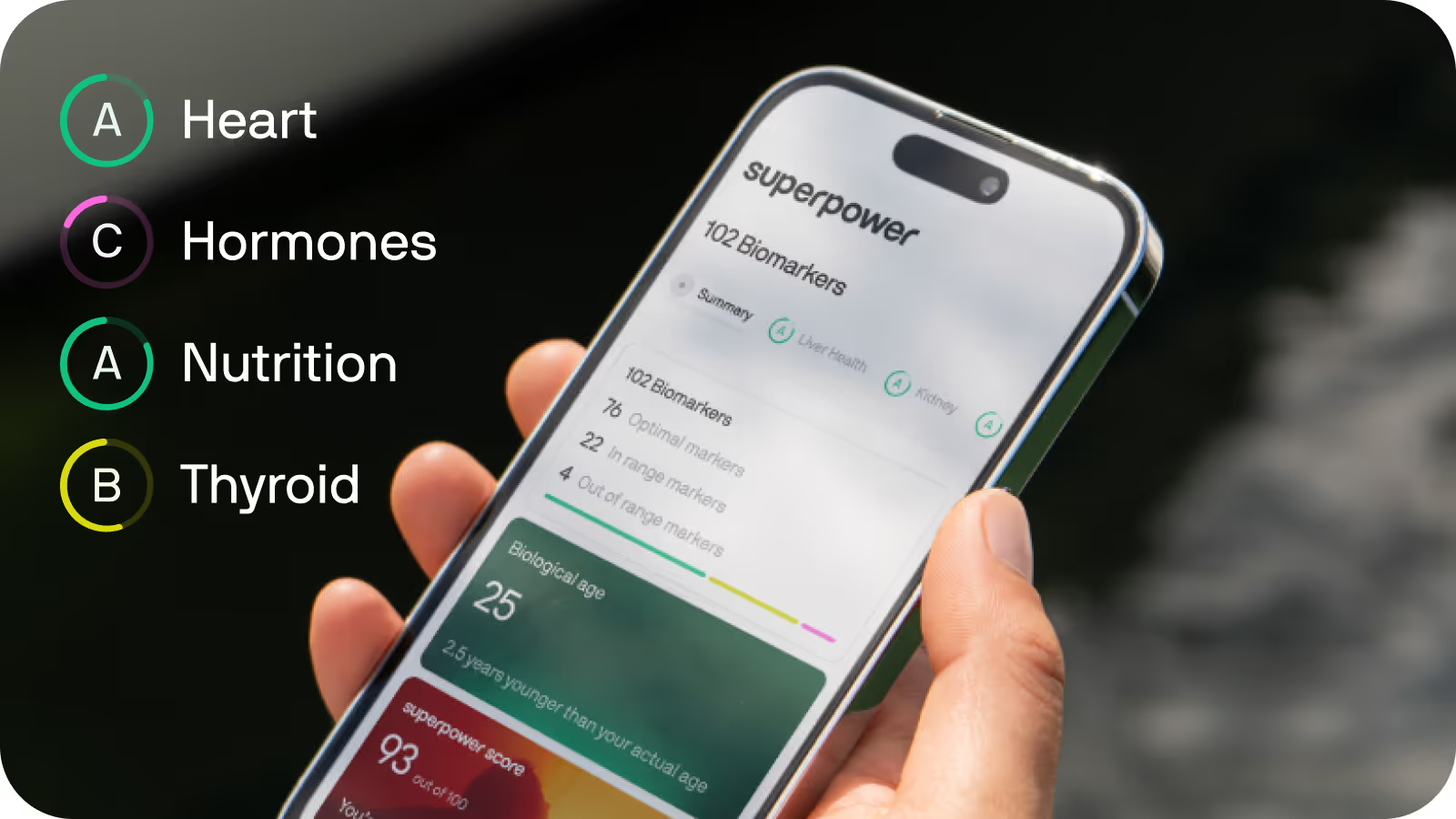
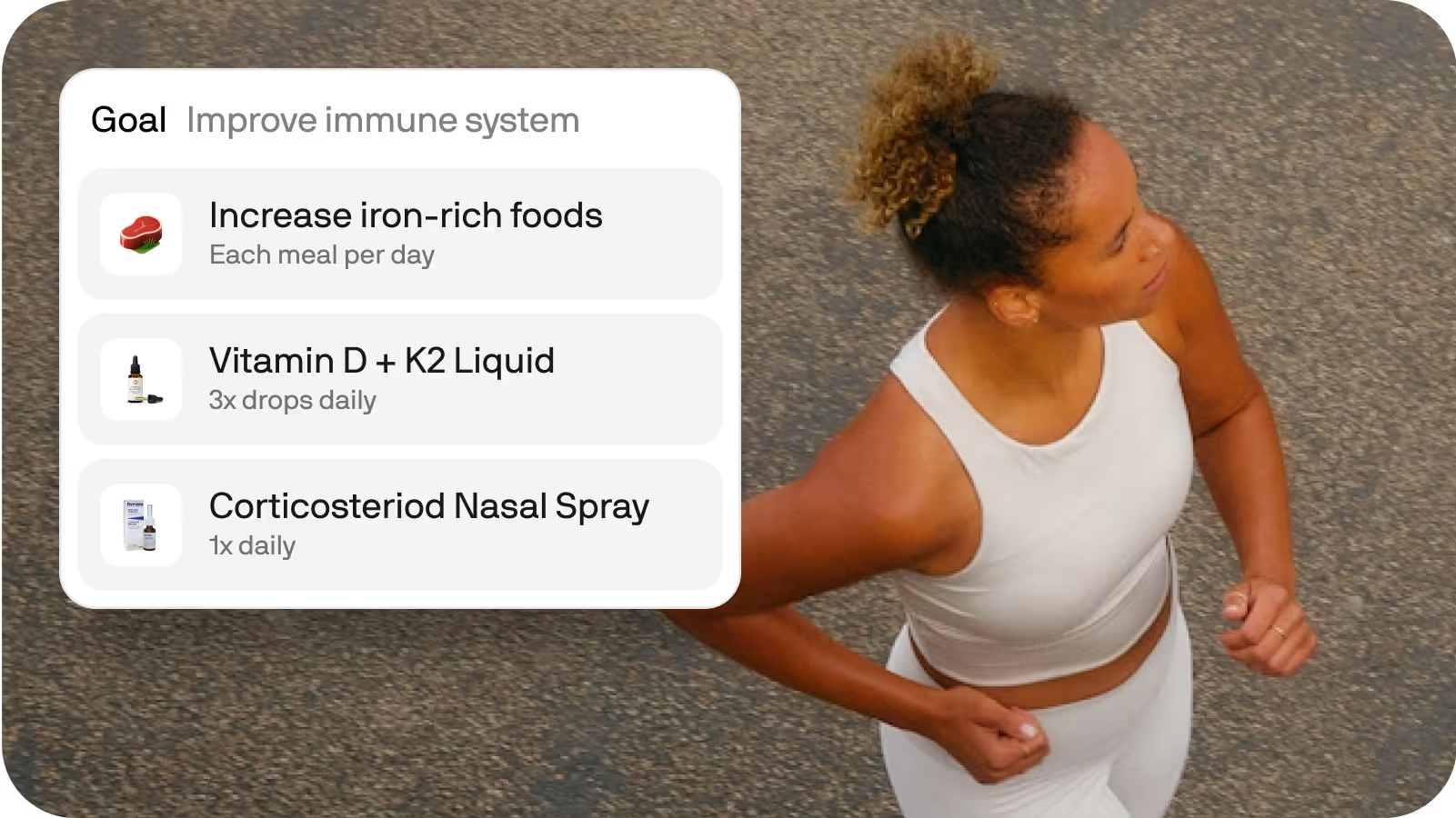
Easy to understand results & a clear action plan with tailored recommendations on diet, lifestyle changes, supplements and pharmaceuticals.

3

A Connected Ecosystem

You can book additional diagnostics, buy curated supplements for 20% off & pharmaceuticals within your Superpower dashboard.

Superpower tests more than 
100+ biomarkers & common symptoms

Developed by world-class medical professionals

Supported by the world’s top longevity clinicians and MDs.

Dr Anant Vinjamoori

Superpower Chief Longevity Officer, Harvard MD & MBA

A smiling woman wearing a white coat and stethoscope poses for a portrait.

Dr Leigh Erin Connealy

Clinician & Founder of The Centre for New Medicine

Man in a black medical scrub top smiling at the camera.

Dr Abe Malkin

Founder & Medical Director of Concierge MD

Dr Robert Lufkin

UCLA Medical Professor, NYT Bestselling Author

Your membership

Select your assessment level

Superpower provides the most advanced health check with a plan that works. Go far beyond your annual physical.

Panels designed by

world class clinicians

2,000+ lab locations

across the country

Baseline

$199/yr

100+ biomarker blood test

Performance

Recommended

$365/yr

115+ biomarker blood test

60 biomarker follow-up retest

Complete

$649/yr

115+ biomarker blood test

60 biomarker follow-up retest

Gut microbiome analysis

Organ age breakdown

Get started
Loading...
HSA/ FSA eligible · Secure checkout

Baseline

$199

per year

Covers your metabolic, hormonal and cardiovascular baseline. The best basis for a single snapshot of your overall health.

What's included

Test Breakdown

These are the panels offered in the tiers above

100+ biomarker blood test

Heart & Vascular Health

20 markers

ApoB, LDL-Cholesterol, Triglycerides

Sex Hormones

8 markers

Testosterone, Estradiol, DHEA-S, Cortisol

Metabolic Health

7 markers

Glucose, HbA1c

Thyroid Health

4 markers

TSH, T3 Uptake, Free T4, T4 Total

Liver Health

13 markers

ALT, AST, GGT, Bilirubin

Nutrients

12 markers

Vitamin D, Total Protein, Hemoglobin

Immune System

16 markers

White blood cells, Neutrophils, Lymphocytes

Energy

5 markers

Ferritin, Iron, Cortisol

Kidney Health

9 markers

Creatinine, eGFR, Potassium, Sodium

See full list →

+21 additional

Included with every assessment

17 health areas developed by world class clinicians

Personalized clinical protocol

On-demand messaging with your care team

20% off superpower marketplace

Member pricing on add-on tests, supplements & RX

Upload past labs & wearable data for tracking

Superpower AI — a world class system trained on you

Complete

$649

per year

Normally $703 (save 8%)

Adds gut microbiome analysis and organ age surfacing, what standard blood panels may miss across energy, digestion, and immunity.

What's included

Test Breakdown

These are the panels offered in the tiers above

115+ biomarker blood test

Heart & Vascular Health

20 markers

ApoB, LDL-Cholesterol, Triglycerides, Lipoprotein(a)

Sex Hormones

11 markers

Testosterone, Estradiol, DHEA-S, Cortisol, PSA, FSH, LH, AMH

Metabolic Health

7 markers

Glucose, HbA1c, Insulin

Thyroid Health

4 markers

TSH, T3 Uptake, Free T4, T4 Total

Liver Health

8 markers

ALT, AST, GGT, Bilirubin

Nutrients

12 markers

Vitamin D, Total Protein, Hemoglobin

Immune System

16 markers

White blood cells, Neutrophils, Lymphocytes

Energy

5 markers

Ferritin, Iron, Cortisol

Kidney Health

24 markers

Creatinine, eGFR, Potassium, Urinary pH, RBC Urine, Nitrites

DNA Health

3 markers

Homocysteine, B12, Folate

Inflammation

3 markers

hs-CRP, Systemic Immune-Inflammation Index

See full list →

+8 additional

60 biomarker follow-up retest

Retesting panel

100 markers

Complete second draw — 60 biomarkers retested for longitudinal tracking.
Most biomarkers can move significantly within 3–6 months if you're actively trying to fix them.

Gut microbiome analysis

$239

Gut microbiome

300+ data points

Profiles 300 bacterial strains in your gut to map your microbial balance.
Identifies dysbiosis that may be driving symptoms like bloating, irregular digestion, skin issues, and mood changes, with actionable guidance on diet and lifestyle shifts to help restore balance.

Organ age breakdown

$99

OrganAge is the most detailed biological age test available today. Rather than showing a single number, it reveals how old each of your body's nine key systems is

Organ age breakdown

10 key systems

Circulatory, digestive, genitourinary, infectious, mental, metabolic, musculoskeletal, nervous, respiratory and systemic ages based on cutting edge longevity research

Included with every assessment

17 health areas developed by world class clinicians

Personalized clinical protocol

On-demand messaging with your care team

20% off superpower marketplace

Member pricing on add-on tests, supplements & RX

Upload past labs & wearable data for tracking

Superpower AI — a world class system trained on you

Get started
Loading...
HSA/ FSA eligible · Secure checkout

Finally, healthcare that looks at the whole you