

Occupational Exposure

Cadmium Toxin Test

This cadmium test measures your personal cadmium levels so you can detect elevated exposure early and take action. Early awareness may help you avoid cadmium-related problems such as kidney damage, weakened bones (osteoporosis), lung and cardiovascular issues, and increased cancer risk.

Key Insights

  • Understand how this test reveals your body’s current biological state — whether it’s exposure, imbalance, or cellular activity related to health and disease.
  • Identify cadmium levels that may explain symptoms like fatigue, reduced exercise recovery, kidney strain, or bone fragility, and clarify potential risk from smoking, certain foods, or occupational exposure.
  • Learn how diet, air quality, smoking status, iron stores, and genetics in metal handling (e.g., metallothionein pathways) may shape your cadmium results.
  • Use insights to guide prevention and care with your clinician, including decisions about exposure reduction, monitoring kidney health, and when additional testing is warranted.
  • Track changes over time to see if exposure is ongoing or declining after lifestyle or environmental adjustments.
  • When appropriate, integrate this test with related panels (e.g., kidney function, inflammation, bone health, and other metals) for a more complete view.

What Is a Cadmium Test?

Why it matters: cadmium levels can reveal how your detoxification and metal-handling systems are coping with environmental exposure. Because cadmium binds to proteins (like metallothionein) and clears slowly, even small, repeated exposures can build up over time. Testing offers objective data before problems surface — touching core systems like kidney filtration, bone remodeling, metabolic health, and cardiovascular risk. Understanding your levels helps you and your clinician map both current exposure and long-term resilience.

Why Is It Important to Test Your Cadmium?

Cadmium can enter the body through cigarette smoke, certain foods (like rice, leafy greens, and shellfish), and specific workplaces (battery manufacturing, metal smelting, pigments, electronics recycling). Once absorbed, it prefers the kidneys and bones. Elevated levels are linked to tubular kidney injury, subtle drops in filtration, disturbances in calcium handling that can undermine bone density, and low-grade inflammation that may influence blood pressure and metabolic health. Testing is especially relevant if you smoke or vape, live near industrial sources, have occupational exposure, follow a diet high in cadmium-prone foods, have unexplained fatigue or bone aches, or show early kidney stress on routine labs. It can also be considered when planning a pregnancy, since maternal exposure affects fetal environment (though overall risk varies and more research is needed).

Big picture: you’re not trying to “pass” or “fail.” You’re learning where you stand so you can track trends and reduce risk. Repeat testing helps gauge whether exposure is ongoing or receding, and how changes — like quitting smoking, altering food sources, or improving iron status — affect accumulation and clearance over time. Combined with kidney markers and other metals, cadmium testing supports prevention, early detection of strain, and smarter long-term health decisions.

What Insights Will I Get From a Cadmium Test?

Your results are presented as a level compared to a lab’s reference range. “Normal” means you’re within what’s typical for that lab’s reference population; “optimal” is the zone associated with lower long-term risk in surveillance data. Context matters: a mildly high blood cadmium can signal a recent exposure even if urine cadmium (long-term body burden) is average, while an elevated urine cadmium may reflect cumulative load despite a current low-exposure lifestyle.

Balanced values suggest low ongoing exposure and efficient handling via binding proteins and renal excretion. Variation is expected — factors like smoking, recent diet (e.g., shellfish), iron status, and genetics in metal transport influence uptake. Iron deficiency, for instance, can increase cadmium absorption from the gut because transporters that pull in iron also ferry cadmium.

Higher levels can indicate recent exposure (blood) or long-term accumulation (urine). Patterns may point to sources: smokers typically show higher blood cadmium; certain occupations or dietary patterns may nudge urine cadmium upward over years. Abnormal results are not a diagnosis, but they can justify deeper evaluation of kidney tubular function (with standard labs like serum creatinine, eGFR, and urine albumin, and in some settings specialized markers such as beta‑2 microglobulin) and a review of potential exposures with your clinician.

Limitations and interpretation: kidney function and hydration influence urine results, which is why many labs normalize to creatinine. Very dilute or very concentrated urine can skew interpretation. Methodology differs between labs — ICP‑MS is the modern standard for sensitivity — and sample contamination can occur if trace-metal–free supplies aren’t used. A single snapshot is helpful, but the real power is in trends over time, aligned with your symptoms, exposure history, and related biomarkers. Used this way, the cadmium test supports preventive care, clarifies hidden risks, and helps you and your clinician make informed, personalized decisions for long-term health.

Frequently Asked Questions About Cadmium Toxin Test

What does the cadmium toxin test measure?

The cadmium toxin test measures the amount of the heavy metal cadmium in a biological sample (commonly blood, urine, hair or nails) to quantify an individual’s exposure. Blood cadmium mainly reflects recent or ongoing exposure, while urine cadmium—often reported as a creatinine‑adjusted value or 24‑hour excretion—better indicates cumulative body burden and kidney accumulation; hair and nail tests may suggest longer‑term exposure patterns.

Results are used to understand personal cadmium levels and exposure history (for example from occupational sources, smoking, contaminated food or environment) and to guide whether medical follow‑up or exposure reduction is warranted; they are not by themselves a full medical diagnosis and should be interpreted with a clinician or occupational health professional if levels are elevated.

What can my cadmium toxin test results tell me about my health?

Cadmium test results indicate the presence and approximate amount of cadmium in your body, but their meaning depends on the sample type: blood levels mostly reflect recent or ongoing exposure (and some recent body burden), while urinary cadmium (especially 24‑hour collection or creatinine‑adjusted spot urine) is a better marker of long‑term body burden and kidney accumulation. Hair or nail measurements are less reliable and are interpreted with caution. Lab reference ranges vary, so a result should be compared to the lab’s reported normal values.

Elevated cadmium levels can signal increased risk of cadmium‑related health effects—most importantly kidney damage (reduced tubular function), bone demineralization and fractures, and higher long‑term risk for pulmonary disease and some cancers—while low levels don’t guarantee absence of risk. Results need clinical correlation with symptoms, exposure history (e.g., occupational exposure, smoking, contaminated food/water), and additional tests such as kidney function (serum creatinine, urinalysis) or repeat cadmium measurements; if elevated, reducing exposure and discussing monitoring or treatment with a healthcare provider are recommended.

How accurate or reliable are cadmium toxin tests?

Cadmium testing can be reliable when the appropriate specimen and laboratory methods are used: blood levels reflect recent or ongoing exposure, while urine (particularly timed or spot urine adjusted for creatinine) better reflects cumulative body burden and kidney accumulation. Laboratories that use validated methods such as ICP‑MS provide sensitive and specific measurements; hair and unvalidated “provoked” challenge tests are less dependable and more prone to contamination or misinterpretation.

Accuracy depends on proper collection, handling, and use of reference ranges, plus clinical context (symptoms, exposure history, and repeat testing if needed). False lows can occur if testing is done long after exposure, and environmental contamination can cause false highs. For meaningful results, use a certified clinical laboratory, interpret findings with a clinician or toxicologist, and correlate results with clinical and occupational history.

How often should I test my cadmium levels?

If you have no known cadmium exposure or related symptoms, routine cadmium testing is generally not necessary. Testing is recommended when there is a known or suspected exposure (workplace, environmental spill, heavy smoking, living near contaminated sites) or if you have unexplained kidney dysfunction or bone problems—discuss testing with your clinician in those situations.

For people with occupational or high-risk exposure, medical surveillance typically starts with a baseline test before or soon after exposure and then periodic monitoring thereafter; frequency is set by your employer’s occupational-health program or local regulations but is commonly done annually or as clinically indicated. Urine cadmium better reflects long-term body burden while blood cadmium indicates more recent exposure, so work with your healthcare or occupational-health provider to choose the test and interval appropriate for your situation.

Can the amount of cadmium change quickly?

Yes — blood cadmium levels can change relatively quickly (days to weeks) with recent or acute exposure such as smoking or occupational contact, so blood tests reflect more recent exposure.

However, cadmium accumulates in organs (kidney, liver) over years, and urine or tissue-based markers reflect long‑term body burden and change slowly; levels generally won’t fall rapidly unless exposure is stopped and specific medical interventions are used.

Are cadmium toxin test results diagnostic?

No — cadmium toxin test results highlight patterns of imbalance or resilience rather than providing a medical diagnosis. They can indicate exposure levels or how the body is handling cadmium, but they do not by themselves confirm disease.

Results must be interpreted alongside symptoms, medical history, physical exam findings and other laboratory or biomarker data by a qualified clinician to determine clinical significance and next steps.

How can I improve my cadmium levels after testing?

Stop or minimize exposure first: quit smoking, avoid occupational or hobby sources (use PPE, improve ventilation and hygiene at work), and limit foods likely to accumulate cadmium (certain shellfish, organ meats and crops grown in contaminated soils) or contaminated drinking water. Have potential sources investigated (workplace, home soil or water) and involve your employer or local public health if contamination is suspected.

Work with your clinician or a medical toxicologist for follow‑up testing and management—cadmium is stored long term in kidneys and bone so body burden falls slowly. Routine chelation is not generally effective for chronic cadmium exposure and is reserved for acute severe poisoning under specialist care. Supportive measures that may reduce absorption or harm include correcting iron, calcium and zinc deficiencies, staying well hydrated, eating a varied antioxidant‑rich diet (vitamin C/E, selenium), and monitoring kidney function and bone health. Repeat testing and individualized follow‑up are important to track improvement.

How it works

1

Test your whole body

Get a comprehensive blood draw at one of our 2,000+ partner labs or from the comfort of your own home.

2

An Actionable Plan

Easy to understand results & a clear action plan with tailored recommendations on diet, lifestyle changes, supplements and pharmaceuticals.

3

A Connected Ecosystem

You can book additional diagnostics, buy curated supplements for 20% off & pharmaceuticals within your Superpower dashboard.

Superpower tests more than 
100+ biomarkers & common symptoms

Developed by world-class medical professionals

Supported by the world’s top longevity clinicians and MDs.

Dr Anant Vinjamoori

Superpower Chief Longevity Officer, Harvard MD & MBA

A smiling woman wearing a white coat and stethoscope poses for a portrait.

Dr Leigh Erin Connealy

Clinician & Founder of The Centre for New Medicine

Man in a black medical scrub top smiling at the camera.

Dr Abe Malkin

Founder & Medical Director of Concierge MD

Dr Robert Lufkin

UCLA Medical Professor, NYT Bestselling Author

Your membership

Select your assessment level

Superpower provides the most advanced health check with a plan that works. Go far beyond your annual physical.

Panels designed by

world class clinicians

2,000+ lab locations

across the country

Baseline

$199/yr

100+ biomarker blood test

Performance

Recommended

$365/yr

115+ biomarker blood test

60 biomarker follow-up retest

Complete

$649/yr

115+ biomarker blood test

60 biomarker follow-up retest

Gut microbiome analysis

Organ age breakdown

Get started
Loading...
HSA/ FSA eligible · Secure checkout

Baseline

$199

per year

Covers your metabolic, hormonal and cardiovascular baseline. The best basis for a single snapshot of your overall health.

What's included

Test Breakdown

These are the panels offered in the tiers above

100+ biomarker blood test

Heart & Vascular Health

20 markers

ApoB, LDL-Cholesterol, Triglycerides

Sex Hormones

8 markers

Testosterone, Estradiol, DHEA-S, Cortisol

Metabolic Health

7 markers

Glucose, HbA1c

Thyroid Health

4 markers

TSH, T3 Uptake, Free T4, T4 Total

Liver Health

13 markers

ALT, AST, GGT, Bilirubin

Nutrients

12 markers

Vitamin D, Total Protein, Hemoglobin

Immune System

16 markers

White blood cells, Neutrophils, Lymphocytes

Energy

5 markers

Ferritin, Iron, Cortisol

Kidney Health

9 markers

Creatinine, eGFR, Potassium, Sodium

See full list →

+21 additional

Included with every assessment

17 health areas developed by world class clinicians

Personalized clinical protocol

On-demand messaging with your care team

20% off superpower marketplace

Member pricing on add-on tests, supplements & RX

Upload past labs & wearable data for tracking

Superpower AI — a world class system trained on you

Complete

$649

per year

Normally $703 (save 8%)

Adds gut microbiome analysis and organ age surfacing, what standard blood panels may miss across energy, digestion, and immunity.

What's included

Test Breakdown

These are the panels offered in the tiers above

115+ biomarker blood test

Heart & Vascular Health

20 markers

ApoB, LDL-Cholesterol, Triglycerides, Lipoprotein(a)

Sex Hormones

11 markers

Testosterone, Estradiol, DHEA-S, Cortisol, PSA, FSH, LH, AMH

Metabolic Health

7 markers

Glucose, HbA1c, Insulin

Thyroid Health

4 markers

TSH, T3 Uptake, Free T4, T4 Total

Liver Health

8 markers

ALT, AST, GGT, Bilirubin

Nutrients

12 markers

Vitamin D, Total Protein, Hemoglobin

Immune System

16 markers

White blood cells, Neutrophils, Lymphocytes

Energy

5 markers

Ferritin, Iron, Cortisol

Kidney Health

24 markers

Creatinine, eGFR, Potassium, Urinary pH, RBC Urine, Nitrites

DNA Health

3 markers

Homocysteine, B12, Folate

Inflammation

3 markers

hs-CRP, Systemic Immune-Inflammation Index

See full list →

+8 additional

60 biomarker follow-up retest

Retesting panel

100 markers

Complete second draw — 60 biomarkers retested for longitudinal tracking.
Most biomarkers can move significantly within 3–6 months if you're actively trying to fix them.

Gut microbiome analysis

$239

Gut microbiome

300+ data points

Profiles 300 bacterial strains in your gut to map your microbial balance.
Identifies dysbiosis that may be driving symptoms like bloating, irregular digestion, skin issues, and mood changes, with actionable guidance on diet and lifestyle shifts to help restore balance.

Organ age breakdown

$99

OrganAge is the most detailed biological age test available today. Rather than showing a single number, it reveals how old each of your body's nine key systems is

Organ age breakdown

10 key systems

Circulatory, digestive, genitourinary, infectious, mental, metabolic, musculoskeletal, nervous, respiratory and systemic ages based on cutting edge longevity research

Included with every assessment

17 health areas developed by world class clinicians

Personalized clinical protocol

On-demand messaging with your care team

20% off superpower marketplace

Member pricing on add-on tests, supplements & RX

Upload past labs & wearable data for tracking

Superpower AI — a world class system trained on you

Get started
Loading...
HSA/ FSA eligible · Secure checkout

Finally, healthcare that looks at the whole you

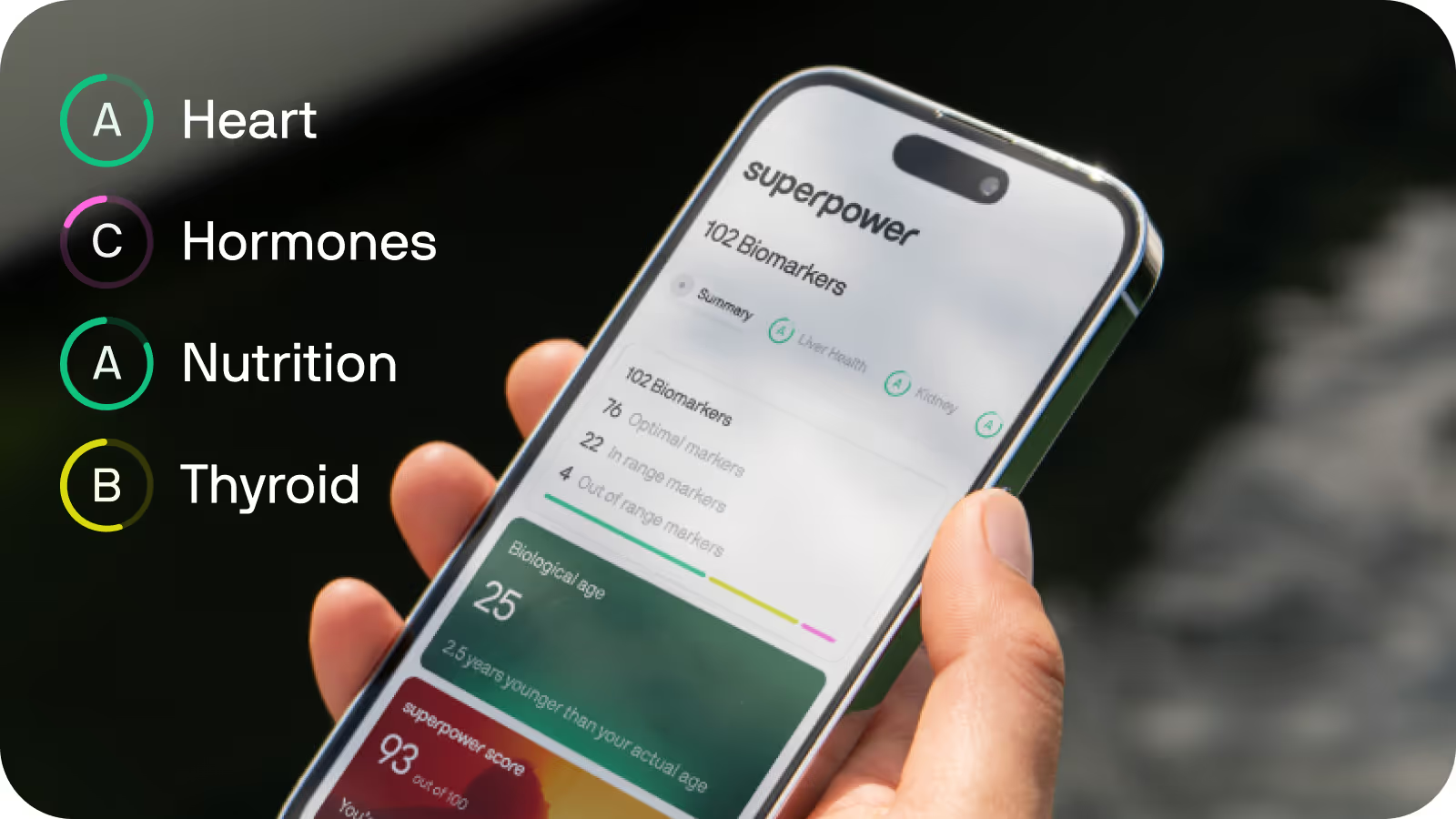
Superpower app on phone
Designed by world-class physicians

Get simple, free protocols for energy, heart health and more

Please enter a valid email address

Free protocols for

Improving energy with simple lifestyle changes

Reducing heart attack risk if you’re 30+

Slowing your pace of aging

Thanks for signing up!

Your health journey starts now. Watch your inbox for updates and smarter health insights – stay tuned.