

Products

Aluminum Toxin Test

Measure your personal aluminum level to detect elevated exposure so you can take action to reduce it; this can help lower the risk of aluminum-associated issues such as cognitive problems, weakened bones, and kidney stress.

Key Insights

  • Understand how this test reveals your body’s current biological state—whether you have measurable aluminum exposure, retention, or related cellular stress.
  • Identify relevant biomarkers that can clarify unexplained fatigue, bone aches, anemia, or cognitive changes by quantifying aluminum in blood or urine.
  • Learn how diet, drinking water, cookware, antacids, antiperspirants, occupational exposures, kidney function, and genetics may shape your aluminum results.
  • Use insights to guide personalized prevention and care with your clinician, such as confirming recent exposure, evaluating retention when kidney function is reduced, or deciding when further evaluation is warranted.
  • Track how your results change over time to monitor recovery after exposure or to evaluate responses to workplace controls and clinical interventions.
  • When appropriate, integrate this test with related panels—kidney function (creatinine, eGFR), inflammation, bone turnover, and iron studies—for a more complete view of health.

What Is an Aluminum Toxin Test?

An aluminum toxin test measures the amount of aluminum in your body using blood (serum or plasma) or urine. In most clinical settings, serum/plasma aluminum reflects recent exposure and overall retention, while urine aluminum reflects recent exposure and excretion, often reported relative to creatinine to account for hydration. Accredited laboratories typically use trace-element protocols and high-sensitivity technology such as inductively coupled plasma mass spectrometry (ICP‑MS) to detect aluminum at very low concentrations. Your results are compared with laboratory-specific reference ranges to help distinguish typical background exposure from potentially concerning levels.

Why it matters: aluminum is a common element in daily life—from certain foods and food additives to cookware, treated water, antacids, and some antiperspirants. Healthy kidneys clear small amounts efficiently. When exposures are high or kidney function is reduced, aluminum can accumulate in bone and brain tissue, contributing to symptoms such as bone pain or anemia and, at high levels, neurological effects. Testing provides objective data on exposure and handling capacity, offering an early look at detoxification, metabolic processing, and tissue safety before problems are obvious. It’s a way to translate real-world contact with an environmental metal into clear, actionable biology.

Why Is It Important to Test Your Aluminum?

Aluminum interacts with key systems that keep you resilient. Once absorbed, it travels in the blood bound to proteins and is filtered by the kidneys. Excess aluminum can stress cells, interfere with iron-dependent enzymes, alter bone mineralization, and affect neural signaling. Most people with healthy kidneys maintain low levels, but risk rises with repeated exposures (for example, certain occupational settings such as welding or metal finishing) or impaired excretion. Testing is especially relevant if you have chronic kidney disease, receive dialysis, use high-dose aluminum-containing medications, work in high-exposure environments, or have unexplained bone discomfort, anemia that doesn’t behave as expected, or neurological symptoms where toxic exposure is part of the differential. Historical data from dialysis-era outbreaks showed how elevated aluminum can drive bone disease and encephalopathy, underscoring the value of monitoring in higher-risk groups.

Zooming out, measuring aluminum is about prevention and trajectory. Regular testing can document baseline exposure, flag early upward trends, and show how changes—workplace protections, product swaps, or clinician-guided therapies—shift your internal levels over time. The aim isn’t to “pass” a single cutoff. It’s to see where you stand, understand how your body is handling the load, and track progress toward safer, steadier biology. Evidence continues to evolve on long-term, low-level exposure and chronic disease, so results are best interpreted in context with symptoms, kidney function, and related biomarkers.

What Insights Will I Get From an Aluminum Toxin Test?

Results are typically displayed as a concentration in blood or urine, sometimes with urine normalized to creatinine, and compared to the lab’s reference range. “Normal” reflects what is typical in a general, relatively healthy population, while “optimal” considers lower-risk zones for people with vulnerabilities, such as reduced kidney function. Context matters: a modest rise after a known exposure may be less concerning than a persistent elevation without explanation.

Balanced values suggest efficient absorption barriers, protein binding, and renal excretion—your detox pathways are keeping daily life exposures in check. Variability is expected and influenced by hydration, kidney function, nutritional status (iron status can affect aluminum uptake), and genetics.

Higher values can indicate recent exposure, impaired elimination, or, less commonly, redistribution from tissue stores. Lower values generally reflect low exposure and good clearance. Abnormal results do not equal disease; they are a signal to interpret alongside symptoms, kidney metrics, and other labs.

The real power is pattern recognition over time. When paired with kidney function tests, iron studies, inflammation markers, and relevant occupational history, your results help distinguish transient spikes from true retention—supporting preventive care, early detection of risk, and personalized strategies that protect bone, brain, and long-term vitality.

Frequently Asked Questions About Aluminum Toxin Test

What does the aluminum toxin test measure?

An aluminum toxin test measures the concentration of aluminum in a person’s biological sample—most commonly blood (serum or plasma), a timed urine collection, or sometimes hair—to quantify recent or cumulative exposure; results are reported as elemental aluminum concentration (for example µg/L or µg/g) and reflect how much aluminum is circulating or being eliminated from the body.

These tests are for people to understand their personal levels and nothing else; results need clinical context for interpretation and should not be used alone to diagnose or direct treatment—consult a healthcare professional for personalized advice.

What can my aluminum toxin test results tell me about my health?

Aluminum toxin test results indicate the amount of aluminum detected in the specimen tested (blood, urine, or hair) and are used to assess exposure and body burden. Low or “within reference range” results usually indicate typical environmental exposure, whereas elevated results can signal recent or ongoing exposure, impaired elimination (especially with reduced kidney function), or accumulation from medical sources (for example, certain dialysis fluids or long‑term antacid use). Blood or serum measurements reflect recent or circulating aluminum, timed urine collections or provoked urine tests can indicate body burden or excreted aluminum, and hair levels are variable and less reliable for clinical decisions.

Interpreting results requires clinical context: symptoms, kidney function, exposure history, and the specific specimen and laboratory reference ranges. Mild elevations may prompt source reduction (stop or reduce exposure) and monitoring; markedly high levels, symptoms of neurotoxicity or bone disease, or impaired renal clearance may require urgent medical evaluation and treatment (which can include chelation in severe cases). Discuss results with a knowledgeable clinician to determine significance and next steps rather than relying on the lab number alone.

How accurate or reliable are aluminum toxin tests?

For suspected aluminum‑related disease (for example bone disease in dialysis patients) bone biopsy and clinical evaluation remain the diagnostic standards; laboratory measurements should be interpreted by a clinician familiar with exposure history, symptoms and appropriate reference ranges, and by using an accredited lab that reports method and limits of detection.

How often should I test my aluminum levels?

Routine testing of aluminum levels is not necessary for most people; testing is advised when there are symptoms suggestive of aluminum toxicity, known or suspected exposure (occupational, contaminated water or medicines), impaired kidney function, or when patients are on long‑term parenteral nutrition or chronic dialysis.

For those at higher risk (chronic dialysis, long‑term TPN, or confirmed occupational exposure), clinicians commonly monitor serum aluminum periodically—often every 3–6 months for dialysis patients and every 6–12 months or after a known exposure for occupational cases—but exact timing should be individualized by the treating physician based on exposure level, symptoms, and clinical judgment.

Can the amount of aluminum change quickly?

Yes. Measured aluminum in blood or urine can change fairly quickly — over hours to days — because these samples reflect recent exposure and ongoing excretion; events such as ingestion of aluminum-containing antacids, occupational exposure, dialysis, or chelation therapy can raise circulating or urinary levels relatively rapidly.

However, most body aluminum is stored in bone and other tissues and changes slowly (weeks to years). Lab variability and sample contamination can also affect single measurements, so results are interpreted with clinical context and often confirmed with repeat testing or urine collection methods.

Are aluminum toxin test results diagnostic?

No — aluminum toxin test results highlight patterns of exposure, imbalance, or resilience; they are not by themselves diagnostic of a disease or condition.

These results must be interpreted alongside symptoms, medical history, physical exam findings and other laboratory or biomarker data, and should be reviewed and acted on by a qualified clinician who can integrate them into a full diagnostic evaluation and management plan.

How can I improve my aluminum levels after testing?

Reduce ongoing exposure first: use a certified aluminum-removing water filter or reverse-osmosis water, avoid cooking or storing acidic foods in aluminum cookware or foil, stop using aluminum-containing antacids and personal-care products (e.g., some antiperspirants) when possible, minimize processed foods and food additives that may contain aluminum, and follow workplace safety rules and PPE if you have occupational exposure.

Support elimination and overall health while working with a clinician: ensure good hydration and kidney function, maintain a balanced diet rich in antioxidants (vitamin C, E) and fiber, and discuss nutritional supports with your provider. In cases of significant elevation or symptoms, a physician or toxicologist may consider medically supervised chelation (for example, deferoxamine is used in severe aluminum toxicity) and will decide on appropriate agents and dosing.

Arrange clinical follow-up: repeat testing as recommended by your healthcare team to confirm levels are falling, document and eliminate exposure sources, and do not attempt chelation or high‑dose supplements without medical supervision.

How it works

1

Test your whole body

Get a comprehensive blood draw at one of our 2,000+ partner labs or from the comfort of your own home.

2

An Actionable Plan

Easy to understand results & a clear action plan with tailored recommendations on diet, lifestyle changes, supplements and pharmaceuticals.

3

A Connected Ecosystem

You can book additional diagnostics, buy curated supplements for 20% off & pharmaceuticals within your Superpower dashboard.

Superpower tests more than 
100+ biomarkers & common symptoms

Developed by world-class medical professionals

Supported by the world’s top longevity clinicians and MDs.

Dr Anant Vinjamoori

Superpower Chief Longevity Officer, Harvard MD & MBA

A smiling woman wearing a white coat and stethoscope poses for a portrait.

Dr Leigh Erin Connealy

Clinician & Founder of The Centre for New Medicine

Man in a black medical scrub top smiling at the camera.

Dr Abe Malkin

Founder & Medical Director of Concierge MD

Dr Robert Lufkin

UCLA Medical Professor, NYT Bestselling Author

Your membership

Select your assessment level

Superpower provides the most advanced health check with a plan that works. Go far beyond your annual physical.

Panels designed by

world class clinicians

2,000+ lab locations

across the country

Baseline

$199/yr

100+ biomarker blood test

Performance

Recommended

$365/yr

115+ biomarker blood test

60 biomarker follow-up retest

Complete

$649/yr

115+ biomarker blood test

60 biomarker follow-up retest

Gut microbiome analysis

Organ age breakdown

Get started
Loading...
HSA/ FSA eligible · Secure checkout

Baseline

$199

per year

Covers your metabolic, hormonal and cardiovascular baseline. The best basis for a single snapshot of your overall health.

What's included

Test Breakdown

These are the panels offered in the tiers above

100+ biomarker blood test

Heart & Vascular Health

20 markers

ApoB, LDL-Cholesterol, Triglycerides

Sex Hormones

8 markers

Testosterone, Estradiol, DHEA-S, Cortisol

Metabolic Health

7 markers

Glucose, HbA1c

Thyroid Health

4 markers

TSH, T3 Uptake, Free T4, T4 Total

Liver Health

13 markers

ALT, AST, GGT, Bilirubin

Nutrients

12 markers

Vitamin D, Total Protein, Hemoglobin

Immune System

16 markers

White blood cells, Neutrophils, Lymphocytes

Energy

5 markers

Ferritin, Iron, Cortisol

Kidney Health

9 markers

Creatinine, eGFR, Potassium, Sodium

See full list →

+21 additional

Included with every assessment

17 health areas developed by world class clinicians

Personalized clinical protocol

On-demand messaging with your care team

20% off superpower marketplace

Member pricing on add-on tests, supplements & RX

Upload past labs & wearable data for tracking

Superpower AI — a world class system trained on you

Complete

$649

per year

Normally $703 (save 8%)

Adds gut microbiome analysis and organ age surfacing, what standard blood panels may miss across energy, digestion, and immunity.

What's included

Test Breakdown

These are the panels offered in the tiers above

115+ biomarker blood test

Heart & Vascular Health

20 markers

ApoB, LDL-Cholesterol, Triglycerides, Lipoprotein(a)

Sex Hormones

11 markers

Testosterone, Estradiol, DHEA-S, Cortisol, PSA, FSH, LH, AMH

Metabolic Health

7 markers

Glucose, HbA1c, Insulin

Thyroid Health

4 markers

TSH, T3 Uptake, Free T4, T4 Total

Liver Health

8 markers

ALT, AST, GGT, Bilirubin

Nutrients

12 markers

Vitamin D, Total Protein, Hemoglobin

Immune System

16 markers

White blood cells, Neutrophils, Lymphocytes

Energy

5 markers

Ferritin, Iron, Cortisol

Kidney Health

24 markers

Creatinine, eGFR, Potassium, Urinary pH, RBC Urine, Nitrites

DNA Health

3 markers

Homocysteine, B12, Folate

Inflammation

3 markers

hs-CRP, Systemic Immune-Inflammation Index

See full list →

+8 additional

60 biomarker follow-up retest

Retesting panel

100 markers

Complete second draw — 60 biomarkers retested for longitudinal tracking.
Most biomarkers can move significantly within 3–6 months if you're actively trying to fix them.

Gut microbiome analysis

$239

Gut microbiome

300+ data points

Profiles 300 bacterial strains in your gut to map your microbial balance.
Identifies dysbiosis that may be driving symptoms like bloating, irregular digestion, skin issues, and mood changes, with actionable guidance on diet and lifestyle shifts to help restore balance.

Organ age breakdown

$99

OrganAge is the most detailed biological age test available today. Rather than showing a single number, it reveals how old each of your body's nine key systems is

Organ age breakdown

10 key systems

Circulatory, digestive, genitourinary, infectious, mental, metabolic, musculoskeletal, nervous, respiratory and systemic ages based on cutting edge longevity research

Included with every assessment

17 health areas developed by world class clinicians

Personalized clinical protocol

On-demand messaging with your care team

20% off superpower marketplace

Member pricing on add-on tests, supplements & RX

Upload past labs & wearable data for tracking

Superpower AI — a world class system trained on you

Get started
Loading...
HSA/ FSA eligible · Secure checkout

Finally, healthcare that looks at the whole you

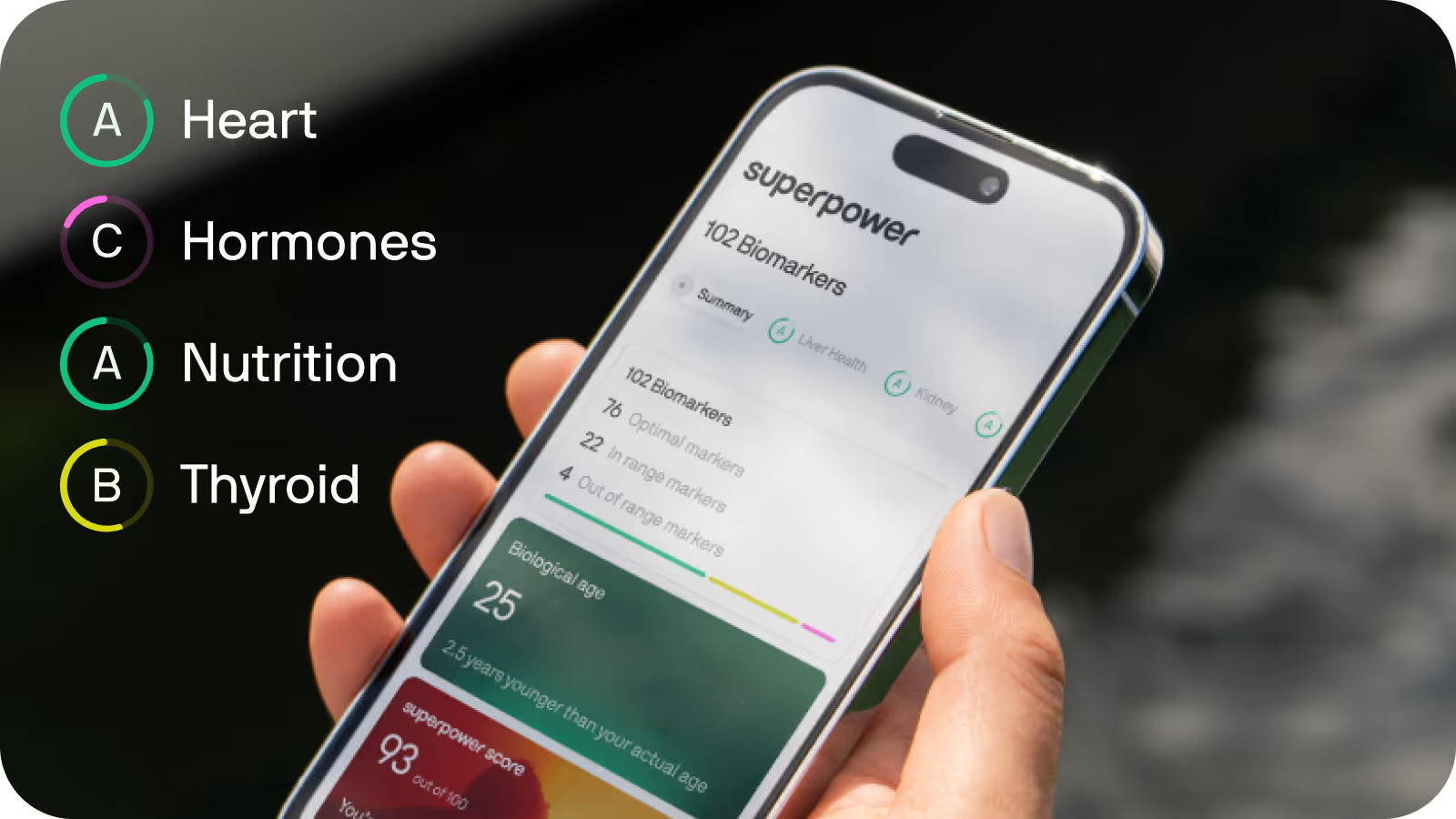
Superpower app on phone
Designed by world-class physicians

Get simple, free protocols for energy, heart health and more

Please enter a valid email address

Free protocols for

Improving energy with simple lifestyle changes

Reducing heart attack risk if you’re 30+

Slowing your pace of aging

Thanks for signing up!

Your health journey starts now. Watch your inbox for updates and smarter health insights – stay tuned.