


Understand what your organ health supplements results really mean
See your biomarkers in context with a comprehensive panel.
- CLIA-certified labs
- HIPAA compliant
- Personalized health protocol
Should you take CoQ10 with a statin?
The strongest evidence for CoQ10 benefit comes from patients who are already experiencing muscle symptoms, not from those taking statins without complaints. Prophylactic supplementation in asymptomatic users has not been shown to prevent myopathy, though some clinicians recommend it in high-risk populations, such as older adults or those on high-dose statins.
Why statins deplete CoQ10, and what that does to your cells
Statins work by inhibiting HMG-CoA reductase, the rate-limiting enzyme in the mevalonate pathway. This pathway produces cholesterol, which is why statins are so effective at lowering LDL. But the same pathway also produces farnesyl pyrophosphate, a precursor molecule required for CoQ10 synthesis. When you block the enzyme, you block both outputs.
CoQ10 is not a vitamin. Your body makes it. It sits in the inner mitochondrial membrane, where it shuttles electrons between complexes in the electron transport chain. Without it, mitochondria cannot efficiently produce ATP, the energy currency that powers muscle contraction, nerve signaling, and every other energy-dependent process in your body. Muscle cells, which have high energy demands, are especially vulnerable when CoQ10 levels drop.
Studies consistently show that statin therapy reduces circulating CoQ10 levels by 20 to 40 percent within weeks of starting treatment. Key findings include:
- Muscle tissue levels decline alongside circulating levels.
- CoQ10 depletion is dose-dependent (higher statin doses produce greater reductions).
- Lipophilic statins like atorvastatin and simvastatin penetrate muscle tissue more readily and are more likely to cause myopathy than hydrophilic statins like rosuvastatin.
The clinical consequence is statin-associated muscle symptoms, or SAMS. This includes myalgia (muscle pain), muscle weakness, cramps, and in rare cases, rhabdomyolysis (a severe breakdown of muscle tissue). Most patients experience mild to moderate symptoms that don't show up on standard lab tests like creatine kinase but are disruptive enough to affect exercise tolerance, daily activity, and medication adherence.
What the clinical evidence shows on CoQ10 for statin-related muscle pain
The evidence base for CoQ10 with statins is mixed but increasingly supportive. Early trials were small and underpowered, which led to conflicting conclusions. More recent meta-analyses, which pool data from multiple randomized controlled trials, show a clearer signal.
A 2018 meta-analysis published in the Journal of the American Heart Association analyzed six RCTs involving 302 patients with statin-induced myopathy. CoQ10 supplementation significantly reduced muscle pain severity compared to placebo. The effect was most pronounced in patients with confirmed myalgia, not in asymptomatic statin users. A 2024 systematic review in Cureus found that 75 percent of patients taking CoQ10 reported improvement in muscle symptoms, with reductions in both pain intensity and interference with daily activities.
Not all trials show benefit. A 2015 study in the Mayo Clinic Proceedings found no difference between CoQ10 and placebo in reducing muscle pain. However, this trial used a lower dose (100 mg daily) and included patients with less severe symptoms, which may explain the null result (2018 meta-analysis). Trials using 200 mg daily or higher, particularly in patients with documented myopathy, tend to show positive effects (2025 meta-analysis). Importantly, CoQ10 does not interfere with statin efficacy. LDL cholesterol reductions remain unchanged when CoQ10 is added.
How CoQ10 powers mitochondria and why muscle cells need it
CoQ10 exists in two interconvertible forms: ubiquinone (oxidized) and ubiquinol (reduced). In the mitochondrial electron transport chain, CoQ10 accepts electrons from Complex I and Complex II and transfers them to Complex III. This electron flow drives the pumping of protons across the inner mitochondrial membrane, creating an electrochemical gradient that ATP synthase uses to produce ATP.
When CoQ10 levels are insufficient, electron transport slows. Mitochondria become less efficient at producing ATP, and cells shift toward less efficient anaerobic metabolism. In muscle tissue, statin-lowered CoQ10 shows up as fatigue, weakness, and pain, especially during exertion when ATP demand spikes. CoQ10 also functions as a lipid-soluble antioxidant. It scavenges reactive oxygen species generated during mitochondrial respiration, protecting cell membranes and mitochondrial DNA from oxidative damage.
Why muscle is especially vulnerable
Skeletal muscle has a high mitochondrial density and relies heavily on oxidative phosphorylation for sustained contraction. Unlike the liver, which can store glycogen and shift metabolic pathways, muscle depends on continuous ATP production. When CoQ10 drops, muscle cells are among the first to feel it. This is why myalgia is the most common statin side effect, while liver enzyme elevations are relatively rare.
Dose, form, and timing: What the evidence supports
| Form | Studied dose | Timing | Notes |
|---|---|---|---|
| Ubiquinone (oxidized) | 100–200 mg daily (2025 meta-analysis) | With a fat-containing meal; timing relative to the statin doesn't matter | Most common in supplements, used in most trials showing benefit for muscle pain, and more affordable |
| Ubiquinol (reduced, active) | 100–200 mg daily, the range from ubiquinone trials | With a fat-containing meal; timing relative to the statin doesn't matter | May absorb better in older adults; costs more |
Ubiquinol may have higher bioavailability in older adults, whose ability to convert ubiquinone to ubiquinol declines with age. A 2014 study in the Journal of Agricultural and Food Chemistry found that ubiquinol produced higher plasma CoQ10 levels than ubiquinone at the same dose, though the clinical significance is unclear. If you're over 50 or have impaired mitochondrial function, ubiquinol may be the better choice.
Trials across conditions have used 60 to 600 mg daily (2022 meta-analysis). Higher doses appear in heart failure and neurodegenerative disease, but for SAMS, benefit appears to plateau at 200 mg. Start with 100 mg daily. If symptoms persist after 4 to 6 weeks, increase to 200 mg. Whatever the form, consistency matters more than timing.
Interactions and safety
CoQ10 is well-tolerated. Mild gastrointestinal upset and insomnia are the most commonly reported side effects, and both are rare. CoQ10 may have a mild anticoagulant effect, so patients on warfarin should monitor their INR more closely when starting supplementation. There are no known interactions with statins or other cardiovascular medications.
Test 100+ biomarkers
One blood draw. A full picture of your health, explained in plain language.
Test 100+ biomarkers
One blood draw. A full picture of your health, explained in plain language.
Who benefits most, and who should be cautious
If you've been on a statin for months and developed new-onset muscle pain, weakness, or cramps that weren't present before, CoQ10 is worth trying before discontinuing the statin or switching to a lower dose.
Populations most likely to benefit include:
- Older adults, who face higher risk for both statin myopathy and CoQ10 deficiency due to declining endogenous production.
- Patients on high-dose statins, particularly atorvastatin 40 to 80 mg or simvastatin 40 to 80 mg.
- Those on lipophilic statins, which penetrate muscle tissue more readily.
Patients on warfarin should consult their physician before starting CoQ10, as it may potentiate anticoagulant effects. INR monitoring is recommended during the first few weeks of supplementation. Pregnant and breastfeeding women should avoid CoQ10 unless specifically recommended by their physician, as safety data in these populations are limited. Patients with severe kidney disease should use caution, as CoQ10 is partially excreted renally and dose adjustments may be necessary.
Testing your CoQ10 status and tracking whether supplementation is working
Serum CoQ10 levels can be measured, but the test is not widely available and is not routinely covered by insurance. More importantly, serum levels do not always correlate with tissue levels, particularly in muscle. A patient with low serum CoQ10 may have adequate muscle stores, and vice versa.
The most practical way to assess whether CoQ10 is working is symptom tracking. If muscle pain, weakness, or cramps improve within four to eight weeks of starting supplementation, CoQ10 is likely helping. If symptoms persist, the issue may not be CoQ10 depletion, and other causes of myopathy should be investigated.
Baseline lipid markers, including LDL cholesterol, apolipoprotein B, and triglycerides, should be monitored to ensure that statin efficacy is maintained. If symptoms improve and you're considering reducing your statin dose, lipid levels need to be rechecked to confirm that cardiovascular risk remains controlled. Inflammatory markers like high-sensitivity C-reactive protein and metabolic markers like fasting glucose and insulin provide additional context. Chronic inflammation and insulin resistance can exacerbate muscle symptoms and may need to be addressed alongside CoQ10 supplementation.
Getting the full picture before you supplement
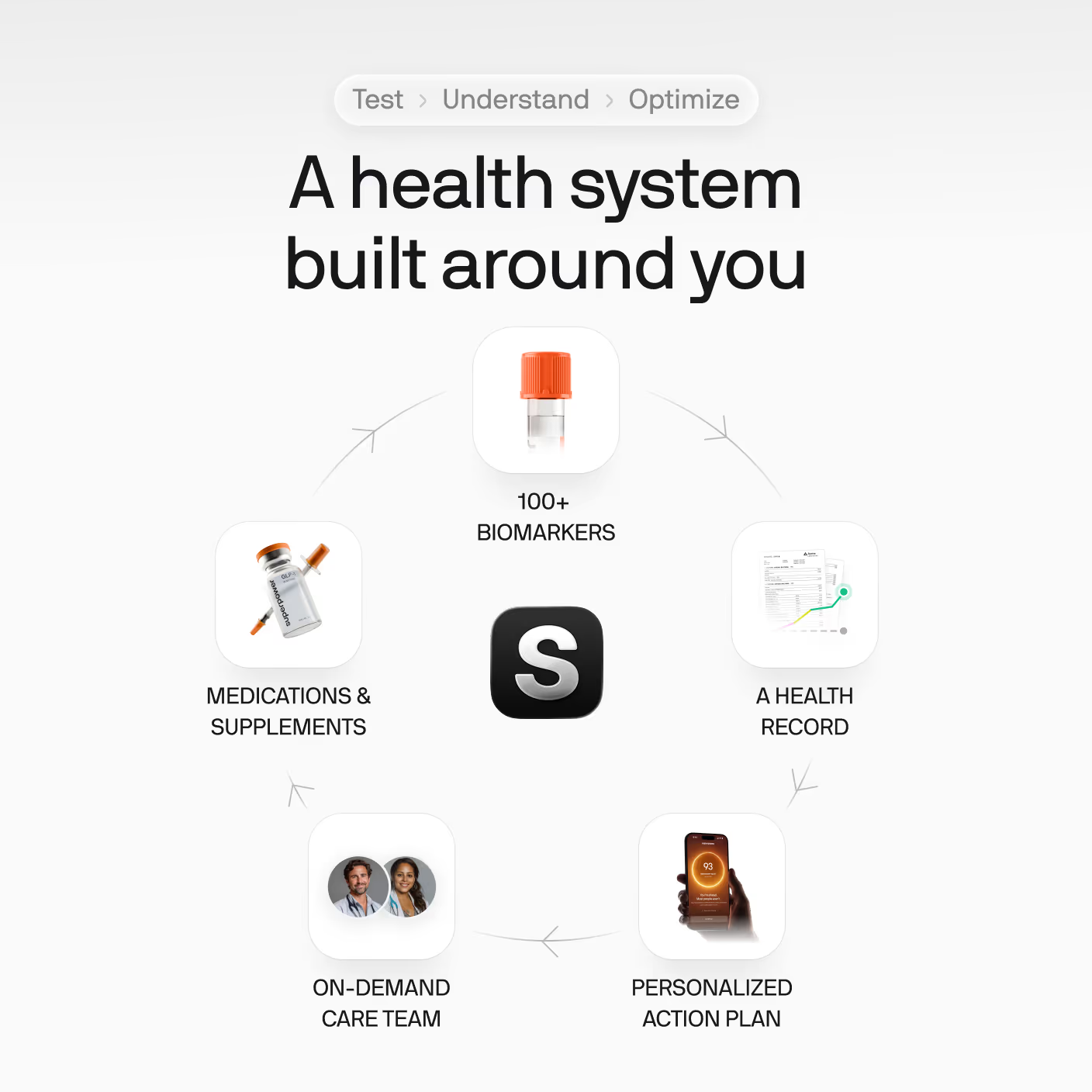
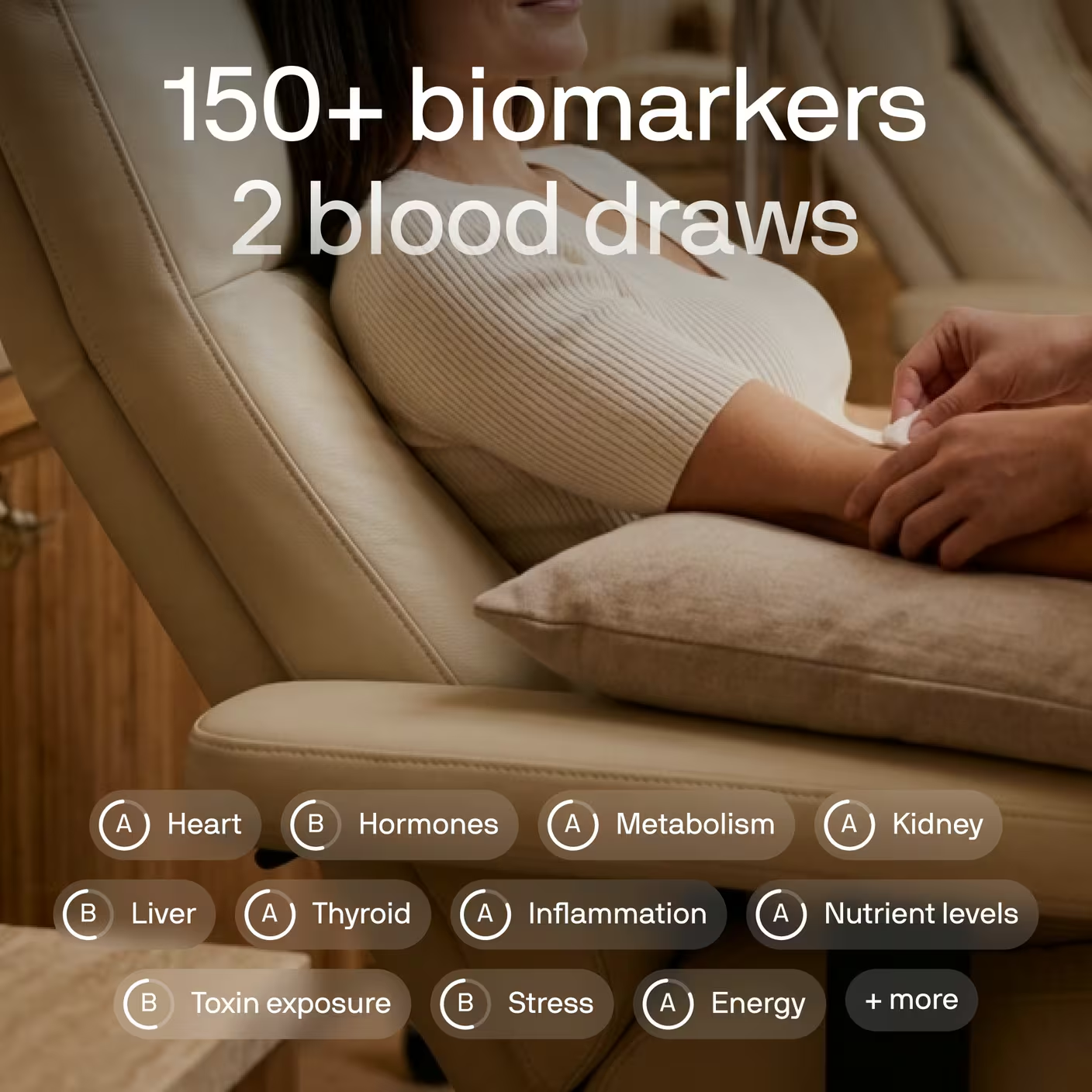
Most people supplementing CoQ10 are doing so without knowing whether their muscle pain is actually related to CoQ10 depletion or whether their statin therapy is optimized in the first place. Superpower's 100+ biomarker panel includes the lipid markers that determine whether your statin dose is appropriate, the inflammatory markers that reveal whether systemic inflammation is contributing to muscle symptoms, and the metabolic markers that show whether insulin resistance or other metabolic dysfunction is at play. CoQ10 is a useful tool, but it works best when you know what you're actually treating.
Frequently Asked Questions
References
- Liang Y, Zhao D, Ji Q, Liu M, Dai S, Hou S, Liu Z, Mao Y, Tian Z, Yang Y (2022). Effects of coenzyme Q10 supplementation on glycemic control: A GRADE-assessed systematic review and dose-response meta-analysis of randomized controlled trials. *EClinicalMedicine*, *52*, 101602. https://doi.org/10.1016/j.eclinm.2022.101602
- Qu H, Guo M, Chai H, Wang WT, Gao ZY, Shi DZ (2018). Effects of Coenzyme Q10 on Statin-Induced Myopathy: An Updated Meta-Analysis of Randomized Controlled Trials. *Journal of the American Heart Association*, *7*(19), e009835. https://doi.org/10.1161/JAHA.118.009835
- Kovacic S, Habicht SD, Eckert GP (2025). Effects of coenzyme Q10 supplementation on myopathy in statin-treated patients: a systematic review and meta-analysis. *Journal of nutritional science*, *14*, e72. https://doi.org/10.1017/jns.2025.10043
- Liu Z, Tian Z, Zhao D, Liang Y, Dai S, Liu M, Hou S, Dong X, Zhaxinima, Yang Y (2022). Effects of Coenzyme Q10 Supplementation on Lipid Profiles in Adults: A Meta-analysis of Randomized Controlled Trials. *The Journal of clinical endocrinology and metabolism*, *108*(1), 232-249. https://doi.org/10.1210/clinem/dgac585
- Banach M, Serban C, Ursoniu S, Rysz J, Muntner P, Toth PP, Jones SR, Rizzo M, Glasser SP, Watts GF, Blumenthal RS, Lip GYH, Mikhailidis DP, Sahebkar A (2015). Statin therapy and plasma coenzyme Q10 concentrations--A systematic review and meta-analysis of placebo-controlled trials. *Pharmacological Research*, *99*, 329-336. https://doi.org/10.1016/j.phrs.2015.07.008






















 Heart & Vascular Health
 Metabolic Health
 Energy
 Liver Health
 Kidney
 Sex Hormones
 Thyroid Health
 Nutrients
 Immune System
 Inflammation