


Understand what your keto low carb results really mean
See your biomarkers in context with a comprehensive panel.
- CLIA-certified labs
- HIPAA compliant
- Personalized health protocol
You've committed to cutting carbs for metabolic reasons, but you also need to avoid gluten for your gut. Now you're staring at a nutrition label wondering if you can actually eat anything at all. The good news: combining keto and gluten-free isn't just possible, it's surprisingly straightforward once you understand what each diet actually does in your body and where they naturally overlap.
What each diet does in your body
A ketogenic diet forces a metabolic shift by dropping carbohydrate intake below roughly 20 to 50 grams of net carbs per day. Your liver begins converting fatty acids into ketone bodies that replace glucose as your primary fuel source, a state called nutritional ketosis. Your pancreas secretes less insulin, stored body fat becomes more accessible for energy, and blood glucose levels stabilize throughout the day.
A gluten-free diet eliminates a specific protein found in wheat, barley, and rye. For people with celiac disease, gluten triggers an autoimmune reaction that damages the small intestine. For those with non-celiac gluten sensitivity, exposure causes inflammation, digestive distress, and systemic symptoms without the autoimmune component. Removing gluten allows the gut lining to recover, reduces inflammatory markers like hs-CRP, and resolves symptoms ranging from bloating to brain fog.
The two diets operate through different mechanisms but share significant common ground. Both eliminate bread, pasta, crackers, and most baked goods while prioritizing whole foods over processed items.
How combining both affects metabolism and inflammation
Metabolic effects of ketosis
Within three to five days of carbohydrate restriction, glycogen stores deplete and ketone production ramps up. Beta-hydroxybutyrate, the primary ketone body, crosses the blood-brain barrier and fuels neurons directly. Insulin levels drop, which signals fat cells to release stored triglycerides. The liver breaks these down into fatty acids and converts them to ketones. This metabolic state improves insulin sensitivity, stabilizes blood sugar, and can reduce triglycerides significantly.
Inflammatory reduction from gluten elimination
Removing gluten reduces intestinal permeability in people with gluten-related disorders. The gut lining repairs itself, tight junctions between intestinal cells strengthen, and systemic inflammation decreases. Studies show that a gluten-free diet lowers antibody levels in celiac disease and reduces markers of oxidative stress. For those with non-celiac sensitivity, eliminating gluten often resolves joint pain, skin issues, and neurological symptoms tied to chronic low-grade inflammation.
Hormonal shifts
Lower insulin allows glucagon to rise, promoting fat breakdown. Ghrelin, the hunger hormone, often decreases on keto, which explains reduced appetite. Leptin sensitivity may improve, helping your brain recognize satiety signals more accurately. Meanwhile, gluten elimination can normalize thyroid antibodies in people with Hashimoto's thyroiditis and may improve testosterone levels in men with gluten sensitivity.
What drives success on a combined approach
The overlap between keto and gluten-free makes this combination easier than it appears. Meat, poultry, fish, eggs, and most dairy are naturally gluten-free and form the protein foundation of keto. Non-starchy vegetables like spinach, broccoli, cauliflower, and zucchini fit both diets perfectly. Healthy fats including olive oil, avocado, coconut oil, and butter contain no gluten and supply the bulk of your calories on keto.
The challenge emerges with processed foods. Many keto-branded products use wheat protein isolate or malt extract as binders or flavorings. Soy sauce, teriyaki marinades, and pre-mixed spice blends often contain gluten. Even beef jerky and bacon can include gluten-containing additives.
Fiber intake requires attention since both diets eliminate grains that typically provide it. Compensate with chia seeds, flaxseed, psyllium husk, and plenty of leafy greens. Fiber supplements designed for low-carb diets can help maintain digestive health.
Electrolyte balance matters more when combining these approaches. Ketosis increases sodium excretion through the kidneys, while gluten-free diets can alter mineral absorption as the gut recovers. Supplementing with sodium, potassium, and magnesium prevents the fatigue, headaches, and muscle cramps commonly called "keto flu."
Why keto gluten-free results differ by person
Metabolic flexibility and adaptation time
Some people enter ketosis within 48 hours of carb restriction while others take a week or more. Metabolic flexibility, your body's ability to switch between fuel sources, depends on insulin sensitivity, muscle mass, activity level, and prior diet history. Someone coming from a standard American diet high in processed carbs will adapt more slowly than someone who already ate relatively low-carb. Full keto-adaptation, where your muscles preferentially burn fat and spare ketones for your brain, can take four to six weeks.
Degree of gluten sensitivity
Celiac disease requires absolute gluten avoidance, as even trace amounts trigger intestinal damage. Non-celiac gluten sensitivity exists on a spectrum. Some people react to cross-contamination from shared cooking surfaces while others tolerate small exposures without symptoms. Your threshold determines how strict you need to be with label reading and restaurant meals.
Gut microbiome composition
Your gut bacteria influence how you respond to both dietary changes. A microbiome analysis can reveal whether you have adequate populations of butyrate-producing bacteria, which support gut lining health on a gluten-free diet. It also shows if you have species that thrive on ketones versus those that prefer glucose, affecting everything from adaptation speed to how well your gut recovers after removing gluten.
Thyroid function and autoimmunity
People with Hashimoto's thyroiditis often have gluten sensitivity, and removing gluten can lower thyroid antibodies and reduce inflammation. However, very low-carb diets can decrease conversion of T4 to active T3 in some individuals. Monitoring TSH, free T3, and thyroid antibodies helps you understand whether the combined approach supports or challenges your thyroid function.
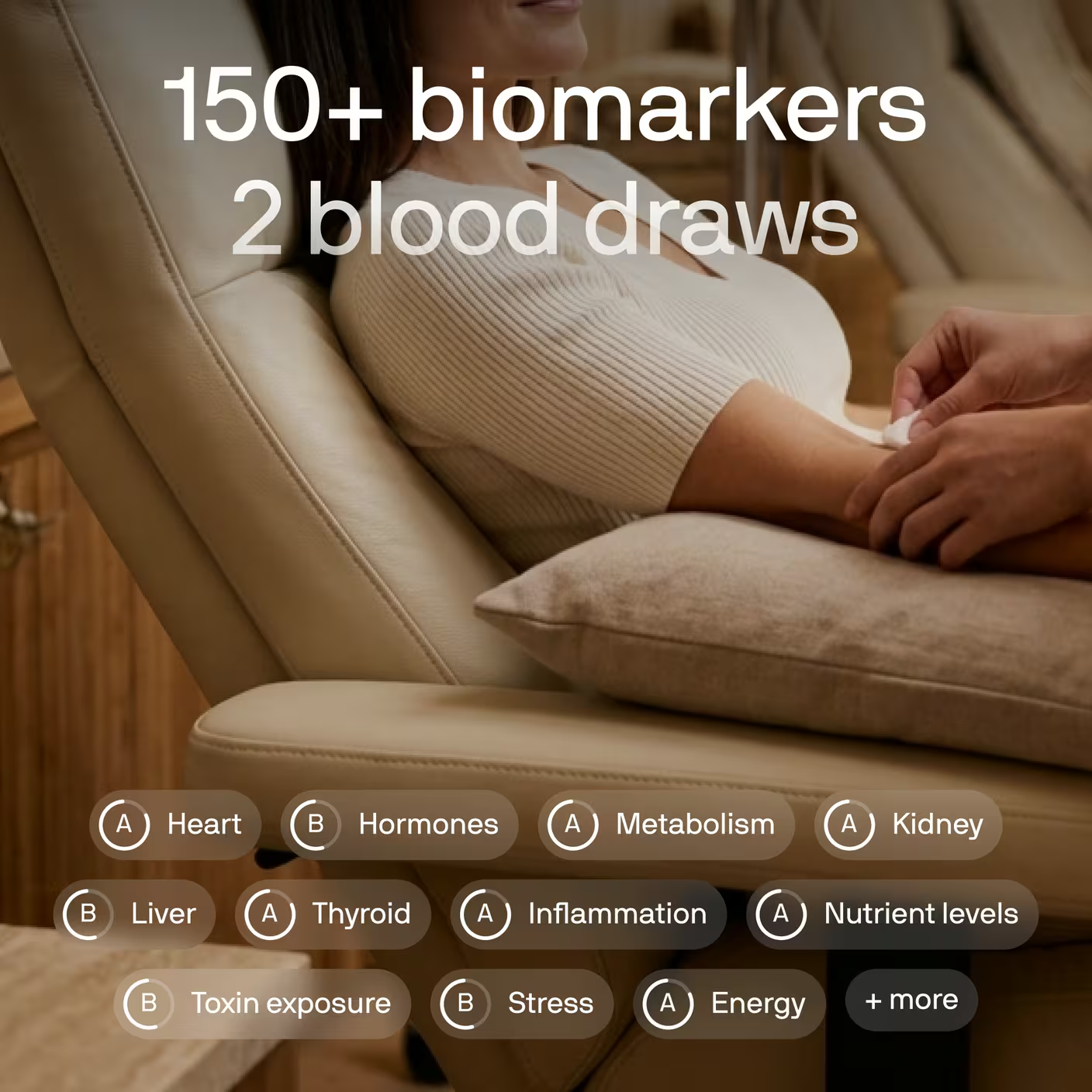
Test 150+ biomarkers
Two blood draws. A full picture of your health, explained in plain language.
Test 150+ biomarkers
Two blood draws. A full picture of your health, explained in plain language.
Turning knowledge into a sustainable strategy
Start by building meals around naturally compliant foods. A typical day might include eggs cooked in butter for breakfast, a salad with grilled chicken and olive oil for lunch, and salmon with roasted Brussels sprouts for dinner. Snacks can be nuts, cheese, or vegetables with guacamole. This foundation requires no special products and eliminates most opportunities for hidden gluten.
Track your macros and symptoms using an app to log fat, protein, and net carbs. Aim for roughly 70-75% of calories from fat, 20-25% from protein, and under 25 grams of net carbs. Simultaneously track digestive symptoms, energy levels, and any signs of gluten exposure to identify problem foods or optimal macro ratios for your body.
Test relevant biomarkers regularly. Hemoglobin A1c shows your average blood sugar control over three months. Fasting insulin reveals insulin sensitivity. A lipid panel with particle size demonstrates how keto affects your cardiovascular markers. For gluten-related concerns, tissue transglutaminase antibodies confirm whether you're maintaining strict avoidance if you have celiac disease.
Consider a gluten free mediterranean diet framework within your keto structure. Mediterranean eating emphasizes olive oil, fish, vegetables, and nuts, all of which fit both requirements while providing anti-inflammatory omega-3 fatty acids, polyphenols from olive oil, and a diverse array of micronutrients that support long-term health.
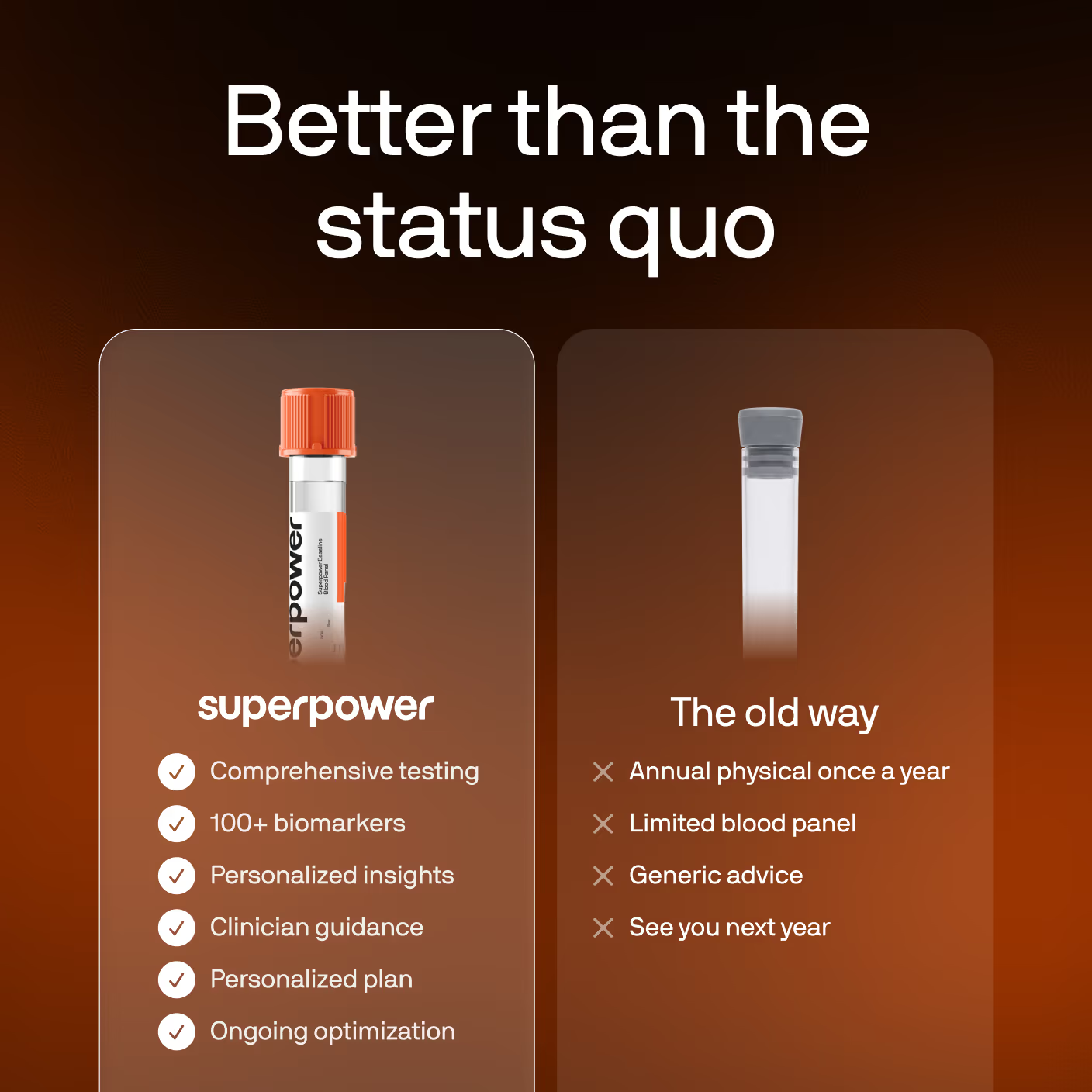
Managing both a ketogenic and gluten-free diet simultaneously gives you precise control over two major dietary variables that affect metabolism and inflammation. Superpower's 150+ biomarker panel tracks how your body responds to this combined approach, measuring everything from ketone levels and insulin sensitivity to inflammatory markers and nutrient status, so you can adjust based on data rather than guesswork.
Frequently Asked Questions
References
- Duerksen DR, Wilhelm-Boyles C, Parry DM (2005). Intestinal permeability in long-term follow-up of patients with celiac disease on a gluten-free diet. *Digestive diseases and sciences*, *50*(4), 785-90. https://doi.org/10.1007/s10620-005-2574-0
- Jauregi-Miguel A (2021). The tight junction and the epithelial barrier in coeliac disease. *International review of cell and molecular biology*, *358*, 105-132. https://doi.org/10.1016/bs.ircmb.2020.09.010
- Rowicka G, Czaja-Bulsa G, Chełchowska M, Riahi A, Strucińska M, Weker H, Ambroszkiewicz J (2018). Oxidative and Antioxidative Status of Children with Celiac Disease Treated with a Gluten Free-Diet. *Oxidative medicine and cellular longevity*, *2018*, 1324820. https://doi.org/10.1155/2018/1324820
- Krysiak R, Szkróbka W, Okopień B (2019). The effect of gluten-free diet on thyroid autoimmunity in drug-naïve women with Hashimoto's thyroiditis: a pilot study. *Experimental and clinical endocrinology & diabetes*, *127*(7), 417-422. https://doi.org/10.1055/a-0653-7108
- Li M, Yuan J (2022). Effects of very low-carbohydrate ketogenic diet on lipid metabolism in patients with type II diabetes mellitus: a meta-analysis. *Nutricion hospitalaria*, *39*(4), 916-923. https://doi.org/10.20960/nh.03987


























 Heart & Vascular Health
 Metabolic Health
 Energy
 Liver Health
 Kidney
 Sex Hormones
 Thyroid Health
 Nutrients
 Immune System
 Inflammation