

Find out where your blood sugar stands
Glucose, HbA1c, and insulin measured together, before symptoms ever show.
- CLIA-certified labs
- HIPAA compliant
- Personalized health protocol
The 10 most common diabetes symptoms
Diabetes symptoms, in every type, appear when glucose cannot move from the blood into cells, so blood sugar stays high.
- Frequent urination: including at night
- Increased thirst: feeling very thirsty
- Extreme hunger: even after eating
- Unexplained weight loss: losing weight without trying
- Fatigue: feeling very tired
- Blurry vision: sight going out of focus
- Slow-healing sores: cuts that do not heal
- Frequent infections: urinary tract, skin, or yeast infections
- Tingling or numbness: in the hands or feet
- Mood changes: feeling irritable or moody
Each of these 10 diabetes symptoms follows directly from high blood sugar.
How high blood sugar produces diabetes symptoms
Once blood sugar climbs above 160 to 180 mg/dL, glucose spills into the urine. The kidneys pull water out with it, bringing frequent urination, dehydration, and thirst.
Without enough insulin, cells run short of energy, so fatigue follows. Calories lost in the urine bring weight loss and hunger.
Glucose swings change how the eye focuses, and blurred vision is sometimes the first sign of diabetes. People with diabetes also have higher rates of every infection type studied. Nerve damage brings numbness, tingling, and poor balance. How fast these changes build depends on the type of diabetes.
Type 1 vs. type 2 diabetes symptoms
Type 1 and type 2 diabetes cause the same symptoms, but at very different speeds. Type 1 symptoms usually develop quickly, over a few days or weeks, while type 2 symptoms can build over several years.
| Feature | Type 1 diabetes | Type 2 diabetes |
|---|---|---|
| Typical age at diagnosis | Often children and young adults, but any age; under 35 years old points toward type 1 | Prevalence rises with age |
| Early stages | No symptoms at first, then sudden and sometimes severe | Often none, or mild ones that go unnoticed |
| Unexplained weight loss | Common, and a feature pointing to type 1 | Can occur |
| Diabetic ketoacidosis (DKA) | Usually affects type 1 | Can occur, less often |
| How it often comes to light | Sudden symptoms severe enough to prompt care | Sometimes through symptoms of a complication |
In some adults, type 1 develops slowly and resembles type 2. Adults with type 1 also may not show the classic symptoms seen in children. One complication, most often seen in type 1, makes diabetes symptoms a medical emergency.
When diabetes symptoms need emergency care
Diabetic ketoacidosis (DKA) is a complication of high blood sugar and a medical emergency. DKA can develop within hours to a few days, usually in type 1 diabetes but sometimes in type 2. The warning signs of DKA include:
- Nausea or vomiting
- Stomach pain
- Fruity-smelling breath
- Deep, fast, or difficult breathing
- Extreme tiredness or confusion
- Fainting
Anyone who develops these signs should call 911 or go to an emergency room. DKA needs medical care right away. Far more often, high blood sugar builds with no symptoms at all.
Why many people with diabetes have no symptoms
Type 2 diabetes can develop over several years with no symptoms, or symptoms too mild to notice. Feeling fine does not rule diabetes out.
Among US adults with diabetes, 27.6% are undiagnosed, about 11 million people.
Classic symptoms, when they appear, tend to come late. In people newly diagnosed with type 2 by their family doctors, symptoms had usually lasted less than 3 months. Beyond the classic 10, high blood sugar can also cause quieter, less familiar signs.
The less common signs of diabetes
Several less common signs can point to high blood sugar or insulin resistance.
- Dark, velvety skin patches: acanthosis nigricans, a sign of insulin resistance, often on the neck
- Genital itching: linked to higher blood glucose, as is balanitis (an inflamed head of the penis) in men
- Mouth sores or inflammation: known as stomatitis
- Sexual problems: a possible sign of a type 2 complication
- New bed-wetting: in a child who was dry at night, a possible type 1 sign
The pattern of signs also shifts for women, older adults, and pregnant people.
Diabetes symptoms in women, older adults, and pregnancy
The core diabetes symptoms are the same for everyone, though some groups have extra signs to watch for. In others, diabetes usually shows up only on a blood test.
| Group | What to watch for | What the evidence shows |
|---|---|---|
| Women | Vaginal yeast and urinary tract infections | A vaginal yeast infection is linked with later type 2 diabetes, most strongly in women 55 and older |
| Older adults | The same core symptoms | Prediabetes affects 52.1% of US adults 65 or older, and diabetes prevalence rises with age |
| Pregnancy | Usually none; if any, mild thirst or urinating more | Gestational diabetes is found by screening between 24 and 28 weeks |
The yeast-infection finding is an association and does not prove that yeast infections cause diabetes. Screening for gestational diabetes is recommended at 24 weeks of pregnancy or after. In pregnancy, as in type 2, a blood test usually finds diabetes before any symptom does.
Get 100+ biomarkers tested
One blood draw a year. A full picture of your health, explained in plain language.
Get 100+ biomarkers tested
One blood draw a year. A full picture of your health, explained in plain language.
The blood tests that confirm diabetes
Only a blood test confirms diabetes, using hemoglobin A1c (HbA1c, average blood sugar over 2 to 3 months), fasting plasma glucose, or an oral glucose tolerance test.
Diabetes is confirmed by an HbA1c of 6.5% or higher, a fasting glucose of 126 mg/dL or higher, or a two-hour tolerance-test glucose of 200 mg/dL or higher. A random glucose of 200 mg/dL or higher also counts in someone with classic symptoms.
Without classic symptoms, a single high result needs repeat testing to confirm. Prediabetes is an HbA1c of 5.7% to 6.4% or a fasting glucose of 100 to 125 mg/dL. When to start testing depends on age and risk factors.
Diabetes risk factors that make testing worthwhile
Diabetes testing is recommended for everyone from 35 years old, then at least every 3 years after a normal result. A separate recommendation calls for screening adults aged 35 to 70 with overweight or obesity and no symptoms. Adults with overweight or obesity plus one or more risk factors start earlier. Those risk factors include:
- A parent or sibling with diabetes
- High blood pressure or heart disease
- Low HDL cholesterol or high triglycerides
- Physical inactivity
- Past gestational diabetes
- Prediabetes
- Polyendocrine metabolic ovarian syndrome (PMOS, formerly polycystic ovary syndrome), tied to roughly triple the odds of type 2 diabetes
Any of these makes an early blood sugar test worthwhile.
Know your blood sugar markers with Superpower
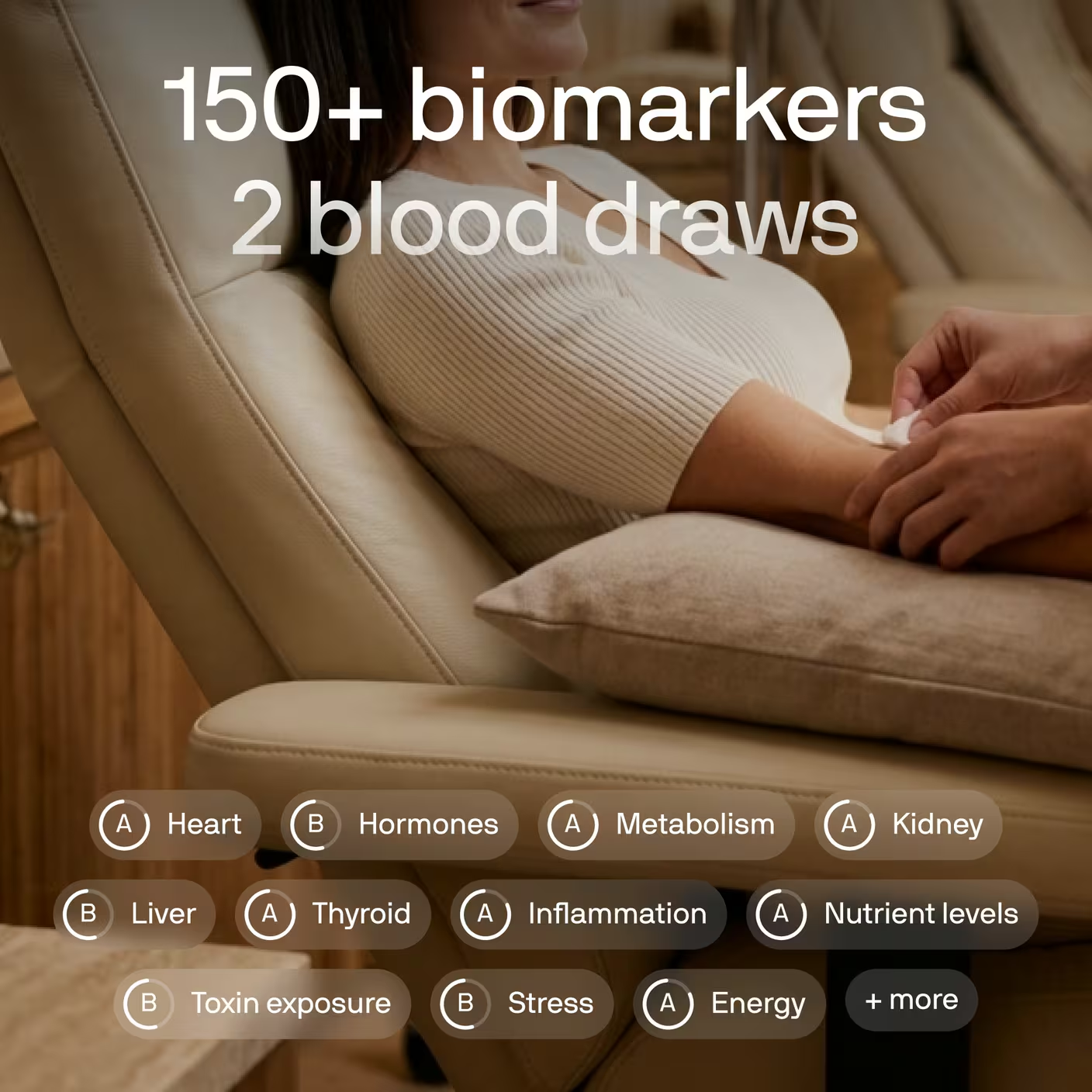
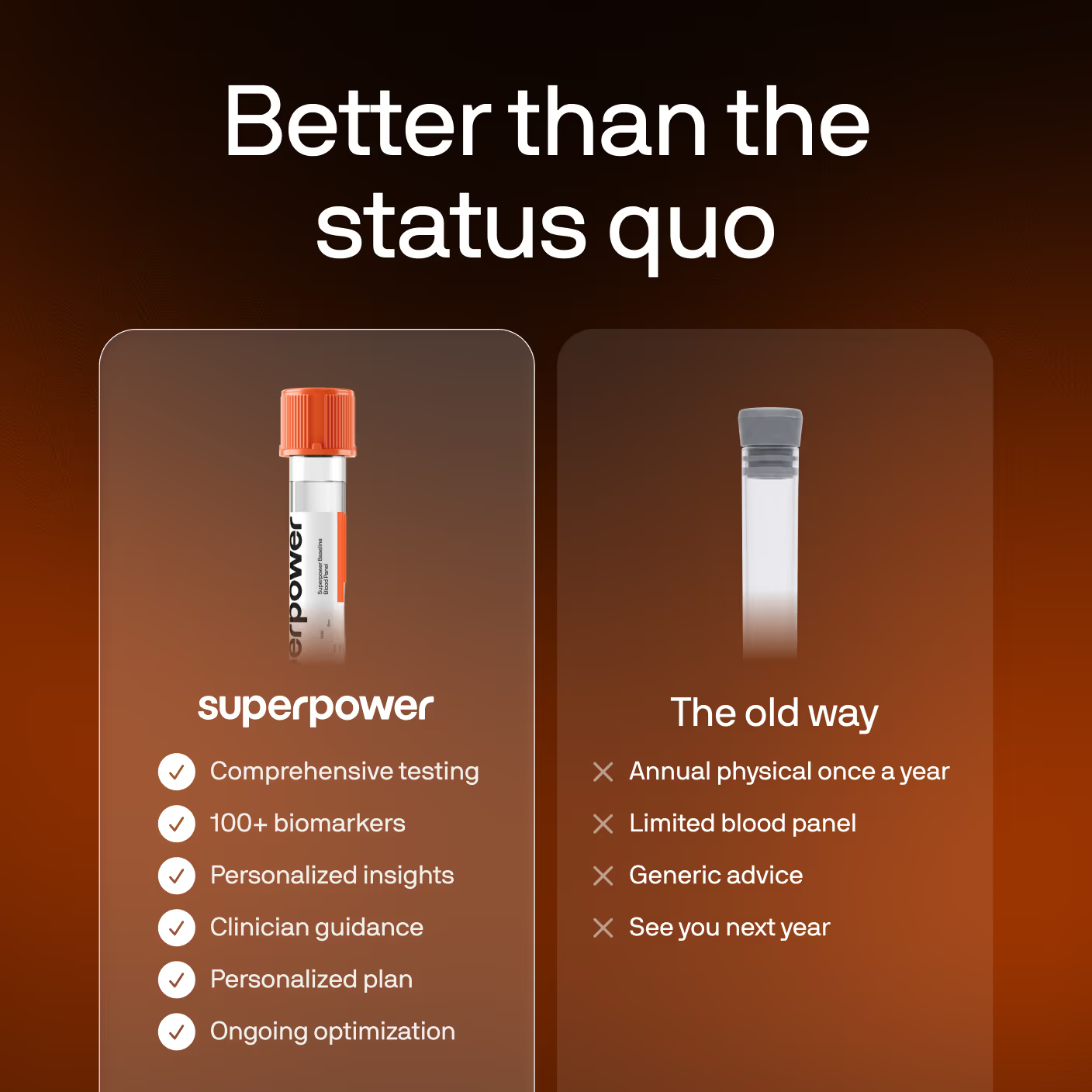
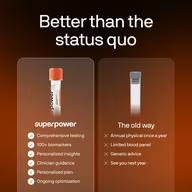
Diabetes symptoms often show up late, if they show up at all. A Superpower membership includes 100+ biomarkers in a single draw. Glucose, hemoglobin A1c, and insulin are measured together, so you can see where your blood sugar stands today. Superpower pairs your results with a personalized action plan for improving them.
Start your Superpower membership and turn a single set of results into ongoing, on-demand support.
Frequently Asked Questions
References
- National Institute of Diabetes and Digestive and Kidney Diseases. Symptoms & causes of diabetes. Accessed September 26, 2026.
- Pop-Busui R, Boulton AJ, Feldman EL, et al. Diabetic neuropathy: a position statement by the American Diabetes Association. *Diabetes Care*. 2017;40(1):136-154. doi:10.2337/dc16-2042
- Centers for Disease Control and Prevention. Symptoms of diabetes. Reviewed May 15, 2024. Accessed September 26, 2026.
- Brutsaert EF. Type 1 diabetes mellitus (DM). *Merck Manual Consumer Version*. Last updated July 2026. Accessed September 26, 2026.
- Kaštelan S, Gverović-Antunica A, Pelčić G, Gotovac M, Marković I, Kasun B. Refractive changes associated with diabetes mellitus. *Semin Ophthalmol*. 2018;33(7-8):838-845. doi:10.1080/08820538.2018.1519582
- Carey IM, Critchley JA, DeWilde S, Harris T, Hosking FJ, Cook DG. Risk of infection in type 1 and type 2 diabetes compared with the general population: a matched cohort study. *Diabetes Care*. 2018;41(3):513-521. doi:10.2337/dc17-2131
- American Diabetes Association Professional Practice Committee for Diabetes. 2. Diagnosis and classification of diabetes: Standards of Care in Diabetes—2026. *Diabetes Care*. 2026;49(suppl 1):S27-S49. doi:10.2337/dc26-S002
- Gwira JA, Fryar CD, Gu Q. Prevalence of total, diagnosed, and undiagnosed diabetes in adults: United States, August 2021-August 2023. *NCHS Data Brief*. 2024;(516). doi:10.15620/cdc/165794
- Umpierrez GE, Davis GM, ElSayed NA, et al. Hyperglycemic crises in adults with diabetes: a consensus report. *Diabetes Care*. 2024;47(8):1257-1275. doi:10.2337/dci24-0032
- Centers for Disease Control and Prevention. National Diabetes Statistics Report. Updated September 16, 2026. Accessed September 26, 2026.
- Drivsholm T, de Fine Olivarius N, Nielsen AB, Siersma V. Symptoms, signs and complications in newly diagnosed type 2 diabetic patients, and their relationship to glycaemia, blood pressure and weight. *Diabetologia*. 2005;48(2):210-214. doi:10.1007/s00125-004-1625-y
- Radu AM, Carsote M, Dumitrascu MC, Sandru F. Acanthosis nigricans: pointer of endocrine entities. *Diagnostics (Basel)*. 2022;12(10):2519. doi:10.3390/diagnostics12102519
- Brieditis E, Li X, Sundquist K, Jansåker F. Vulvovaginal candidiasis and type 2 diabetes: a nationwide retrospective cohort study. *Diabetes Obes Metab*. 2024;26(9):4043-4051. doi:10.1111/dom.15757
- US Preventive Services Task Force, Davidson KW, Barry MJ, et al. Screening for gestational diabetes: US Preventive Services Task Force recommendation statement. *JAMA*. 2021;326(6):531-538. doi:10.1001/jama.2021.11922
- US Preventive Services Task Force, Davidson KW, Barry MJ, et al. Screening for prediabetes and type 2 diabetes: US Preventive Services Task Force recommendation statement. *JAMA*. 2021;326(8):736-743. doi:10.1001/jama.2021.12531
- Kakoly NS, Khomami MB, Joham AE, et al. Ethnicity, obesity and the prevalence of impaired glucose tolerance and type 2 diabetes in PCOS: a systematic review and meta-regression. *Hum Reprod Update*. 2018;24(4):455-467. doi:10.1093/humupd/dmy007



















 Heart & Vascular Health
 Metabolic Health
 Energy
 Liver Health
 Kidney
 Sex Hormones
 Thyroid Health
 Nutrients
 Immune System
 Inflammation