Excellent 4.6 out of 5
Infectious Diseases

Sepsis Biomarker Testing

Sepsis is a life‑threatening immune overreaction to infection. Biomarkers reveal the body’s inflammatory and immune balance in real time, guiding urgency and risk. At Superpower, we measure white blood cells (WBC), neutrophils, C‑reactive protein (CRP), neutrophil‑to‑lymphocyte ratio (NLR), and the systemic immune‑inflammation index (SII) for sepsis.

With Superpower, you have access to a comprehensive range of biomarker tests.

Test for Sepsis
Cancel anytime
HSA/FSA eligible
Results in a week
Physician reviewed

Every result is checked

·
CLIA-certified labs

Federal standard for testing

·
HIPAA compliant

Your data is 100% secure

Key Benefits

  • Spot life-threatening infection early by assessing whole-body inflammatory response patterns.
  • Flag high-risk sepsis with elevated CRP, neutrophils, WBC, NLR, and SII.
  • Clarify severity by spotting low white cells, low lymphocytes, or immature neutrophils.
  • Guide urgent antibiotics and fluids using these scores and rising inflammatory trends.
  • Track treatment response as CRP and NLR fall over 24–72 hours.
  • Explain persistent symptoms by confirming inflammation when cultures or imaging are inconclusive.
  • Anticipate complication risk with SII and NLR to gauge ICU-level needs.
  • Best interpreted with vital signs, blood cultures, lactate, and your clinical picture.

What are Sepsis Biomarkers?

Sepsis biomarkers are measurable signals in blood that reflect the body’s emergency response to a dangerous infection. They arise from activated immune cells, the liver, blood vessel lining, and stressed organs, and they capture three core processes: sensing microbes, escalating inflammation, and strain on circulation and tissues. Key examples include acute‑phase proteins like C‑reactive protein (CRP), infection‑linked hormones like procalcitonin (PCT), inflammatory messengers such as interleukin‑6 and tumor necrosis factor (IL‑6, TNF‑α), fragments from immune receptors like presepsin (sCD14‑ST), and markers of poor oxygen delivery like lactate. Testing these markers helps clinicians recognize sepsis early, distinguish it from noninfectious inflammation, estimate the risk of organ dysfunction, and track whether the body is improving or worsening over time. In short, sepsis biomarkers translate a complex, whole‑body alarm into objective signals, enabling faster decisions about infection control, antimicrobial therapy, and support for threatened organs.

Why are Sepsis biomarkers important?

Sepsis biomarkers are blood signals that show how the immune, vascular, and clotting systems are reacting to infection. They convert a whole‑body stress response into measurable patterns—revealing when defenses are overdriving inflammation, when they are failing, and how close organs are to injury.

Typical baselines: WBC about 4–11; neutrophils 40–70% (or 1.5–7); CRP is very low in health; NLR roughly 1–3; SII has no universal reference, but lower‑to‑mid values reflect balanced immunity. In evolving sepsis, WBC, neutrophils, CRP, NLR, and SII often climb as neutrophils surge and lymphocytes fall; very high values track greater inflammatory burden and risk of shock, clotting, and organ injury.

When these markers are unexpectedly low, they often signal immune exhaustion or marrow suppression. Leukopenia or neutropenia can blunt fever and redness, so sepsis may show up instead as confusion, fast breathing, or low blood pressure. A low CRP despite infection may reflect very early measurement or liver dysfunction. Low NLR or SII can indicate recovery, profound immunosuppression, or effects of steroids or chemotherapy. Older adults may mount only small WBC or CRP changes; children normally have higher WBC and neutrophils; pregnancy raises baseline WBC and CRP, so “normal‑appearing” lows in these groups can be worrisome.

Big picture: These biomarkers integrate signals from immunity, liver protein synthesis, bone marrow output, and the vascular–coagulation axis. Their trajectories, more than single values, map the path from localized infection to organ failure and correlate with long‑term risks like cardiovascular events, kidney injury, and mortality.

What Insights Will I Get?

Sepsis is a dysregulated response to infection that derails energy use, microcirculation, and organ signaling. Biomarkers reveal how innate and adaptive immunity and coagulation are behaving—signals tied to cardiovascular stability, cognition, and recovery. At Superpower, we test WBC, Neutrophils, CRP, the neutrophil‑to‑lymphocyte ratio (NLR), and the systemic immune‑inflammation index (SII).

WBC is the total white cell count; in sepsis it is often high but can be low in severe disease. Neutrophils are first‑responder granulocytes; neutrophilia and immature forms suggest bacterial drive, whereas neutropenia can reflect consumption. CRP is a liver‑derived acute‑phase protein that rises with cytokine signaling and tracks inflammatory burden but is not pathogen‑specific. NLR captures neutrophilia with lymphopenia, a common sepsis pattern. SII combines neutrophils, lymphocytes, and platelets to reflect inflammation and thrombo‑inflammatory activation.

When these markers sit within reference ranges and change appropriately over time, they suggest immune balance, pathogen control, and intact hemostasis. Rising WBC, neutrophils, CRP, NLR, and SII indicate escalating systemic inflammation and stress, correlating with higher risk of hypoperfusion and organ dysfunction. Low WBC or lymphocytes with high CRP or NLR suggests immunoparalysis amid inflammation. Falling platelets with inflammatory markers points to coagulopathy and microvascular dysfunction, features of advanced sepsis biology.

Notes: Interpretation depends on timing and context. Pregnancy, age extremes, recent surgery, trauma, strenuous exercise can raise WBC, neutrophils, and CRP. Glucocorticoids increase neutrophils and lower lymphocytes, raising NLR and SII. Cytotoxic therapy and many viral infections lower counts. Assays and timing vary.


Superpower also tests for

See more diseases

Frequently Asked Questions About Sepsis

What is Sepsis biomarker testing?

Sepsis testing evaluates immune and inflammatory activity when a serious infection is suspected. Superpower measures five complementary markers: WBC (white blood cell count) and Neutrophils reflect innate immune activation; CRP (C‑reactive protein) signals acute‑phase inflammation; NLR (neutrophil‑to‑lymphocyte ratio) shows the balance between frontline responders and adaptive immunity; SII (systemic immune‑inflammation index = platelets × neutrophils ÷ lymphocytes) integrates cellular and thrombo‑inflammatory tone. Together, these markers indicate how aggressively your body is responding, how balanced that response is, and how the risk may be evolving. They support—but do not replace—clinical assessment for sepsis (life‑threatening organ dysfunction from a dysregulated response to infection).

Why should I get Sepsis biomarker testing?

Because numbers capture biology you can’t feel. In suspected infection, these biomarkers quantify immune activation, systemic inflammation, and pro‑thrombotic shift—all central to sepsis biology. Patterns matter: neutrophilia with high CRP and elevated NLR/SII increases the likelihood of bacterial sepsis; normal or falling values lower the probability and suggest recovery. Tracking them helps stage severity, gauge trajectory, and monitor response. They also help differentiate infectious from non‑infectious inflammation, although overlap exists. Use them to add objective signal to symptoms and vitals; they are aids to risk assessment, not stand‑alone diagnoses.

How often should I test?

These are not screening labs. Test when a significant infection is suspected, then trend over time. In acute illness, values can shift within hours; repeating during the same episode is more informative than any single result. Serial measurements show directionality: rising WBC/neutrophils, CRP, NLR, or SII suggest escalating systemic inflammation; stable or falling trends suggest resolution. Outside acute illness, routine testing isn’t useful; timing should follow clinical events (new fever, worsening symptoms, or during recovery) so results map to what the body is experiencing.

Treat the SIRSbiomarker as a trend, not a one-off. It reflects your body’s global inflammatory tone (systemic inflammatory response) and naturally shifts with infection, injury, or recovery. A steady cadence helps separate true changes in immune-system set point from short, noisy spikes. At Superpower, we run a blood draw every 6 months to capture meaningful movement without over-testing. If you recently had a fever, surgery, or acute illness, a single high result often shows transient SIRS, not your baseline—your pattern over time is what matters.

What can affect biomarker levels?

Many factors shift these markers independent of sepsis. Corticosteroids and physiologic stress raise neutrophils and NLR. Chemotherapy, advanced HIV, or bone‑marrow disorders can lower WBC and lymphocytes. Viral infections often increase lymphocytes, reducing NLR. Autoimmune flares, trauma, surgery, burns, myocardial infarction, and cancer can elevate CRP. Pregnancy and the postpartum period raise WBC; obesity raises baseline CRP. Splenectomy and iron deficiency can increase platelets, inflating SII. Dehydration concentrates counts; intense exercise transiently raises WBC and CRP. Always interpret in context of medications, comorbidities, and recent events.

Are there any preparations needed before Sepsis biomarker testing?

No special prep. Stay hydrated, avoid strenuous exercise for 24 hours, and try to use a consistent time of day if you are trending results. Do not change or withhold medications for this test. Make note of recent vaccines, surgery, trauma, pregnancy, or steroid/immunosuppressant use, as these can shift values. In acute illness, timing beats perfection—getting the sample during symptoms is more important than fasting or scheduling.

Can lifestyle changes affect my biomarker levels?

Yes, but mainly your baseline, not the acute sepsis signal. Smoking, obesity, chronic stress, poor sleep, and untreated gum disease raise low‑grade inflammation (higher CRP, higher NLR). Regular aerobic fitness and weight loss tend to lower baseline CRP and improve immune balance. Intense workouts temporarily raise WBC and CRP for up to a day. Hydration status slightly alters counts via hemoconcentration. During true sepsis, pathogen and host response dominate; lifestyle effects become relatively minor.

How do I interpret my results?

Look at the pattern and the trend. Higher WBC and neutrophils with high CRP and elevated NLR/SII indicate strong innate immune activation and systemic inflammation—findings that support bacterial infection and possible sepsis when symptoms and organ signs are present. Low WBC or lymphocyte‑predominant counts with high CRP can also be concerning in severe infection. Falling values over serial tests usually signal recovery; rising values warn of progression. Remember: these biomarkers quantify the response, not the cause. Sepsis is a clinical diagnosis of infection plus organ dysfunction; labs are one piece of that picture.

How it works

1

Test your whole body

Get a comprehensive blood draw at one of our 2,000+ partner labs or from the comfort of your own home.

2

An Actionable Plan

Easy to understand results & a clear action plan with tailored recommendations on diet, lifestyle changes, supplements and pharmaceuticals.

3

A Connected Ecosystem

You can book additional diagnostics, buy curated supplements for 20% off & pharmaceuticals within your Superpower dashboard.

Superpower tests more than 
100+ biomarkers & common symptoms

Developed by world-class medical professionals

Supported by the world’s top longevity clinicians and MDs.

Dr Anant Vinjamoori

Superpower Chief Longevity Officer, Harvard MD & MBA

A smiling woman wearing a white coat and stethoscope poses for a portrait.

Dr Leigh Erin Connealy

Clinician & Founder of The Centre for New Medicine

Man in a black medical scrub top smiling at the camera.

Dr Abe Malkin

Founder & Medical Director of Concierge MD

Dr Robert Lufkin

UCLA Medical Professor, NYT Bestselling Author

Your membership

Select your assessment level

Superpower provides the most advanced health check with a plan that works. Go far beyond your annual physical.

Panels designed by

world class clinicians

2,000+ lab locations

across the country

Baseline

$199/yr

100+ biomarker blood test

Performance

Recommended

$365/yr

115+ biomarker blood test

60 biomarker follow-up retest

Complete

$649/yr

115+ biomarker blood test

60 biomarker follow-up retest

Gut microbiome analysis

Organ age breakdown

Get started
Loading...
HSA/ FSA eligible · Secure checkout

Baseline

$199

per year

Covers your metabolic, hormonal and cardiovascular baseline. The best basis for a single snapshot of your overall health.

What's included

Test Breakdown

These are the panels offered in the tiers above

100+ biomarker blood test

Heart & Vascular Health

20 markers

ApoB, LDL-Cholesterol, Triglycerides

Sex Hormones

8 markers

Testosterone, Estradiol, DHEA-S, Cortisol

Metabolic Health

7 markers

Glucose, HbA1c

Thyroid Health

4 markers

TSH, T3 Uptake, Free T4, T4 Total

Liver Health

13 markers

ALT, AST, GGT, Bilirubin

Nutrients

12 markers

Vitamin D, Total Protein, Hemoglobin

Immune System

16 markers

White blood cells, Neutrophils, Lymphocytes

Energy

5 markers

Ferritin, Iron, Cortisol

Kidney Health

9 markers

Creatinine, eGFR, Potassium, Sodium

See full list →

+21 additional

Included with every assessment

17 health areas developed by world class clinicians

Personalized clinical protocol

On-demand messaging with your care team

20% off superpower marketplace

Member pricing on add-on tests, supplements & RX

Upload past labs & wearable data for tracking

Superpower AI — a world class system trained on you

Complete

$649

per year

Normally $703 (save 8%)

Adds gut microbiome analysis and organ age surfacing, what standard blood panels may miss across energy, digestion, and immunity.

What's included

Test Breakdown

These are the panels offered in the tiers above

115+ biomarker blood test

Heart & Vascular Health

20 markers

ApoB, LDL-Cholesterol, Triglycerides, Lipoprotein(a)

Sex Hormones

11 markers

Testosterone, Estradiol, DHEA-S, Cortisol, PSA, FSH, LH, AMH

Metabolic Health

7 markers

Glucose, HbA1c, Insulin

Thyroid Health

4 markers

TSH, T3 Uptake, Free T4, T4 Total

Liver Health

8 markers

ALT, AST, GGT, Bilirubin

Nutrients

12 markers

Vitamin D, Total Protein, Hemoglobin

Immune System

16 markers

White blood cells, Neutrophils, Lymphocytes

Energy

5 markers

Ferritin, Iron, Cortisol

Kidney Health

24 markers

Creatinine, eGFR, Potassium, Urinary pH, RBC Urine, Nitrites

DNA Health

3 markers

Homocysteine, B12, Folate

Inflammation

3 markers

hs-CRP, Systemic Immune-Inflammation Index

See full list →

+8 additional

60 biomarker follow-up retest

Retesting panel

100 markers

Complete second draw — 60 biomarkers retested for longitudinal tracking.
Most biomarkers can move significantly within 3–6 months if you're actively trying to fix them.

Gut microbiome analysis

$239

Gut microbiome

300+ data points

Profiles 300 bacterial strains in your gut to map your microbial balance.
Identifies dysbiosis that may be driving symptoms like bloating, irregular digestion, skin issues, and mood changes, with actionable guidance on diet and lifestyle shifts to help restore balance.

Organ age breakdown

$99

OrganAge is the most detailed biological age test available today. Rather than showing a single number, it reveals how old each of your body's nine key systems is

Organ age breakdown

10 key systems

Circulatory, digestive, genitourinary, infectious, mental, metabolic, musculoskeletal, nervous, respiratory and systemic ages based on cutting edge longevity research

Included with every assessment

17 health areas developed by world class clinicians

Personalized clinical protocol

On-demand messaging with your care team

20% off superpower marketplace

Member pricing on add-on tests, supplements & RX

Upload past labs & wearable data for tracking

Superpower AI — a world class system trained on you

Get started
Loading...
HSA/ FSA eligible · Secure checkout

Finally, healthcare that looks at the whole you

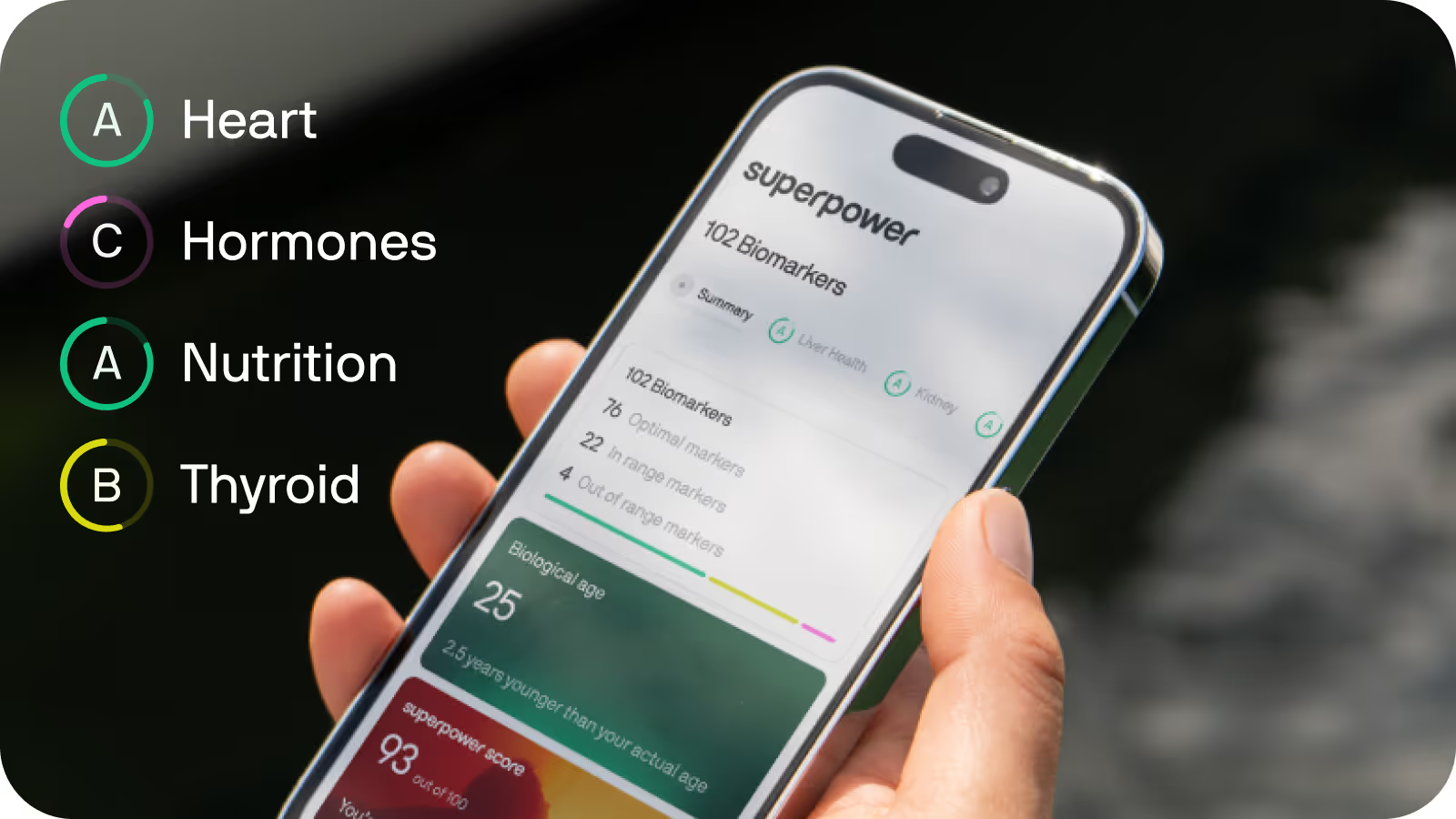
Superpower app on phone
Designed by world-class physicians

Get simple, free protocols for energy, heart health and more

Please enter a valid email address

Free protocols for

Improving energy with simple lifestyle changes

Reducing heart attack risk if you’re 30+

Slowing your pace of aging

Thanks for signing up!

Your health journey starts now. Watch your inbox for updates and smarter health insights – stay tuned.