
Excellent 4.6 out of 5
Metabolic and Nutritional Disorders

Malnutrition Biomarker Testing

Malnutrition strains every organ system, impairing immunity, energy production, and tissue repair. Biomarker testing reveals hidden deficits before symptoms escalate. At Superpower, we assess protein status and micronutrients with Albumin, Total Protein, Vitamin D (25‑OH), Folate, and Vitamin B12 to map nutritional reserves and systemic risk.

With Superpower, you have access to a comprehensive range of biomarker tests.

Test for Malnutrition
Cancel anytime
HSA/FSA eligible
Results in a week
Physician reviewed

Every result is checked

·
CLIA-certified labs

Federal standard for testing

·
HIPAA compliant

Your data is 100% secure

Key Benefits

  • Check overall nutritional status tied to malnutrition and its health risks.
  • Spot protein shortfalls with albumin and total protein that suggest undernutrition or illness.
  • Explain anemia, numbness, or memory issues by detecting B12 or folate deficiency.
  • Guide safe B12 and folate supplementation to correct anemia and protect nerves.
  • Support bone strength and muscle function by correcting low vitamin D levels.
  • Protect fertility and pregnancy with adequate folate, B12, and vitamin D status.
  • Track recovery from malnutrition and absorption issues by trending results over time.
  • Best interpreted with a CBC, inflammation markers, and your symptoms.

What are Malnutrition Biomarkers?

Malnutrition biomarkers are measurable signals in blood (and sometimes urine) that show whether your body is getting, absorbing, transporting, storing, and actually using the nutrients it needs. Together, they turn a vague concern—“am I nourished?”—into a concrete picture that can reveal hidden deficits before weight or appearance changes. Broadly, they track protein-energy status and its context (illness-sensitive proteins such as transthyretin/prealbumin and albumin), micronutrient stores and transport (iron markers like ferritin and transferrin saturation; vitamin B12/cobalamin and folate; vitamin D/25‑hydroxyvitamin D; zinc), and the functional impact of deficiency (red blood cell measures such as hemoglobin). Because illness alters many nutrition tests, inflammation markers (C‑reactive protein/CRP) are included to separate true deficiency from disease effects. Used together, these biomarkers help identify risk, pinpoint which nutrients are lacking, guide targeted nutrition therapy, and monitor recovery—clarifying whether the body has the building blocks to maintain muscle, immunity, and healing.

Why are Malnutrition biomarkers important?

Malnutrition biomarkers are lab signals that show how well your body is building, repairing, and powering its tissues. They reflect protein stores, vitamin sufficiency, and the capacity of the liver, gut, bone, blood, and immune systems to do their jobs. When these markers drift, the whole network—from muscle strength to cognition and immunity—feels it.

Typical ranges: Albumin sits around 3.5–5.0 and total protein 6.0–8.3, with healthiest results usually near the middle. Vitamin D (25‑OH) is commonly considered sufficient between 20–50, with many people feeling best in the mid‑to‑higher part of that span. Folate often falls between 4–20, where mid‑to‑high supports red blood cell production and, in pregnancy, fetal neural development. Vitamin B12 is generally 200–900, with functional comfort usually in the middle to higher range.

When these are low, it often signals poor intake, impaired absorption, increased losses, or inflammation: albumin and total protein drop with reduced liver synthesis or losses through kidneys or gut, leading to edema, weakness, infections, and slow wound healing. Low vitamin D impairs calcium balance, causing bone pain and fracture risk. Low folate or B12 causes megaloblastic anemia (fatigue, pallor, tongue soreness); B12 deficiency can add numbness, balance issues, and memory changes. Children and teens may show slowed growth and learning; pregnancy magnifies folate needs to prevent neural tube defects; older adults are prone to B12 malabsorption. High albumin usually reflects dehydration; high total protein may suggest chronic inflammation or excess antibodies. Excess vitamin D raises calcium (nausea, kidney strain). High folate or B12 often reflects supplementation, but can mask or signal other conditions.

Big picture: these markers integrate nutrition with liver, kidney, gut, bone, blood, and nervous systems. Keeping them in a healthy zone supports resilience, immune defense, skeletal integrity, cognitive function, recovery from illness, and long‑term outcomes like fracture, infection, and pregnancy health.

What Insights Will I Get?

Malnutrition touches every system—energy production, metabolism, immunity, cognition, bone health, and recovery from illness. Tracking nutrition-sensitive biomarkers shows whether the body has the raw materials and protein reserves to maintain stability. At Superpower, we test Albumin, Total Protein, Vitamin D, Folate, and B12.

Albumin is the main blood protein made by the liver; it drops with protein-energy deficiency and with inflammation (hypoalbuminemia). Total Protein reflects albumin plus globulins and broadly mirrors protein supply or dilution. Vitamin D (25‑hydroxyvitamin D) is a fat‑soluble hormone precursor indicating intake, skin synthesis, and stores; low levels are common in undernutrition and fat malabsorption. Folate (serum folate) is a one‑carbon donor for DNA synthesis; insufficiency signals inadequate intake or absorption. B12 (cobalamin) is required for nerve and blood cell formation and depends on gastric and ileal absorption; low values often reflect intake or absorption deficits.

For stability and healthy function, Albumin indicates circulatory “reserve,” maintaining oncotic pressure and transporting hormones and drugs; low suggests reduced resilience, edema risk, and slower healing. Total Protein signals overall protein availability and immune globulin status; low implies compromised immune readiness and tissue repair. Vitamin D underpins bone mineralization, muscle performance, and immune modulation; low suggests skeletal fragility and dysregulated immune‑metabolic signaling. Folate supports rapid cell turnover and methylation; low points to impaired erythropoiesis and DNA repair. B12 maintains myelin and hematopoiesis; low threatens neurologic integrity, cognition, and oxygen‑carrying capacity.

Notes: Interpretation is influenced by inflammation and infection (acute‑phase effects), liver or kidney disease, dehydration or hemodilution (pregnancy), age‑related absorption decline, medications (metformin/PPIs for B12; anticonvulsants/methotrexate for folate), obesity and season for Vitamin D, and assay variability.


Superpower also tests for

See more diseases

Frequently Asked Questions About Malnutrition

What is Malnutritiontesting?

This is a blood-based assessment of protein status and key micronutrients that signal whether your body is getting and absorbing what it needs. It looks at protein reserves and transport (Albumin, Total Protein) and vitamins central to bone health, blood formation, and nerve function (Vitamin D, Folate, B12). Superpower tests for Albumin, Total Protein, Vitamin D, Folate, and B12 to flag undernutrition, malabsorption, and inflammation that can impair healing, immunity, cognition, and energy.

Why should I get Malnutrition biomarker testing?

It gives an objective read on nutritional reserves and absorption. Low protein markers point to poor intake or inflammation; low Vitamin D, Folate, or B12 point to deficits that weaken bones, impair red blood cell production, and affect nerves and cognition. If you’ve had weight loss, restrictive intake, GI disease, chronic illness, or are recovering from surgery, testing can uncover silent gaps before they drive complications.

How often should I test?

Get a baseline, then recheck periodically if you’re at risk or addressing a deficiency. Every 3–6 months suits most monitoring. Vitamin D, Folate, and B12 can shift within weeks; Albumin and Total Protein change more slowly and also reflect illness and hydration. After major health or diet changes, intercurrent illness, or new medications affecting absorption, an earlier recheck helps confirm direction.

Menopause progresses over years, not weeks. Key hormones—FSH and estradiol—swing widely from one cycle to the next, so testing too often mostly captures noise. What matters is the trend that reflects the hypothalamic‑pituitary‑ovarian axis winding down.To track that trend, Superpower performs a blood draw every 6 months. Semiannual testing smooths day‑to‑day variability, helps confirm stage (perimenopause vs postmenopause), and flags meaningful shifts without overtesting.

What can affect biomarker levels?

Acute inflammation or infection lowers Albumin (a negative acute‑phase reactant). Liver disease reduces Albumin; kidney protein loss lowers it too. Dehydration falsely elevates Albumin/Total Protein; IV fluids dilute them. Sun exposure and season shift Vitamin D. Medications like metformin or PPIs can lower B12; antifolate drugs affect Folate; anticonvulsants can lower Vitamin D. Pregnancy and estrogen therapy change binding proteins. Recent high‑dose supplements or B12 injections raise measured vitamin levels. Malabsorption (e.g., celiac, IBD) depresses Folate/B12.

Are there any preparations needed before Malnutrition biomarker testing?

No special prep is usually needed; fasting is not required. Stay well hydrated to avoid concentration effects on Albumin/Total Protein. Avoid high‑dose biotin supplements for 48–72 hours, as biotin can interfere with some immunoassays. If you recently received a B12 injection or high‑dose vitamin therapy, levels may be transiently elevated. Routine daytime blood draws are acceptable for Vitamin D, Folate, B12, Albumin, and Total Protein.

Can lifestyle changes affect my biomarker levels?

Yes. Dietary protein and overall calorie intake influence Albumin/Total Protein over time. Sunlight exposure and latitude affect Vitamin D. Alcohol use and weight loss or gain can shift nutrient status. Resolving inflammation or illness allows Albumin to rise; persistent inflammation suppresses it. Hydration status changes measured protein concentrations. Supplements and fortified foods directly alter Folate, B12, and Vitamin D levels.

How do I interpret my results?

View them as a system readout. Low Albumin/Total Protein suggests inadequate protein intake, inflammation, liver dysfunction, or kidney protein loss; high values often reflect dehydration. Low Vitamin D indicates insufficiency/deficiency affecting bone and muscle; low Folate or B12 signals impaired DNA synthesis with risk for macrocytic anemia and neurologic symptoms. Very high vitamin levels usually reflect supplementation. Patterns, not single numbers, matter—interpret alongside symptoms, diet, medical conditions, and trends over time.

How it works

1

Test your whole body

Get a comprehensive blood draw at one of our 2,000+ partner labs or from the comfort of your own home.

2

An Actionable Plan

Easy to understand results & a clear action plan with tailored recommendations on diet, lifestyle changes, supplements and pharmaceuticals.

3

A Connected Ecosystem

You can book additional diagnostics, buy curated supplements for 20% off & pharmaceuticals within your Superpower dashboard.

Superpower tests more than 
100+ biomarkers & common symptoms

Developed by world-class medical professionals

Supported by the world’s top longevity clinicians and MDs.

Dr Anant Vinjamoori

Superpower Chief Longevity Officer, Harvard MD & MBA

A smiling woman wearing a white coat and stethoscope poses for a portrait.

Dr Leigh Erin Connealy

Clinician & Founder of The Centre for New Medicine

Man in a black medical scrub top smiling at the camera.

Dr Abe Malkin

Founder & Medical Director of Concierge MD

Dr Robert Lufkin

UCLA Medical Professor, NYT Bestselling Author

Your membership

Select your assessment level

Superpower provides the most advanced health check with a plan that works. Go far beyond your annual physical.

Panels designed by

world class clinicians

2,000+ lab locations

across the country

Baseline

$199/yr

100+ biomarker blood test

Performance

Recommended

$365/yr

115+ biomarker blood test

60 biomarker follow-up retest

Complete

$649/yr

115+ biomarker blood test

60 biomarker follow-up retest

Gut microbiome analysis

Organ age breakdown

Get started
Loading...
HSA/ FSA eligible · Secure checkout

Baseline

$199

per year

Covers your metabolic, hormonal and cardiovascular baseline. The best basis for a single snapshot of your overall health.

What's included

Test Breakdown

These are the panels offered in the tiers above

100+ biomarker blood test

Heart & Vascular Health

20 markers

ApoB, LDL-Cholesterol, Triglycerides

Sex Hormones

8 markers

Testosterone, Estradiol, DHEA-S, Cortisol

Metabolic Health

7 markers

Glucose, HbA1c

Thyroid Health

4 markers

TSH, T3 Uptake, Free T4, T4 Total

Liver Health

13 markers

ALT, AST, GGT, Bilirubin

Nutrients

12 markers

Vitamin D, Total Protein, Hemoglobin

Immune System

16 markers

White blood cells, Neutrophils, Lymphocytes

Energy

5 markers

Ferritin, Iron, Cortisol

Kidney Health

9 markers

Creatinine, eGFR, Potassium, Sodium

See full list →

+21 additional

Included with every assessment

17 health areas developed by world class clinicians

Personalized clinical protocol

On-demand messaging with your care team

20% off superpower marketplace

Member pricing on add-on tests, supplements & RX

Upload past labs & wearable data for tracking

Superpower AI — a world class system trained on you

Complete

$649

per year

Normally $703 (save 8%)

Adds gut microbiome analysis and organ age surfacing, what standard blood panels may miss across energy, digestion, and immunity.

What's included

Test Breakdown

These are the panels offered in the tiers above

115+ biomarker blood test

Heart & Vascular Health

20 markers

ApoB, LDL-Cholesterol, Triglycerides, Lipoprotein(a)

Sex Hormones

11 markers

Testosterone, Estradiol, DHEA-S, Cortisol, PSA, FSH, LH, AMH

Metabolic Health

7 markers

Glucose, HbA1c, Insulin

Thyroid Health

4 markers

TSH, T3 Uptake, Free T4, T4 Total

Liver Health

8 markers

ALT, AST, GGT, Bilirubin

Nutrients

12 markers

Vitamin D, Total Protein, Hemoglobin

Immune System

16 markers

White blood cells, Neutrophils, Lymphocytes

Energy

5 markers

Ferritin, Iron, Cortisol

Kidney Health

24 markers

Creatinine, eGFR, Potassium, Urinary pH, RBC Urine, Nitrites

DNA Health

3 markers

Homocysteine, B12, Folate

Inflammation

3 markers

hs-CRP, Systemic Immune-Inflammation Index

See full list →

+8 additional

60 biomarker follow-up retest

Retesting panel

100 markers

Complete second draw — 60 biomarkers retested for longitudinal tracking.
Most biomarkers can move significantly within 3–6 months if you're actively trying to fix them.

Gut microbiome analysis

$239

Gut microbiome

300+ data points

Profiles 300 bacterial strains in your gut to map your microbial balance.
Identifies dysbiosis that may be driving symptoms like bloating, irregular digestion, skin issues, and mood changes, with actionable guidance on diet and lifestyle shifts to help restore balance.

Organ age breakdown

$99

OrganAge is the most detailed biological age test available today. Rather than showing a single number, it reveals how old each of your body's nine key systems is

Organ age breakdown

10 key systems

Circulatory, digestive, genitourinary, infectious, mental, metabolic, musculoskeletal, nervous, respiratory and systemic ages based on cutting edge longevity research

Included with every assessment

17 health areas developed by world class clinicians

Personalized clinical protocol

On-demand messaging with your care team

20% off superpower marketplace

Member pricing on add-on tests, supplements & RX

Upload past labs & wearable data for tracking

Superpower AI — a world class system trained on you

Get started
Loading...
HSA/ FSA eligible · Secure checkout

Finally, healthcare that looks at the whole you

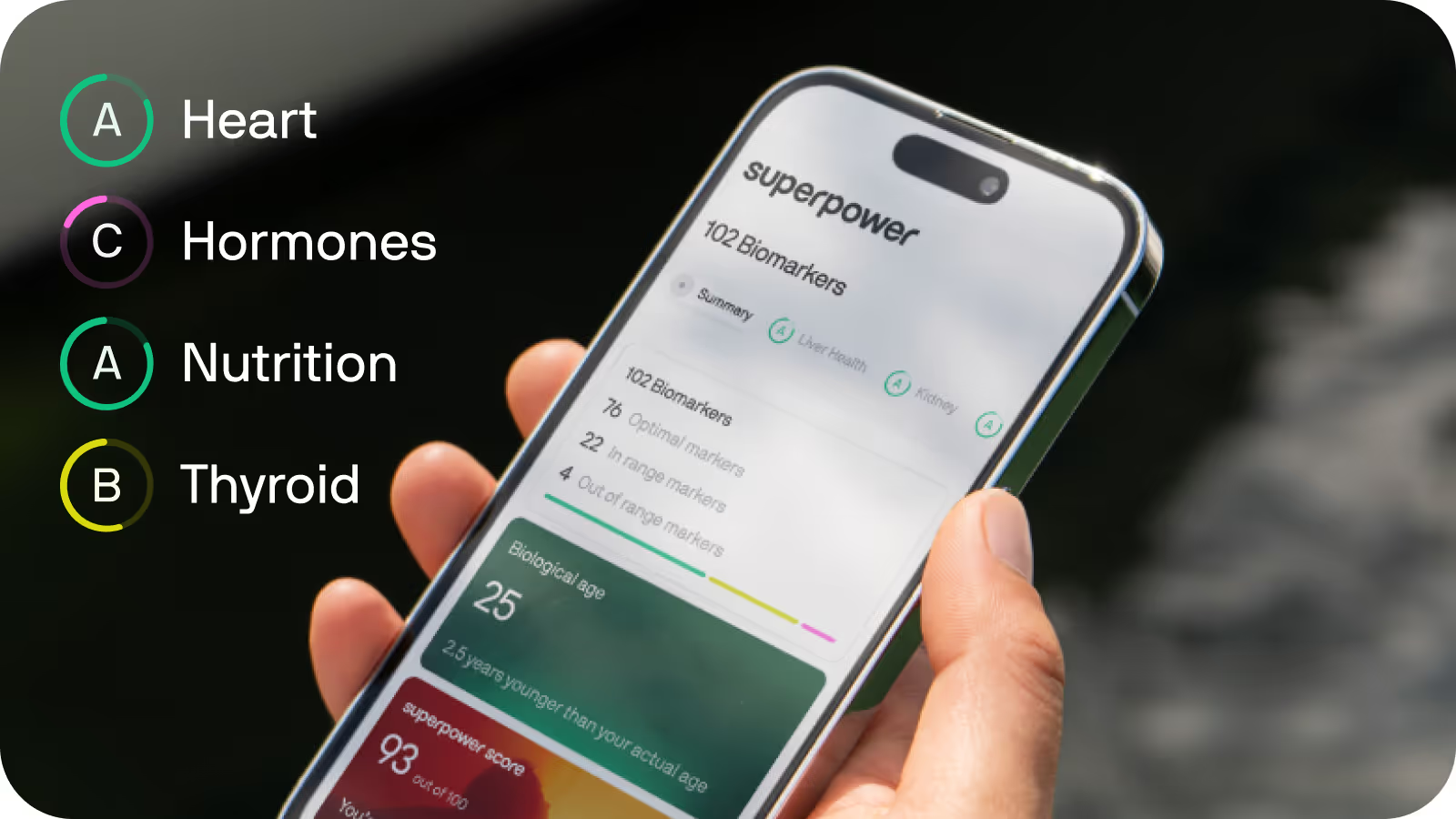
Superpower app on phone
Designed by world-class physicians

Get simple, free protocols for energy, heart health and more

Please enter a valid email address

Free protocols for

Improving energy with simple lifestyle changes

Reducing heart attack risk if you’re 30+

Slowing your pace of aging

Thanks for signing up!

Your health journey starts now. Watch your inbox for updates and smarter health insights – stay tuned.