
Excellent 4.6 out of 5
Nutrients

Blood Testing for Vitamin E

Vitamin E blood testing measures the circulating amount of vitamin E—the body’s principal fat-soluble antioxidant. Vitamin E is a family of related compounds (tocopherols and tocotrienols) obtained from foods like nuts, seeds, vegetable oils, and leafy greens. In humans, the liver selectively keeps and releases alpha-tocopherol, making it the dominant form in blood. At home blood testing is available in select states. See FAQs below

Book A Vitamin E Blood Test
Cancel anytime
HSA/FSA eligible
Results in a week
Physician reviewed

Every result is checked

·
CLIA-certified labs

Federal standard for testing

·
HIPAA compliant

Your data is 100% secure

Key Benefits

  • See your vitamin E level to gauge antioxidant and nerve protection.
  • Spot deficiency in fat malabsorption, cystic fibrosis, cholestasis, pancreatitis, or after bariatric surgery.
  • Clarify numbness, balance issues, muscle weakness, or anemia that suggest deficiency.
  • Guide safe supplementation and avoid toxicity, especially when using blood thinners like warfarin.
  • Track recovery with pancreatic enzymes, bile-acid therapy, or nutrition support in malabsorption.
  • Flag risks from very low-fat diets, orlistat, or cholestyramine that reduce absorption.
  • Interpret results most appropriate with a lipid panel or vitamin E-to-lipid ratio.

What is a Vitamin E blood test?

Vitamin E blood testing measures the circulating amount of vitamin E—the body’s principal fat-soluble antioxidant. Vitamin E is a family of related compounds (tocopherols and tocotrienols) obtained from foods like nuts, seeds, vegetable oils, and leafy greens. In humans, the liver selectively keeps and releases alpha-tocopherol, making it the dominant form in blood. After being absorbed with dietary fat in the small intestine, vitamin E is packed into chylomicrons and then carried by lipoproteins through the bloodstream, stored in fat tissue, and built into cell membranes.

Vitamin E’s core job is to protect the fats that make up cell membranes and lipoproteins from damage by reactive molecules (free radicals), stopping the chain reactions that degrade these fats (lipid peroxidation). By preserving membrane integrity, it supports immune function, nerve signaling, and red blood cell stability. Vitamin E also works with partner antioxidants, especially vitamin C and glutathione, to renew its protective power. A blood test therefore reflects how much alpha-tocopherol is available in circulation and how well it is being transported, offering a snapshot of the body’s readiness to shield vulnerable fats throughout tissues from oxidative stress.

Why is a Vitamin E blood test important?

Vitamin E (alpha‑tocopherol) is the body’s main fat‑soluble antioxidant. A blood test reflects how well you protect cell membranes from oxidative stress while transporting fat. It guards nerves and muscles, stabilizes red blood cells, supports immune signaling, and helps the retina and placenta manage high oxygen.

Most labs report a middle reference range. Because vitamin E rides on LDL and other lipoproteins, values rise with cholesterol and triglycerides. Interpreted relative to lipids, the healthiest levels generally sit near the midrange rather than the extremes.

When levels are low, the cause is often impaired fat absorption or transport—not intake alone—seen in cholestatic liver disease, pancreatic insufficiency, cystic fibrosis, celiac disease, or rare transfer‑protein defects. Effects appear in long nerves and muscles (numbness, ataxia, weakness), in red cells (hemolytic anemia, especially preterm infants), and in vision and immunity.

Very high results usually reflect supplements or hyperlipidemia; serum can be high even when tissue protection is not. True excess can antagonize vitamin K–dependent clotting, increasing bruising, nosebleeds, and bleeding risk, and may cause gastrointestinal upset or blurred vision. In pregnancy, rising lipids can elevate measured values.

Big picture: this test connects redox balance to lipid transport and the gut–liver–pancreas axis. Chronic deficiency threatens neurologic function and mobility; persistent excess raises bleeding risk. Interpreting vitamin E alongside a lipid panel, vitamins A/D/K, and liver or pancreatic markers clarifies root causes and long‑term risk.

What insights will I get?

A Vitamin E blood test measures circulating alpha‑tocopherol, the main fat‑soluble antioxidant in blood. It rides on lipoproteins and protects cell membranes and LDL particles from oxidative damage, helping maintain neuromuscular function, immune responsiveness, and redox balance. Adequate levels support membrane stability in lipid‑rich tissues such as brain, retina, and reproductive organs, with downstream ties to cardiovascular resilience and healthy metabolism.

Low values usually reflect impaired fat absorption or transport rather than isolated low intake. Common causes include bile or pancreatic insufficiency, celiac disease, cystic fibrosis, severe liver disease, very low lipoproteins, or rare transport defects (e.g., abetalipoproteinemia, TTPA variants). Systems effects include fragile membranes with hemolytic anemia (notably in preterm infants), peripheral neuropathy, muscle weakness, ataxia, visual changes, and diminished immune function.

Being in range suggests effective fat absorption and lipoprotein transport with sufficient antioxidant buffering of membranes and lipoproteins. This usually aligns with stable neuromuscular performance, immune competence, and balanced oxidative stress. When interpreted relative to blood lipids, adequacy typically sits around the mid‑range of many reference intervals.

High values usually reflect supplemental intake or elevated serum lipids that carry more vitamin E (hyperlipidemia, pregnancy, estrogen therapy, metabolic syndrome). Very high levels can antagonize vitamin K–dependent clotting, leading to easy bruising or bleeding, and may signal excess rather than improved tissue protection.

Notes: Serum vitamin E tracks with lipid levels and recent meals; lipid‑adjusted interpretation (e.g., relative to cholesterol or triglycerides) is informative. Acute illness and inflammation can lower both lipids and vitamin E. Most assays report alpha‑tocopherol; values are not interchangeable with other tocopherols. Preterm infants start with low stores; pregnancy typically raises measured levels via increased lipoproteins. Medications that block fat absorption can lower values.


Superpower also tests for

See more blood diseases

Frequently Asked Questions About

What is vitamin E and why is it important for health?

Vitamin E is a family of fat-soluble antioxidants, primarily alpha-tocopherol, that protect cell membranes and lipoproteins from oxidative damage. It plays a crucial role in maintaining nerve, muscle, and red blood cell integrity, supports immune function, and helps regulate cell signaling and gene expression. Since the body cannot produce vitamin E, it must be obtained from foods like nuts, seeds, vegetable oils, and leafy greens, or from supplements. Adequate vitamin E is essential for is studied for its potential effects on oxidative stress-related damage and supporting overall health.

How is vitamin E absorbed and transported in the body?

Vitamin E is absorbed in the small intestine along with dietary fats. After absorption, it enters the bloodstream via chylomicrons, travels to the liver, and is then released as alpha-tocopherol, the form most used by the body. The liver uses a specific transport protein (α-TTP) to select and distribute alpha-tocopherol, which is then carried to tissues by lipoproteins such as VLDL, LDL, and HDL. This lipid-dependent transport means vitamin E status is closely linked to lipid metabolism and liver function.

What are the symptoms and risks of vitamin E deficiency?

Vitamin E deficiency can cause a range of symptoms, including peripheral neuropathy (numbness, tingling, ataxia), muscle weakness, hemolytic anemia (due to fragile red blood cells), vision changes, and impaired immune responses. Deficiency is most often seen in people with fat malabsorption disorders (like cystic fibrosis, cholestatic liver disease, or pancreatic insufficiency), genetic transport defects, or very low lipoprotein levels. Preterm infants and children with cholestasis are particularly vulnerable to neurologic injury and hemolysis from deficiency.

What causes high vitamin E levels and are there risks associated with excess?

High vitamin E levels are usually due to substantial supplementation or elevated blood lipids (hyperlipidemia or cholestasis), not necessarily increased tissue stores. Excess vitamin E can interfere with vitamin K–dependent blood clotting, increasing the risk of easy bruising, bleeding, and, in extreme cases, hemorrhagic stroke. This risk is higher in people taking blood thinners or with low vitamin K. Symptoms of excess may also include nausea and fatigue. During pregnancy, high vitamin E intake can raise bleeding concerns.

How is vitamin E status tested and interpreted in blood tests?

Vitamin E status is typically measured as alpha-tocopherol in the blood. Because vitamin E is transported on lipoproteins, results are influenced by cholesterol and triglyceride levels. Some labs report alpha-tocopherol alone, while others use a vitamin E-to-lipids ratio, which more accurately reflects tissue status. Mid-range values or ratios generally indicate sufficiency. Interpretation should consider lipid levels, recent meals, acute illness, and pregnancy, as these factors can affect results.

What states are Superpower’s at-home blood testing available in?

Superpower currently offers at-home blood testing in the following states: Alabama, Arizona, California, Colorado, Connecticut, Delaware, District of Columbia, Florida, Georgia, Idaho, Illinois, Indiana, Kansas, Maine, Maryland, Massachusetts, Michigan, Minnesota, Missouri, Montana, Nebraska, Nevada, New Hampshire, New Jersey, New Mexico, New York, North Carolina, Ohio, Oklahoma, Oregon, Pennsylvania, South Carolina, Tennessee, Texas, Utah, Vermont, Virginia, Washington, West Virginia, and Wisconsin.

We’re actively expanding nationwide, with new states being added regularly. If your state isn’t listed yet, stay tuned.

How does vitamin E interact with other nutrients like vitamin C and vitamin K?

Vitamin E works synergistically with vitamin C and selenium-dependent enzymes to control oxidative stress and maintain redox balance. While vitamin E protects cell membranes from lipid peroxidation, vitamin C helps regenerate oxidized vitamin E, enhancing its antioxidant capacity. However, high vitamin E intake can antagonize vitamin K–dependent clotting factors, increasing bleeding risk, especially in those with low vitamin K or on anticoagulants.

What foods are the most appropriate sources of vitamin E?

The richest dietary sources of vitamin E are plant-based foods, including nuts (such as almonds and hazelnuts), seeds (like sunflower seeds), vegetable oils (such as sunflower, safflower, and wheat germ oil), and green leafy vegetables (like spinach and broccoli). Since vitamin E is fat-soluble, consuming these foods with some dietary fat improves absorption. People with restricted diets or absorption issues may require supplements to meet their needs.

How does vitamin E status affect pregnancy and newborn health?

During pregnancy, vitamin E needs may increase, especially if the mother has fat malabsorption issues. Adequate vitamin E is important for fetal development and to is studied for its potential effects on complications like hemolytic anemia and neurologic injury in preterm infants. However, excessive vitamin E supplementation during pregnancy can increase bleeding risk due to its effect on vitamin K–dependent clotting. Monitoring and maintaining appropriate vitamin E levels is essential for maternal and newborn health.

What are common misconceptions about vitamin E supplementation?

A common misconception is that more vitamin E is always better; however, excessive supplementation can increase bleeding risk and does not necessarily provide additional health benefits. Another misconception is that blood vitamin E levels always reflect tissue stores—since vitamin E rides on lipoproteins, high cholesterol can falsely elevate results. It’s also important to note that vitamin E deficiency is rare in healthy individuals with balanced diets but is a concern in those with fat malabsorption or certain genetic conditions.

How it works

1

Test your whole body

Get a comprehensive blood draw at one of our 3,000+ partner labs or from the comfort of your own home.

2

An Actionable Plan

Easy to understand results & a clear action plan with tailored recommendations on diet, lifestyle changes, supplements and pharmaceuticals.

3

A Connected Ecosystem

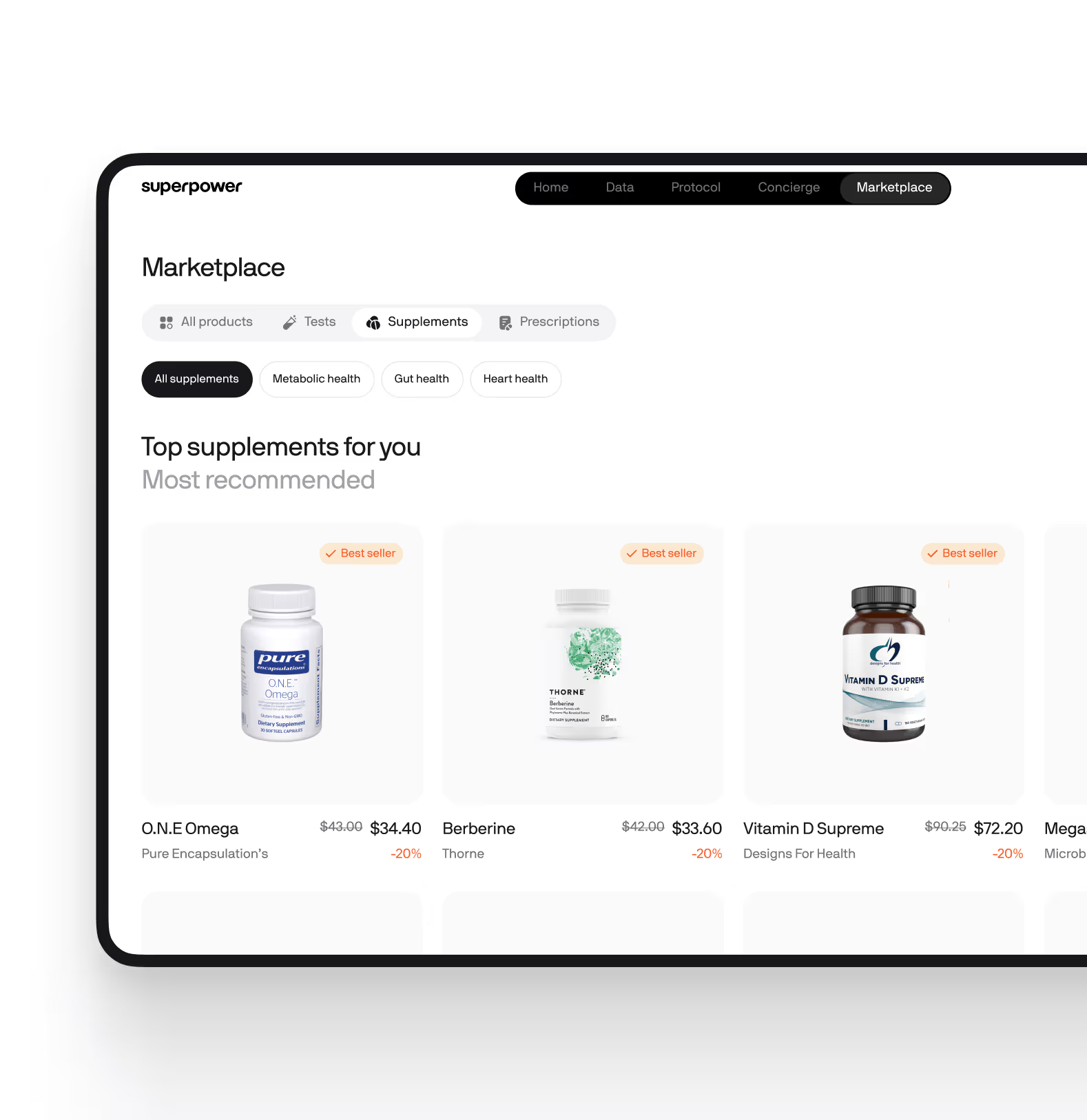
You can book additional diagnostics, buy curated supplements for 20% off & pharmaceuticals within your Superpower dashboard.

Superpower tests more than 
100+ biomarkers & common symptoms

Developed by world-class medical professionals

Supported by the world’s top longevity clinicians and MDs.

Dr Anant Vinjamoori

Superpower Chief Longevity Officer, Harvard MD & MBA

A smiling woman wearing a white coat and stethoscope poses for a portrait.

Dr Leigh Erin Connealy

Clinician & Founder of The Centre for New Medicine

Man in a black medical scrub top smiling at the camera.

Dr Abe Malkin

Founder & Medical Director of Concierge MD

Dr Robert Lufkin

UCLA Medical Professor, NYT Bestselling Author

membership

$17

/month
Billed annually at $199
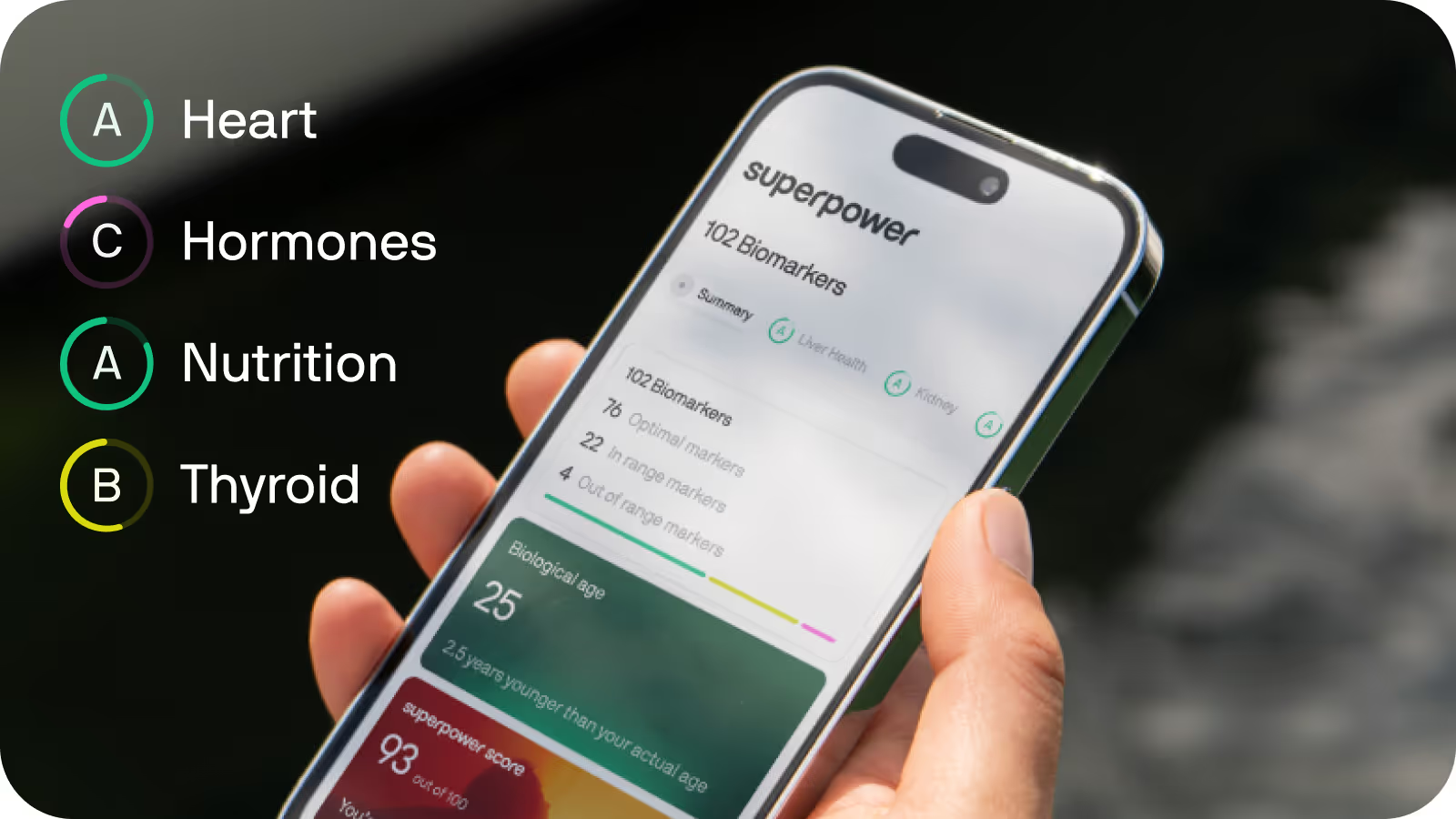
A smartphone displays health app results, showing biomarker summary, superpower score, and biological age details.
What could cost you $15,000 is $199

Superpower
Membership

Your membership includes one comprehensive blood draw each year, covering 100+ biomarkers in a single collection
One appointment, one draw for your annual panel.
100+ labs tested per year
A personalized plan that evolves with you
Get your biological age and track your health over a lifetime
$
17
/month
billed annually
Pricing for members in NY & NJ is $499
Flexible payment options
Four credit card logos: HSA/FSA Eligible, American Express, Visa, and Mastercard.
Start testing
Cancel anytime
HSA/FSA eligible
Results in a week

Finally, healthcare that looks at the whole you