Excellent 4.6 out of 5
Sex Hormones

Blood Testing for Thyroid antibodies

Thyroid antibodies are immune proteins in the blood that recognize and attach to parts of the thyroid gland. They are made by B cells when the immune system mistakenly targets the thyroid’s own proteins. The main types are directed against thyroid peroxidase and thyroglobulin, which are enzyme and storage proteins inside the gland, and against the thyroid‑stimulating hormone receptor on thyroid cells (anti‑TPO, anti‑Tg, and TSH receptor antibodies/TRAb). At home blood testing is available in select states. See FAQs below

Book A Thyroid antibodies Blood Test
Cancel anytime
HSA/FSA eligible
Results in a week
Physician reviewed

Every result is checked

·
CLIA-certified labs

Federal standard for testing

·
HIPAA compliant

Your data is 100% secure

Key Benefits

  • Spot autoimmune thyroid disease causing underactive or overactive thyroid.
  • Flag risk for future hypothyroidism before TSH changes, especially with positive TPO antibodies.
  • Explain fatigue, weight change, hair loss, or anxiety by identifying an autoimmune cause.
  • Guide treatment when TSH is mildly high; antibodies support starting levothyroxine.
  • Differentiate Graves’ disease using TSH-receptor antibodies, guiding therapy and tracking relapse risk.
  • Clarify fertility challenges; TPO antibodies link to miscarriage risk and warrant monitoring.
  • Support healthy pregnancy by guiding thyroid testing frequency and treatment if levels shift.
  • Best interpreted with TSH, free T4/T3, symptoms, and possibly ultrasound.

What is a Thyroid antibodies blood test?

Thyroid antibodies are immune proteins in the blood that recognize and attach to parts of the thyroid gland. They are made by B cells when the immune system mistakenly targets the thyroid’s own proteins. The main types are directed against thyroid peroxidase and thyroglobulin, which are enzyme and storage proteins inside the gland, and against the thyroid‑stimulating hormone receptor on thyroid cells (anti‑TPO, anti‑Tg, and TSH receptor antibodies/TRAb). These antibodies circulate in the bloodstream and show how the adaptive immune system is interacting with thyroid tissue (autoantibodies, immunoglobulins).

Their significance is that they reveal autoimmune activity affecting the thyroid. Anti‑TPO and anti‑Tg antibodies signal immune‑driven inflammation in the gland and are linked to tissue injury and shifts in hormone production (thyroiditis). TSH receptor antibodies can bind the receptor and either drive it or block it, changing how much hormone the gland makes (stimulating or blocking TRAb/TSI). In short, thyroid antibody testing shows whether the immune system is targeting the thyroid, helps identify the autoimmune nature of a thyroid problem, and can appear before changes in standard thyroid hormones, providing context for symptoms and future risk.

Why is a Thyroid antibodies blood test important?

Thyroid antibody testing reveals whether the immune system is targeting the thyroid’s own proteins—most often thyroid peroxidase (TPO), thyroglobulin (Tg), or the TSH receptor (TRAb). Because the thyroid sets the body’s metabolic pace, immune activity here can ripple through energy, weight, heart rhythm, temperature control, mood, fertility, pregnancy, bone, and growth in children.

Results are usually reported as negative/positive or as titers against a lab cutoff. The healthiest pattern is undetectable or negative antibodies. When values are negative or very low, they reflect immune tolerance: thyroid tissue is not being attacked, hormone production remains steady, and symptoms are absent. This pattern is common in men and many women; in pregnancy it’s associated with lower risk of thyroid dysfunction and adverse outcomes.

When antibodies are elevated, they mark autoimmune thyroid disease. High TPO or Tg antibodies point to Hashimoto’s tendency, which can precede a rise in TSH and later hypothyroidism—fatigue, cold intolerance, weight gain, dry skin, constipation, heavy periods; cholesterol may rise, heart rate slow, and a goiter can develop. In children, slowed growth and school difficulties may emerge. High TRAb signals Graves’ biology, often with hyperthyroidism—weight loss, heat intolerance, tremor, palpitations, anxiety, eye changes; risks include bone loss and atrial fibrillation. Titers can fluctuate, but higher levels increase the chance of progression or relapse.

Big picture, thyroid antibodies link immune dysregulation to endocrine control. They help explain abnormal TSH/T4 results, refine risk in borderline cases, and inform monitoring of cardiovascular, skeletal, reproductive, pregnancy, and developmental health over time.

What insights will I get?

A thyroid antibodies blood test measures immune proteins against thyroid components—typically thyroid peroxidase (TPOAb), thyroglobulin (TgAb), and sometimes TSH‑receptor antibodies (TRAb/TSI). These are markers of autoimmune activity, not hormones. Their pattern signals whether the immune system is targeting the thyroid, which can change hormone supply and, in turn, energy, metabolism, heart rhythm, cognition, mood, menstrual cycles, fertility, and pregnancy outcomes.

Low values usually reflect no detectable thyroid‑directed autoimmunity and intact immune tolerance. Thyroid function is more likely governed by gland output and pituitary feedback. Across ages and sexes, low/negative antibodies are common; in pregnancy they imply lower risk of autoimmune thyroiditis. Negative antibodies do not exclude non‑autoimmune thyroid disorders.

Being in range suggests immunologic stability around the thyroid and predictable hormone status. For most assays, within reference ranges sits near zero or below the lab cutoff, especially with normal TSH and free T4.

High values usually reflect autoimmune thyroid disease. Elevated TPOAb/TgAb indicate chronic lymphocytic thyroiditis (Hashimoto’s) and a higher likelihood of developing hypothyroidism over time. Elevated TRAb/TSI points to Graves’ disease and a tendency toward hyperthyroidism; rarely, blocking TRAb causes hypothyroidism. In pregnancy, TRAb can cross the placenta and affect fetal or neonatal thyroid; maternal TPOAb is linked to higher risk of miscarriage and postpartum thyroiditis. In youth, antibodies may precede overt dysfunction.

Notes: Assay methods and cutoffs vary; titers fluctuate and do not always mirror disease activity. Acute illness, iodine exposure, immune‑modulating drugs (for example interferon or amiodarone), and the postpartum period can unmask antibodies. Coexisting autoimmune disease and family history raise prevalence.


Superpower also tests for

See more blood diseases

Frequently Asked Questions About

What are thyroid antibodies and why are they important for thyroid health?

Thyroid antibodies are immune proteins that mistakenly target and attack the thyroid gland. The main types include thyroid peroxidase antibodies (TPOAb), thyroglobulin antibodies (TgAb), and TSH receptor antibodies (TRAb/TSI). Their presence indicates autoimmune thyroid disease, such as Hashimoto’s thyroiditis or Graves’ disease. Detecting these antibodies helps clarify the cause of symptoms like fatigue, weight changes, or palpitations, and can flag a higher risk of future thyroid dysfunction even when TSH and free T4 levels are normal. Monitoring thyroid antibodies is crucial for guiding treatment, especially in borderline or unstable thyroid cases, and for protecting fertility and pregnancy outcomes.

How do thyroid antibodies affect symptoms like fatigue, weight changes, or palpitations?

Thyroid antibodies signal immune activity against the thyroid, which can disrupt hormone production. In Hashimoto’s thyroiditis, elevated TPOAb or TgAb can lead to hypothyroidism, causing fatigue, weight gain, constipation, and cold intolerance. In Graves’ disease, high TRAb/TSI levels drive hyperthyroidism, resulting in palpitations, weight loss, anxiety, tremor, and heat intolerance. Even before hormone levels change, the presence of antibodies can explain symptoms and help predict future thyroid issues.

What is the difference between TPO antibodies, thyroglobulin antibodies, and TSH receptor antibodies?

TPO antibodies (TPOAb) target thyroid peroxidase, an enzyme essential for thyroid hormone production. Thyroglobulin antibodies (TgAb) attack thyroglobulin, a protein used to store thyroid hormones. TSH receptor antibodies (TRAb/TSI) bind to the TSH receptor; some stimulate it (causing hyperthyroidism in Graves’ disease), while others block it (leading to hypothyroidism). Each antibody type is associated with different autoimmune thyroid conditions and helps guide diagnosis and management.

How can thyroid antibody testing help with fertility and pregnancy planning?

Thyroid antibody testing is important for fertility and pregnancy because thyroid autoimmunity increases the risk of miscarriage, subfertility, and postpartum thyroiditis. Elevated TPOAb or TgAb in women planning pregnancy or already pregnant can prompt closer monitoring of TSH and thyroid hormone levels, tighter treatment targets, and more frequent follow-up. Negative or low antibody levels are associated with lower risk of pregnancy complications and better reproductive outcomes.

Why might thyroid antibodies be elevated even if TSH and free T4 are normal?

Thyroid antibodies can be elevated years before changes in TSH or free T4 appear. This early immune activity signals a higher risk of developing thyroid dysfunction in the future, even if current hormone levels are normal. Monitoring antibody trends helps guide the timing of treatment and follow-up, especially in people with borderline thyroid function or symptoms suggestive of thyroid disease.

What states are Superpower’s at-home blood testing available in?

Superpower currently offers at-home blood testing in the following states: Alabama, Arizona, California, Colorado, Connecticut, Delaware, District of Columbia, Florida, Georgia, Idaho, Illinois, Indiana, Kansas, Maine, Maryland, Massachusetts, Michigan, Minnesota, Missouri, Montana, Nebraska, Nevada, New Hampshire, New Jersey, New Mexico, New York, North Carolina, Ohio, Oklahoma, Oregon, Pennsylvania, South Carolina, Tennessee, Texas, Utah, Vermont, Virginia, Washington, West Virginia, and Wisconsin.

We’re actively expanding nationwide, with new states being added regularly. If your state isn’t listed yet, stay tuned.

How are thyroid antibodies used to aid in evaluation of Hashimoto’s thyroiditis and Graves’ disease?

Elevated TPOAb or TgAb are hallmarks of Hashimoto’s thyroiditis, which leads to chronic thyroid inflammation and hypothyroidism. High TRAb/TSI levels are characteristic of Graves’ disease, which causes hyperthyroidism and can affect the eyes (orbitopathy). Testing for these antibodies, alongside TSH and free T4/T3, helps confirm the diagnosis and guide treatment decisions.

Can thyroid antibody levels change over time, and how should they be monitored?

Thyroid antibody levels can fluctuate, sometimes increasing or decreasing over time. Monitoring trends is especially important after pregnancy, during treatment, or when symptoms change. Regular testing helps determine follow-up frequency and assess the risk of developing or worsening thyroid dysfunction. Interpretation should always consider TSH, free T4/T3, and clinical symptoms.

What factors can trigger or worsen thyroid autoimmunity and antibody production?

Certain medications (such as checkpoint inhibitors, interferon, amiodarone, and lithium) and excess iodine intake can trigger or unmask thyroid autoimmunity, leading to increased antibody production. Genetic predisposition, female sex, and aging also raise the risk. Understanding these factors can help manage and is studied for its potential effects on thyroid-related complications.

How do thyroid antibodies impact children and adolescents?

In children and teens, thyroid antibodies can slow growth, delay or accelerate puberty, and affect school performance by altering metabolism and cognitive function. Early detection and monitoring are important to support normal development and is studied for its potential effects on long-term complications. Low or negative antibody levels are reassuring for healthy growth and timely puberty.

How it works

1

Test your whole body

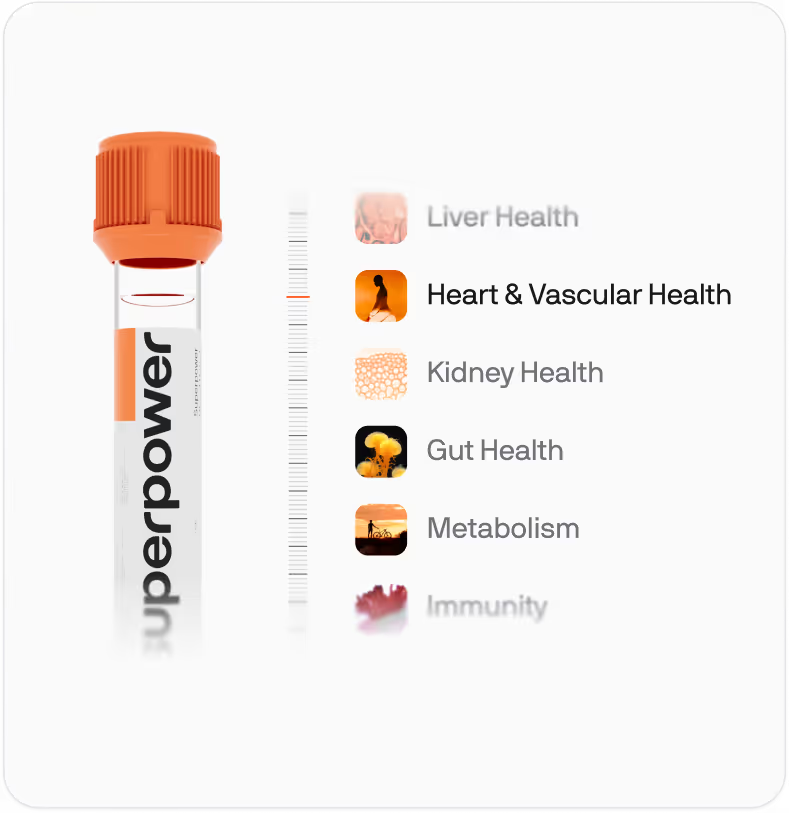
Get a comprehensive blood draw at one of our 3,000+ partner labs or from the comfort of your own home.

2

An Actionable Plan

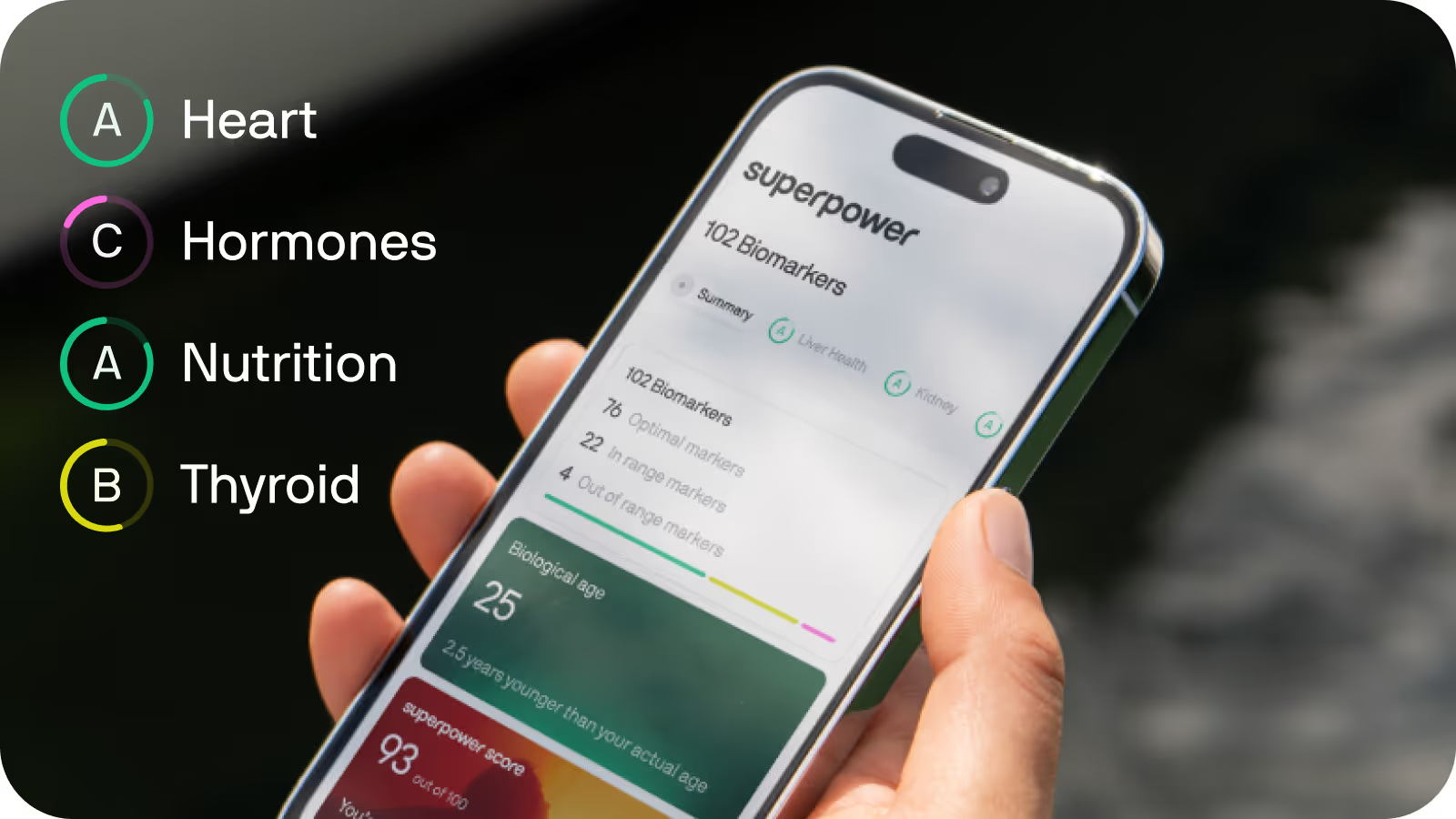
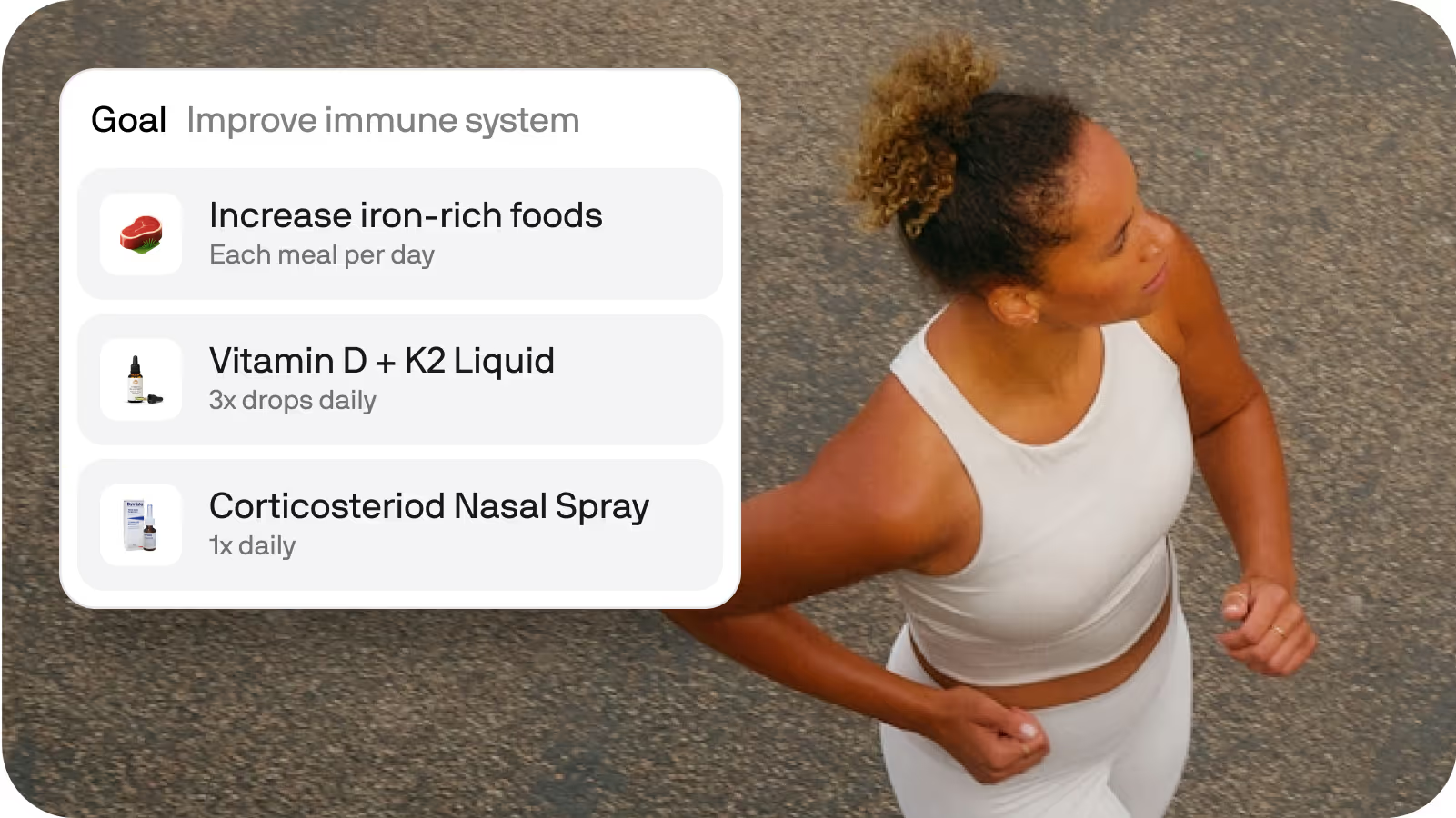
Easy to understand results & a clear action plan with tailored recommendations on diet, lifestyle changes, supplements and pharmaceuticals.

3

A Connected Ecosystem

You can book additional diagnostics, buy curated supplements for 20% off & pharmaceuticals within your Superpower dashboard.

Superpower tests more than 
100+ biomarkers & common symptoms

Developed by world-class medical professionals

Supported by the world’s top longevity clinicians and MDs.

Dr Anant Vinjamoori

Superpower Chief Longevity Officer, Harvard MD & MBA

A smiling woman wearing a white coat and stethoscope poses for a portrait.

Dr Leigh Erin Connealy

Clinician & Founder of The Centre for New Medicine

Man in a black medical scrub top smiling at the camera.

Dr Abe Malkin

Founder & Medical Director of Concierge MD

Dr Robert Lufkin

UCLA Medical Professor, NYT Bestselling Author

membership

$17

/month
Billed annually at $199
A smartphone displays health app results, showing biomarker summary, superpower score, and biological age details.
What could cost you $15,000 is $199

Superpower
Membership

Your membership includes one comprehensive blood draw each year, covering 100+ biomarkers in a single collection
One appointment, one draw for your annual panel.
100+ labs tested per year
A personalized plan that evolves with you
Get your biological age and track your health over a lifetime
$
17
/month
billed annually
Pricing for members in NY & NJ is $499
Flexible payment options
Four credit card logos: HSA/FSA Eligible, American Express, Visa, and Mastercard.
Start testing
Cancel anytime
HSA/FSA eligible
Results in a week

Finally, healthcare that looks at the whole you