Excellent 4.6 out of 5
Sex Hormones

Blood Testing for Mercury, blood

Mercury in blood testing measures the amount of mercury circulating in your bloodstream. Mercury is a toxic metal that people encounter mainly through diet and environment. Most everyday exposure comes from eating fish and shellfish that contain methylmercury; other exposures can occur by breathing in mercury vapor (elemental mercury) during certain jobs or spills, or from contact with inorganic mercury in some products. At home blood testing is available in select states. See FAQs below

Book A Mercury, blood Blood Test
Cancel anytime
HSA/FSA eligible
Results in a week
Physician reviewed

Every result is checked

·
CLIA-certified labs

Federal standard for testing

·
HIPAA compliant

Your data is 100% secure

Key Benefits

  • Check recent mercury exposure in your bloodstream from fish or environmental sources.
  • Spot levels linked to nerve and kidney harm, using health-based cutoffs.
  • Explain tremor, numbness, or memory problems that may reflect mercury effects.
  • Guide safer seafood choices to lower fish mercury while keeping omega-3 benefits.
  • Protect fertility and fetal brain development by identifying levels needing pregnancy-specific action.
  • Track improvement after exposure changes, reflecting mercury’s weeks-long clearance time.
  • Clarify occupational or hobby risks from mercury-containing products, tools, or spills.
  • Best interpreted with your diet history and urine mercury when inorganic exposure suspected.

What is a Mercury, blood test?

Mercury in blood testing measures the amount of mercury circulating in your bloodstream. Mercury is a toxic metal that people encounter mainly through diet and environment. Most everyday exposure comes from eating fish and shellfish that contain methylmercury; other exposures can occur by breathing in mercury vapor (elemental mercury) during certain jobs or spills, or from contact with inorganic mercury in some products. Once absorbed, mercury enters the blood, where methylmercury travels largely inside red blood cells and binds to proteins (hemoglobin, albumin). From there it can move into tissues, including the brain and the developing fetus.

Mercury has no useful role in human biology. In the body it attaches tightly to sulfur-containing sites on proteins (thiols), disrupting enzymes, energy production, and cell signaling—effects most prominent in the nervous system and kidneys. A blood mercury level mainly reflects recent or ongoing exposure, especially from dietary methylmercury over the past days to weeks, and so it serves as an indicator of current body burden and potential toxic risk. It is particularly informative for people who eat a lot of predatory fish or have recent high-intensity exposure; by contrast, urine is often used to gauge inorganic or elemental mercury exposure. Clinicians use blood levels to monitor exposure reduction and guide further evaluation.

Why is a Mercury, blood test important?

The blood mercury test shows how much mercury is circulating in your bloodstream right now—mostly methylmercury from seafood and, less often, inorganic mercury from environmental or occupational sources. Because mercury binds to proteins and crosses the blood–brain and placental barriers, this test matters for the nervous system, kidneys, cardiovascular system, and fetal development.

In the general population, values are very low. Blood most appropriate reflects recent exposure over days to weeks, and numbers can rise after eating large predatory fish. Optimal levels are near the low end; there is no physiologic need for mercury. Urine testing can better mirror inorganic mercury exposure, but blood captures most methylmercury.

Very low results simply indicate minimal exposure. There is no “deficiency” state. At these levels, enzyme systems, nerve signaling, and kidney tubules function normally. For pregnant people and children, low values are reassuring because the developing brain is especially sensitive.

Higher values indicate recent significant exposure. The nervous system is usually first affected: tingling in hands or around the mouth, tremor, clumsiness, headache, visual or hearing changes, mood shifts, and sleep disturbance. The kidneys can develop tubular dysfunction with protein in the urine. Cardiovascular associations include higher blood pressure and vascular effects. Children may show learning or motor delays, and during pregnancy, excess mercury crosses the placenta and can impair fetal neurodevelopment.

Big picture: blood mercury links environment and diet to brain, kidney, and vascular health. Interpreting it alongside exposure history, urine mercury (for inorganic forms), kidney markers, and pregnancy status helps gauge risk and inform longer-term monitoring for neurocognitive and renal outcomes.

What insights will I get?

The Mercury, blood test measures the amount of mercury circulating in whole blood, capturing recent exposure over weeks to a few months. Most blood mercury is methylmercury bound to red blood cells from seafood intake; smaller fractions may reflect elemental or inorganic mercury from occupational or environmental sources. This matters because mercury is neurotoxic and nephrotoxic and can affect energy metabolism, cognition and mood, cardiovascular regulation, immune signaling, and reproductive and fetal brain development.

Low values usually reflect minimal recent exposure. Mercury has no biological function, so low or undetectable levels do not impair physiology. In pregnancy and early childhood, lower levels are expected and confer lower toxic risk.

Being in range suggests exposure similar to the general population with intact distribution and clearance. Because mercury has no benefit and toxicity thresholds vary by individual, within reference ranges values tend to sit toward the low end of the reference interval, especially for people who are pregnant or planning pregnancy and for young children.

High values usually reflect recent methylmercury intake or exposure to elemental/inorganic mercury vapor. Physiologically, mercury binds sulfhydryl groups and disrupts neuronal signaling and mitochondrial enzymes, and inorganic forms concentrate in renal proximal tubules. Common system-level effects include paresthesias, tremor, coordination or vision changes, headaches, memory/mood shifts, elevated blood pressure, and proteinuria. During pregnancy, higher maternal blood mercury is linked to adverse fetal neurodevelopment; infants and children are more susceptible.

Notes: Interpretation depends on timing (levels rise within days after exposure; methylmercury half-life is several weeks). Whole blood best reflects methylmercury; urine better reflects inorganic mercury. Recent chelation, acute illness, and lab method differences can alter results. Age, geography, and diet patterns influence baseline population ranges.


Superpower also tests for

See more blood diseases

Frequently Asked Questions About

What is a blood mercury test and why is it important?

A blood mercury test measures the amount of mercury circulating in your bloodstream, primarily reflecting recent exposure to this toxic heavy metal. Mercury enters the body mainly through eating contaminated fish and seafood (methylmercury) or inhaling mercury vapor in certain workplaces (elemental mercury). This test is crucial because mercury has no beneficial role in human biology and can harm the nervous system, kidneys, and developing brain. Blood mercury levels help identify recent exposure, assess health risks, and guide interventions to reduce mercury burden, especially in vulnerable groups like pregnant women and children.

How does mercury get into the bloodstream and what are common sources?

Mercury enters the bloodstream mainly through dietary intake of contaminated fish and seafood, which contain methylmercury. Occupational exposure, such as working with mercury-containing equipment or products, can also lead to inhalation of elemental mercury vapor, which is then converted to inorganic mercury in the body. Environmental sources, including polluted air or water, contribute to overall exposure. Understanding these sources helps individuals make safer choices and reduce their risk of mercury toxicity.

What symptoms or health problems are linked to high blood mercury levels?

High blood mercury levels can cause a range of symptoms and health issues, particularly affecting the nervous system and kidneys. Common symptoms include numbness, tingling, tremors, memory problems, headaches, irritability, and sleep disturbances. In children, elevated mercury can lead to learning or behavioral difficulties, while fetal exposure during pregnancy may impair neurodevelopment. Other effects include kidney tubular injury, immune system changes, rashes, increased blood pressure, and higher cardiovascular risk.

How does blood mercury testing help with safer seafood choices?

Blood mercury testing provides insight into your recent exposure, often linked to the type and frequency of fish and seafood consumed. By correlating test results with dietary habits, individuals can identify which seafood choices are contributing to higher mercury levels. This information guides safer seafood consumption, favoring low-mercury options and reducing intake of high-mercury species, thereby lowering overall health risks.

Why is blood mercury testing especially important during pregnancy and childhood?

During pregnancy and childhood, the developing brain is highly sensitive to mercury’s neurotoxic effects. Methylmercury crosses both the blood–brain and placental barriers, meaning even moderate exposure can impair fetal neurodevelopment or cause learning and behavioral issues in children. Blood mercury testing helps detect and minimize exposure during these critical periods, protecting fertility, fetal development, and long-term cognitive health.

What states are Superpower’s at-home blood testing available in?

Superpower currently offers at-home blood testing in the following states: Alabama, Arizona, California, Colorado, Connecticut, Delaware, District of Columbia, Florida, Georgia, Idaho, Illinois, Indiana, Kansas, Maine, Maryland, Massachusetts, Michigan, Minnesota, Missouri, Montana, Nebraska, Nevada, New Hampshire, New Jersey, New Mexico, New York, North Carolina, Ohio, Oklahoma, Oregon, Pennsylvania, South Carolina, Tennessee, Texas, Utah, Vermont, Virginia, Washington, West Virginia, and Wisconsin.

We’re actively expanding nationwide, with new states being added regularly. If your state isn’t listed yet, stay tuned.

What are typical or within reference ranges blood mercury levels, and what do low or high results mean?

Typical laboratory reference ranges for blood mercury are very low, with optimal levels toward the lower end, especially for pregnant women and children. Low or near-zero results indicate minimal recent exposure and carry no health risks, as mercury is not a required nutrient. High blood mercury levels suggest significant recent exposure and increase the risk of neurological, renal, and cardiovascular problems. Results should be interpreted within the laboratory’s reference range and clinical context.

How long does blood mercury reflect recent exposure, and can levels change quickly?

Blood mercury levels reflect exposure over the prior several weeks, making the test a useful snapshot of current body burden, especially for methylmercury. Levels can rise transiently after consuming a seafood meal and decrease as the body eliminates mercury through bile and urine. Tracking blood mercury over time helps monitor progress after removing exposure sources or during doctor-directed mercury-removal treatment.

What should you do if your blood mercury level is elevated?

If your blood mercury level is elevated, it’s important to identify and reduce sources of exposure, such as limiting high-mercury fish or addressing occupational risks. Your healthcare provider may recommend additional testing (urine or hair mercury) to clarify exposure type and guide treatment. In some cases, medical interventions or chelation therapy may be necessary. Regular monitoring can track your progress as you lower your mercury burden.

Are there any misconceptions about blood mercury testing and its health implications?

A common misconception is that only people with obvious symptoms need blood mercury testing. In reality, even low-level exposure can be harmful, especially for pregnant women and children. Another misconception is that low blood mercury is problematic, but mercury has no beneficial role in the body, so low levels are desirable. Blood mercury testing is a valuable tool for assessing recent exposure, guiding safer choices, and protecting long-term health.

How it works

1

Test your whole body

Get a comprehensive blood draw at one of our 3,000+ partner labs or from the comfort of your own home.

2

An Actionable Plan

Easy to understand results & a clear action plan with tailored recommendations on diet, lifestyle changes, supplements and pharmaceuticals.

3

A Connected Ecosystem

You can book additional diagnostics, buy curated supplements for 20% off & pharmaceuticals within your Superpower dashboard.

Superpower tests more than 
100+ biomarkers & common symptoms

Developed by world-class medical professionals

Supported by the world’s top longevity clinicians and MDs.

Dr Anant Vinjamoori

Superpower Chief Longevity Officer, Harvard MD & MBA

A smiling woman wearing a white coat and stethoscope poses for a portrait.

Dr Leigh Erin Connealy

Clinician & Founder of The Centre for New Medicine

Man in a black medical scrub top smiling at the camera.

Dr Abe Malkin

Founder & Medical Director of Concierge MD

Dr Robert Lufkin

UCLA Medical Professor, NYT Bestselling Author

membership

$17

/month
Billed annually at $199
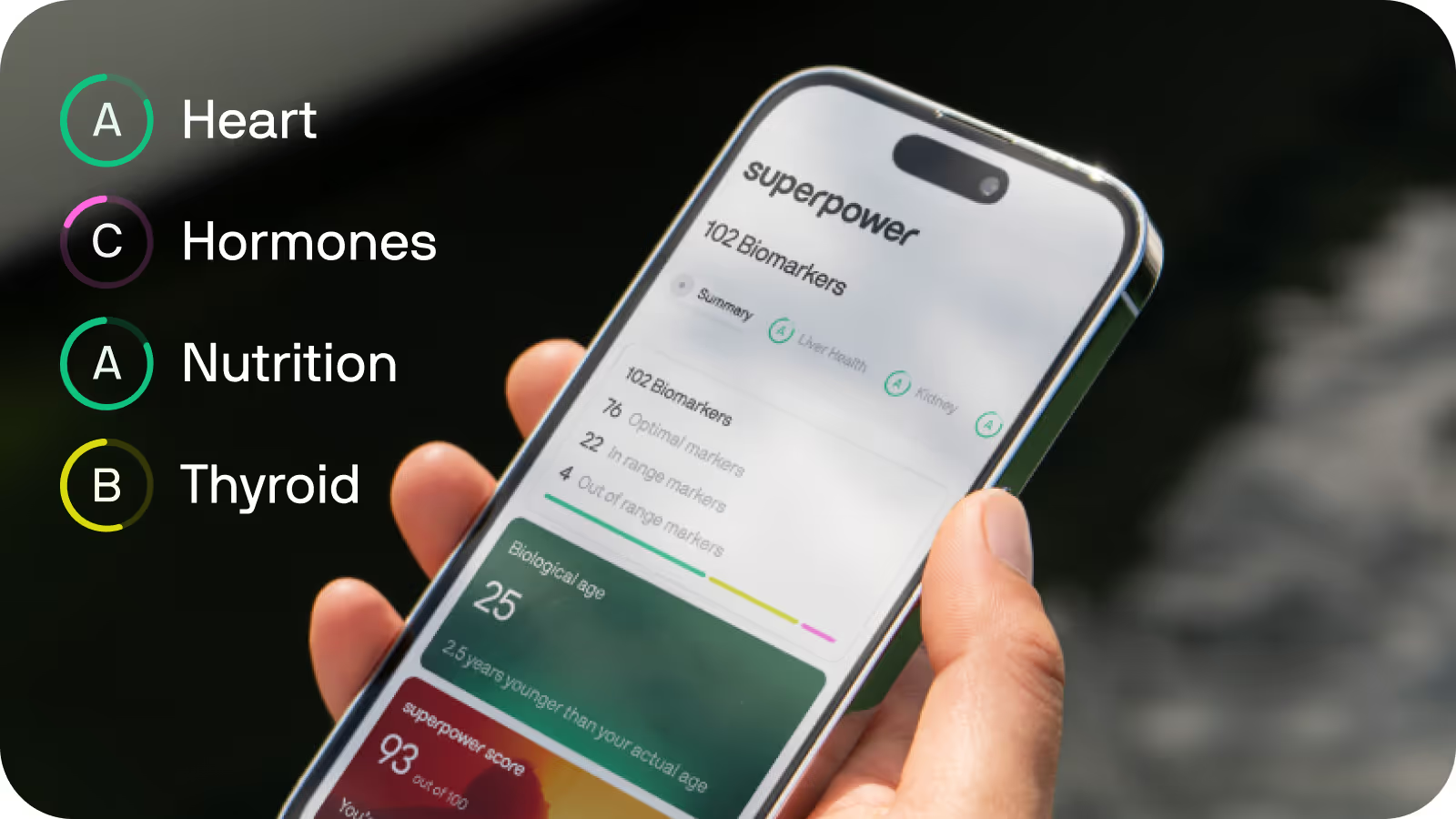
A smartphone displays health app results, showing biomarker summary, superpower score, and biological age details.
What could cost you $15,000 is $199

Superpower
Membership

Your membership includes one comprehensive blood draw each year, covering 100+ biomarkers in a single collection
One appointment, one draw for your annual panel.
100+ labs tested per year
A personalized plan that evolves with you
Get your biological age and track your health over a lifetime
$
17
/month
billed annually
Pricing for members in NY & NJ is $499
Flexible payment options
Four credit card logos: HSA/FSA Eligible, American Express, Visa, and Mastercard.
Start testing
Cancel anytime
HSA/FSA eligible
Results in a week

Finally, healthcare that looks at the whole you