

Find out your ferritin and cortisol levels
See your biomarkers in context with a comprehensive panel.
- CLIA-certified labs
- HIPAA compliant
- Personalized health protocol
What drains your energy at the cellular level
The best supplements for energy fall into four categories: B vitamins and iron to correct nutrient deficiencies, CoQ10 to support mitochondrial function, magnesium to stabilize ATP, and adaptogens to dampen stress-driven fatigue. Each works through a different mechanism, and most only help if something in that mechanism is already broken.
Energy is ATP, the molecule your cells manufacture from nutrients through three stages: glycolysis, the citric acid cycle, and oxidative phosphorylation. Feeling chronically drained has many possible causes, including poor sleep, stress, depression, anemia, thyroid problems, and some medicines. Four nutrient shortfalls slow these energy pathways: low B vitamins, low iron or ferritin, CoQ10 depletion, and magnesium deficiency. Chronic stress, which can disrupt sleep and alter cortisol output over time, is the other cause supplements may help address.
Which energy supplement fits your situation
The right energy supplement depends on why you're tired: iron or B12 when levels are low, more sleep before any supplement when you're short on it, and caffeine only for short-term alertness. Find the scenario closest to yours.
Nutrient shortfalls and medicines
- Low iron, heavy periods, or frequent blood donation: Women with heavy periods and frequent blood donors are among the groups more likely to have trouble getting enough iron. People with hemochromatosis should avoid using iron supplements, and iron can reduce the absorption of the thyroid medicine levothyroxine and the Parkinson's medicine levodopa, so check with a clinician if you take either.
- Low B12 (vegetarian or vegan diet, older age, metformin or acid-reducing medicines): Vegetarians, vegans, and older adults face higher risk of B12 deficiency, and prolonged use of metformin or proton pump inhibitors can cause it. Fatigue is one symptom, along with numbness and tingling in the hands and feet, so those signs deserve a clinician's attention.
- Statin use: Statins lower CoQ10 levels.
- Low magnesium intake, heavy exercise, or diuretic use: Loop and thiazide diuretics can increase magnesium loss in urine, and the supplemental upper limit is 350 mg a day for adults.
Sleep, alertness, and stress
- Poor sleep: Adults 18 to 60 need seven or more hours of sleep, adults 61 to 64 need seven to nine, and adults 65 and older need seven to eight. None of these supplements is supported for fatigue caused by sleep loss.
- Short-term alertness: For most adults, 400 mg of caffeine a day, about two to three 12-ounce cups of coffee, is not generally associated with negative effects, though sensitivity varies widely. In a meta-analysis of 11 randomized trials, caffeine combined with L-theanine improved alertness and task-switching accuracy during the first two hours after a dose, and a 44-person trial of 97 mg L-theanine with 40 mg caffeine found less self-reported tiredness. These are alertness effects, and caffeine doesn't effectively relieve fatigue and can worsen fatigue when stopped.
- Chronic stress: Rhodiola and ashwagandha are the usual choices, though reliable evidence on rhodiola is limited.
How energy supplements affect mitochondrial function and oxygen delivery
B vitamins and cellular metabolism
B vitamins don't provide energy directly. They enable your cells to extract energy from food. Thiamin (B1) activates pyruvate dehydrogenase, the enzyme that converts glucose breakdown products into fuel for the citric acid cycle. Riboflavin (B2) and niacin (B3) form FAD and NAD+, electron carriers that feed the electron transport chain. Pantothenic acid (B5) is part of coenzyme A, essential for fat oxidation.
B6 supports amino acid metabolism and neurotransmitter synthesis. B12 and folate are required for red blood cell production and DNA synthesis. A 2023 randomized double-blind crossover trial (n=32) in healthy adults aged 20 to 30 found that 28 days of a B-complex product lengthened running time to exhaustion and lowered blood lactate and ammonia, chemical markers of exercise fatigue. It was a small trial of one product, and it didn't measure everyday tiredness.
Iron and oxygen transport
Iron deficiency can contribute to fatigue even before anemia develops.
Iron works by restoring hemoglobin synthesis and replenishing iron-sulfur clusters in mitochondrial complexes I, II, and III. Without adequate iron, the electron transport chain can't function at full capacity, even when oxygen delivery appears normal.
CoQ10 and mitochondrial energy production
Coenzyme Q10 is embedded in the inner mitochondrial membrane, shuttling electrons between complexes I, II, and III, a step critical for ATP synthesis. Your body makes CoQ10 endogenously, but endogenous CoQ10 production declines with age: heart levels peak around age 20, and by age 80 only about half of the heart's own CoQ10 production remains. Even so, trials in middle-aged and older adults haven't shown clinically meaningful physical benefits from supplementing. In addition, plasma levels are measurably reduced by statin medications, which block the mevalonate pathway, the same biosynthetic route used to synthesize CoQ10.
Magnesium and ATP stability
Magnesium doesn't just participate in energy metabolism. It's required for ATP to exist in its biologically active form. Inside cells, ATP is bound to magnesium (Mg-ATP), and without adequate magnesium, ATP becomes unstable. Magnesium also activates enzymes throughout glycolysis, the citric acid cycle, and oxidative phosphorylation, and it is a cofactor in more than 300 enzyme systems.
Many people in the US consume less magnesium than recommended, and refining grains lowers their magnesium content, though symptomatic deficiency is uncommon in otherwise healthy people. Supplementation with magnesium glycinate may help restore energy when deficiency is present, though the effect is subtle in people with adequate status.
What clinical research shows about energy supplements
B vitamins: Effective only when deficient
Research suggests that B vitamin supplementation may help reduce fatigue in people with low-normal B12 and folate, but B12 doesn't appear to improve performance in people whose levels are already adequate.
Iron: Benefit in non-anemic deficiency
Research suggests that iron supplementation may help reduce fatigue in non-anemic people with low ferritin. A double-blind RCT (n=144) in non-anemic women with unexplained fatigue and low ferritin found iron supplementation reduced fatigue by 29% versus 13% in the placebo group, with the benefit limited to women with ferritin ≤50 µg/L. A systematic review of 18 randomized trials found iron reduced self-reported fatigue in non-anemic, iron-deficient adults but did not improve objective measures of physical capacity. A double-blind RCT in healthy non-anemic athletes (n=93) found that a low dose of iron (3.6 mg per day) for four weeks lowered mood disturbance in female athletes and reduced post-exercise tiredness compared with placebo. The effect on objective physical performance was more variable.
Because excess iron is harmful, test first.
CoQ10: Clearest benefit in people with health conditions
Across clinical trials in both healthy adults and people with fatigue-related conditions, CoQ10 may offer modest benefits. A 2022 meta-analysis of 13 RCTs (n=1,126) found a statistically significant, mild-to-moderate reduction in fatigue scores versus placebo. The effect pointed the same way in healthy people and people with health conditions, but it reached statistical significance only in the subgroup with health conditions, and higher doses and longer use tracked with larger effects. In healthy people, CoQ10 hasn't been shown to reliably improve energy levels.
Adaptogens: Mixed evidence for stress-related fatigue
Adaptogens target a different mechanism entirely: the stress response. A systematic review of rhodiola trials found contradictory results: some suggested less mental fatigue, but every included study had a high or unclear risk of bias. A 2018 literature review concluded rhodiola extract may help manage stress symptoms. In a 2019 RCT (n=60) of stressed adults, ashwagandha lowered anxiety scores and morning cortisol compared with placebo; the trial did not measure energy.
If your fatigue comes from chronic stress, rhodiola or ashwagandha may help some people. If it's from low iron or B12, they won't. These are fundamentally different problems.
Can adaptogens replace caffeine for energy?
Adaptogens don't provide the immediate stimulation caffeine does. They work by reducing the physiological cost of sustained stress over time. Rhodiola is not a caffeine substitute.
Energy supplements compared: benefit, evidence, and risk
Iron has trial support for easing fatigue when ferritin is low, B12 helps only when status is low, and CoQ10, magnesium, rhodiola, and ashwagandha carry weaker or more specific evidence.
Dosing, timing, and bioavailability
Clinical trial protocols are the source of these dose ranges, and individual needs vary based on deficiency status, health conditions, and medications. Consult a healthcare provider before starting any new supplement regimen, particularly if you have an existing medical condition or take prescription medications.
These statements have not been evaluated by the Food and Drug Administration. These products are not intended to diagnose, treat, cure, or prevent any disease.
B vitamins
B vitamins are water-soluble and best taken with food to improve absorption and reduce nausea. Take them in the morning, since they can be stimulating and may interfere with sleep if taken in the evening. A B-complex supplement provides all eight B vitamins in a single capsule.
MTR and MTRR variants can also affect folate and B12 metabolism. A common MTHFR variant reduces how well your body converts folate to its active form, 5-MTHF. Some people with this variant might benefit from supplements that supply 5-MTHF (methylfolate) directly, though the research is inconclusive and folic acid still raises folate levels. A methylated B complex is one option to discuss with your clinician.
Iron
Iron absorbs best on an empty stomach, but this increases the risk of GI side effects. Taking iron with vitamin C enhances absorption; calcium, tea, and coffee inhibit it. Iron amino-acid chelates such as ferrous bisglycinate with vitamin C might cause fewer GI side effects than ferrous or ferric salts. Many iron-only supplements provide 65 mg of iron, more than the adult upper limit of 45 mg per day. Doses of 45 mg or more can cause nausea or constipation, so higher doses belong under a clinician's direction.
Take calcium supplements at a different time of day, since calcium might interfere with iron absorption. Magnesium may also compete for some absorption pathways, so separating the two by a few hours is a reasonable precaution.
CoQ10
CoQ10 is fat-soluble, so take it with a meal containing fat to maximize absorption. Ubiquinol, the reduced form of CoQ10, is absorbed 3 to 4 times better than ubiquinone, the oxidized form. Fatigue trials of CoQ10 on its own used 60 to 500 mg per day for 4 to 24 weeks. CoQ10 may interact with warfarin and insulin, so check with your clinician if you take either.
Adaptogens
An open-label rhodiola study used 200 mg twice daily of a standardized extract. It's mildly stimulating, so morning or early afternoon dosing works best. Rhodiola is possibly safe for up to 12 weeks; side effects can include dizziness, headache, and insomnia. Ashwagandha trials have used 240 mg once daily to 300 mg twice daily of a standardized root extract. Unlike rhodiola, it's calming rather than stimulating and works well taken in the evening. Rare cases link ashwagandha to liver injury, and it isn't recommended during pregnancy or breastfeeding or for people with thyroid or autoimmune conditions.
How long energy supplements take to work
Trials measured B-complex effects after 28 days and rhodiola effects over 4 weeks, while ashwagandha trials ran 60 days. Iron eased fatigue within four weeks in a trial of non-anemic women with low ferritin, but refilling iron stores takes longer: in iron-deficiency anemia, iron is usually continued for another 6 months after the anemia improves. CoQ10 fatigue trials lasted 4 to 24 weeks. If you see no improvement after 12 weeks, the supplement likely isn't addressing the root cause of your fatigue.
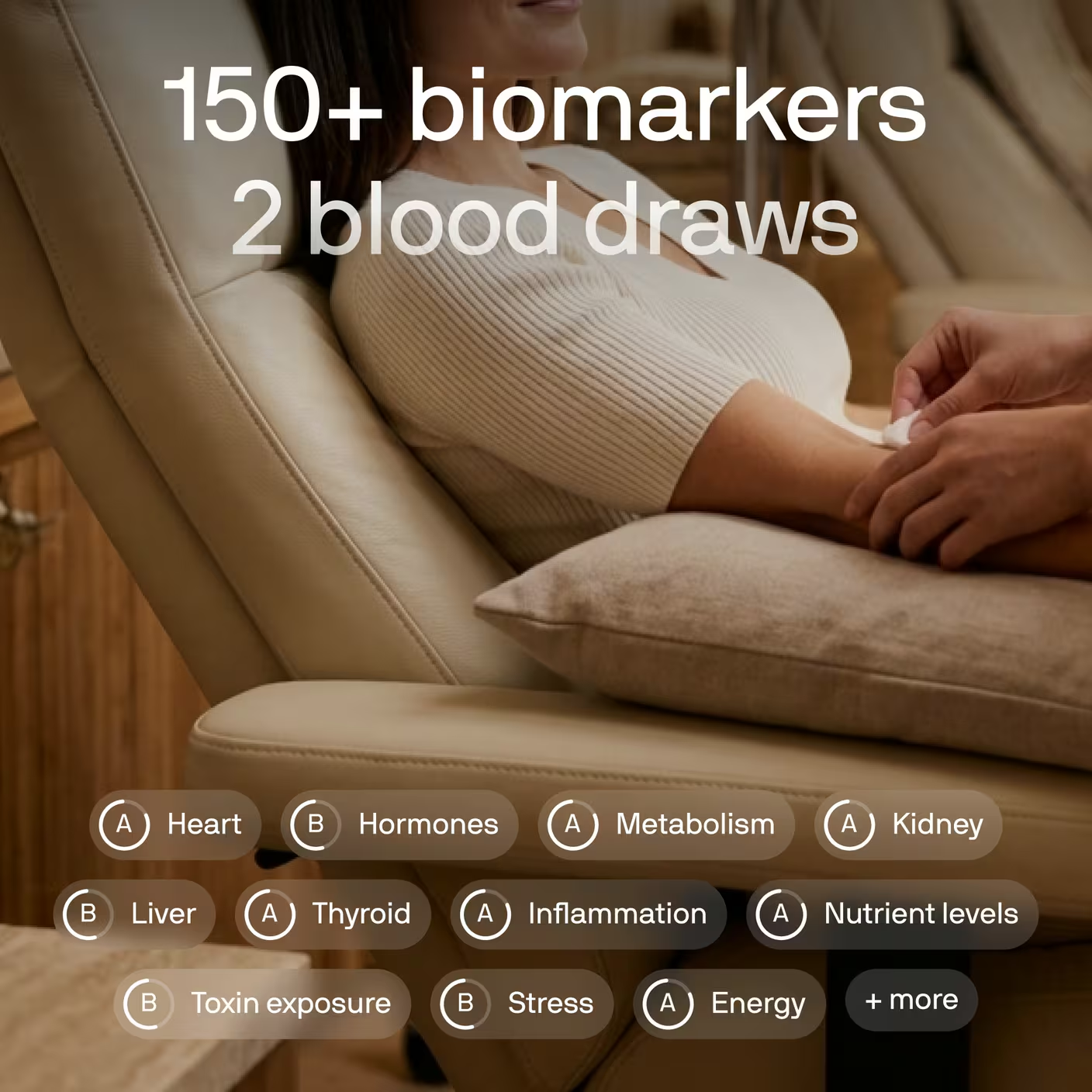
Test 100+ biomarkers
One blood draw. A full picture of your health, explained in plain language.
Test 100+ biomarkers
One blood draw. A full picture of your health, explained in plain language.
Why the same supplement works differently for different people
The same supplement can help one person and do nothing for another, because medications, diet, age, training load, and genetics each change what your body lacks. Plant-based diets raise the risk of both B12 and iron deficiency, and heavy training raises iron demand. The Methylation Panel can flag signs of functional B12 and folate deficiency.
Connecting supplements to biomarkers that reveal what you actually need
Testing first is an efficient way to find which energy supplements are likely to work. Guessing costs money and delays results. Here are the energy biomarkers to measure for each supplement category:
B vitamins and methylation
Test vitamin B12, folate, and homocysteine. Elevated homocysteine signals functional B12 or folate deficiency even when serum levels look normal.
Iron and oxygen delivery
Test ferritin, serum iron, TIBC, and iron saturation. Clinical guidelines often use ferritin cutoffs of 15 or 30 ng/mL to identify iron deficiency, yet most labs surveyed set lower limits for women well below 15 ng/mL, so a deficient result can still read as normal.
Magnesium and adrenal function
Serum magnesium is a limited marker, since most magnesium lives inside cells. But low serum levels still warrant attention. For adaptogens, morning cortisol and DHEA-S give a snapshot of adrenal output, but no test can confirm "adrenal fatigue," which isn't a recognized medical condition. A low morning cortisol alongside fatigue is worth reviewing with a clinician, who can check for adrenal insufficiency.
When fatigue needs a clinician
Fatigue that comes with warning signs needs prompt medical attention, and fatigue that sleep and nutrition don't relieve needs an appointment before any supplement.
Signs that need prompt attention
Contact your provider right away if you have any of the following:
- Confusion or dizziness
- Blurred vision
- Little or no urine output
- Recent swelling and weight gain
- Thoughts of harming yourself or of suicide
If you're having thoughts of harming yourself or of suicide, you can also call or text 988 to reach the 988 Suicide & Crisis Lifeline.
When to book an appointment
Book an appointment if you have unexplained weakness or fatigue, especially with a fever, unintentional weight loss, or regular sweats. The same goes for constipation, dry skin, weight gain, or cold intolerance; waking many times during the night; frequent headaches; medicines that may cause fatigue or drowsiness; feeling sad or depressed; or insomnia. A typical workup includes blood tests for anemia, diabetes, inflammatory diseases, and possible infection, plus kidney, liver, and thyroid function tests and a urinalysis.
A quality checklist for energy supplements
Supplements reach the shelf without FDA approval, so your own label check and a third-party seal are the main quality filters. Use this checklist before you buy:
- Remember that medicines must be approved by FDA before sale, but supplements do not require this approval, and FDA does not determine whether supplements are effective before they are marketed.
- Look for a seal from a third-party tester such as ConsumerLab.com, NSF International, or U.S. Pharmacopeia, which indicates the product was properly manufactured, contains the labeled ingredients, and does not contain harmful levels of contaminants.
- Read a seal as a quality signal only, since seals do not guarantee that a product is safe or effective.
- Keep in mind that there is no guarantee that what's on the label is really what's inside the bottle, which is why the seal matters.
Understand your energy markers with Superpower
Tiredness alone can't point to the right energy supplement, because fatigue has many causes, and even a lab result can mislead: a ferritin level inside the lab's normal range can still sit below the cutoffs used to identify iron deficiency. Adrenal fatigue isn't a recognized condition either, so a vague sense of being drained points to no single product.
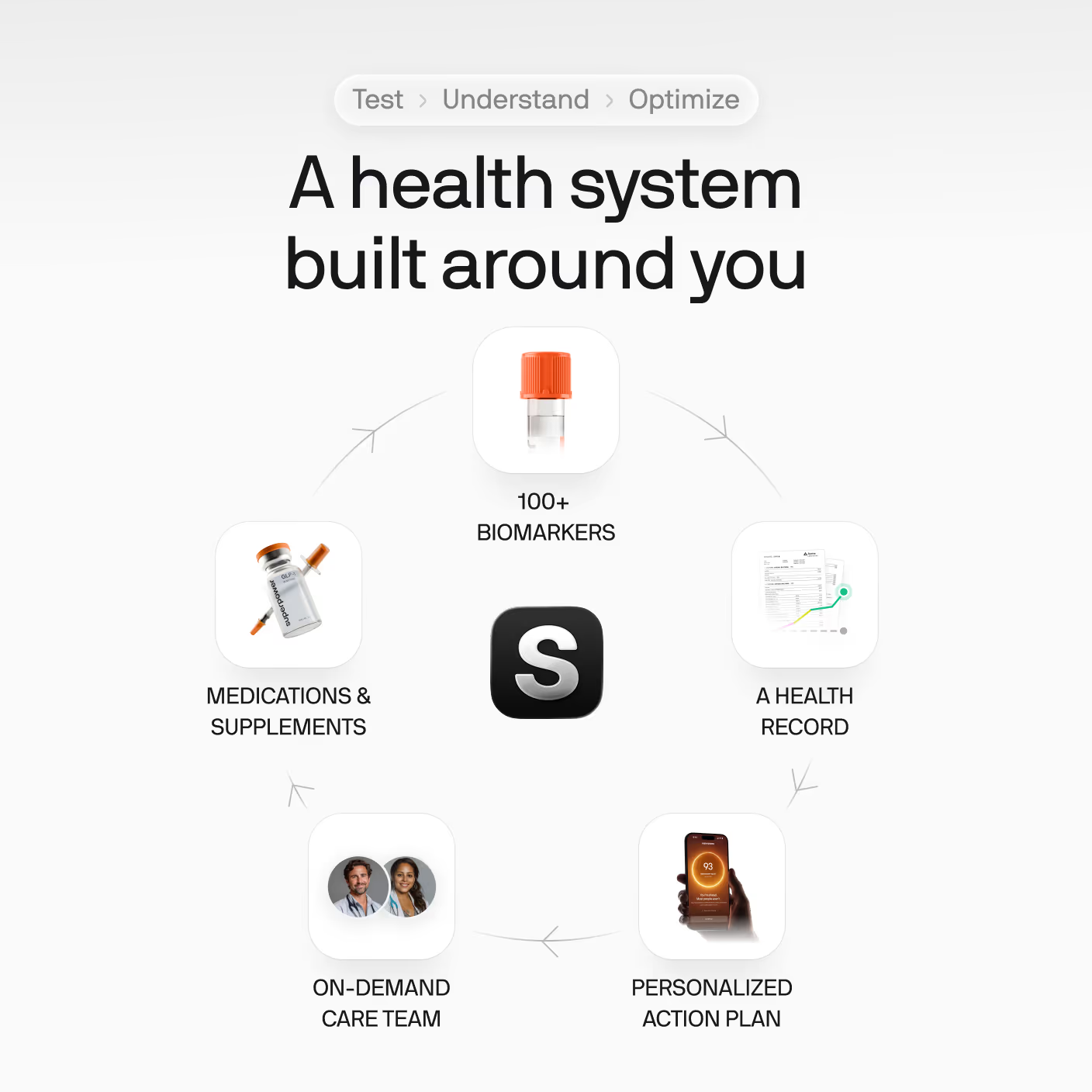
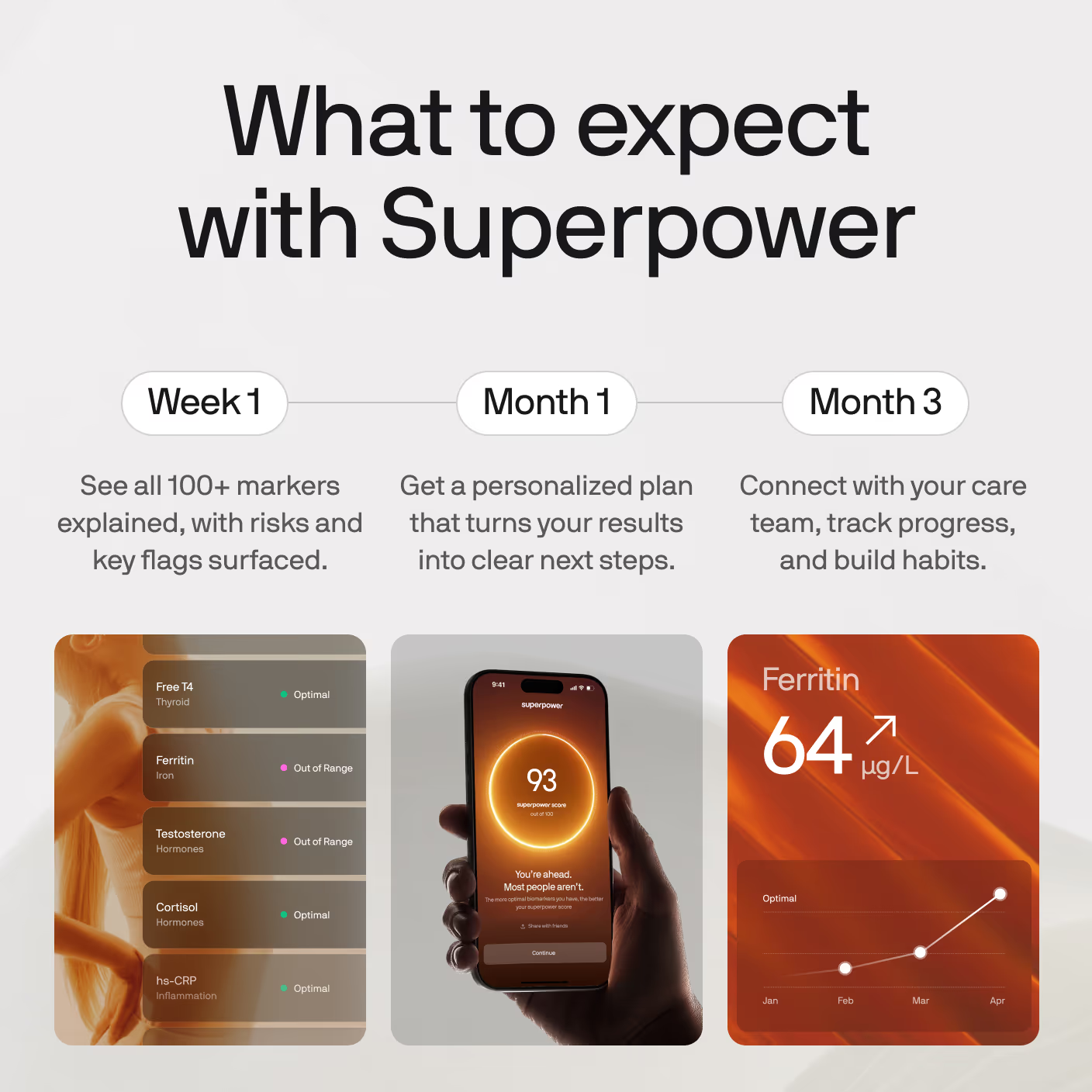
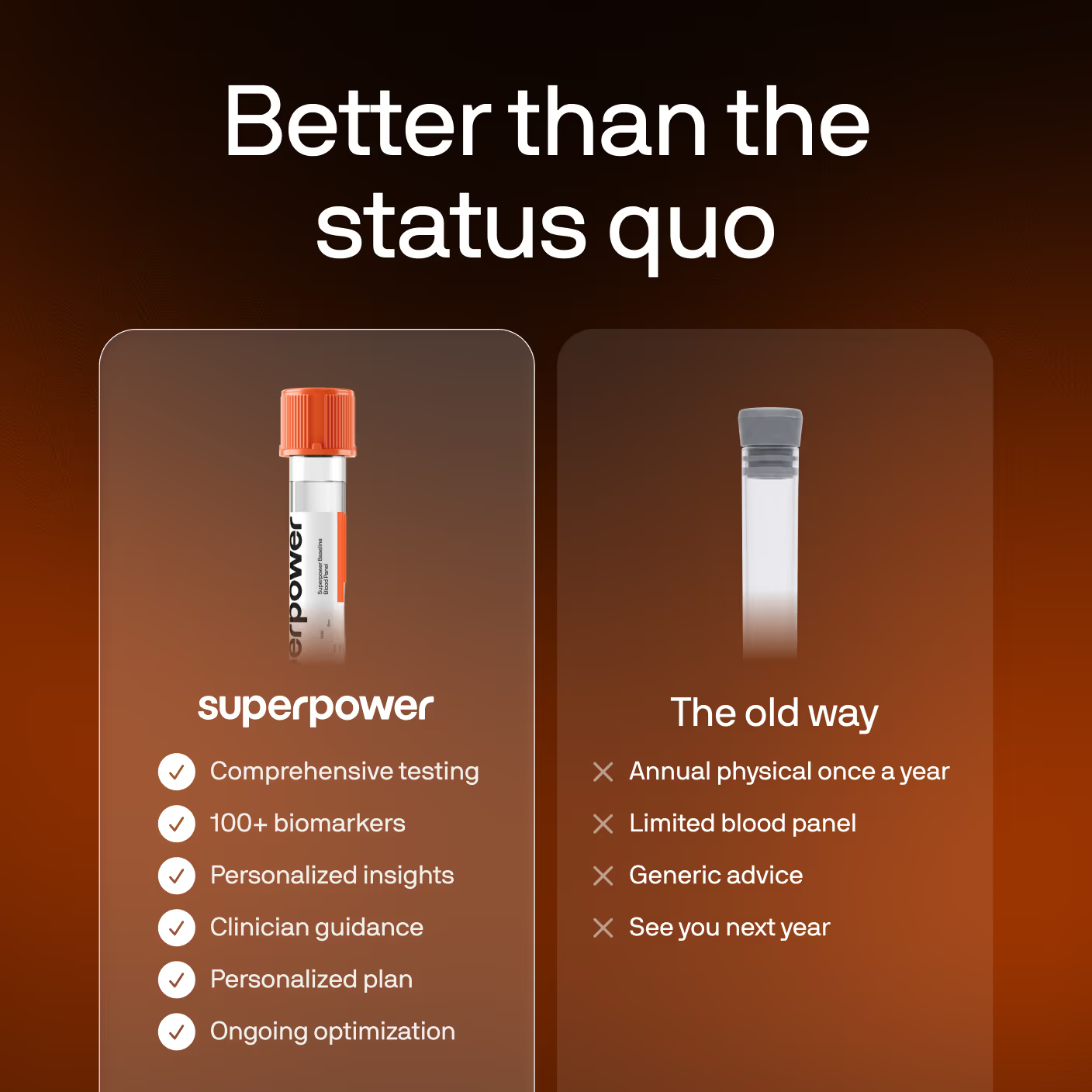
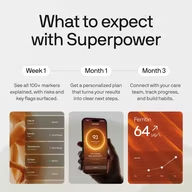
A Superpower membership includes 100+ biomarkers in a single draw, among them ferritin, serum iron, TIBC, iron saturation, vitamin B12, homocysteine, and cortisol, so you can see which of those is low before you buy anything. Your results feed a personalized protocol, so what you add matches the gap in your own blood, and supplements are up to 20% off in the marketplace.
Discover what your own health data says. Start your Superpower membership.
References
- Tardy AL, Pouteau E, Marquez D, Yilmaz C, Scholey A (2020). Vitamins and Minerals for Energy, Fatigue and Cognition: A Narrative Review of the Biochemical and Clinical Evidence. *Nutrients*, *12*(1). https://doi.org/10.3390/nu12010228
- Lee MC, Hsu YJ, Shen SY, Ho CS, Huang CC (2023). A functional evaluation of anti-fatigue and exercise performance improvement following vitamin B complex supplementation in healthy humans, a randomized double-blind trial. *International journal of medical sciences*, *20*(10), 1272-1281. https://doi.org/10.7150/ijms.86738
- Verdon F, Burnand B, Stubi CL, Bonard C, Graff M, Michaud A, Bischoff T, de Vevey M, Studer JP, Herzig L, Chapuis C, Tissot J, Pécoud A, Favrat B (2003). Iron supplementation for unexplained fatigue in non-anaemic women: double blind randomised placebo controlled trial. *BMJ (Clinical research ed.)*, *326*(7399), 1124. https://doi.org/10.1136/bmj.326.7399.1124
- Barcelos IP, Haas RH (2019). CoQ10 and Aging. *Biology*, *8*(2). https://doi.org/10.3390/biology8020028
- Liu X, Bao J, Yu Z, et al (2026). Effects of Coenzyme Q10 Supplementation on Muscle Health and Physical Capacity in Middle-Aged and Older Adults: A Systematic Review and Meta-Analysis of Randomized Controlled Trials. *Antioxidants (Basel)*, *15*(10). https://doi.org/10.3390/antiox15101219
- Langsjoen PH, Langsjoen AM (2003). The clinical use of HMG CoA-reductase inhibitors and the associated depletion of coenzyme Q10. A review of animal and human publications. *BioFactors (Oxford, England)*, *18*(1-4), 101-11. https://doi.org/10.1002/biof.5520180212
- Kapoor MP, Sugita M, Kawaguchi M, Timm D, Kawamura A, Abe A, Okubo T (2023). Influence of iron supplementation on fatigue, mood states and sweating profiles of healthy non-anemic athletes during a training exercise: A double-blind, randomized, placebo-controlled, parallel-group study. *Contemporary clinical trials communications*, *32*, 101084. https://doi.org/10.1016/j.conctc.2023.101084
- Tsai IC, Hsu CW, Chang CH, Tseng PT, Chang KV (2022). Effectiveness of Coenzyme Q10 Supplementation for Reducing Fatigue: A Systematic Review and Meta-Analysis of Randomized Controlled Trials. *Frontiers in pharmacology*, *13*, 883251. https://doi.org/10.3389/fphar.2022.883251
- Ishaque S, Shamseer L, Bukutu C, Vohra S (2012). Rhodiola rosea for physical and mental fatigue: a systematic review. *BMC complementary and alternative medicine*, *12*, 70. https://doi.org/10.1186/1472-6882-12-70
- Anghelescu IG, Edwards D, Seifritz E, Kasper S (2018). Stress management and the role of Rhodiola rosea: a review. *Int J Psychiatry Clin Pract*, *22*(4), 242–252. https://doi.org/10.1080/13651501.2017.1417442
- Lopresti AL, Smith SJ, Malvi H, Kodgule R (2019). An investigation into the stress-relieving and pharmacological actions of an ashwagandha (Withania somnifera) extract: A randomized, double-blind, placebo-controlled study. *Medicine*, *98*(37), e17186. https://doi.org/10.1097/MD.0000000000017186
- Edwards D, Heufelder A, Zimmermann A (2012). Therapeutic effects and safety of Rhodiola rosea extract WS® 1375 in subjects with life-stress symptoms--results of an open-label study. *Phytotherapy research : PTR*, *26*(8), 1220-5. https://doi.org/10.1002/ptr.3712
- Houston BL, Hurrie D, Graham J, et al (2018). Efficacy of iron supplementation on fatigue and physical capacity in non-anaemic iron-deficient adults: a systematic review of randomised controlled trials. *BMJ Open*, *8*(4), e019240. https://doi.org/10.1136/bmjopen-2017-019240
- Parker ML, Storm S, Sholzberg M, Yip PM, Beriault DR (2021). Revising Ferritin Lower Limits: It's Time to Raise the Bar on Iron Deficiency. *J Appl Lab Med*, *6*(3), 765–773. https://doi.org/10.1093/jalm/jfaa152
- MedlinePlus (2025). *Fatigue*. U.S. National Library of Medicine. https://medlineplus.gov/ency/article/003088.htm
- MedlinePlus (2025). *Iron deficiency anemia*. U.S. National Library of Medicine. https://medlineplus.gov/ency/article/000584.htm
- National Institutes of Health, Office of Dietary Supplements. (2026). *Magnesium: Fact sheet for health professionals*. https://ods.od.nih.gov/factsheets/Magnesium-HealthProfessional/
- National Institutes of Health, Office of Dietary Supplements. (2025). *Vitamin B12: Fact sheet for health professionals*. https://ods.od.nih.gov/factsheets/VitaminB12-HealthProfessional/
- National Institutes of Health, Office of Dietary Supplements. (2025). *Iron: Fact sheet for health professionals*. https://ods.od.nih.gov/factsheets/Iron-HealthProfessional/
- National Institutes of Health, Office of Dietary Supplements. (2022). *Folate: Fact sheet for health professionals*. https://ods.od.nih.gov/factsheets/Folate-HealthProfessional/
- Endocrine Society (2022). *Adrenal fatigue*. https://www.endocrine.org/patient-engagement/endocrine-library/adrenal-fatigue
- National Center for Complementary and Integrative Health. (n.d.). *Coenzyme Q10*. https://www.nccih.nih.gov/health/coenzyme-q10
- National Center for Complementary and Integrative Health. (n.d.). *Rhodiola*. https://www.nccih.nih.gov/health/rhodiola
- National Center for Complementary and Integrative Health. (n.d.). *Ashwagandha*. https://www.nccih.nih.gov/health/ashwagandha
- Chandrasekhar K, Kapoor J, Anishetty S (2012). A prospective, randomized double-blind, placebo-controlled study of safety and efficacy of a high-concentration full-spectrum extract of ashwagandha root in reducing stress and anxiety in adults. *Indian journal of psychological medicine*, *34*(3), 255-62. https://doi.org/10.4103/0253-7176.106022
- National Institutes of Health, Office of Dietary Supplements. (2023). *Iron: Fact sheet for consumers*. https://ods.od.nih.gov/factsheets/Iron-Consumer/
- Centers for Disease Control and Prevention. (2024). *About sleep*. https://www.cdc.gov/sleep/about/index.html
- U.S. Food and Drug Administration. (2024). *Spilling the beans: How much caffeine is too much?* https://www.fda.gov/consumers/consumer-updates/spilling-beans-how-much-caffeine-too-much
- National Institutes of Health, Office of Dietary Supplements. (2023). *Dietary supplements: What you need to know*. https://ods.od.nih.gov/factsheets/WYNTK-Consumer/
- Camfield DA, Stough C, Farrimond J, Scholey AB (2014). Acute effects of tea constituents L-theanine, caffeine, and epigallocatechin gallate on cognitive function and mood: a systematic review and meta-analysis. *Nutr Rev*, *72*(8), 507–22. https://doi.org/10.1111/nure.12120
- Giesbrecht T, Rycroft JA, Rowson MJ, De Bruin EA (2010). The combination of L-theanine and caffeine improves cognitive performance and increases subjective alertness. *Nutr Neurosci*, *13*(6), 283–90. https://doi.org/10.1179/147683010X12611460764840
- Substance Abuse and Mental Health Services Administration. (2025). *988 Suicide & Crisis Lifeline*. https://www.samhsa.gov/mental-health/988














 Heart & Vascular Health
 Metabolic Health
 Energy
 Liver Health
 Kidney
 Sex Hormones
 Thyroid Health
 Nutrients
 Immune System
 Inflammation