

Understand what your iron blood health results really mean
See your biomarkers in context with a comprehensive panel.
- CLIA-certified labs
- HIPAA compliant
- Personalized health protocol
Quick answer: Nucleated red blood cells (NRBCs) are immature red blood cells that retain their nucleus. In healthy adults, they are not present in circulating blood. Their appearance on a complete blood count is a signal that the bone marrow is under significant stress or that red blood cells are being destroyed faster than mature cells can replace them. A high NRBC count warrants evaluation by a clinician alongside other CBC parameters.
What NRBCs are and why they matter on a blood test
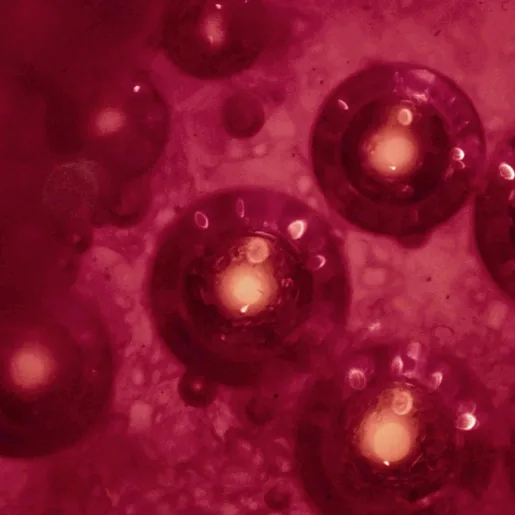
Normal red blood cells lose their nucleus before entering circulation. This final maturation step happens inside the bone marrow as part of erythropoiesis, the process by which red cells develop from stem cells. A nucleated red blood cell is one that has exited the marrow before this process is complete. In infants, some NRBCs in circulation is expected and normal. In adults, any NRBC count above zero is considered outside the reference range and is flagged on a CBC for clinical review.
The significance of elevated NRBCs depends heavily on context: the degree of elevation, accompanying CBC findings, clinical symptoms, and the overall clinical picture. A small number may accompany severe physiological stress; higher counts or counts in combination with other abnormal findings require more thorough investigation.
What causes elevated NRBCs in adults?
Severe anemia and bone marrow stress
When the bone marrow is under extreme demand to produce red blood cells rapidly, it may release immature cells into circulation before they have completed maturation. This occurs in severe hemolytic anemias (where red cells are destroyed prematurely), massive blood loss, and other states of intense erythropoietic stress. The marrow, under pressure to compensate for low circulating red cell mass, accelerates production and may push out cells that are not yet fully mature.
In this context, elevated NRBCs accompany low hemoglobin, elevated reticulocyte count, and other markers of high red cell turnover. The finding reflects the marrow's attempt to respond to a supply crisis, not a primary marrow abnormality.
Bone marrow infiltration or disruption
Conditions that disrupt normal bone marrow architecture can cause premature release of red cell precursors into circulation. This includes infiltration of the marrow by malignant cells (as in leukemia, lymphoma, or metastatic cancer), myelofibrosis (replacement of normal marrow with fibrous tissue), and certain storage disorders. When the marrow's structural organization is disrupted, the normal gating mechanism that holds immature cells until they complete maturation breaks down.
In these cases, NRBCs often appear alongside other immature cells in the peripheral blood, a pattern called leukoerythroblastic reaction. This pattern typically prompts bone marrow evaluation as part of further workup.
Severe systemic illness and hypoxia
NRBCs are sometimes detected in critically ill patients without primary marrow disease. Severe sepsis, multi-organ failure, and hypoxic states can release stress signals that override normal maturation checkpoints in the marrow. Studies in critical care settings have found that elevated NRBCs are associated with worse clinical outcomes in ICU patients, not because NRBCs themselves cause harm, but because their presence reflects the severity of the underlying physiological stress.
Chronic hypoxia from pulmonary disease, severe heart failure, or high-altitude exposure can similarly stimulate excessive erythropoietin production, driving rapid red cell production that may include premature release of NRBCs.
Asplenia or splenic dysfunction
The spleen normally filters immature and abnormal red blood cells from circulation, including NRBCs. After splenectomy (surgical removal of the spleen) or in functional asplenia (where the spleen is present but dysfunctional, as in sickle cell disease), this filtering function is lost. NRBCs that would ordinarily be removed remain in circulation, producing a persistent low-level elevation that in this context carries different clinical significance than an acute elevation in a patient with a functional spleen.
Post-splenectomy NRBCs are expected and do not indicate bone marrow pathology on their own. The clinical context makes the interpretation entirely different.
Newborns and the expected exception
Elevated NRBCs in newborns, particularly in the first 24 to 48 hours of life, are physiologically normal. Neonatal blood has a higher proportion of fetal hemoglobin and a higher red cell turnover rate. NRBC counts fall rapidly in the first week of life. Elevated NRBCs persisting beyond this period in a neonate, or unexpectedly high counts at birth, may indicate perinatal hypoxia, infection, or hemolytic disease and are evaluated accordingly.
How NRBCs are reported and interpreted
When automated CBC analyzers detect NRBCs, results are reported as NRBCs per 100 white blood cells (NRBCs/100 WBC). Because NRBCs are counted by automated analyzers as white blood cells, the WBC count is corrected downward when NRBCs are present to avoid artificially inflating the white cell count.
A single elevated NRBC count is not a diagnosis. It is a finding that prompts evaluation of the full clinical picture: the degree of elevation, what other CBC parameters show, and what symptoms the patient is experiencing. Reference ranges vary by laboratory; any NRBC count above zero in an adult is typically flagged for review.
Test 150+ biomarkers
Two blood draws. A full picture of your health, explained in plain language.
Test 150+ biomarkers
Two blood draws. A full picture of your health, explained in plain language.
Which biomarkers are worth assessing alongside elevated NRBCs?
- Hemoglobin + hematocrit — Degree of anemia; assesses oxygen-carrying capacity
- MCV — red cell size; helps distinguish types of anemia
- RBC count — total circulating red cells
- Reticulocyte count — Immature but mature-ish red cells; elevated in active bone marrow response to anemia, assessed through a CBC with reticulocytes via provider request
- Ferritin — iron stores; distinguishes iron-deficiency anemia from other causes
- Vitamin B12 — B12 deficiency produces macrocytic anemia and can stress red cell production
- WBC with differential — White cell count and breakdown; abnormal patterns alongside NRBCs suggest marrow pathology, assessed through a CBC with differential
- hs-CRP — systemic inflammation; elevated in severe illness and sepsis contexts
Superpower's Baseline Blood Panel includes a comprehensive CBC with hemoglobin, MCV, RBC, WBC with differential, and ferritin. These markers together provide the foundation for contextualizing any NRBC finding.
When elevated NRBCs require prompt evaluation
Any NRBC elevation in an adult should be communicated to a healthcare provider for interpretation in context. Prompt evaluation is particularly important when NRBCs are accompanied by other abnormal CBC findings such as very low hemoglobin, abnormal white cell counts or morphology, or thrombocytopenia (low platelets). The combination of these findings, sometimes called a leukoerythroblastic picture, typically warrants more detailed investigation including possible peripheral blood smear review and, in some cases, bone marrow evaluation.
Isolated mild NRBC elevation in the setting of a known cause (such as post-splenectomy status or a recent major physiological stressor) may not require urgent action, but should still be reviewed with a clinician who can interpret it within the complete clinical picture.
This article is for informational purposes only and does not constitute medical advice. Always consult a qualified healthcare provider before making changes to your health routine. Superpower offers blood panels that include the biomarkers discussed in this article. Links to individual tests are provided for informational context.
Frequently Asked Questions
References
- Corrons JLV, Casafont LB, Frasnedo EF (2021). Concise review: how do red blood cells born, live, and die?. *Annals of hematology*, *100*(10), 2425-2433. https://doi.org/10.1007/s00277-021-04575-z
- Lee AC (2021). Leukoerythroblastic reaction: Physiologic causes. *International journal of laboratory hematology*, *43*(4), O181-O182. https://doi.org/10.1111/ijlh.13495
- Monteiro Júnior JG, Torres, D. d. e. O., da Silva MC, Ramos TM, Alves ML, Nunes Filho WJ, Damasceno EP, Brunet AF, Bittencourt MS, Pedrosa RP, Sobral Filho DC (2015). Nucleated Red Blood Cells as Predictors of All-Cause Mortality in Cardiac Intensive Care Unit Patients: A Prospective Cohort Study. *PloS one*, *10*(12), e0144259. https://doi.org/10.1371/journal.pone.0144259
- Yi SL, Buicko Lopez JL (2024). *Splenectomy*. StatPearls Publishing. https://www.ncbi.nlm.nih.gov/books/NBK560824/
- Pikora K, Krętowska-Grunwald A, Krawczuk-Rybak M, Sawicka-Żukowska M (2023). Diagnostic Value and Prognostic Significance of Nucleated Red Blood Cells (NRBCs) in Selected Medical Conditions. *Cells*, *12*(14). https://doi.org/10.3390/cells12141817
- Shah R, Reddy S, Horst HM, Stassinopoulos J, Jordan J, Rubinfeld I (2012). Getting back to zero with nucleated red blood cells: following trends is not necessarily a bad thing. *American journal of surgery*, *203*(3), 343-5; discussion 345-6. https://doi.org/10.1016/j.amjsurg.2011.10.002

























 Heart & Vascular Health
 Metabolic Health
 Energy
 Liver Health
 Kidney
 Sex Hormones
 Thyroid Health
 Nutrients
 Immune System
 Inflammation