

Check your blood sugar, calcium, and sodium
Glucose, hemoglobin A1c, hemoglobin, calcium, sodium, and creatinine, measured in one draw
- CLIA-certified labs
- HIPAA compliant
- Personalized health protocol
Why thirst and fatigue often show up together
Feeling thirsty and tired all the time often comes from dehydration or high blood sugar, since both leave the body short of fluid. High blood sugar also sends more fluid out through your urine, while glucose-starved cells run short of energy.
Even mild dehydration raised fatigue in trials of healthy young women and young men. Waking at night to urinate also disturbs sleep. Polydipsia, the medical term for excessive thirst, can arrive with fatigue when high blood sugar drives both.
How high blood sugar drives thirst and fatigue
High blood sugar leaves you thirsty by sending more water out in the urine, and tired by keeping glucose from reaching your cells. In diabetes mellitus, glucose draws water into the urine, often at night, and cells left without glucose lack the energy they need.
Diabetic thirst often comes with feeling very hungry even after eating, sores that do not heal, and frequent infections. Type 1 symptoms usually develop over days or weeks. Type 2 symptoms can take years, or never appear. Neither type explains every case of constant thirst and tiredness.
Other causes of constant thirst and tiredness
You can be thirsty and tired without diabetes, since other conditions, medicines, and life stages can drain fluid or energy.
- Dehydration: sweating, fever, vomiting, or diarrhea can drain fluid fast.
- Diabetes insipidus: a rare hormone or kidney problem, unrelated to diabetes mellitus, can pass up to 20 quarts of urine a day and bring intense thirst. Its current names are arginine vasopressin deficiency and arginine vasopressin resistance.
- High blood calcium: can raise thirst and urination and bring tiredness, though most people with it have no symptoms.
- Heavy bleeding: bleeding that cuts blood volume can cause thirst, and the resulting anemia can bring tiredness.
- Medicines: diuretics (water pills) and anticholinergic drugs (which block the nerve chemical acetylcholine) can cause excessive thirst.
- Gestational diabetes: can bring increased thirst and tiredness, though most cases cause no symptoms and both are common in pregnancy.
For some of these causes, more water does not settle the thirst.
What to do when water does not quench your thirst
Thirst that water does not settle may come from a dry mouth or an underlying cause. Thirst from everyday fluid loss usually settles with water or a sports drink with electrolytes.
A sticky, dry mouth from low saliva can feel like thirst. Many medicines cause dry mouth, including those for high blood pressure, depression, and bladder control. Sjögren's disease, an autoimmune condition, dries the mouth and eyes, and many people with it report fatigue. Ongoing, unexplained thirst is worth raising with a provider, who often starts with blood and urine tests.
Blood and urine tests for thirst and fatigue causes
A few blood and urine tests check the common causes of constant thirst and fatigue, from blood sugar to kidney function.
| Test | What it measures | Cause it can point to |
|---|---|---|
| Fasting glucose and hemoglobin A1c (HbA1c) | Blood sugar after a fast; average blood sugar over about 3 months | Diabetes or prediabetes |
| Complete blood count (CBC) | Red blood cells and hemoglobin | Anemia or blood loss |
| Calcium | Calcium in the blood | High blood calcium |
| Sodium and serum osmolality | How concentrated the blood is | Dehydration or diabetes insipidus |
| Kidney function (creatinine, estimated glomerular filtration rate or eGFR) | How well the kidneys filter | Kidney disease |
| Urinalysis | How dilute or concentrated urine is | Diabetes insipidus |
Diabetes insipidus leaves blood glucose in the normal range, so a normal glucose does not rule it out. A fasting glucose captures one morning's level, while HbA1c reflects about 3 months of blood sugar. Some symptoms, though, need care before any routine test.
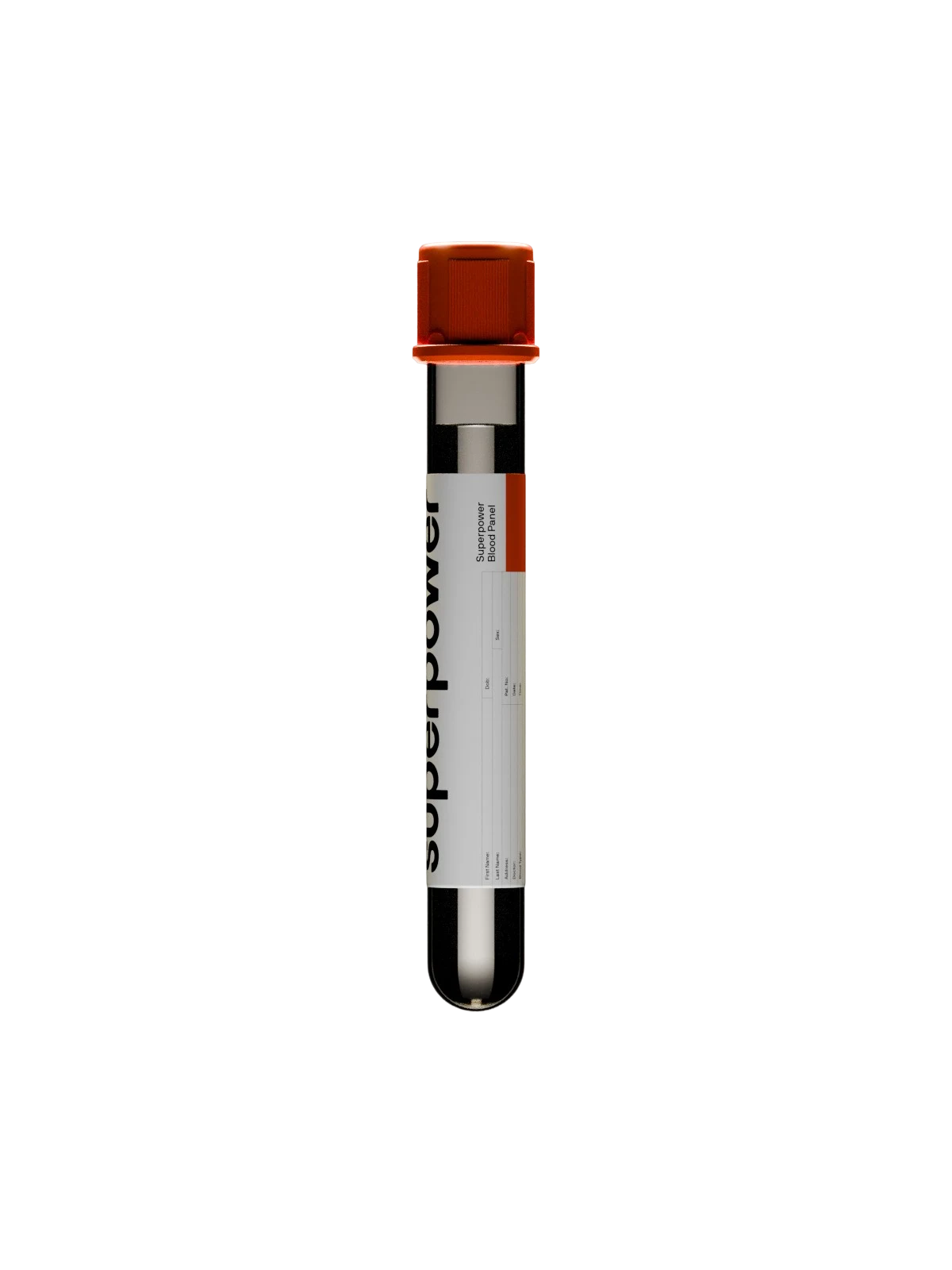
Get 100+ biomarkers tested in-lab or at home
One blood draw a year. A full picture of your health, explained in plain language.
Get 100+ biomarkers tested in-lab or at home
One blood draw a year. A full picture of your health, explained in plain language.
Warning signs of thirst and fatigue that need care
Thirst and fatigue need prompt care alongside signs of severe dehydration or diabetic ketoacidosis (DKA), a high-blood-sugar emergency.
- Blurred vision or weight loss you cannot explain
- Nausea, vomiting, or belly pain
- Deep, fast breathing or fruity-smelling breath
- Confusion or a change in alertness
- Dizziness, very dark urine, or passing little to no urine
DKA can develop over hours to a few days, so its signs need emergency care that day. Without these signs, lasting thirst and fatigue warrant checking more blood markers.
Check the markers behind thirst and fatigue with Superpower
When thirst and tiredness outlast a normal glucose check, a comprehensive blood test with markers like calcium, sodium, hemoglobin, and creatinine widens the search. A Superpower membership includes 100+ biomarkers in a single draw, among them glucose, hemoglobin A1c, hemoglobin, calcium, sodium, and creatinine. Superpower is your home for health, adding a personalized protocol, plus AI and care team support to help improve those results.
Your symptoms deserve a closer look. Start your Superpower membership and get your baseline in one draw.
References
- Diabetes UK. Diabetes symptoms. Reviewed June 22, 2026. Accessed October 17, 2026.
- Armstrong LE, Ganio MS, Casa DJ, et al. Mild dehydration affects mood in healthy young women. *J Nutr*. 2012;142(2):382-388. doi:10.3945/jn.111.142000
- Ganio MS, Armstrong LE, Casa DJ, et al. Mild dehydration impairs cognitive performance and mood of men. *Br J Nutr*. 2011;106(10):1535-1543. doi:10.1017/S0007114511002005
- Ancoli-Israel S, Bliwise DL, Nørgaard JP. The effect of nocturia on sleep. *Sleep Med Rev*. 2011;15(2):91-97. doi:10.1016/j.smrv.2010.03.002
- MedlinePlus Medical Encyclopedia. Thirst - excessive. Reviewed January 1, 2025. Accessed October 17, 2026.
- Umpierrez GE, Davis GM, ElSayed NA, et al. Hyperglycaemic crises in adults with diabetes: a consensus report. *Diabetologia*. 2024;67(8):1455-1479. doi:10.1007/s00125-024-06183-8
- National Institute of Diabetes and Digestive and Kidney Diseases. Symptoms & causes of diabetes. Reviewed October 2024. Accessed October 17, 2026.
- MedlinePlus Medical Encyclopedia. Dehydration. Reviewed July 1, 2025. Accessed October 17, 2026.
- National Institute of Diabetes and Digestive and Kidney Diseases. Diabetes insipidus. Reviewed September 2021. Accessed October 17, 2026.
- Newell-Price J, Drummond JB, Gurnell M, et al. Approach to the patient with suspected hypotonic polyuria. *J Clin Endocrinol Metab*. 2025;110(2):e506-e514. doi:10.1210/clinem/dgae565
- MedlinePlus Medical Encyclopedia. Hypercalcemia. Reviewed January 25, 2026. Accessed October 17, 2026.
- National Heart, Lung, and Blood Institute. Anemia: symptoms. Updated March 24, 2022. Accessed October 17, 2026.
- NHS. Gestational diabetes. Reviewed December 8, 2022. Accessed October 17, 2026.
- National Institute of Dental and Craniofacial Research. Dry mouth. Reviewed October 2024. Accessed October 17, 2026.
- National Institute of Arthritis and Musculoskeletal and Skin Diseases. Sjögren's disease. Reviewed June 2024. Accessed October 17, 2026.
- National Institute of Diabetes and Digestive and Kidney Diseases. Diabetes tests & diagnosis. Reviewed July 2022. Accessed October 17, 2026.
- National Institute of Diabetes and Digestive and Kidney Diseases. What is chronic kidney disease in adults? Reviewed February 2025. Accessed October 17, 2026.




























 Heart & Vascular Health
 Metabolic Health
 Energy
 Liver Health
 Kidney
 Sex Hormones
 Thyroid Health
 Nutrients
 Immune System
 Inflammation