
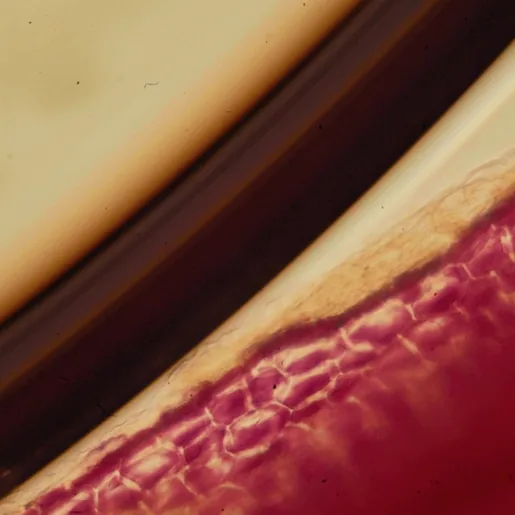

Check the blood markers linked to fatigue
Ferritin, iron, TSH, vitamin D, and hemoglobin A1c, measured from one blood draw
- CLIA-certified labs
- HIPAA compliant
- Personalized health protocol
What blood work for fatigue checks
Blood work for fatigue checks for conditions that can drain energy, such as anemia, low iron, thyroid disease, diabetes, inflammation, kidney disease, and liver disease. A typical work-up pairs blood tests for anemia, diabetes, and infection with kidney, liver, and thyroid function tests.
Sleep disorders, depression, and stress are the most common causes of persistent fatigue, and none shows up in blood. Anemia turns up in just 2.8% of primary care patients reporting tiredness. No blood test identifies chronic fatigue syndrome (ME/CFS), recognized after 6 months of symptoms once other causes are ruled out.
The core blood tests for fatigue
The core blood tests for fatigue are routine tests, each matched to a common, measurable cause of tiredness. Alongside a history and physical exam, simple blood tests are usually enough.
| Test | What it measures | What an out-of-range result can point to |
|---|---|---|
| Complete blood count (CBC) | Red cells, white cells, platelets, and hemoglobin | Anemia or infection |
| Ferritin and iron studies | Stored and circulating iron | Iron deficiency, with or without anemia |
| Thyroid-stimulating hormone (TSH) with free T4 | Thyroid function | An underactive thyroid, which commonly brings fatigue |
| Vitamin B12 | Vitamin B12 level | A deficiency that can leave people tired and weak |
| Vitamin D (25-hydroxyvitamin D) | Vitamin D level | A deficiency linked to muscle weakness and bone problems |
| Comprehensive metabolic panel (CMP) | Glucose, electrolytes, and kidney and liver markers | High blood sugar, or a kidney or liver problem |
| Hemoglobin A1c (HbA1c) | Average blood sugar over the past 2 to 3 months | Diabetes |
| C-reactive protein (CRP) | Inflammation in the body | Infection or an autoimmune disorder, though CRP does not show the cause |
Other symptoms alongside the tiredness can call for tests beyond this core set.
Add-on tests that depend on your symptoms
Add-on tests for fatigue come in when other symptoms point to a specific gland or nutrient.
- Weight loss and weakness: fatigue with weight loss, muscle weakness, or belly pain can signal too little cortisol, which a cortisol test checks.
- Signs of low testosterone in men: total testosterone comes first, with free testosterone added when the total sits near the lower limit.
- Heavy periods: heavy bleeding can deplete iron stores. In menstruating women with low ferritin but no anemia, raising iron stores eased fatigue more than a placebo did.
Several of these tests depend on when and how blood is drawn.
How to prepare for fatigue blood work
Preparing for fatigue blood work means fasting before metabolic tests and scheduling an early-morning draw for hormone tests.
A comprehensive metabolic panel may need several hours of fasting. Cortisol is usually drawn in the morning, when levels peak, and again around 4:00 p.m. Testosterone needs a fasting morning sample, and a repeat morning measurement confirms a low result.
The same preparation applies whether a clinician arranges the tests or you do. A list of current medicines helps too, since some cause fatigue on their own.
Signs it is time to test your fatigue
Fatigue is worth a blood test when tiredness does not lift with rest or comes with other changes.
Some combinations call for immediate medical attention ahead of any blood test: fatigue with chest, arm, or upper-back pain; shortness of breath; an irregular heartbeat; or thoughts of self-harm.
Otherwise, ask about fatigue blood work when tiredness is:
- Lasting a few weeks with no clear reason
- Not lifting with enough sleep or rest
- Making work or daily tasks hard
- Arriving with weight loss, mood changes, or the cold intolerance and thinning hair of an underactive thyroid, though those symptoms alone do not confirm one
Results can still come back inside every reference range.
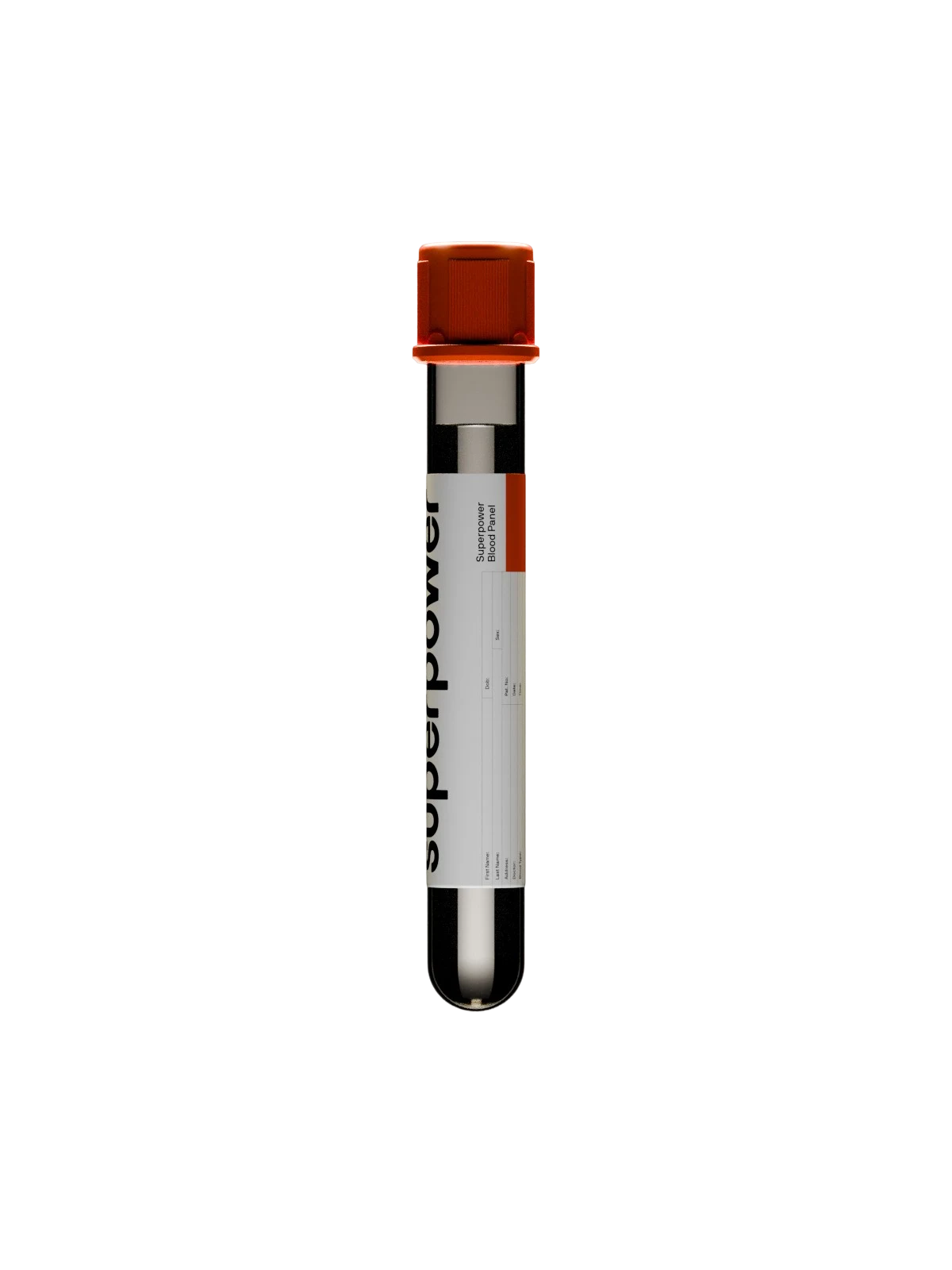
Get 100+ biomarkers tested in-lab or at home
One blood draw a year. A full picture of your health, explained in plain language.
Get 100+ biomarkers tested in-lab or at home
One blood draw a year. A full picture of your health, explained in plain language.
Why normal labs do not always explain fatigue
Most blood work for unexplained fatigue finds no illness to explain it, since many causes leave no trace in blood. Among Dutch general-practice patients with new, unexplained fatigue, only 8% had an illness that blood tests could detect within 1 year.
A routine work-up can also skip ferritin. In UK primary care, ferritin was requested in 9.4% of tiredness work-ups, yet came back out of range in 26% of people tested.
Most reference ranges are built from population data, so "normal" describes where most people fall. An in-range result can still be a shift from your own baseline. The ferritin cutoff a lab or clinician uses also changes how many people count as iron deficient. Repeat results across several markers show where your own baseline sits.
Understand your fatigue markers with Superpower
If earlier blood work for fatigue came back normal, a comprehensive blood test with a fuller set of your own markers puts that result in perspective. A Superpower membership includes 100+ biomarkers in a single draw, among them ferritin, iron, TSH, vitamin D, hemoglobin A1c, cortisol, and total testosterone. Superpower is your home for health, measuring these markers and helping you improve them with a personalized protocol, plus AI and care team support.
Discover what your own health data says. Start your Superpower membership.
References
- MedlinePlus. Fatigue. National Library of Medicine. Accessed October 17, 2026. https://medlineplus.gov/ency/article/003088.htm
- Maisel P, Baum E, Donner-Banzhoff N. Fatigue as the chief complaint: epidemiology, causes, diagnosis, and treatment. *Dtsch Arztebl Int*. 2021;118(33-34):566-576. https://doi.org/10.3238/arztebl.m2021.0192
- Stadje R, Dornieden K, Baum E, et al. The differential diagnosis of tiredness: a systematic review. *BMC Fam Pract*. 2016;17(1):147. https://doi.org/10.1186/s12875-016-0545-5
- MedlinePlus. Complete blood count (CBC). National Library of Medicine. Accessed October 17, 2026. https://medlineplus.gov/lab-tests/complete-blood-count-cbc/
- MedlinePlus. Ferritin blood test. National Library of Medicine. Accessed October 17, 2026. https://medlineplus.gov/lab-tests/ferritin-blood-test/
- National Institute of Diabetes and Digestive and Kidney Diseases. Hypothyroidism (underactive thyroid). National Institutes of Health. Accessed October 17, 2026. https://www.niddk.nih.gov/health-information/endocrine-diseases/hypothyroidism
- Office of Dietary Supplements. Vitamin B12: fact sheet for consumers. National Institutes of Health. Accessed October 17, 2026. https://ods.od.nih.gov/factsheets/VitaminB12-Consumer/
- MedlinePlus. Vitamin D test. National Library of Medicine. Accessed October 17, 2026. https://medlineplus.gov/lab-tests/vitamin-d-test/
- MedlinePlus. Comprehensive metabolic panel (CMP). National Library of Medicine. Accessed October 17, 2026. https://medlineplus.gov/lab-tests/comprehensive-metabolic-panel-cmp/
- MedlinePlus. Hemoglobin A1C (HbA1c) test. National Library of Medicine. Accessed October 17, 2026. https://medlineplus.gov/lab-tests/hemoglobin-a1c-hba1c-test/
- MedlinePlus. C-reactive protein (CRP) test. National Library of Medicine. Accessed October 17, 2026. https://medlineplus.gov/lab-tests/c-reactive-protein-crp-test/
- MedlinePlus. Cortisol test. National Library of Medicine. Accessed October 17, 2026. https://medlineplus.gov/lab-tests/cortisol-test/
- Vaucher P, Druais PL, Waldvogel S, Favrat B. Effect of iron supplementation on fatigue in nonanemic menstruating women with low ferritin: a randomized controlled trial. *CMAJ*. 2012;184(11):1247-1254. https://doi.org/10.1503/cmaj.110950
- Bhasin S, Brito JP, Cunningham GR, et al. Testosterone therapy in men with hypogonadism: an Endocrine Society clinical practice guideline. *J Clin Endocrinol Metab*. 2018;103(5):1715-1744. https://doi.org/10.1210/jc.2018-00229
- Cleveland Clinic. Fatigue: causes and treatment. Accessed October 17, 2026. https://my.clevelandclinic.org/health/symptoms/21206-fatigue
- NHS. Tiredness and fatigue. Accessed October 17, 2026. https://www.nhs.uk/symptoms/tiredness-and-fatigue/
- Koch H, van Bokhoven MA, ter Riet G, et al. Ordering blood tests for patients with unexplained fatigue in general practice: what does it yield? Results of the VAMPIRE trial. *Br J Gen Pract*. 2009;59(561):e93-e100. https://doi.org/10.3399/bjgp09X420310
- Handjiev S, Nobes J, Murphy MJ. 'Tired all the time': what general practitioners request and find in patients with tiredness/fatigue - an audit against NICE clinical knowledge summary of tiredness/fatigue in adults. *Ann Clin Biochem*. 2025;62(5):416-419. https://doi.org/10.1177/00045632251329175
- Coskun A, Sandberg S, Unsal I, Serteser M, Aarsand AK. Personalized reference intervals: from theory to practice. *Crit Rev Clin Lab Sci*. 2022;59(7):501-516. https://doi.org/10.1080/10408363.2022.2070905
- Jäger L, Rachamin Y, Senn O, Burgstaller JM, Rosemann T, Markun S. Ferritin cutoffs and diagnosis of iron deficiency in primary care. *JAMA Netw Open*. 2024;7(8):e2425692. https://doi.org/10.1001/jamanetworkopen.2024.25692




























 Heart & Vascular Health
 Metabolic Health
 Energy
 Liver Health
 Kidney
 Sex Hormones
 Thyroid Health
 Nutrients
 Immune System
 Inflammation