Test details
- Sample type:
- Single blood draw (blood only)
- Location:
- In-person at local lab / At-home phlebotomist visit (+$119)
- Availability:
- Available in 40 states
- Turnaround:
- Results processed within 10 days
- Preparation:
- Fast for 10-12 hours before your draw (water is fine)
About the Cholesterol Damage test
Not all LDL cholesterol is equally dangerous. When LDL particles become oxidized, they trigger inflammation in your artery walls. This chain reaction leads to plaque buildup, narrowing, and eventually cardiovascular events like heart attack or stroke. Standard cholesterol tests measure how much LDL you have. This test measures oxidized LDL, the fraction associated with arterial damage. That distinction matters because the same LDL number can hide very different levels of oxidized LDL. The Cholesterol Damage test reports your oxidized LDL from a single blood draw, with results within 10 days.
How cholesterol becomes damaging
Oxidized LDL is LDL that has been damaged by free radicals. Once oxidized, these particles are absorbed by immune cells in your artery walls, forming foam cells that become the foundation of arterial plaque. This process is accelerated by inflammation, metabolic dysfunction, and certain dietary factors. As foam cells embed in the arterial wall, they trigger chronic inflammation, and over time this contributes to atherosclerotic plaque, a process associated with most heart attacks and strokes. Research has associated elevated OxLDL levels with coronary artery disease, acute myocardial infarction, and early-stage atherosclerosis, including in individuals whose total LDL appears within the normal range. This is why oxidized LDL is considered an independent marker of atherosclerotic activity rather than a restatement of your total cholesterol.
What your standard lipid panel doesn't show
A standard lipid panel reports your total cholesterol, LDL, HDL, and triglycerides. It does not report how much of that LDL has been oxidized. Two people can have an identical LDL number and meaningfully different levels of oxidized LDL, and therefore very different levels of actual cardiovascular risk. That gap matters because it is the oxidized fraction, not total LDL volume, that appears to drive the arterial inflammation process linked to cardiovascular events. The Cholesterol Damage test adds a layer of information that a standard lipid panel cannot provide.
Who benefits from testing
- You have borderline or elevated cholesterol and want to know whether your LDL is associated with arterial damage
- You have a history of inflammation, metabolic issues, or oxidative stress
- Your standard cholesterol panel looks "fine" but you want a clearer picture of what's happening inside your blood vessels
- You have a family history of early heart disease and want a more complete cardiovascular risk picture
- You have an existing cardiovascular risk marker (elevated Lp(a), high blood pressure, or type 2 diabetes) and want additional data on arterial inflammation
- You track your lipid panel annually and want to add a measure of cholesterol quality, not just quantity
What you will learn
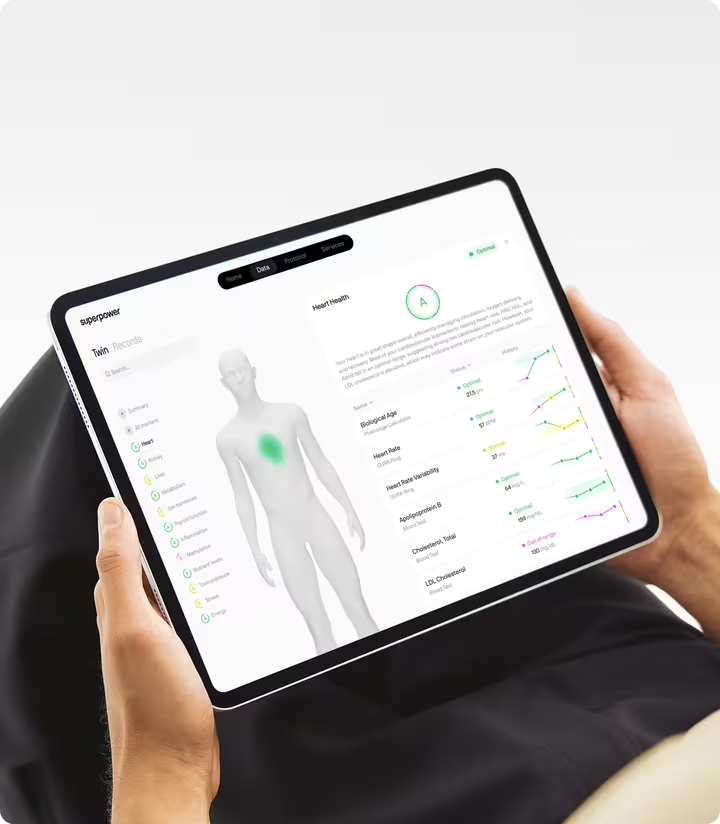
This test measures oxidized LDL, the form of cholesterol associated with active arterial damage, not whether your cholesterol could theoretically cause problems someday. If your oxidized LDL is elevated, the conversation shifts from "your cholesterol is a little high" to a more specific picture of what is happening inside your blood vessels. Your Superpower care team can help put the result in context alongside your other cardiovascular markers. The result is information that informs a conversation with your provider, not a prescription.
How it works
- Order online, with no doctor's visit required
- Schedule a blood draw at a local clinic, or book an optional at-home phlebotomist (+$119)
- Fast for 10-12 hours before your draw (water is fine)
- Results are processed within 10 days
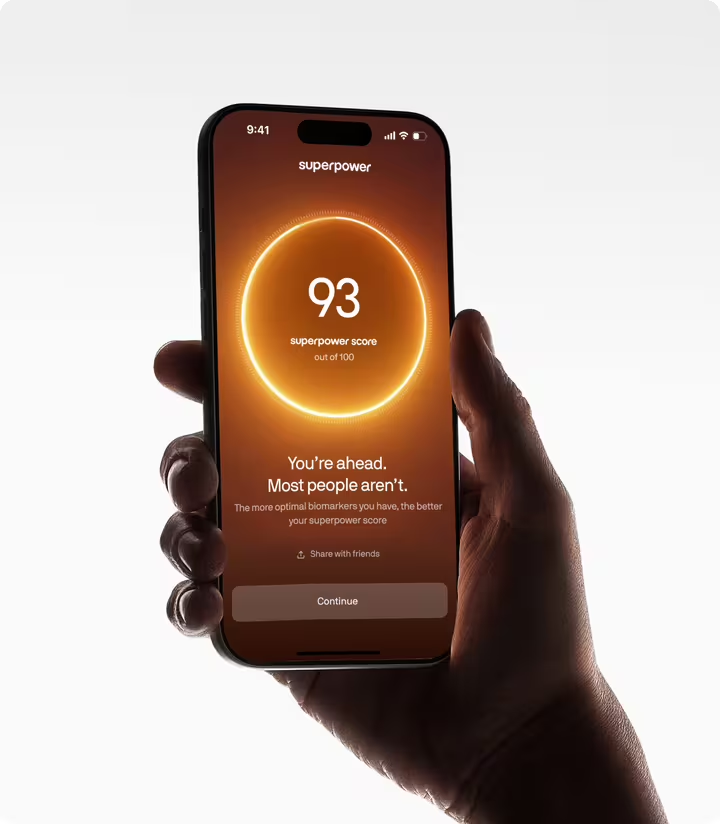
- Review your result through Superpower, with your care team available to discuss what it means in the context of your other cardiovascular markers
Add more cardiac depth
The Cholesterol Damage test tells you whether your cholesterol is being oxidized. For a broader view, the Extended Heart Health Panel combines this marker with several more: Lipoprotein(a), a genetically determined cholesterol particle that raises cardiac risk independently of diet or exercise; and ADMA and SDMA, markers associated with early blood vessel changes. Together, these markers cover cholesterol quality, genetic risk, and vascular function.
Frequently asked questions
Go beyond your standard cholesterol panel
Your total LDL number tells you how much cholesterol is present. The Cholesterol Damage test tells you whether it is associated with arterial damage. One blood draw, and a clearer view of the cardiovascular risk your standard panel misses.
Biomarkers tested
Oxidized LDL (oxLDL) measures the amount of low-density lipoprotein cholesterol that has undergone oxidative modification.
Learn more