


Understand what your sleep health results really mean
See your biomarkers in context with a comprehensive panel.
- CLIA-certified labs
- HIPAA compliant
- Personalized health protocol
What is sleep anxiety?
Defining the condition
Sleep anxiety (sometimes called somniphobia or sleep dread) is persistent worry, fear, or apprehension about going to sleep. Unlike general anxiety that happens to be worse at night, sleep anxiety specifically targets the sleep process itself. You may dread bedtime, feel a sense of panic as night approaches, or experience physical symptoms of anxiety that intensify the moment you try to rest.
How it differs from insomnia
Insomnia is the inability to fall or stay asleep. Sleep anxiety is the fear of that inability. They often coexist, but they are not the same thing. You can have insomnia without anxiety (some people simply cannot sleep and feel neutral about it). And you can have sleep anxiety even on nights when you eventually fall asleep fine. The distinction matters because the treatment approaches differ.
How common is it?
Research suggests that anxiety-related sleep disturbances affect roughly 24 to 36% of people with insomnia. Among people with anxiety disorders, sleep difficulties are present in up to 70% of cases. Sleep anxiety specifically is underdiagnosed because many people attribute their bedtime dread to "just being a bad sleeper."
Why am I scared to sleep?
Conditioned arousal
If you have struggled with insomnia for weeks or months, your brain starts associating bed with wakefulness. This is called conditioned arousal. Your bedroom, once a place of rest, becomes a stimulus for alertness. The same way a dog salivates at a bell, your nervous system activates when you approach your bed.
Fear of sleep-related events
Some people develop sleep anxiety after experiencing sleep paralysis, vivid nightmares, nocturnal panic attacks, or night terrors. The memory of those events creates anticipatory dread. You are not afraid of sleep itself. You are afraid of what might happen during sleep.
Health anxiety at night
Daytime distractions keep health worries at bay. But at night, in the dark and quiet, those worries amplify. People with health anxiety may fear that they will stop breathing, that their heart will race, or that something will go wrong while they are unconscious. This is especially common in people with heart palpitation awareness.
Trauma and PTSD
For people with trauma histories, sleep can feel vulnerable. Letting go of consciousness means letting go of control. Studies show that PTSD-related sleep anxiety is one of the most resistant symptoms to treat, because the hypervigilance that kept you safe during trauma now activates at bedtime.
Can you have an anxiety attack in your sleep?
Nocturnal panic attacks are real
Yes, you can have an anxiety attack in your sleep. Nocturnal panic attacks wake you from sleep with intense fear, rapid heartbeat, sweating, shortness of breath, and a sense of impending doom. They typically occur during the transition from stage N2 to stage N3 sleep, not during REM.
What triggers them
The exact mechanism is not fully understood, but nocturnal panic attacks are associated with chronic stress, elevated cortisol, and existing panic disorder. Unlike nightmares, they are not caused by dream content. You wake up in a state of pure physiological alarm without a clear mental trigger.
How they feed sleep anxiety
Once you experience a nocturnal panic attack, the fear of having another one can become a powerful driver of sleep anxiety. You may start delaying bedtime, sleeping with lights on, or avoiding sleep entirely. This avoidance behavior reinforces the cycle and can lead to chronic insomnia.
How sleep anxiety affects your body
The cortisol connection
Anxiety elevates cortisol, your body's primary stress hormone. Cortisol naturally drops in the evening to allow sleep onset. But when you are anxious about sleeping, cortisol stays elevated, keeping your brain in a state of hyperarousal. This creates a biological barrier to sleep that no amount of willpower can override.
Sympathetic nervous system activation
Sleep anxiety triggers your fight-or-flight response. Your heart rate increases, your muscles tense, your breathing becomes shallow. These are the opposite of the physiological conditions needed for sleep. Your body is preparing to face a threat, not to rest. The racing heart at night that many people describe is a direct result of this activation.
Impact on sleep architecture
Even when you eventually fall asleep, anxiety disrupts your sleep stages. Research shows that anxious sleepers spend less time in deep sleep and experience more fragmented REM cycles. You may sleep for 7 or 8 hours and still wake feeling unrested because the quality of those hours was compromised.
Breaking the sleep anxiety cycle
Cognitive behavioral therapy for insomnia (CBT-I)
CBT-I is the gold standard treatment for sleep anxiety. Multiple meta-analyses show that it is as effective as medication in the short term and more effective in the long term. It works by restructuring the thoughts and behaviors that maintain the anxiety-insomnia cycle.
Key CBT-I techniques include stimulus control (using your bed only for sleep), sleep restriction (limiting time in bed to match actual sleep time), and cognitive restructuring (challenging catastrophic thoughts about sleep).
Paradoxical intention
This technique involves intentionally trying to stay awake instead of trying to fall asleep. By removing the pressure to sleep, you reduce the performance anxiety that keeps you awake. Research supports its effectiveness as a standalone technique for sleep-onset anxiety.
Relaxation training
Progressive muscle relaxation, deep breathing, and body scan meditation can directly counteract the sympathetic nervous system activation that accompanies sleep anxiety. The key is practicing these techniques daily, not just when you are anxious. Over time, they train your nervous system to associate bedtime with calm.
Reframe your relationship with sleep
Stop treating sleep as a performance. You are not "failing" when you cannot fall asleep. Remind yourself that lying quietly in the dark still provides some rest. Removing the stakes from sleep reduces the anxiety that prevents it.
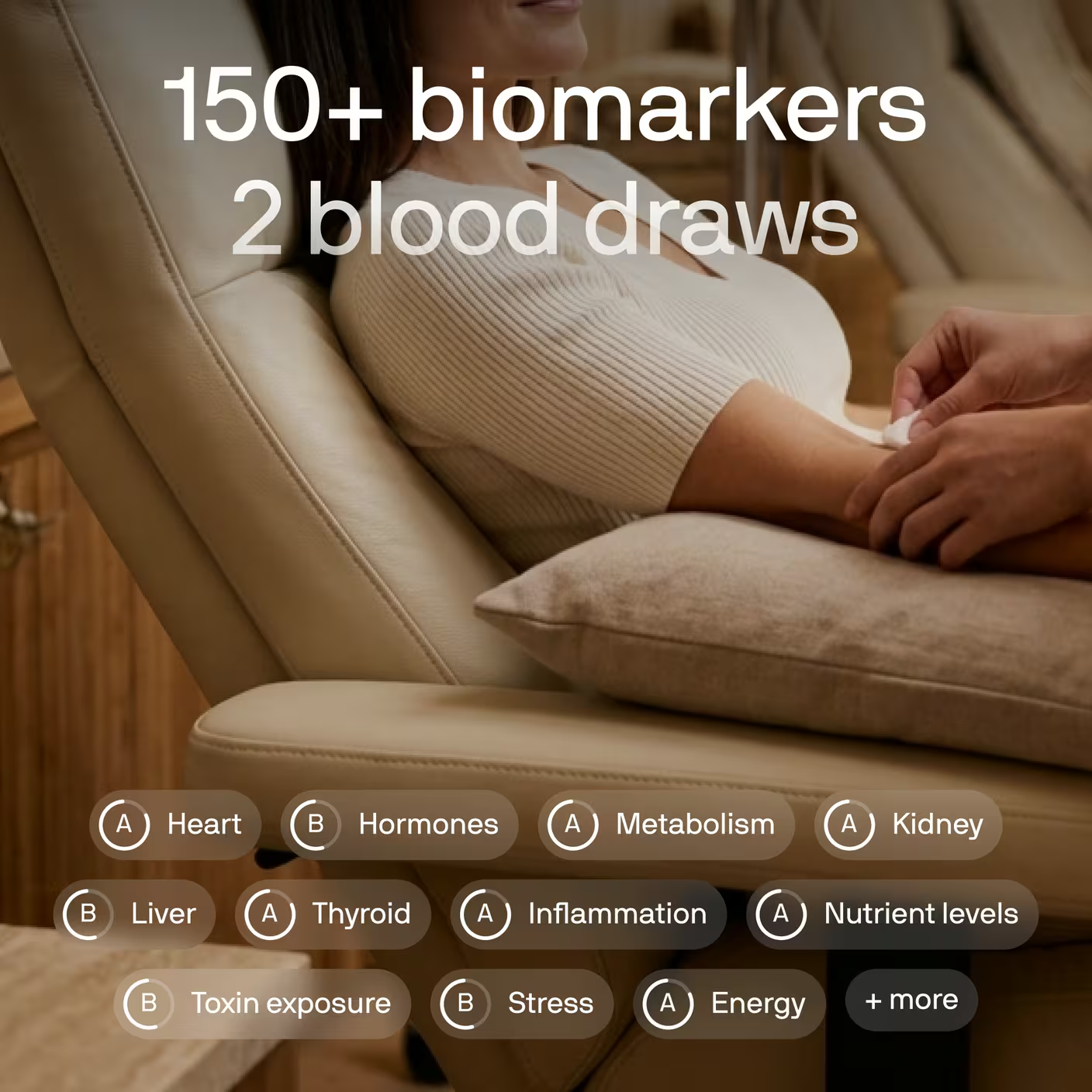
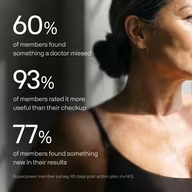
Test 150+ biomarkers
Two blood draws. A full picture of your health, explained in plain language.
Test 150+ biomarkers
Two blood draws. A full picture of your health, explained in plain language.
When to seek professional help
Signs you need support
If sleep anxiety is affecting your daily functioning, persisting for more than a few weeks, or leading to significant distress about bedtime, it is time to see a professional. Other signs include using alcohol or sedatives to fall asleep, avoiding social situations because of sleep-related exhaustion, and feeling tired but unable to sleep most nights.
What treatment looks like
A therapist trained in CBT-I can typically help you see improvement within 4 to 8 sessions. In some cases, a short course of medication may be used alongside therapy to break an acute cycle. A sleep study may also be recommended to rule out underlying conditions like sleep apnea that could be contributing to your nighttime anxiety.
Building a sleep-positive mindset
Create a wind-down buffer
Dedicate the last 60 to 90 minutes before bed to calming activities. Dim the lights, avoid screens, and engage in something low-stimulation: reading, gentle stretching, or listening to calm music. This transition period tells your brain that the threat level is dropping.
Keep a worry journal
Write down your worries before bed. Not in bed, but at a desk or table. This externalizes the thoughts so your brain does not need to keep recycling them. Research published in the Journal of Experimental Psychology found that writing a to-do list before bed helped people fall asleep faster than journaling about completed tasks.
Reclaim your bedroom
If your bed has become associated with anxiety, you need to rebuild that association. Use your bed only for sleep. If you are not asleep within 20 minutes, get up and do something calm in another room. Return when you feel sleepy. This stimulus control technique is one of the most powerful tools in CBT-I.
Your stress markers tell part of the story
Sleep anxiety is not just in your head. Elevated cortisol, depleted magnesium, and disrupted thyroid function can all amplify the physiological side of nighttime anxiety. Understanding your body's stress markers gives you a concrete starting point for intervention.
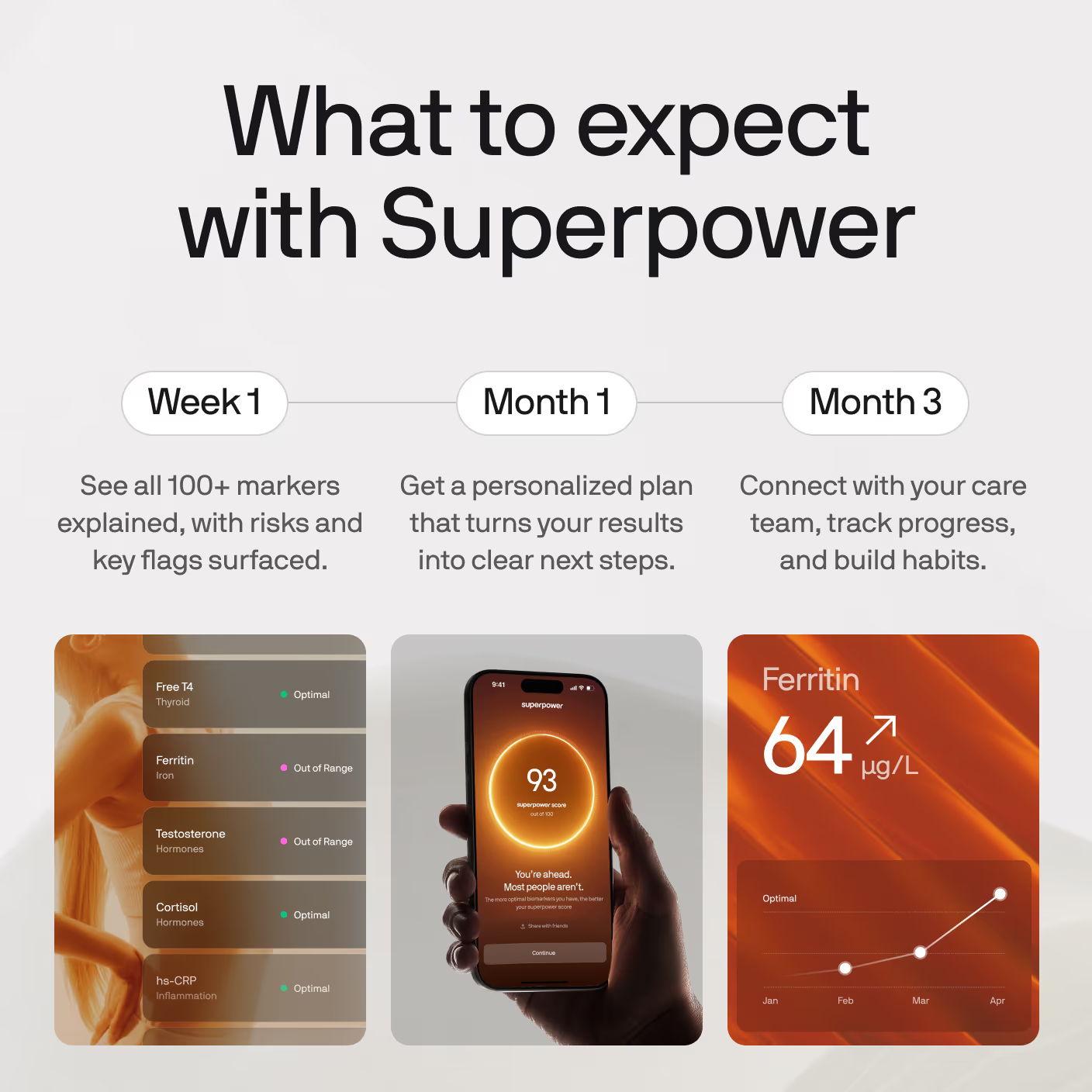
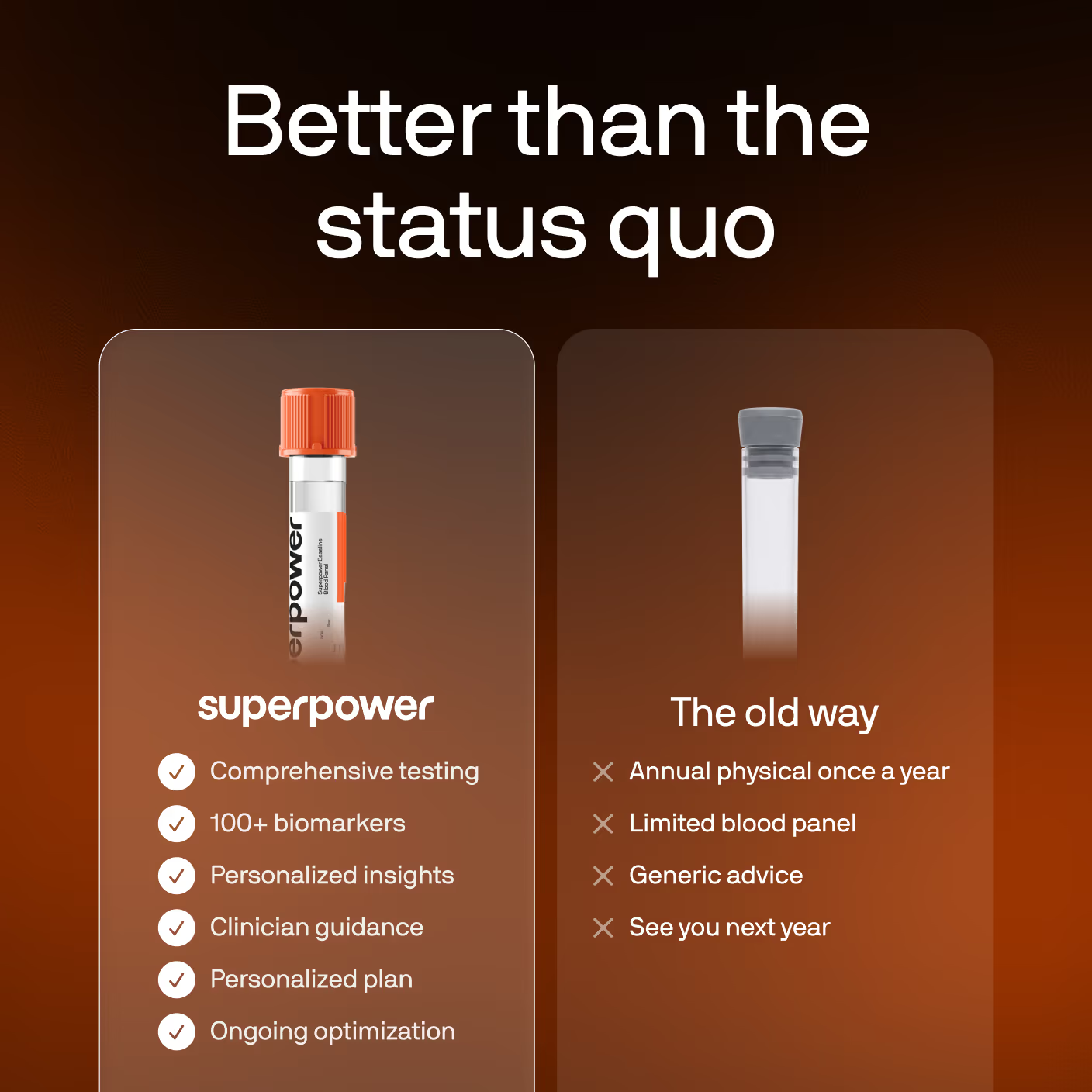
Superpower's at-home blood panel tests over 150 biomarkers, including cortisol, magnesium, vitamin D, and thyroid hormones. Your results come with personalized protocols that address the biological contributors to poor sleep and anxiety.
Get your Superpower panel and see what your body is telling you about your sleep.
Frequently Asked Questions
References
- Staner L (2003). Sleep and anxiety disorders. *Dialogues in clinical neuroscience*, *5*(3), 249-58. https://doi.org/10.31887/DCNS.2003.5.3/lstaner
- Riemann D, Spiegelhalder K, Feige B, Voderholzer U, Berger M, Perlis M, Nissen C (2010). The hyperarousal model of insomnia: a review of the concept and its evidence. *Sleep medicine reviews*, *14*(1), 19-31. https://doi.org/10.1016/j.smrv.2009.04.002
- Maher MJ, Rego SA, Asnis GM (2006). Sleep disturbances in patients with post-traumatic stress disorder: epidemiology, impact and approaches to management. *CNS drugs*, *20*(7), 567-90. https://doi.org/10.2165/00023210-200620070-00003
- Craske MG, Tsao JC (2005). Assessment and treatment of nocturnal panic attacks. *Sleep medicine reviews*, *9*(3), 173-84. https://doi.org/10.1016/j.smrv.2004.11.003
- Trauer JM, Qian MY, Doyle JS, Rajaratnam SM, Cunnington D (2015). Cognitive Behavioral Therapy for Chronic Insomnia: A Systematic Review and Meta-analysis. *Annals of internal medicine*, *163*(3), 191-204. https://doi.org/10.7326/M14-2841
- Jansson-Fröjmark M, Alfonsson S, Bohman B, Rozental A, Norell-Clarke A (2022). Paradoxical intention for insomnia: A systematic review and meta-analysis. *Journal of sleep research*, *31*(2), e13464. https://doi.org/10.1111/jsr.13464
- Scullin MK, Krueger ML, Ballard HK, Pruett N, Bliwise DL (2018). The effects of bedtime writing on difficulty falling asleep: A polysomnographic study comparing to-do lists and completed activity lists. *Journal of experimental psychology. General*, *147*(1), 139-146. https://doi.org/10.1037/xge0000374


















 Heart & Vascular Health
 Metabolic Health
 Energy
 Liver Health
 Kidney
 Sex Hormones
 Thyroid Health
 Nutrients
 Immune System
 Inflammation