


Pair your acne routine with a full blood baseline
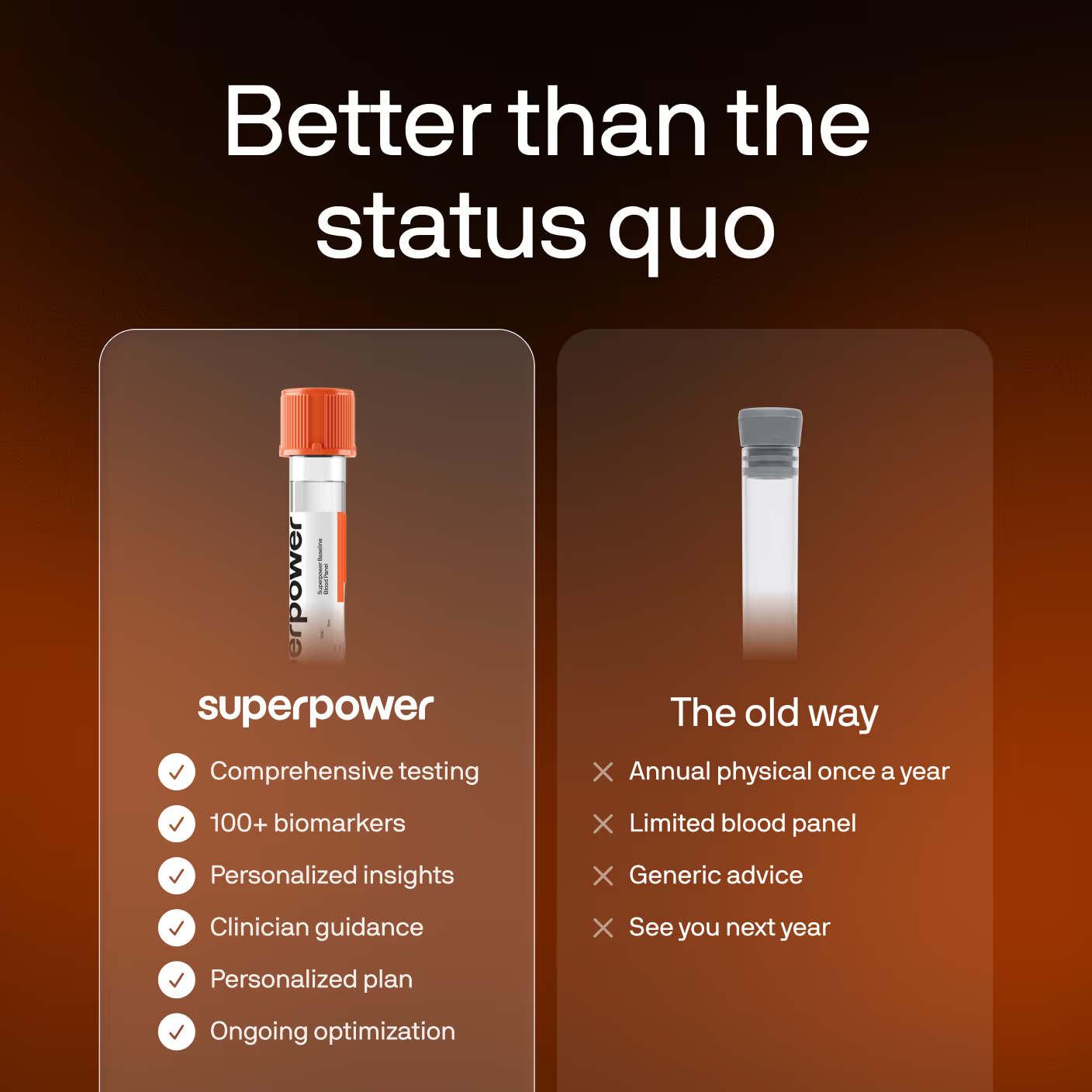
Membership includes 100+ biomarkers in a single draw, across inflammation, hormone, and metabolic health.
- CLIA-certified labs
- HIPAA compliant
- Personalized health protocol
At a glance
- Tea tree oil is an essential oil with antibacterial and anti-inflammatory properties, used mainly as a natural treatment for mild to moderate acne.
- A placebo-controlled trial found 5% tea tree oil gel reduced acne lesions, and it has improved results when paired with adapalene.
- It tends to work more slowly and gently than benzoyl peroxide, with less dryness but a slower response.
- Undiluted tea tree oil can irritate skin and cause allergic reactions, so concentration and patch testing matter.
- Evidence strength: Moderate, with small randomized trials supporting its use in mild to moderate acne.
What is tea tree oil?
Tea tree oil is distilled from the leaves of the Australian plant Melaleuca alternifolia. It contains compounds, chiefly terpinen-4-ol, with antibacterial, antifungal, and anti-inflammatory activity. In skincare it is used mostly as a spot or all-over treatment for acne, and sometimes for fungal and inflammatory skin conditions. Products usually contain it at around 5%.
What skin type is tea tree oil best for?
It is aimed at oily and acne-prone skin with mild to moderate breakouts. Sensitive skin should be cautious, since the undiluted oil can sting or cause a reaction. It is less relevant for dry skin or for concerns like pigment and wrinkles.
What does tea tree oil do?
It reduces acne mainly by killing acne-associated bacteria and calming inflammation. In a randomized, double-blind, placebo-controlled study, a 5% tea tree oil gel was significantly more effective than placebo at reducing both total lesion count and acne severity in mild to moderate acne. A later randomized trial found that adding a tea tree oil nanoemulsion to the prescription retinoid adapalene improved results compared with adapalene alone.
How do you know if tea tree oil can help your skin?
It suits mild to moderate acne, especially for people who want a gentler or more natural alternative to benzoyl peroxide and can accept a slower response. Severe or cystic acne needs stronger, clinician-guided treatment. Expect gradual improvement over several weeks, and stop if you develop redness, itching, or a rash.
How do you use tea tree oil?
Use products formulated at around 5%, or dilute pure oil well before applying, since undiluted tea tree oil is a common irritant. Apply once or twice daily to affected areas after cleansing, and follow with moisturizer. Patch test on a small area first, keep it away from the eyes, and do not take it by mouth, as it is toxic if swallowed.
What should you use with tea tree oil?
It can complement other acne ingredients, and the adapalene pairing is one studied example, though combining actives raises the chance of irritation, so introduce them one at a time. Hydrating, barrier-supporting ingredients such as niacinamide and ceramides help offset dryness. Daily sunscreen belongs in any acne routine.
Evidence strength
Moderate: Tea tree oil is better studied than most natural acne remedies, with a placebo-controlled randomized trial and a controlled combination trial supporting its use in mild to moderate acne. The trials are relatively small, results come on slowly, and the oil can irritate or sensitize skin, which tempers the recommendation. It is a reasonable option for milder acne, used at a sensible concentration and with care.
References
- Jooya A, Siadat A, Iraji F, Enshaieh S. The efficacy of 5% topical tea tree oil gel in mild to moderate acne vulgaris: A randomized, double-blind placebo-controlled study. Indian Journal of Dermatology, Venereology and Leprology. 2007;73(1):22. doi:10.4103/0378-6323.30646
- Najafi-Taher R, Jafarzadeh kohneloo A, Eslami Farsani V, et al. A topical gel of tea tree oil nanoemulsion containing adapalene versus adapalene marketed gel in patients with acne vulgaris: a randomized clinical trial. Archives of Dermatological Research. 2022;314(7):673-679. doi:10.1007/s00403-021-02267-2
























 Heart & Vascular Health
 Metabolic Health
 Energy
 Liver Health
 Kidney
 Sex Hormones
 Thyroid Health
 Nutrients
 Immune System
 Inflammation