

What the GLP-1 receptor agonist class includes
A GLP-1 receptor agonist is a prescription medicine that binds the GLP-1 receptor and switches it on at concentrations the body never reaches on its own. The class lowers blood glucose, slows digestion, and reduces appetite by copying the signal of one gut hormone and holding that signal open for hours or days.
One class, several names. GLP-1 receptor agonists, GLP-1 agonists, GLP-1 RAs, incretin mimetics, and GLP-1 analogs all point at the same idea: a molecule built to engage the GLP-1 receptor pharmacologically rather than physiologically. The distinctions between those labels are historical, not clinical.
Most people meet the class through brand names rather than generic ones. Semaglutide is sold as Ozempic, Wegovy, and Rybelsus. Tirzepatide is sold as Mounjaro and Zepbound. Liraglutide is sold as Victoza and Saxenda, dulaglutide as Trulicity, and exenatide was sold as Byetta and Bydureon.
What GLP-1 is and how drugs target it
Glucagon-like peptide-1 (GLP-1) is a 30-amino-acid incretin hormone produced by intestinal L-cells in response to food intake. It is derived from the proglucagon protein via tissue-specific processing and acts on GLP-1 receptors throughout the pancreas, brain, gut, heart, and kidneys to regulate insulin secretion, glucagon suppression, gastric emptying, and appetite.
The foundational biology of GLP-1 as a therapeutic target was established through a series of discoveries beginning in the 1980s. The first human demonstration came in 1987: GLP-1(7-36) infused at physiological levels in healthy volunteers stimulated insulin secretion and lowered glucose, establishing that this gut peptide was a bona fide incretin with clinical relevance. Earlier work had shown that incretin factors contribute about 73% of the insulin response in healthy controls but only about 36% in people with type 2 diabetes. This impaired incretin response became the pharmacological rationale for GLP-1 receptor agonism in type 2 diabetes.
The science now runs end to end, from L-cell secretion through receptor signaling to pharmacological application. Covering that distance took roughly 40 years, from an obscure gut hormone to a prescribed therapeutic class.
How GLP-1 receptor agonists work in the body
GLP-1 receptors are expressed across multiple organ systems. The breadth of this receptor distribution explains both the range of physiological effects and the spectrum of clinical benefits observed with pharmacological agonism.
Pancreatic effects: glucose-dependent insulin and glucagon control
At the pancreatic beta cell, GLP-1 receptor binding activates adenylate cyclase via a Gs-protein-coupled pathway, raising intracellular cyclic AMP (cAMP) and activating protein kinase A (PKA). PKA sensitizes KATP channels to ATP, closing them, depolarizing the membrane and opening voltage-dependent calcium channels, so that calcium influx drives insulin granule exocytosis. The critical feature is that this cascade amplifies rather than initiates: closing those channels still depends on the ATP that glucose metabolism supplies, so at normal or low blood glucose there is little glucose-stimulated secretion for it to amplify. This mechanism is why GLP-1 receptor agonists carry a low intrinsic hypoglycemia risk when used as monotherapy. That safety margin traces directly to the glucose-dependent insulinotropic action of GLP-1 receptor stimulation.
Simultaneously, GLP-1 receptor agonists suppress glucagon secretion from pancreatic alpha cells. This glucagon suppression reduces hepatic glucose output, an independent contribution to lowering fasting glucose that is particularly relevant in type 2 diabetes, where elevated fasting glucagon drives overnight glucose overproduction. The combination of stimulated insulin secretion and suppressed glucagon represents a dual mechanism for glycemic control that is not replicated by either exogenous insulin or sulfonylureas.
Why GLP-1 receptor agonists rarely cause hypoglycemia
GLP-1 receptor agonists rarely cause hypoglycemia on their own, because the insulin they release is glucose-dependent rather than constitutive: the beta cell answers while glucose is already high and goes quiet once it normalizes. The picture changes alongside a sulfonylurea or insulin, which push insulin out regardless of where glucose sits.
Gastric emptying and satiety signaling
GLP-1 receptors on enteric neurons and the stomach slow gastric emptying, prolonging the transit time of ingested nutrients. This reduces the rate at which glucose enters systemic circulation after meals, attenuating postprandial glucose excursions independently of insulin. The short-acting GLP-1 receptor agonists exploit this mechanism most directly: their pulsatile activation around mealtimes produces the strongest relative effect on gastric emptying. With long-acting agents, the effect on gastric emptying decreases over time (tachyphylaxis), while short-acting agents maintain it during long-term treatment. This has been proposed as one reason the sustained weight-loss and glycemic effects of long-acting agents rest more on central appetite suppression and glucagon suppression than on gastric slowing.
Beyond the gut, GLP-1 signals the hypothalamus and brainstem via both vagal afferent neurons and direct central action at circumventricular organs where the blood-brain barrier is incomplete. In obesity, GLP-1 physiology connects peripheral incretin signaling to central appetite regulation, the neurobiological basis for the sustained appetite suppression that drives weight loss with pharmacological GLP-1 agonists. The GI side-effect profile (nausea, vomiting, delayed gastric emptying) follows directly from the mechanisms that produce therapeutic benefit; these are pharmacological extensions of the same receptor activation. The class's effects on gastrointestinal physiology run along that same line, with the delay in gastric emptying underlying both the reduction in post-meal glucose and the GI side effects.
DPP-4 resistance: why analogs last longer than the natural hormone
Endogenous GLP-1 has a circulating half-life of approximately two minutes. The enzyme dipeptidyl peptidase-4 (DPP-4) cleaves the first two amino acids from the N-terminus of GLP-1(7-36), rendering it inactive. This rapid inactivation is why endogenous GLP-1 cannot serve as a therapeutic agent: intravenous infusion of the native peptide achieves glucose lowering, but the delivery requirement is impractical. Pharmaceutical GLP-1 analogs circumvent this through structural engineering: backbone substitutions at the DPP-4 cleavage site, conjugation to fatty acids that promote albumin binding and reduce renal clearance, and Fc-fusion strategies that leverage IgG recycling pathways. These modifications extend half-lives from two minutes to hours for short-acting agents, 13 hours (liraglutide), or approximately one week (semaglutide). Those half-life differences produce different pharmacodynamic profiles for short-acting versus long-acting GLP-1 receptor agonists.
| Agent | Approximate half-life | Dosing interval | What extends the duration |
|---|---|---|---|
| Endogenous GLP-1 | About 2 minutes | Not usable as a therapy | Nothing; DPP-4 cleaves it within minutes |
| Exenatide | Hours (short-acting) | Twice daily | Exendin-4 backbone, naturally DPP-4 resistant |
| Liraglutide | About 13 hours | Once daily | Fatty-acid chain that binds albumin |
| Exenatide extended-release | Days (depot release) | Once weekly | Slow-release microsphere formulation |
| Dulaglutide | Days | Once weekly | Fc fusion that borrows IgG recycling |
| Semaglutide | About 1 week | Once weekly | Backbone substitution plus fatty-acid acylation |
Cardiovascular and renal receptor effects
GLP-1 receptors are expressed in cardiac tissue, endothelial cells, and renal tubular cells. GLP-1 receptor agonists improve cardiovascular outcomes largely independent of glucose lowering, predominantly by reducing atherosclerotic events such as myocardial infarction and stroke. A pooled kidney analysis of SUSTAIN-6 and LEADER showed consistent renal protection across both semaglutide and liraglutide, with reductions in albuminuria and estimated GFR decline. Pooled across eight cardiovascular outcome trials and 60,080 participants, GLP-1 RAs were associated with a 14% reduction in MACE, a 12% reduction in all-cause mortality, and a 21% reduction in a composite kidney outcome. As of April 2026, FDA has approved Wegovy (semaglutide 2.4 mg) to reduce the risk of major adverse cardiovascular events (cardiovascular death, non-fatal myocardial infarction, non-fatal stroke) in adults with established cardiovascular disease and either obesity or overweight (approved March 2024 based on the SELECT trial). Ozempic carries an FDA cardiovascular risk-reduction indication to reduce the risk of major adverse cardiovascular events (cardiovascular death, non-fatal myocardial infarction, non-fatal stroke) in adults with type 2 diabetes and established cardiovascular disease, based on the SUSTAIN-6 cardiovascular outcomes trial.
Central nervous system and neuroinflammation
Beyond appetite regulation, GLP-1 receptors in the central nervous system are under investigation for neuroprotective effects. One line of that work concerns GLP-1 receptor activation and neuroinflammation, proposing mechanisms by which GLP-1 signaling in the brain may modulate microglial activation, neuroinflammatory cytokines, and oxidative stress, preclinical and early-clinical findings that remain investigational. As of April 2026, neurological applications of GLP-1 receptor agonists are not FDA-approved indications; they represent active areas of clinical investigation.
What regulates endogenous GLP-1 secretion
What triggers GLP-1 release from L-cells
Intestinal L-cells, concentrated in the ileum and colon, begin secreting GLP-1 within minutes of food intake, with circulating levels peaking 30 to 60 minutes after a carbohydrate or protein meal and rising later but more durably after fat. Dietary fat, protein, and fermentable carbohydrates are the primary stimuli. Bile acids released during digestion activate L-cells via TGR5 receptors, contributing to postprandial GLP-1 secretion. Short-chain fatty acids produced during gut microbiota fermentation of dietary fiber (principally acetate, propionate, and butyrate) stimulate L-cells via free fatty acid receptors (FFAR2, FFAR3). Mechanistic work in isolated intestinal preparations shows that short-chain fatty acids drive GLP-1 secretion through FFAR2, a direct mechanism linking dietary fiber fermentation to endogenous incretin production.
At the level of the gut as a whole, microbiome composition influences endogenous GLP-1 secretion through SCFA production and other gut-brain signaling pathways. That pathway is why dietary fiber and prebiotic interventions show modest effects on GLP-1 levels in human studies.
Where the incretin defect in type 2 diabetes actually sits
Whether type 2 diabetes and prediabetes actually blunt GLP-1 secretion is still contested: the human data are split, with cohort and meta-analytic results disagreeing on whether glucose-stimulated GLP-1 secretion differs at all. The better-established defect sits downstream of secretion: the incretin defect is a defining feature of type 2 diabetes, and it traces to a pancreas that no longer responds to GIP, while responsiveness to GLP-1 remains intact. That preserved GLP-1 responsiveness is the pharmacological rationale for administering GLP-1 receptor agonists: the receptor still answers, so driving it at concentrations above the physiological range compensates for the blunted incretin effect rather than restoring it.
GLP-1 receptor agonists versus DPP-4 inhibitors
Distinguishing GLP-1 receptor agonists from DPP-4 inhibitors matters for clinical decision-making and for understanding how mechanism translates to outcome magnitude.
DPP-4 inhibitors (sitagliptin, sold as Januvia; saxagliptin, sold as Onglyza; alogliptin, sold as Nesina; linagliptin, sold as Tradjenta) work by inhibiting the DPP-4 enzyme, which preserves higher circulating levels of intact GLP-1 than its two-minute half-life would otherwise allow. This modest extension lets natural postprandial GLP-1 contribute more to insulin secretion before degradation occurs. The result is a more modest HbA1c reduction (typically under 0.8% as monotherapy, against roughly 1% for GLP-1 receptor agonists versus placebo, with the exact figure depending on agent, dose, and baseline HbA1c) and essentially no effect on body weight or appetite, because the ceiling for DPP-4 inhibitors is the endogenous GLP-1 the body already produces, a limit that shows up plainly when GLP-1 RA and DPP-4 inhibitor pharmacodynamics are compared directly.
GLP-1 receptor agonists achieve receptor activation at concentrations substantially above physiological postprandial levels, producing full receptor agonism with sustained duration. This explains the clinically meaningful differences in weight, appetite suppression, and cardiovascular outcomes between the two drug classes. The pharmacological basis of these differences comes down to receptor engagement: DPP-4 inhibitors have a fundamentally different profile despite targeting the same hormone's pathway.
Line the two classes up against the newer dual agonists, and the differences become a matter of degree at one receptor versus another.
| Attribute | GLP-1 receptor agonist | DPP-4 inhibitor | Dual GIP/GLP-1 agonist |
|---|---|---|---|
| Receptor target | GLP-1 receptor, engaged directly | No receptor; blocks the enzyme that degrades GLP-1 | GLP-1 and GIP receptors, engaged directly |
| How it engages the pathway | Full agonism above physiological concentrations | Raises the body's own GLP-1 modestly | Full agonism at two incretin receptors |
| Typical HbA1c effect | Roughly 1% versus placebo | Under 0.8% as monotherapy | Greater than selective GLP-1 agonism |
| Typical weight effect | Meaningful weight loss | Essentially none | Greater weight loss than semaglutide |
| Hypoglycemia risk as monotherapy | Low, because insulin release stays glucose-dependent | Low | Low |
| Route | Subcutaneous injection, with two oral options | Oral tablet | Subcutaneous injection |
Evolution toward dual and triple agonism
The pharmacological rationale for moving beyond selective GLP-1 receptor agonism builds on the observation that GLP-1 receptors and GIP receptors co-exist on pancreatic beta cells, although whether GIP receptor agonism adds insulinotropic effect in type 2 diabetes remains to be shown. The incretin universe has expanded from single GLP-1 agonism through dual GIP/GLP-1 co-agonism and toward triple agonists that also incorporate glucagon receptor activity. Tirzepatide, an engineered dual agonist, binds the GIP receptor with affinity comparable to native GIP while sitting roughly five-fold weaker than native GLP-1 at the GLP-1 receptor. The GIP receptor is abundant in adipose tissue, where GIP is implicated in carbohydrate and lipid handling. Several mechanisms have been proposed for the greater weight loss and glycemic effects reported with tirzepatide versus selective GLP-1 receptor agonists.
GLP-1 receptor agonists approved today, route by route
The approved GLP-1 receptor agonist roster is short enough to read at a glance: a handful of molecules that engage the GLP-1 receptor, one of which also engages the GIP receptor, sold under several brand names. Route and dosing frequency are what separate them in daily life, and those two facts also decide whether an agent behaves as short-acting or long-acting.
| Generic name | Brand name(s) | Route | Dosing frequency | Duration class |
|---|---|---|---|---|
| Semaglutide | Ozempic, Wegovy, Rybelsus | Subcutaneous injection; Rybelsus is an oral tablet | Weekly injection; daily tablet | Long-acting |
| Tirzepatide | Mounjaro, Zepbound | Subcutaneous injection | Weekly | Long-acting, dual GIP/GLP-1 |
| Liraglutide | Victoza, Saxenda | Subcutaneous injection | Daily | Long-acting |
| Dulaglutide | Trulicity | Subcutaneous injection | Weekly | Long-acting |
| Exenatide | Byetta, Bydureon, Bydureon BCise (all discontinued in the US); generic exenatide still marketed | Subcutaneous injection | Twice daily (Byetta and generic); once weekly (Bydureon extended-release) | Short-acting twice daily; long-acting extended-release |
| Orforglipron | Foundayo | Oral tablet | Daily | Long-acting |
Biomarkers for monitoring GLP-1 receptor agonist therapy
Because direct GLP-1 measurement is not practically useful in clinical monitoring, treatment effect is tracked through downstream metabolic markers. These same markers serve as the pre-treatment baseline against which any response is measured.
- HbA1c: The primary glycemic endpoint in GLP-1 RA clinical trials. Reflects average blood glucose over the past 3 months; a baseline value before therapy establishes the reference point for monitoring treatment response.
- Fasting glucose: Long-acting agents reduce fasting glucose through glucagon suppression; baseline characterizes the contribution of overnight hepatic glucose output to hyperglycemia.
- Fasting insulin: Reflects beta-cell basal secretion and insulin resistance context. GLP-1 RAs augment glucose-stimulated insulin, not fasting insulin, so an elevated fasting insulin more likely reflects resistance than GLP-1 deficiency.
- hs-CRP: Systemic inflammation. GLP-1 RAs have been associated with reductions in inflammatory markers including CRP across pooled trial populations; a baseline value contextualizes the inflammatory component of metabolic risk.
- Triglycerides: GLP-1 RA trials have reported modest triglyceride reductions in type 2 diabetes; relevant cardiovascular risk marker at baseline.
- eGFR: Renal function baseline is standard pre-treatment assessment given the demonstrated renal benefits in FLOW and pooled kidney analyses.
Reference ranges vary by laboratory and individual. A qualified healthcare provider can interpret your specific results in the context of your full clinical picture.
When to evaluate your metabolic baseline
Understanding the mechanism of GLP-1 receptor agonists clarifies why a metabolic baseline matters before and during any therapy. A clinician evaluating whether a GLP-1 receptor agonist is appropriate needs to know where HbA1c, fasting glucose, renal function, and lipids stand at baseline, because those are the markers the drug class is expected to affect and the ones metabolic health biomarker testing already tracks.
That principle of data before decisions underlies Superpower's approach to preventive health: the biology is always running, and knowing where it stands is the starting point for every informed choice.
See your GLP-1 pathway markers with a Superpower panel
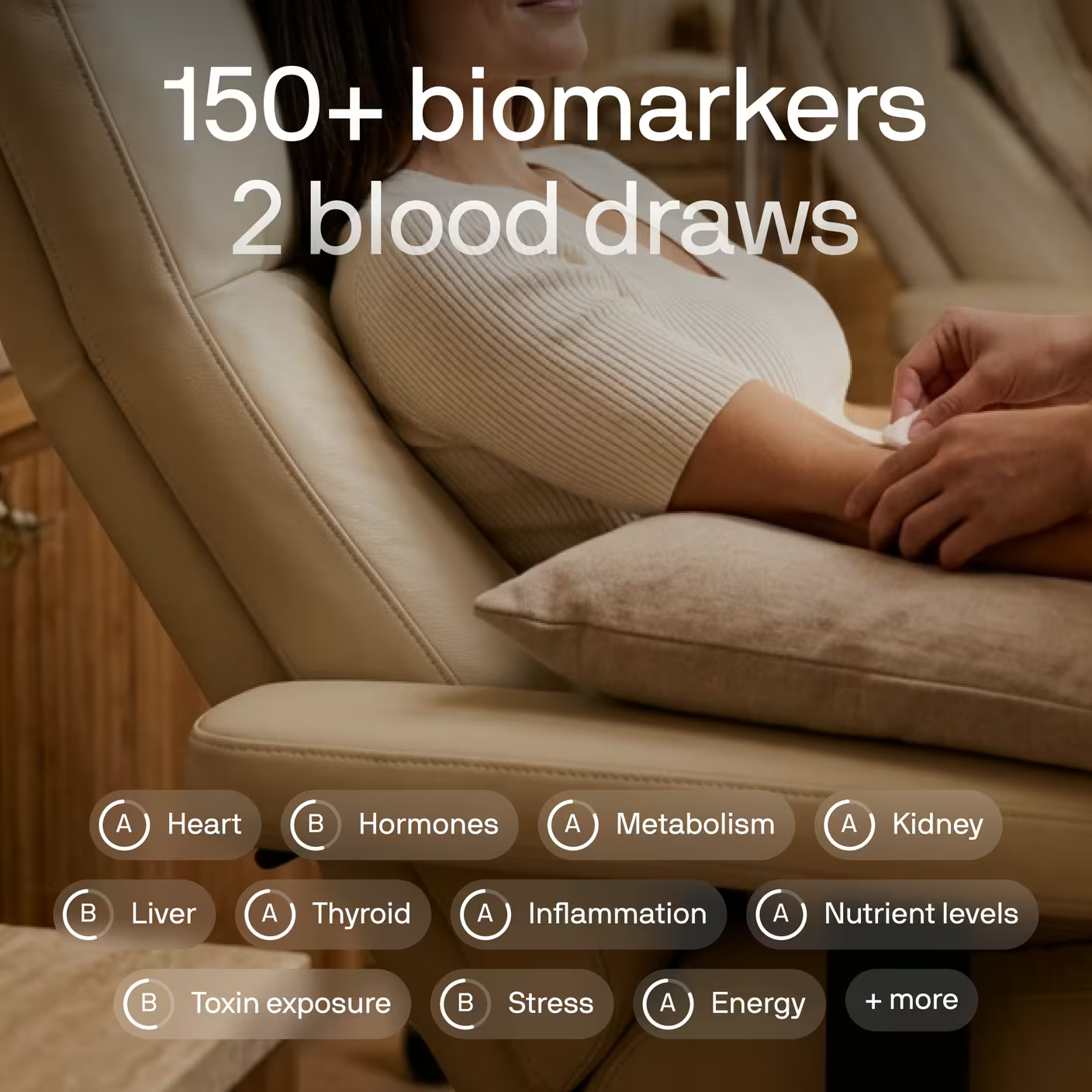
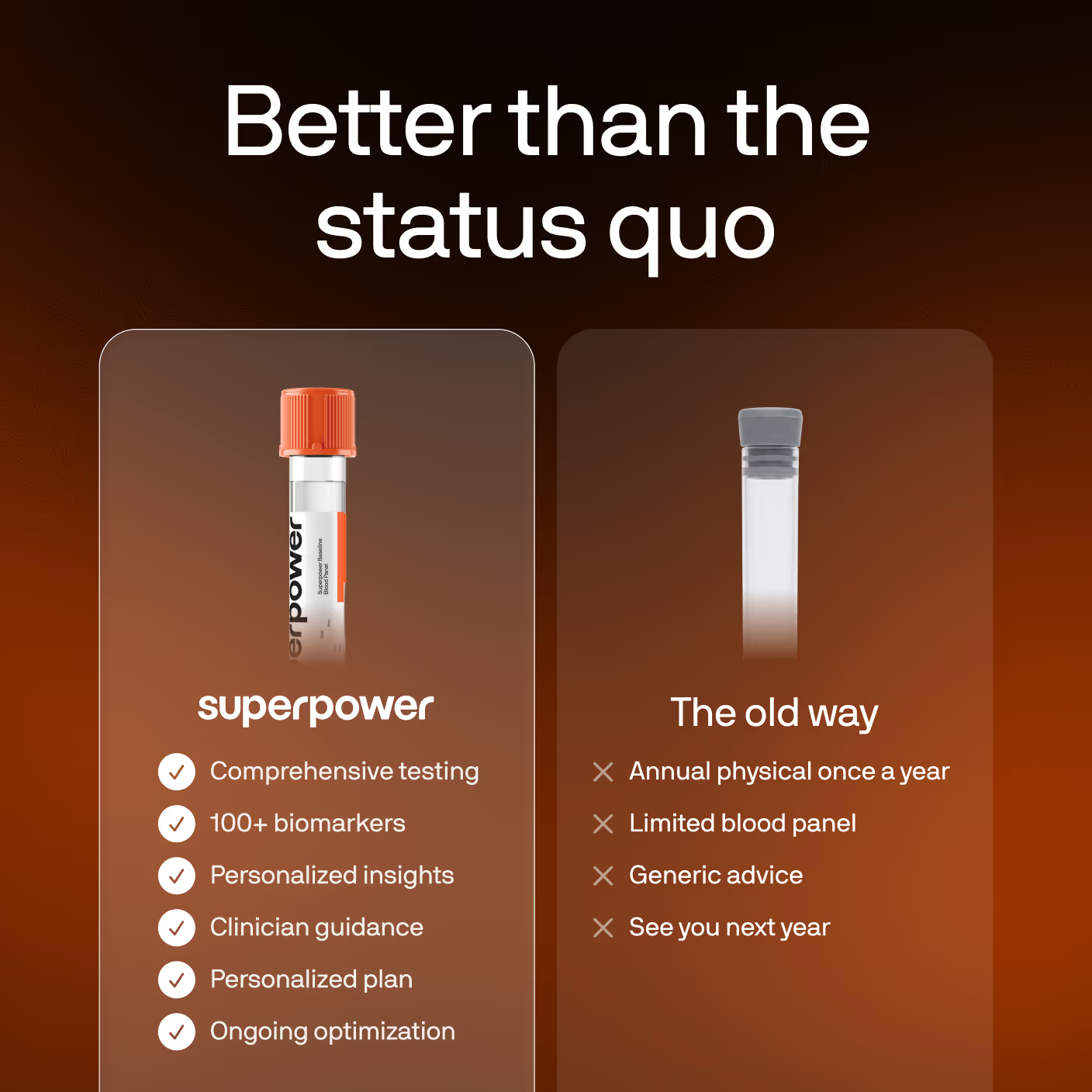
The Superpower Baseline Panel measures HbA1c, glucose, hs-CRP, triglycerides, eGFR, and fasting insulin, all six markers this article names as the ones GLP-1 receptor agonist therapy is expected to move. GLP-1 itself is not a panel marker.
IMPORTANT SAFETY INFORMATION
GLP-1 receptor agonists are prescription medications approved by the FDA for specific indications. Whether any prescription therapy is appropriate is determined by a licensed healthcare provider. Compounded GLP-1 formulations are not FDA-approved and have not been evaluated by the FDA for safety, effectiveness, or quality; they are subject to current 503A compounding restrictions under FDCA § 353a, and are dispensed only pursuant to a patient-specific prescription when a provider determines clinical appropriateness. This article is for educational purposes and is not a promotion of any specific medication or treatment.
Most GLP-1 receptor agonists carry a contraindication in individuals with a personal or family history of medullary thyroid carcinoma or Multiple Endocrine Neoplasia syndrome type 2 (MEN 2); this contraindication is agent-specific, so check the individual product's prescribing information. GLP-1 receptor agonists should not be used during pregnancy or breastfeeding. Pancreatitis has been reported; use with caution in individuals with a history of pancreatitis.
Common side effects include nausea, vomiting, diarrhea, constipation, and injection-site reactions. Serious adverse events reported with this class include pancreatitis, gallbladder disease, and gastrointestinal obstruction.
Reports of depression and suicidal ideation in people taking GLP-1 receptor agonists have been evaluated by the FDA. In January 2026 the FDA reported that its completed review found no increased risk of suicidal behavior or ideation with FDA-approved GLP-1 receptor agonist medications, and requested removal of that warning from the labeling that carried it. Tell your healthcare provider about new or worsening depression or unusual changes in mood or behavior.
GLP-1 receptor agonists are prescription-only medications. This article does not constitute medical advice or prescribing guidance. Consult a qualified healthcare provider for evaluation and prescribing decisions. FDA-approved labeling sets out the complete indications, contraindications, and warnings for each approved agent.
Frequently Asked Questions
References
- Kreymann B, Williams G, Ghatei MA, et al. Glucagon-like peptide-1 7-36: a physiological incretin in man. Lancet. 1987;2(8571):1300-4.
- Nauck M, Stöckmann F, Ebert R, et al. Reduced incretin effect in type 2 (non-insulin-dependent) diabetes. Diabetologia. 1986;29(1):46-52.
- Müller TD, Finan B, Bloom SR, et al. Glucagon-like peptide 1 (GLP-1). Mol Metab. 2019;30:72-130.
- Drucker DJ. The GLP-1 journey: from discovery science to therapeutic impact. J Clin Invest. 2024;134(2).
- Nauck MA, Quast DR, Wefers J, et al. GLP-1 receptor agonists in the treatment of type 2 diabetes - state-of-the-art. Mol Metab. 2021;46:101102.
- Holst JJ. GLP-1 physiology in obesity and development of incretin-based drugs for chronic weight management. Nat Metab. 2024;6(10):1866-1885.
- Jalleh RJ, Rayner CK, Hausken T, et al. Gastrointestinal effects of GLP-1 receptor agonists: mechanisms, management, and future directions. Lancet Gastroenterol Hepatol. 2024;9(10):957-964.
- Nauck M. Incretin therapies: highlighting common features and differences in the modes of action of glucagon-like peptide-1 receptor agonists and dipeptidyl peptidase-4 inhibitors. Diabetes Obes Metab. 2016;18(3):203-16.
- Honigberg MC, Chang LS, McGuire DK, et al. Use of Glucagon-Like Peptide-1 Receptor Agonists in Patients With Type 2 Diabetes and Cardiovascular Disease: A Review. JAMA Cardiol. 2020;5(10):1182-1190.
- Shaman AM, Bain SC, Bakris GL, et al. Effect of the Glucagon-Like Peptide-1 Receptor Agonists Semaglutide and Liraglutide on Kidney Outcomes in Patients With Type 2 Diabetes: Pooled Analysis of SUSTAIN 6 and LEADER. Circulation. 2022;145(8):575-585.
- Sattar N, Lee MMY, Kristensen SL, et al. Cardiovascular, mortality, and kidney outcomes with GLP-1 receptor agonists in patients with type 2 diabetes: a systematic review and meta-analysis of randomised trials. Lancet Diabetes Endocrinol. 2021;9(10):653-662.
- Perkovic V, Tuttle KR, Rossing P, et al. Effects of Semaglutide on Chronic Kidney Disease in Patients with Type 2 Diabetes. N Engl J Med. 2024;391(2):109-121.
- Bray JJH, Foster-Davies H, Salem A, et al. Glucagon-like peptide-1 receptor agonists improve biomarkers of inflammation and oxidative stress: A systematic review and meta-analysis of randomised controlled trials. Diabetes Obes Metab. 2021;23(8):1806-1822.
- Sun F, Wu S, Wang J, et al. Effect of glucagon-like peptide-1 receptor agonists on lipid profiles among type 2 diabetes: a systematic review and network meta-analysis. Clin Ther. 2015;37(1):225-241.e8.
- US Food and Drug Administration. FDA approves first treatment to reduce risk of serious heart problems specifically in adults with obesity or overweight. March 8, 2024.
- Ozempic (semaglutide) injection. Prescribing information. Novo Nordisk; 2026. Accessed July 30, 2026.
- Foundayo (orforglipron) tablets. Prescribing information. Eli Lilly and Company; 2026. Accessed July 30, 2026.
- Marso SP, Bain SC, Consoli A, et al. Semaglutide and Cardiovascular Outcomes in Patients with Type 2 Diabetes. N Engl J Med. 2016;375(19):1834-1844.
- Kopp KO, Glotfelty EJ, Li Y, et al. Glucagon-like peptide-1 (GLP-1) receptor agonists and neuroinflammation: Implications for neurodegenerative disease treatment. Pharmacol Res. 2022;186:106550.
- Tolhurst G, Heffron H, Lam YS, et al. Short-chain fatty acids stimulate glucagon-like peptide-1 secretion via the G-protein-coupled receptor FFAR2. Diabetes. 2012;61(2):364-71.
- Everard A, Cani PD. Gut microbiota and GLP-1. Rev Endocr Metab Disord. 2014;15(3):189-96.
- Kuhre RE, Wewer Albrechtsen NJ, Larsen O, et al. Bile acids are important direct and indirect regulators of the secretion of appetite- and metabolism-regulating hormones from the gut and pancreas. Mol Metab. 2018;11:84-95.
- Rasmussen C, Richter MM, Jensen NJ, et al. Preanalytical impact on the accuracy of measurements of glucagon, GLP-1 and GIP in clinical trials. Scand J Clin Lab Invest. 2023;83(8):591-598.
- Nauck MA, Meier JJ. The incretin effect in healthy individuals and those with type 2 diabetes: physiology, pathophysiology, and response to therapeutic interventions. Lancet Diabetes Endocrinol. 2016;4(6):525-36.
- Drucker DJ, Holst JJ. The expanding incretin universe: from basic biology to clinical translation. Diabetologia. 2023;66(10):1765-1779.
- Coskun T, Sloop KW, Loghin C, et al. LY3298176, a novel dual GIP and GLP-1 receptor agonist for the treatment of type 2 diabetes mellitus: From discovery to clinical proof of concept. Mol Metab. 2018;18:3-14.
- Nauck MA, D'Alessio DA. Tirzepatide, a dual GIP/GLP-1 receptor co-agonist for the treatment of type 2 diabetes with unmatched effectiveness regrading glycaemic control and body weight reduction. Cardiovasc Diabetol. 2022;21(1):169.
- US Food and Drug Administration. FDA requests removal of suicidal behavior and ideation warning from glucagon-like peptide-1 receptor agonist (GLP-1 RA) labeling. Drug Safety Communication. January 2026. Accessed July 30, 2026.
- US Food and Drug Administration. FDA clarifies policies for compounders as national GLP-1 supply begins to stabilize. Updated April 1, 2026. Accessed July 30, 2026.
- Pharmacy compounding, 21 USC §353a. Office of the Law Revision Counsel, US House of Representatives. Accessed July 30, 2026.
- DailyMed. National Library of Medicine, National Institutes of Health. Accessed July 30, 2026.
- National Institute of Diabetes and Digestive and Kidney Diseases. The A1C test and diabetes. Accessed July 30, 2026.
- van Bloemendaal L, IJzerman RG, Ten Kulve JS, et al. GLP-1 receptor activation modulates appetite- and reward-related brain areas in humans. Diabetes. 2014;63(12):4186-96.
- Aronne LJ, Horn DB, le Roux CW, et al. Tirzepatide as Compared with Semaglutide for the Treatment of Obesity. N Engl J Med. 2025;393(1):26-36.
- US Food and Drug Administration. FDA approves new medication for chronic weight management. November 8, 2023.
- US Food and Drug Administration. FDA approves first medication for obstructive sleep apnea. December 20, 2024.
- US Food and Drug Administration. Orange Book: Mounjaro (tirzepatide) injection, NDA 215866, approval dates and marketing status. Accessed July 31, 2026.
- US Food and Drug Administration. Orange Book: Byetta (exenatide) injection, NDA 021773, marketing status. Accessed July 30, 2026.
- US Food and Drug Administration. Orange Book: Bydureon and Bydureon Pen (exenatide extended-release) for injectable suspension, NDA 022200, marketing status. Accessed July 30, 2026.
- US Food and Drug Administration. Orange Book: Bydureon BCise (exenatide extended-release) injectable suspension, NDA 209210, marketing status. Accessed July 30, 2026.
- US Food and Drug Administration. Orange Book: Exenatide synthetic injection, ANDA 206697, marketing status. Accessed July 30, 2026.


























 Heart & Vascular Health
 Metabolic Health
 Energy
 Liver Health
 Kidney
 Sex Hormones
 Thyroid Health
 Nutrients
 Immune System
 Inflammation