


Understand what your keto & low carb results really mean
See your biomarkers in context with a comprehensive panel.
- CLIA-certified labs
- HIPAA compliant
- Personalized health protocol
A low-carb headache comes from sodium and water loss. When insulin drops on keto, your kidneys flush sodium and water faster than usual. The headache usually starts 2 to 7 days in and fades within a week, and salt or broth often relieves it.
What happens when you cut carbs
When you drop carbohydrate intake below roughly 50 grams per day, your body enters a metabolic shift. Normally, glucose from carbs is your brain's preferred fuel. Your liver stores about 100 grams of glucose as glycogen, and your muscles hold another 400 grams. Each gram of glycogen binds to approximately 3 grams of water. When you stop eating carbs, insulin levels drop sharply. Lower insulin signals your kidneys to stop retaining sodium and water. Within the first few days, your body dumps glycogen stores to maintain blood sugar, releasing all that bound water in the process.
This isn't gradual. It's a rapid flush. You lose several pounds of water weight in the first week, which is why people feel lighter and less bloated almost immediately. But that water doesn't leave alone. It takes sodium, potassium, and magnesium with it. Your brain is roughly 75% water, and it's exquisitely sensitive to shifts in hydration and electrolyte balance. When sodium drops and fluid volume contracts, blood vessels in the brain can dilate or constrict abnormally, triggering the throbbing pain you recognize as a headache.
At the same time, your brain is adjusting to a new fuel source. It takes a few days for your liver to ramp up ketone production, and during that transition, your brain is running on less glucose than it's used to without yet having full access to ketones. This temporary energy gap contributes to the foggy, achy feeling that defines the early keto experience.
How electrolyte loss triggers head pain
Sodium depletion and blood volume
Sodium is the most abundant electrolyte in your extracellular fluid, and it directly regulates blood volume and blood pressure. When insulin drops on keto, your kidneys excrete sodium at a much higher rate. Losing sodium means losing water, which reduces circulating blood volume. Lower blood volume means less efficient oxygen delivery to the brain. The brain responds by dilating blood vessels to compensate, and that dilation is what you feel as a headache.
Magnesium and muscle tension
Magnesium is involved in over 300 enzymatic reactions, including those that regulate muscle contraction and nerve signaling. When magnesium levels drop, muscles around your head, neck, and shoulders can become tense and spasm. This tension-type headache is distinct from the vascular headache caused by sodium loss, but they often occur together during keto adaptation. Magnesium also plays a role in regulating neurotransmitters like serotonin, which influence pain perception. Low magnesium doesn't just make your muscles tight; it makes your nervous system more reactive to pain signals.
Potassium and cellular function
Potassium works inside your cells to balance sodium outside your cells. This balance is critical for nerve transmission and muscle function. When you lose sodium rapidly, potassium follows. Low potassium can cause fatigue, muscle cramps, and contribute to the overall sense of malaise that accompanies a low carb headache. While potassium deficiency is less directly linked to headache pain than sodium or magnesium, it amplifies the overall stress your body is under during the metabolic transition.
Why some people get hit harder
Several factors determine the severity of keto headaches:
- Baseline hydration status affects how much buffer your body has to absorb rapid fluid loss.
- Prior carbohydrate intake determines how much glycogen and bound water you'll release during the transition.
- Pre-existing electrolyte deficiencies mean you're starting from a deficit when keto accelerates mineral loss.
- Individual metabolic flexibility influences how quickly your body switches fuel sources and produces ketones efficiently.
Chronic stress and poor sleep both lower your pain threshold and impair your body's ability to regulate electrolytes and hydration. Cortisol, the primary stress hormone, also affects sodium retention, so high cortisol can exacerbate electrolyte imbalances.
How to stop and prevent a keto headache
If you're experiencing an active headache, consuming sodium, such as salt dissolved in water or a cup of broth, often provides relief within 30 minutes.
Increase sodium intake aggressively
The single most effective intervention is to consume more sodium from day one. Aim for 5,000 to 7,000 milligrams per day during the first week of keto. This is significantly higher than standard dietary recommendations, but those recommendations assume you're eating carbs and retaining sodium normally. On keto, you're not. Add salt to your food liberally, drink bone broth, or dissolve a teaspoon of salt in water and sip it throughout the day.
Supplement magnesium
Magnesium glycinate or magnesium citrate are well-absorbed forms that support muscle relaxation and nervous system function. Aim for 300 to 400 milligrams per day. Taking magnesium before bed can also improve sleep quality, which indirectly helps with headache prevention. Avoid magnesium oxide, which is poorly absorbed and more likely to cause digestive upset.
Maintain potassium levels
Potassium is harder to supplement in high doses because of regulatory limits on over-the-counter supplements, but you can get it from food. Avocados, spinach, salmon, and mushrooms are all keto-friendly and rich in potassium. Aim for 3,000 to 4,000 milligrams per day. If you're using a salt substitute like potassium chloride, that can help, but be cautious with dosing.
Pair water with electrolytes
Hydration matters, but drinking plain water without replacing electrolytes can actually dilute your sodium levels further and worsen symptoms. A good rule of thumb is to drink when you're thirsty and to monitor urine color. Pale yellow is ideal. Clear urine suggests overhydration, which can flush out electrolytes.
Moderate activity during adaptation
High-intensity workouts increase electrolyte loss through sweat and place additional metabolic stress on your body during the adaptation phase. Stick to light activity like walking or yoga for the first week. Once the headache resolves and you feel more energized, you can gradually return to your normal training intensity.
Eat regularly during the first week
Skipping meals during the first week of keto can drop blood sugar too low before your body is efficiently producing ketones. This compounds the energy deficit your brain is already experiencing. Eat three meals per day with adequate fat and protein to stabilize energy levels. Once you're fully adapted, intermittent fasting becomes easier.
Test 100+ biomarkers
One blood draw. A full picture of your health, explained in plain language.
Test 100+ biomarkers
One blood draw. A full picture of your health, explained in plain language.
Tracking your transition with biomarkers
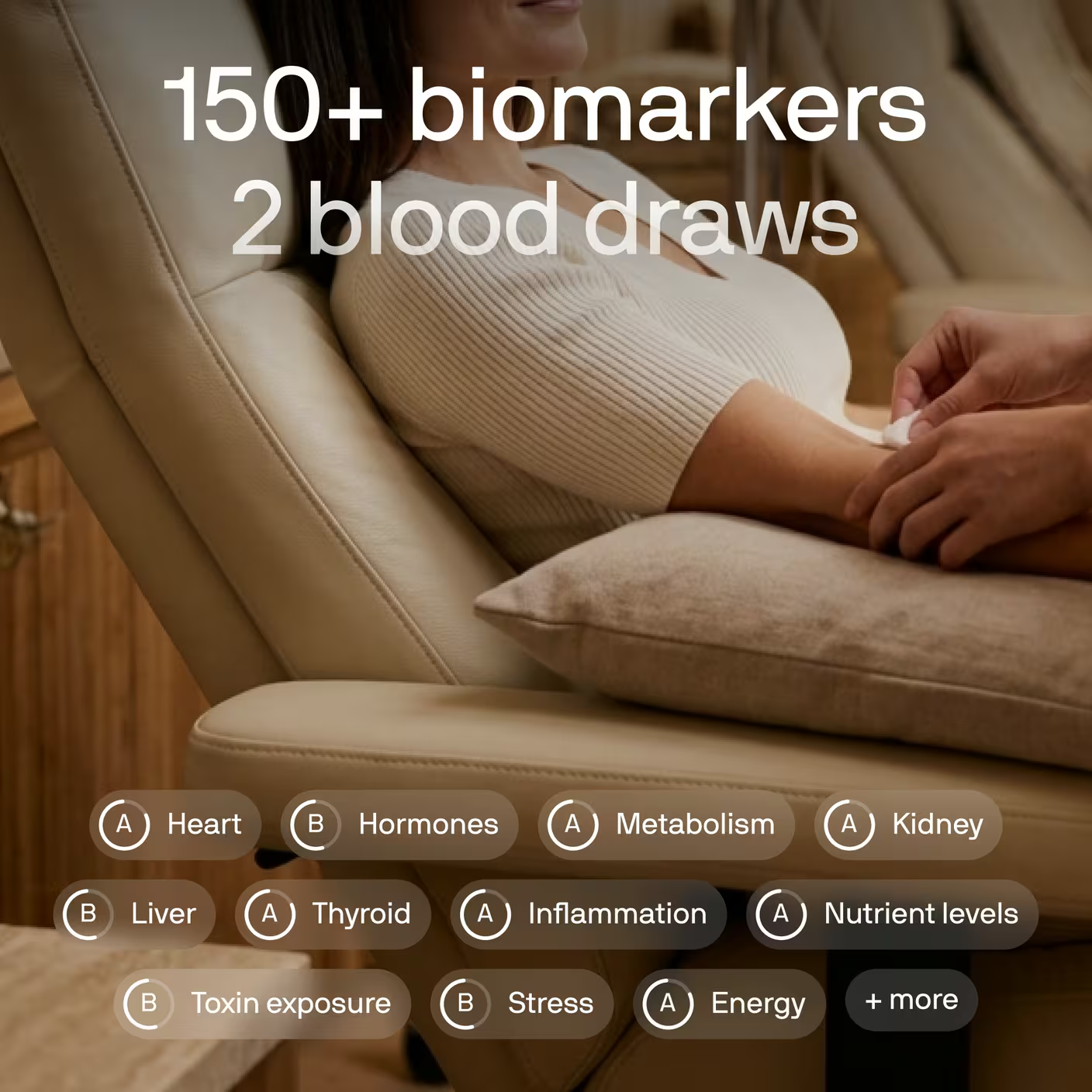
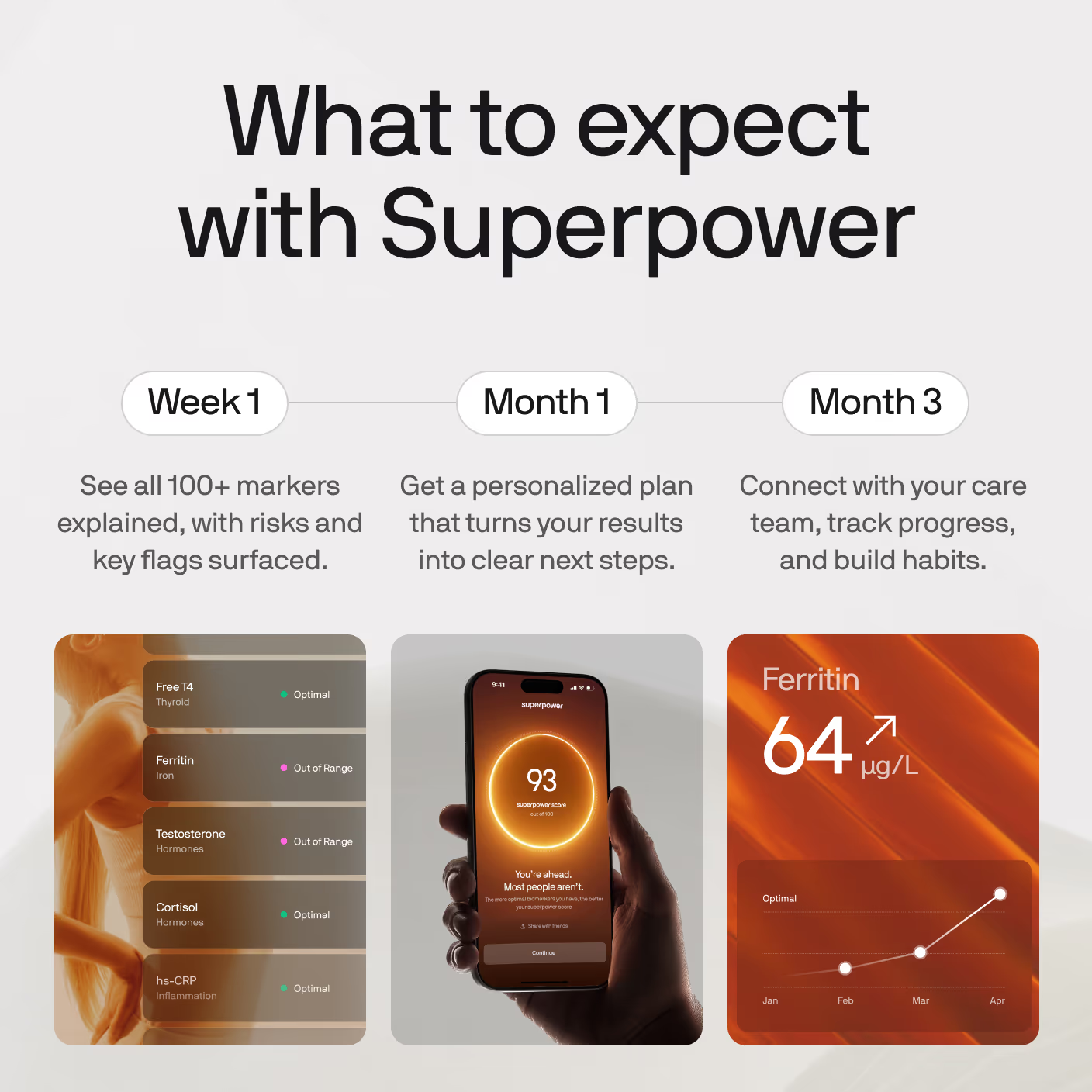
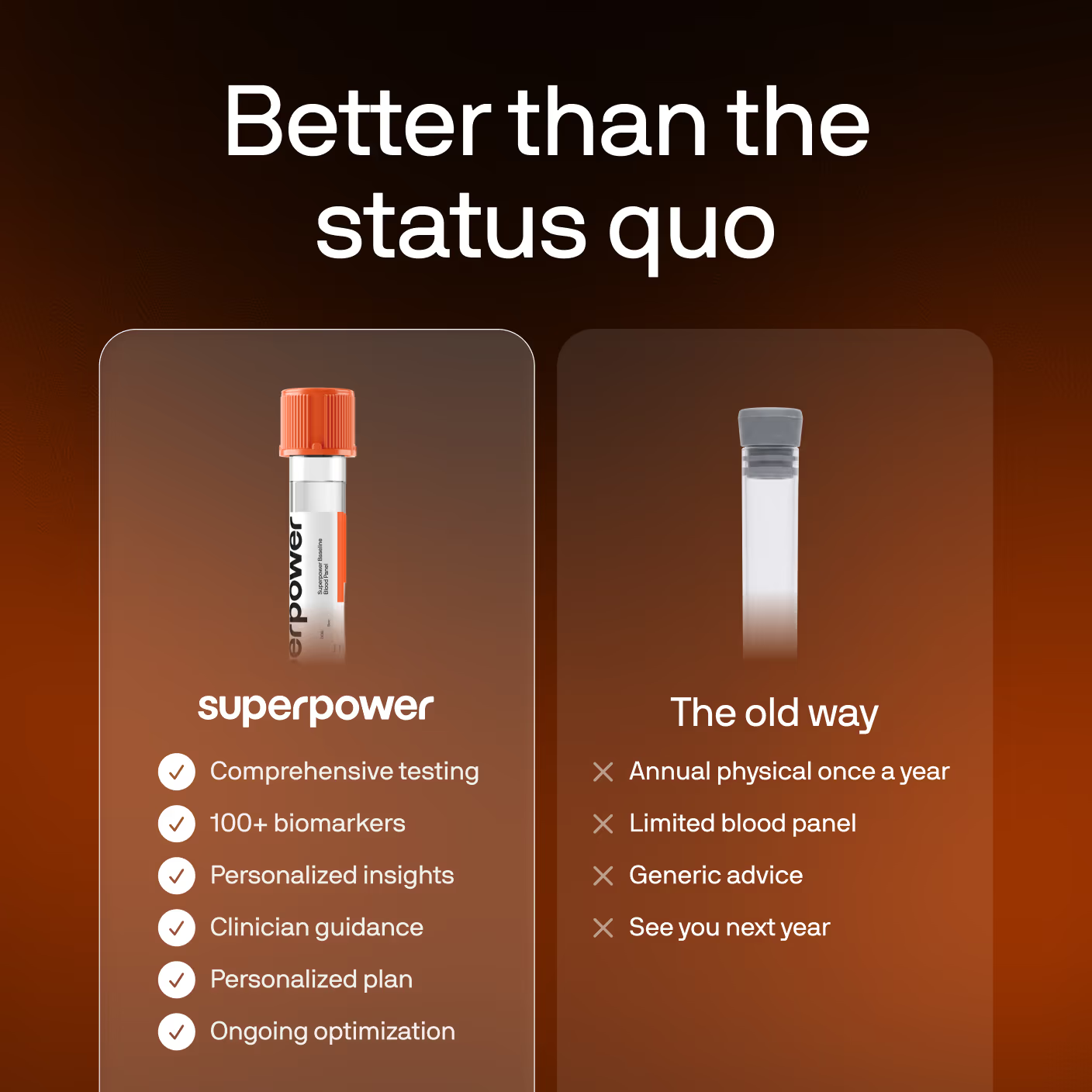
Testing before you start keto and again a few weeks in shows how your body is adapting. Glucose, hemoglobin A1c, and insulin show how blood sugar regulation and insulin secretion shift. Sodium, potassium, and magnesium levels show whether your electrolyte replacement is working. If headaches last beyond the first week, thyroid function and cortisol can rule out other metabolic issues. Superpower's 100+ biomarker panel covers glucose, hemoglobin A1c, sodium, potassium, thyroid function, and cortisol, so a lingering headache points to a cause instead of a guess. Magnesium is available separately with the Mineral Levels add-on.
Frequently Asked Questions
References
- Shiose K, Takahashi H, Yamada Y (2022). Muscle Glycogen Assessment and Relationship with Body Hydration Status: A Narrative Review. *Nutrients*, *15*(1). https://doi.org/10.3390/nu15010155
- Fernández-Elías VE, Ortega JF, Nelson RK, Mora-Rodriguez R (2015). Relationship between muscle water and glycogen recovery after prolonged exercise in the heat in humans. *European journal of applied physiology*, *115*(9), 1919-26. https://doi.org/10.1007/s00421-015-3175-z
- Bostock ECS, Kirkby KC, Taylor BV, Hawrelak JA (2020). Consumer Reports of 'Keto Flu' Associated With the Ketogenic Diet. *Frontiers in nutrition*, *7*, 20. https://doi.org/10.3389/fnut.2020.00020
- Skartun O, Smith CR, Laupsa-Borge J, Dankel SN (2025). Symptoms during initiation of a ketogenic diet: a scoping review of occurrence rates, mechanisms and relief strategies. *Frontiers in nutrition*, *12*, 1538266. https://doi.org/10.3389/fnut.2025.1538266
- Dominguez LJ, Veronese N, Sabico S, Al-Daghri NM, Barbagallo M (2025). Magnesium and migraine. *Nutrients*, *17*(4), 725. https://doi.org/10.3390/nu17040725






















 Heart & Vascular Health
 Metabolic Health
 Energy
 Liver Health
 Kidney
 Sex Hormones
 Thyroid Health
 Nutrients
 Immune System
 Inflammation