


Understand what your digestive health supplements results really mean
See your biomarkers in context with a comprehensive panel.
- CLIA-certified labs
- HIPAA compliant
- Personalized health protocol
Which probiotics work best for IBS?
Strain choice follows subtype: Saccharomyces boulardii for IBS-D, Bifidobacterium lactis for IBS-C, and multi-strain formulas for IBS-M. Bifidobacterium infantis 35624 is one of the most consistent single strains.
| Strain | Daily CFU | IBS subtype or symptom | Evidence |
|---|---|---|---|
| Bifidobacterium infantis 35624 | 1 billion | Abdominal pain, bloating, and bowel habit satisfaction | Improved all 3 versus placebo in an RCT |
| Lactobacillus plantarum 299v | 10 billion | Abdominal pain and bloating, especially post-infectious IBS | Reduced pain and bloating |
| Bifidobacterium bifidum MIMBb75 | 10 billion | Overall symptom severity | Improved symptom severity scores and quality of life over 8 weeks |
| Saccharomyces boulardii | Not stated | IBS-D | Slows transit and reduces stool frequency |
| Bifidobacterium lactis | Not stated | IBS-C | Accelerates colonic transit |
| Multi-strain (at least 2 Lactobacillus and 1 Bifidobacterium) | 10 to 50 billion; some studies used up to 450 billion 3 times daily | IBS-M and overall symptom severity | Cut IBS-SSS scores by an average of 43 points (2025 meta-analysis) |
Probiotics are live microorganisms that, when administered in adequate amounts, confer a health benefit. In IBS, that benefit hinges on the strain's ability to address the underlying mechanisms driving symptoms: altered gut motility, visceral hypersensitivity, low-grade inflammation, and disrupted gut-brain communication. The genus and species matter, but the strain designation is what determines clinical effect. Lactobacillus acidophilus and Lactobacillus plantarum are both lactobacilli, but they behave differently in the gut and produce different outcomes in IBS trials.
IBS is not a single disease. It's a symptom cluster driven by multiple pathways, which is why a probiotic that reduces bloating in one person may do nothing for another's abdominal pain. The main subtypes are diarrhea-predominant (IBS-D), constipation-predominant (IBS-C), and mixed (IBS-M).
The mechanism isn't just about crowding out bad bacteria. Probiotics produce short-chain fatty acids like butyrate, which fuel colonocytes and reduce intestinal permeability. They modulate immune signaling by influencing cytokine production, dampening the low-grade inflammation seen in many IBS patients. Some strains directly affect the enteric nervous system, reducing visceral pain signaling. Others influence serotonin metabolism in the gut, which affects both mood and motility.
What the clinical trials show
The evidence base for probiotics in IBS is large but inconsistent, and that inconsistency is largely explained by strain selection. A 2024 meta-analysis of randomized controlled trials found that probiotics significantly reduced global IBS symptom severity compared to placebo, but the effect size varied widely depending on which strains were tested. Single-strain studies showed modest benefit, while multi-strain formulas performed better (2020 systematic review).
Bifidobacterium infantis 35624 is one of the most consistently effective single strains. In a well-designed RCT, it significantly improved abdominal pain, bloating, and bowel habit satisfaction compared to placebo. The effect was dose-dependent: higher doses did not improve outcomes, and lower doses were less effective. This strain appears to work by normalizing the ratio of pro-inflammatory to anti-inflammatory cytokines, a mechanism confirmed in follow-up studies measuring IL-10 and IL-12 levels.
Lactobacillus plantarum 299v and Bifidobacterium bifidum MIMBb75 have also shown single-strain benefit.
Multi-strain formulas combining Lactobacillus and Bifidobacterium species have shown the strongest and most consistent effects. A 2026 meta-analysis found that multi-strain probiotics reduced total IBS symptom severity scores by an average of 43 points on the IBS-SSS scale, a clinically meaningful reduction. The most effective combinations included at least two Lactobacillus strains and one Bifidobacterium strain.
Not all trials are positive. Some studies using Lactobacillus acidophilus or Lactobacillus rhamnosus alone showed no benefit over placebo. This doesn't mean probiotics don't work; it means those specific strains, at those doses, in those populations, did not produce a measurable effect. The placebo response rate in IBS trials is high (often 30 to 40 percent), which makes positive findings more meaningful when the probiotic group shows a statistically and clinically significant advantage.
How probiotics modulate the gut-brain axis and visceral sensitivity
IBS is increasingly understood as a disorder of gut-brain interaction. Visceral hypersensitivity (the heightened perception of normal gut sensations as painful) is a hallmark feature. Probiotics influence this pathway through multiple mechanisms beyond altering microbiome composition.
Certain strains produce gamma-aminobutyric acid (GABA), an inhibitory neurotransmitter that reduces excitatory signaling in the enteric nervous system. Lactobacillus and Bifidobacterium species can synthesize GABA from glutamate, and higher gut GABA levels are associated with reduced visceral pain perception (2024 literature review). This is a direct neuromodulatory effect, distinct from immune or metabolic pathways.
Probiotics also affect the hypothalamic-pituitary-adrenal (HPA) axis, the body's central stress response system. Chronic stress exacerbates IBS symptoms, and animal studies show that specific Lactobacillus strains reduce stress-induced gut permeability and visceral hypersensitivity (2022 non-rct experimental). Human trials have found that probiotics reduce cortisol reactivity and improve psychological distress scores in IBS patients.
Short-chain fatty acids, particularly butyrate, play a role in pain modulation. Butyrate strengthens the intestinal barrier, reducing translocation of bacterial products that trigger immune activation and pain signaling. It also acts as a histone deacetylase inhibitor, influencing gene expression in colonocytes and immune cells. Strains that produce higher levels of butyrate (such as certain Bifidobacterium and Faecalibacterium species) may offer additional benefit in IBS patients with barrier dysfunction.
Serotonin metabolism is another key pathway. Ninety-five percent of the body's serotonin is produced in the gut, where it regulates motility, secretion, and sensation. Probiotics influence tryptophan metabolism and serotonin reuptake, which can normalize bowel transit time and reduce pain signaling.
Dose, form, and timing: What the evidence supports
Dose considerations
Colony-forming units (CFU) measure viable organisms, but viability at the time of consumption depends on manufacturing, storage, and delivery. Probiotics degrade over time, especially when exposed to heat and moisture. Refrigerated products maintain higher CFU counts than shelf-stable ones, though some strains are inherently more stable. The dose on the label should reflect CFU at expiration, not at manufacture, but not all manufacturers follow this standard.
Form and delivery
Capsules with enteric coating or delayed-release technology protect probiotics from stomach acid, increasing the number of viable organisms reaching the colon. Standard capsules and powders are less protective, though acid-resistant strains like Lactobacillus rhamnosus GG and Saccharomyces boulardii survive gastric transit reasonably well without coating. Fermented foods like yogurt and kefir contain live cultures, but the strain identity and CFU count are rarely standardized, making it difficult to achieve therapeutic doses through food alone.
Timing and duration
Most probiotic studies in IBS do not specify timing relative to meals, suggesting it may not be critical for efficacy. Some manufacturers recommend taking probiotics on an empty stomach to minimize acid exposure, while others suggest taking them with food to buffer stomach acid. The evidence does not strongly favor one approach over the other. Consistency matters more than timing; daily dosing is standard in all positive trials.
Most RCTs showing benefit in IBS lasted 4 to 8 weeks. Shorter trials often show no effect, likely because it takes time for probiotics to colonize, modulate immune function, and influence gut-brain signaling. Some patients report symptom improvement within 2 weeks, but clinical trial data suggest 4 weeks is the minimum duration to assess efficacy.
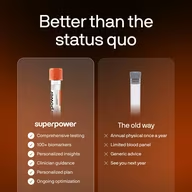
Test 100+ biomarkers
One blood draw. A full picture of your health, explained in plain language.
Test 100+ biomarkers
One blood draw. A full picture of your health, explained in plain language.
Who responds best to probiotics, and who should be cautious
Response to probiotics in IBS is not uniform. Patients with post-infectious IBS (where symptoms began after an episode of gastroenteritis) show stronger responses in some trials, particularly to strains with anti-inflammatory effects like Lactobacillus plantarum 299v. This subgroup often has persistent low-grade inflammation and altered microbiota, both of which probiotics can address.
Baseline microbiome composition influences response. Patients with lower baseline diversity or specific dysbiotic patterns may see greater benefit from probiotics than those with relatively normal microbiomes. This is one reason why gut microbiome testing can inform probiotic selection; knowing which taxa are depleted or overrepresented helps predict which strains are most likely to fill a functional gap.
Immunocompromised patients (including those with HIV, cancer, or on immunosuppressive therapy) should use probiotics cautiously. Case reports of probiotic-related bacteremia and fungemia exist, though they are rare. Patients with central venous catheters or severe gut barrier dysfunction are at higher risk. Saccharomyces boulardii, a yeast-based probiotic, should be avoided in patients with central lines due to fungemia risk.
Patients with small intestinal bacterial overgrowth (SIBO) may experience worsening symptoms with certain probiotics, particularly D-lactate-producing strains like Lactobacillus acidophilus. SIBO and IBS overlap clinically, and some IBS patients have undiagnosed SIBO. If symptoms worsen with probiotics, SIBO should be considered and tested for with breath testing.
Testing your microbiome and tracking symptom response
Track symptoms daily for at least 4 weeks before and during probiotic use. The IBS Symptom Severity Score (IBS-SSS) covers pain, bloating, bowel habit satisfaction, and quality of life, and a drop of 50 points or more is considered clinically meaningful. Stool form on the Bristol Stool Chart, pain, bloating, and urgency are the daily measures to log.
Superpower's gut microbiome analysis shows which bacterial groups are depleted or overrepresented, which helps match a strain to the gap. Inflammatory markers like hs-CRP and fecal calprotectin help distinguish IBS from inflammatory bowel disease, which requires different management.
Frequently Asked Questions
References
- McFarland LV (2021). Efficacy of Single-Strain Probiotics Versus Multi-Strain Mixtures: Systematic Review of Strain and Disease Specificity. *Digestive diseases and sciences*, *66*(3), 694-704. https://doi.org/10.1007/s10620-020-06244-z
- Anwar DFF, Salma ZN, Oktaviani SD, Adiyatma FN, Tauhid FM, Mustofa A, Saputra PBT, Karimah R, Alkaff FF (2026). Effect of multistrain probiotics on symptom severity in irritable bowel syndrome: a systematic review and meta-analysis of irritable bowel syndrome-symptom severity score outcomes. *European journal of gastroenterology & hepatology*, *38*(4), 397-406. https://doi.org/10.1097/MEG.0000000000003074
- Icer MA, Sarikaya B, Kocyigit E, Atabilen B, Çelik MN, Capasso R, Ağagündüz D, Budán F (2024). Contributions of Gamma-Aminobutyric Acid (GABA) Produced by Lactic Acid Bacteria on Food Quality and Human Health: Current Applications and Future Prospects. *Foods (Basel, Switzerland)*, *13*(15). https://doi.org/10.3390/foods13152437
- Groeger D, Murphy EF, Tan HTT, Larsen IS, O'Neill I, Quigley EMM (2023). Interactions between symptoms and psychological status in irritable bowel syndrome: An exploratory study of the impact of a probiotic combination. *Neurogastroenterology and motility*, *35*(1), e14477. https://doi.org/10.1111/nmo.14477
- McFarland LV, Karakan T, Karatas A (2021). Strain-specific and outcome-specific efficacy of probiotics for the treatment of irritable bowel syndrome: A systematic review and meta-analysis. *eClinicalMedicine*, *41*, 101154. https://doi.org/10.1016/j.eclinm.2021.101154
- Su GL, Ko CW, Bercik P, Falck-Ytter Y, Sultan S, Weizman AV, Morgan RL (2020). AGA Clinical Practice Guidelines on the Role of Probiotics in the Management of Gastrointestinal Disorders. *Gastroenterology*, *159*(2), 697-705. https://doi.org/10.1053/j.gastro.2020.05.059









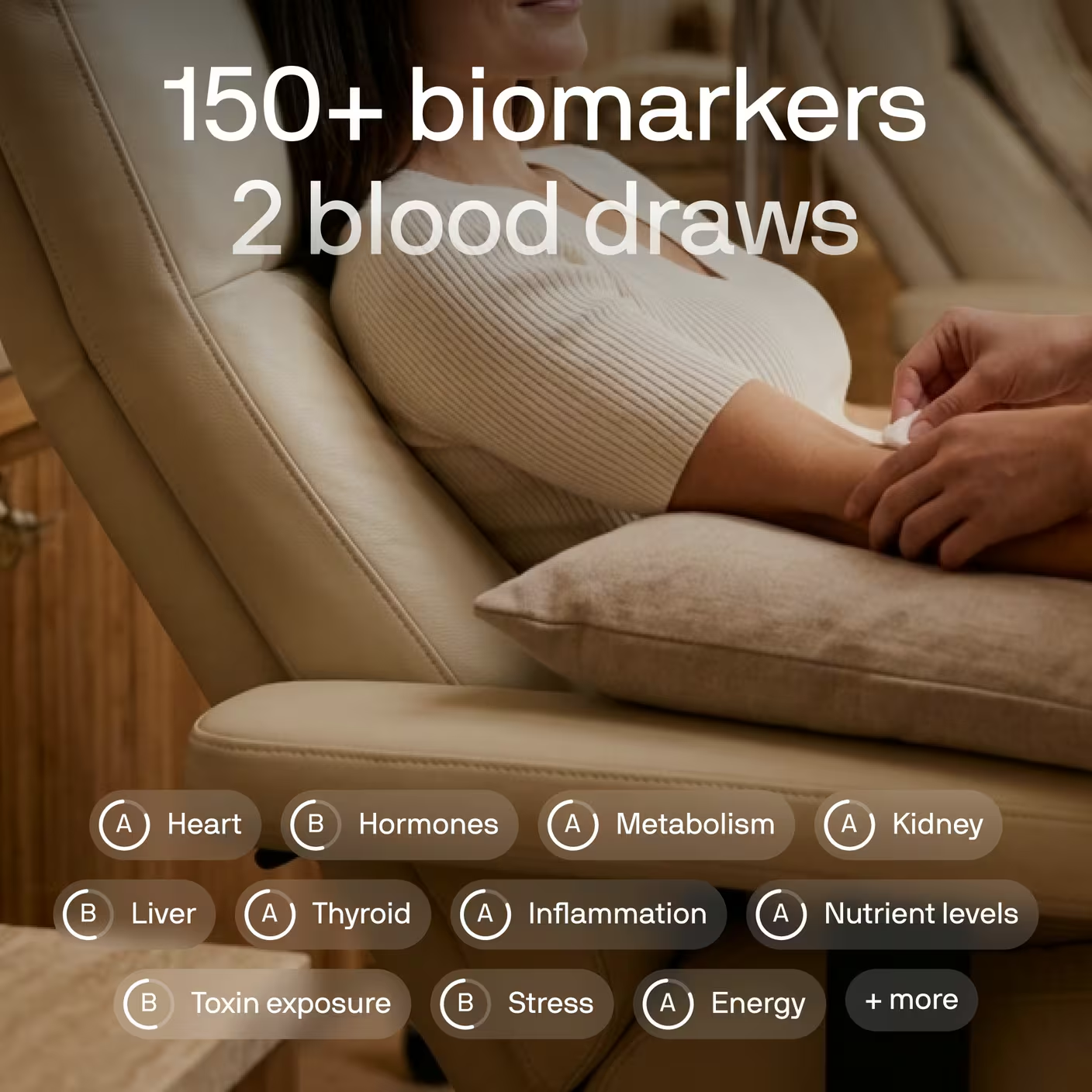








 Heart & Vascular Health
 Metabolic Health
 Energy
 Liver Health
 Kidney
 Sex Hormones
 Thyroid Health
 Nutrients
 Immune System
 Inflammation