Test details
- Sample type:
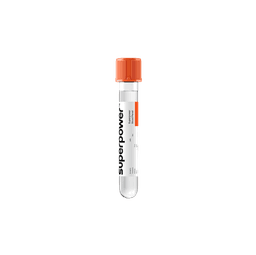
- Single blood draw (blood only)
- Location:
- In-person at local lab / At-home phlebotomist visit (+$119)
- Availability:
- Available in 40 states
- Turnaround:
- Results ready within 10 days
- Preparation:
- Fasting required (water only, no caffeine); morning draw preferredStop biotin-containing supplements at least 48 hours before your draw
What the Glucose Regulation Add-on measures
Your standard annual labs typically check fasting glucose, and often HbA1c. Both are useful, but both are lagging indicators: they flag a problem only once blood sugar has already drifted out of range. Insulin resistance, however, often takes hold 10-15 years before that happens, while your pancreas quietly works harder and harder to keep glucose looking normal. By the time a routine test catches high blood sugar, the underlying shift may have been building for a decade. This add-on measures two of those earlier signals, C-peptide and fructosamine, to show how hard your pancreas is working and how your blood sugar has been trending over recent weeks. Insulin itself is measured as part of your core Superpower Blood Panel, so you still get the full picture across both tests.
Understanding insulin resistance
Insulin is the hormone that moves sugar from your blood into your cells. In insulin resistance, those cells become less responsive to insulin's signal, so the pancreas compensates by producing more of it. Blood sugar can stay in the normal range for years while insulin output climbs, which is exactly why standard glucose tests miss this phase. C-peptide is released by the pancreas in step with insulin, so it reflects that rising pancreatic output without requiring a direct insulin measurement in this add-on.
Why standard blood tests miss early insulin resistance
Standard tests are not wrong; they simply measure something different. HbA1c reflects your average blood sugar over roughly 90 days, useful for monitoring established elevation but lagging by design. Fasting glucose is a single point-in-time reading. Neither shows how hard your pancreas is working to keep those numbers normal, and neither captures blood sugar changes on a shorter timeline. C-peptide and fructosamine do. This add-on is built around those earlier, more responsive signals.
What this add-on measures
| Marker | What it measures | Why it's included |
|---|---|---|
| C-peptide | A byproduct of insulin production that reflects how much insulin your pancreas is actually making | A cleaner read of pancreatic output than insulin alone |
| Fructosamine | Your average blood sugar over the past 2-3 weeks, a more recent snapshot than HbA1c | A short-window glucose read that captures recent changes HbA1c can't yet show |
Reference ranges vary by lab and individual. Your provider will interpret your specific results in context.
Who benefits from testing
- You have a family history of type 2 diabetes and want to know whether insulin resistance is developing before glucose changes.
- You experience energy crashes, brain fog, or increased hunger after meals and want metabolic data behind those patterns.
- You've been told your blood sugar is "borderline" or "pre-diabetic" and want a fuller picture of how your pancreas and blood sugar are behaving, not just glucose.
- You have PCOS, which is associated with insulin resistance in a significant proportion of cases.
- You're dealing with unexplained weight gain or difficulty losing weight and want to see whether blood sugar regulation is part of the picture.
- You have elevated triglycerides, low HDL, or other markers associated with metabolic syndrome and want a metabolic baseline.
- You're a health optimizer with no symptoms who wants the earliest-stage metabolic baseline to track over time.
What your results will tell you
Your results can help indicate whether your body is already working overtime to keep blood sugar in range. If C-peptide is elevated while glucose still looks normal, that pattern may indicate early insulin resistance, and the lifestyle approach differs from what's used for established high blood sugar. Fructosamine adds a read on how your glucose has actually been behaving over recent weeks. Your Superpower care team helps interpret all of it in the context of your full panel and personal history.
The broader metabolic picture
Insulin resistance is associated with more than blood sugar risk. It's also associated with elevated triglycerides, reduced HDL, increased central adiposity, and higher cardiovascular risk, a cluster commonly described as metabolic syndrome. Tracking C-peptide and fructosamine alongside these other markers gives you a metabolic data point relevant across multiple systems, not just glucose management.
How to prepare
Fasting is required: Do not eat or drink anything except water before your appointment. Avoid caffeine during the fasting window.
Morning draw preferred: C-peptide and glucose are most stable when measured in the morning after an overnight fast. Afternoon or evening draws may reflect partial digestion from earlier in the day.
Medications: Continue all prescribed medications unless your provider advises otherwise.
Supplements: Stop biotin-containing supplements (multivitamins, B-complex, hair/skin/nail vitamins) at least 48 hours before your draw.
How it works
- Order: Add this panel to your Superpower membership or order it as a standalone test.
- Schedule: Book a blood draw at a partner clinic or with an at-home phlebotomist (+$119).
- Blood draw: A quick draw in a fasted state, with a morning appointment preferred for the most stable readings.
- Results: Ready within 10 days with a personalized protocol based on what your markers show.
- Care team: Review your results with the Superpower care team and AI-powered concierge to understand what they mean for you.
Trust and accuracy
- Processed in a CLIA-certified laboratory.
- Reviewed with your Superpower care team.
- Generally HSA/FSA eligible.
- At-home phlebotomist option (+$119).
Frequently asked questions
Biomarkers tested
C-peptide is a short protein fragment released by the pancreas every time it makes insulin.
Learn more


























 Heart & Vascular Health
 Metabolic Health
 Energy
 Liver Health
 Kidney
 Sex Hormones
 Thyroid Health
 Nutrients
 Immune System
 Inflammation