Test details
- Sample type:
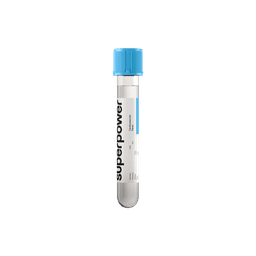
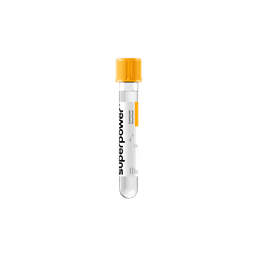
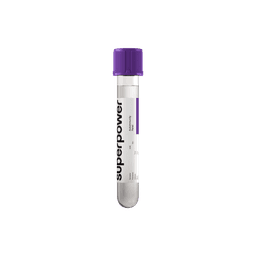
- Single blood draw (blood only)
- Location:
- In-person at local lab / At-home phlebotomist visit (+$119)
- Availability:
- Available in 40 states
- Turnaround:
- Results typically within 10 days
- Preparation:
- Hormone levels vary by cycle phase; note your cycle day for your provider
What the Extended Women's Health Panel Measures
Fatigue that doesn't lift with sleep. Cycles that have shifted. Hair that isn't as thick as it used to be. Weight that moved without an obvious reason. Mood that feels harder to steady. These experiences are common, and they are often hormonal, yet the markers behind them rarely appear on a standard annual physical. The Extended Women's Health Panel is an add-on that layers 10 women's-health markers on top of your Baseline Blood Panel: reproductive hormones, pituitary signals, thyroid antibodies, and mercury. Steroid hormones such as estradiol, progesterone, and 17-OHP are measured from a single blood sample.
What this add-on includes
These markers layer onto your Baseline Blood Panel. The table below groups them by what each area covers.
| Health category | What this area covers | Example markers |
|---|---|---|
| Hormone & Reproductive Health | Reproductive hormones, pituitary signals, and ovarian-reserve context | Estradiol, Progesterone, FSH, LH, AMH, Prolactin, 17-OHP |
| Immune & Inflammatory Health | Thyroid autoimmunity markers (antibodies, not thyroid function) | TPO antibodies, Thyroglobulin antibodies |
| Toxins / Heavy Metals | Heavy-metal burden with an endocrine-disruptor angle | Mercury (blood) |
Why this panel includes mercury
Mercury is a documented environmental endocrine disruptor that may interfere with hormone signaling at the cellular level, including thyroid and estrogen pathways. Common sources include large predatory fish such as tuna and swordfish, dental amalgam fillings, and some cosmetic products. Most hormone panels skip it entirely. This one includes it because unexplained hormonal symptoms do not always have a purely hormonal origin. If mercury is elevated, that context is associated with how the rest of your results should be read, and is something to discuss with your care team or provider.
Symptoms that suggest this panel
This panel may be worth considering if you are experiencing:
- Fatigue that persists despite adequate sleep
- Irregular, shortened, or lengthened menstrual cycles
- Mood changes, increased anxiety, or trouble concentrating
- Unexplained hair thinning or loss
- Weight changes not explained by diet or activity
- Night sweats or temperature sensitivity
- Decreased libido
- Skin changes, including increased acne
- Difficulty conceiving or questions about ovarian reserve
- A family history of thyroid or autoimmune conditions
It's also worth considering if you've been told your labs look fine when you don't feel fine. Many of the markers here (thyroid antibodies, AMH, estradiol) are rarely included in a standard annual physical, even when symptoms are clearly present.
Who benefits from testing
This panel tends to be most useful for:
- People looking into PCOS-related hormone patterns (irregular cycles, elevated androgens, or shifting LH:FSH context) who want objective data before or alongside a clinical evaluation
- Women 35 and older noticing changes in cycle regularity, energy, or mood who want to understand whether hormonal shifts are contributing
- Anyone planning for pregnancy in the next few years who wants a baseline read on ovarian reserve via AMH
- People with persistent unexplained fatigue, mood, cycle, or weight changes who want to look at thyroid antibodies alongside reproductive hormones
- Those navigating thyroid-symptom overlap who want antibody data, not just thyroid function, in the picture
- Anyone told "your labs look fine" who still doesn't feel fine and wants a more complete hormonal read
What you will learn
Your results map across four connected domains:
- Estrogen and progesterone balance: where your reproductive hormones sit, both individually and in relation to each other, and whether progesterone is adequate after ovulation
- Ovarian reserve: your AMH level as information about ovarian reserve. AMH does not measure egg quality and does not predict pregnancy or the timing of menopause; it's one data point for a planning conversation
- Thyroid autoimmunity: whether TPO or thyroglobulin antibodies are present, which may indicate autoimmune thyroid activity and may be present before TSH shifts
- Environmental endocrine load: whether mercury is present at levels worth attention alongside your hormonal results
These domains connect to one another, and this panel reads them together. Your results are information, not a prescription. Your Superpower care team is available to help you interpret them.
This panel vs. a standard annual physical
A routine annual physical typically covers TSH for thyroid, and sometimes little else in the hormone space. The Extended Women's Health Panel goes deeper, layering on estradiol, progesterone, FSH, LH, AMH, prolactin, 17-OHP, thyroid antibodies (TPO and thyroglobulin), and mercury. Many of these markers are rarely tested in routine care, even when symptoms are clearly present, yet they map directly to the questions women most often bring to their appointments.
How it works
- Order: add the Extended Women's Health Panel to your Baseline Blood Panel, or order it on its own
- Schedule: book a draw at a local clinic, or arrange an optional at-home phlebotomist visit (+$119)
- Blood draw: a single blood sample is all that's needed
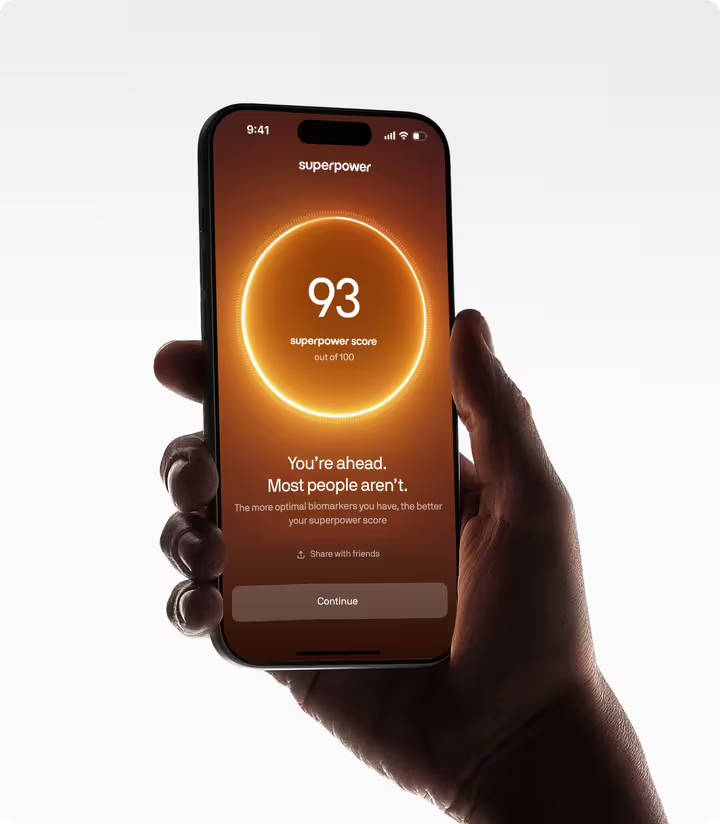
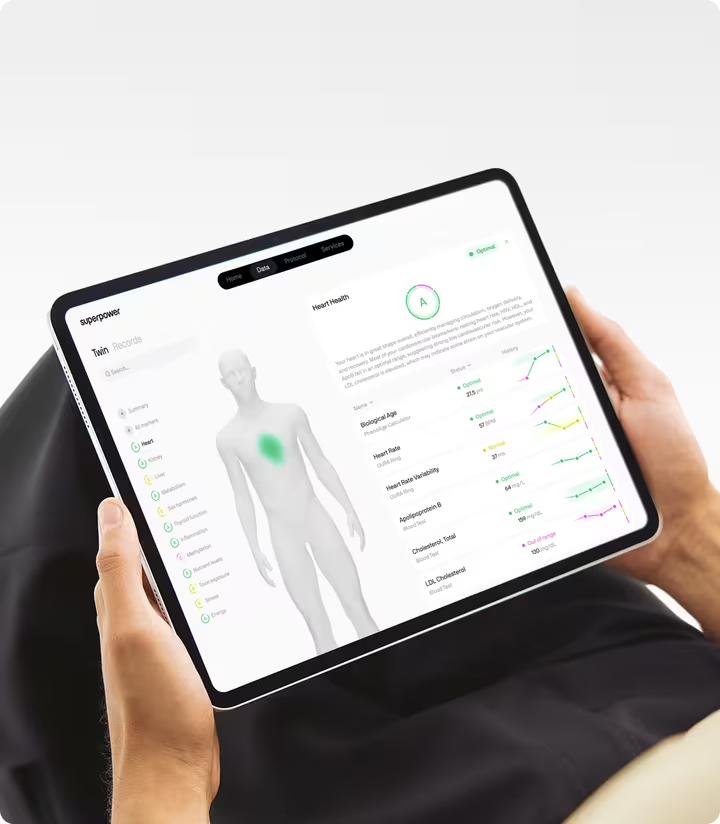
- Results: your numbers arrive in your dashboard within 10 days, with a personalized protocol built from them
- Care team: text your Superpower care team or AI-powered concierge with any questions about your results
Frequently asked questions
Frequently asked questions
Biomarkers tested
17-Hydroxyprogesterone (17-OHP) is a steroid hormone that acts as an intermediate step in the production of other hormones.
Learn moreMethod: Laboratory-developed test (LDT) validated under CLIA; not cleared or approved by the FDA. Results are interpreted by clinicians in context and are not a stand-alone diagnosis.