


Understand what your sleep health results really mean
See your biomarkers in context with a comprehensive panel.
- CLIA-certified labs
- HIPAA compliant
- Personalized health protocol
What is light sleep?
A quick definition
Light sleep refers to the first two stages of non-REM sleep: N1 and N2. These stages sit between full wakefulness and the deeper, more restorative phases of sleep (N3 and REM). During light sleep, your heart rate slows, your muscles relax, your breathing becomes regular, and your brain waves begin to shift from the fast beta waves of alertness to slower theta and sigma patterns.
When your sleep tracker reports "light sleep," it is grouping N1 and N2 together. This is not a flaw in the tracker. Sleep scientists group them under the same umbrella because both stages share a common feature: you can be awakened relatively easily from either one.
Light sleep is not low-quality sleep
The word "light" creates a misleading impression. It suggests something shallow or incomplete. In reality, light sleep is a necessary foundation. Your brain uses N2 in particular to generate sleep spindles, brief bursts of neural activity that protect your sleeping brain from being woken by external noise and help consolidate procedural memories.
Think of light sleep as the scaffolding around a building. It is not the building itself, but without it, nothing else gets constructed properly.
The two stages of light sleep
N1: The doorway into sleep
N1 is the lightest stage of sleep. It typically lasts only one to seven minutes per cycle and accounts for about 5 percent of your total sleep. During N1, your brain produces theta waves (4 to 7 Hz), your eyes drift slowly, and your muscle tone begins to relax.
This is the stage where you might experience a hypnic jerk, that sudden muscle twitch that feels like you are falling. It is also where hypnagogic hallucinations can occur: vivid, fleeting sensory experiences at the boundary between waking and sleeping. N1 is brief and transitional, but it serves as the essential gateway into deeper stages.
N2: Where the real work begins
N2 is the dominant stage of sleep. You spend roughly 45 to 55 percent of your total sleep time here, more than in any other single stage. During N2, your brain produces two signature features: sleep spindles (short 12 to 16 Hz bursts) and K-complexes (large, slow waveforms that respond to external stimuli).
Sleep spindles are not just neural noise. A study in Current Biology found that people who produced more sleep spindles showed greater resistance to being awakened by sounds. These bursts also correlate with memory consolidation, particularly for newly learned material. When you practice a new skill during the day, N2 spindles help encode it overnight.
Can you dream in light sleep?
Yes, and the dreams are uniquely strange
Can you dream in light sleep? Absolutely. N1 sleep is actually one of the most dream-prone stages, though the experiences differ from classic REM dreams. During N1, people often report hypnagogic imagery: short, vivid fragments that blend sensory impressions with abstract thoughts. You might see floating geometric shapes, hear someone call your name, or feel a sensation of movement.
These are not the narrative-driven, emotionally complex dreams of REM sleep. They are more like snapshots: disjointed, surreal, and fleeting. Some researchers describe them as the brain "testing" its dream-generating circuits before committing to a full dreaming state.
N2 dreams: Less common but real
Dreaming also occurs in N2, though less frequently. A study in Nature Neuroscience found that participants awakened from N2 reported dream-like mental content about 50 percent of the time. These N2 dreams tend to be more thought-like than visual: brief reflections, fragments of conversations, or vague scenarios rather than vivid storylines.
So if someone asks "can you dream in light sleep," the answer is not just yes, but that light sleep dreaming is a well-documented phenomenon studied across multiple sleep research labs. The experience simply looks different from what most people associate with dreaming.
Why light sleep matters more than you think
Memory consolidation happens here
Deep sleep and REM get most of the attention for memory, but N2 light sleep plays a critical and underappreciated role. Sleep spindles during N2 help transfer information from the hippocampus (short-term storage) to the neocortex (long-term storage). A study in the Journal of Neuroscience showed that spindle density during N2 predicted next-day performance on memory tasks better than total sleep time did.
For anyone learning a new language, practicing an instrument, or studying for an exam, the quality of your light sleep directly affects how well those skills stick.
Cardiovascular regulation
Light sleep is when your cardiovascular system begins its nightly recovery. Heart rate drops, blood pressure decreases, and your autonomic nervous system shifts toward parasympathetic dominance. This transition protects your heart and blood vessels from the wear of daytime stress. Disrupted light sleep prevents this cardiovascular downshift, contributing to elevated nighttime heart rate and long-term cardiovascular strain.
Immune function support
Even during light sleep, your immune system ramps up certain processes. Research shows that sleep deprivation suppresses natural killer cell activity and inflammatory regulation. While deep sleep handles the heaviest immune lifting, light sleep provides the stable platform those processes need to operate without interruption.
How much light sleep is normal?
The typical range
For most healthy adults, light sleep (N1 plus N2 combined) accounts for about 50 to 60 percent of total sleep time. That translates to roughly 3.5 to 4.5 hours per night for someone sleeping seven to eight hours. N1 makes up a small fraction (about 5 percent), while N2 dominates at 45 to 55 percent.
If your tracker shows light sleep around 50 percent, that is normal. The concern arises when light sleep balloons to 70 percent or more, because that usually means deep sleep or REM sleep is being crowded out.
What your tracker is actually telling you
Consumer sleep trackers estimate sleep stages using movement and heart rate data. They are reasonably good at distinguishing sleep from wakefulness, but they can struggle to separate N1 from N2, or N2 from light N3. Use your tracker for trends over weeks and months rather than fixating on any single night's breakdown. A clinical sleep study remains the gold standard for accurate staging.
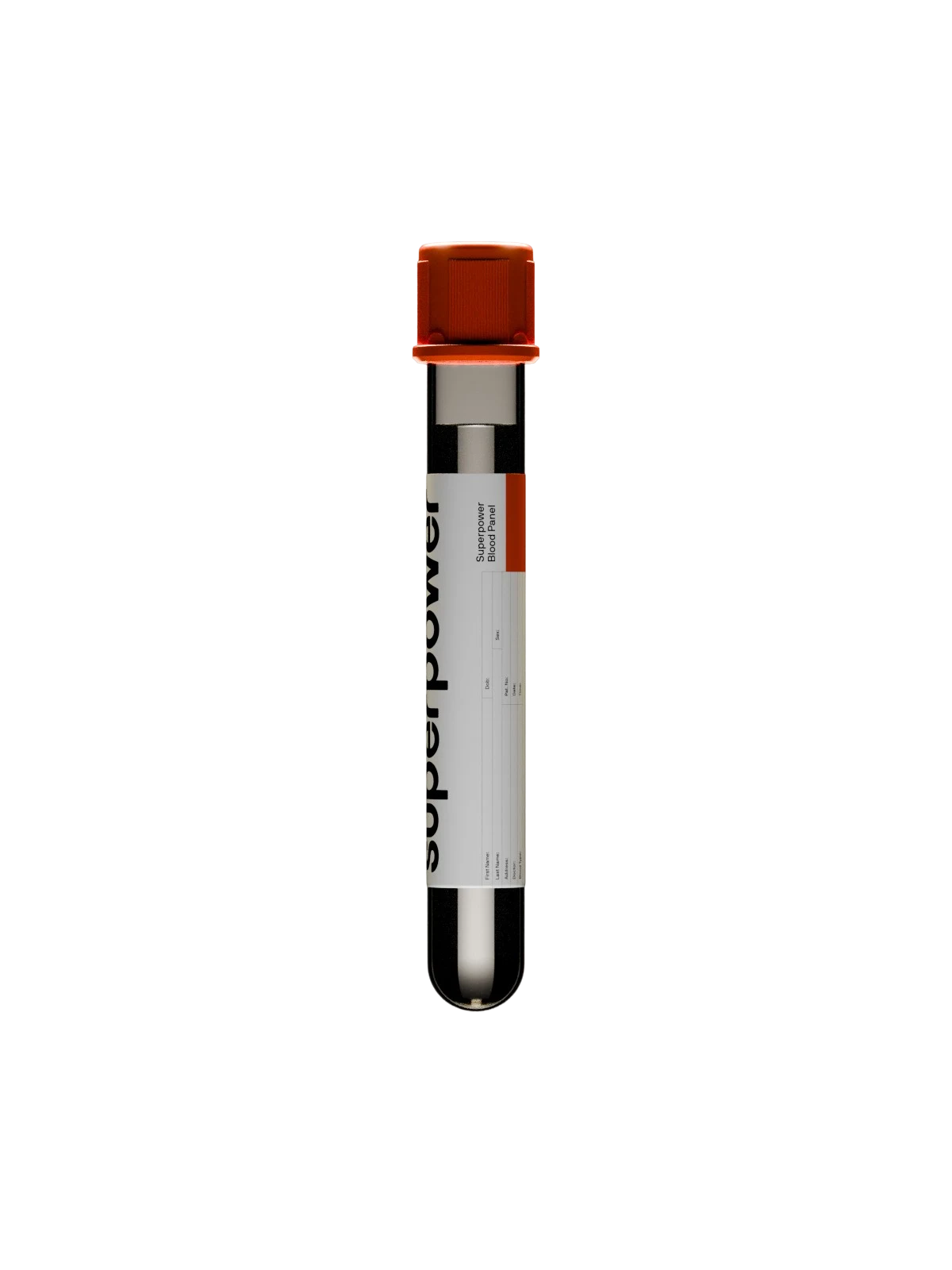
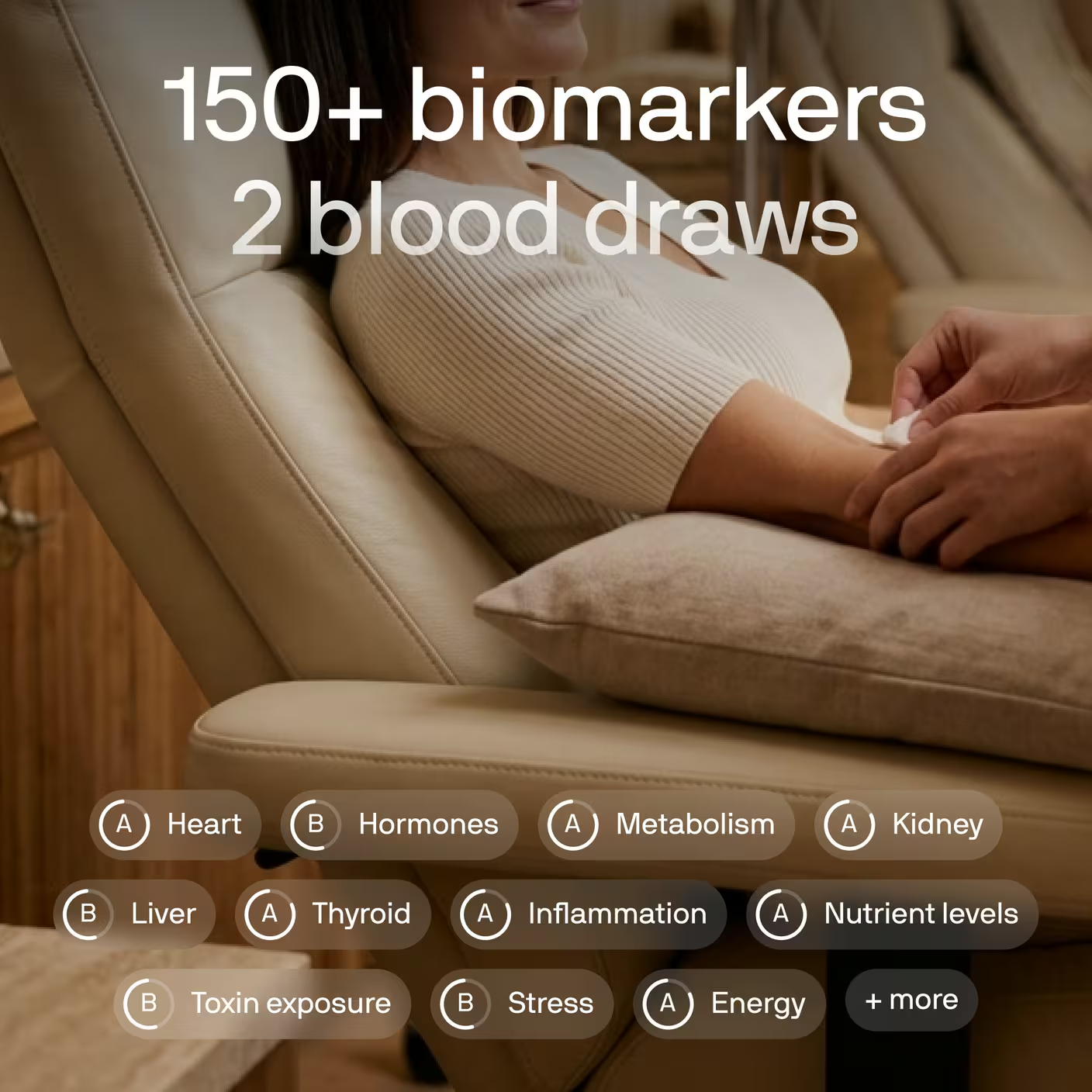
Test 150+ biomarkers
Two blood draws. A full picture of your health, explained in plain language.
Test 150+ biomarkers
Two blood draws. A full picture of your health, explained in plain language.
Too much light sleep: What it means
When the balance tips
Spending an unusually high percentage of the night in light sleep usually means something is preventing you from dropping into deeper stages. Common culprits include:
- Stress and elevated cortisol: high evening cortisol keeps your nervous system too alert for deep sleep, trapping you in N1 and N2 cycles
- Alcohol before bed: alcohol fragments sleep architecture, increasing light sleep at the expense of both deep and REM stages
- Sleep apnea: repeated micro-arousals from obstructive sleep apnea pull you back into light sleep dozens of times per night, often without your awareness
- Pain or discomfort: chronic pain from conditions like sciatica or neck issues can prevent the full muscle relaxation needed for deeper stages
- Thyroid imbalances: both hyperthyroidism and hypothyroidism alter sleep stage distribution
The fatigue paradox
People who spend too much time in light sleep often report feeling tired despite sleeping enough hours. The quantity is there, but the quality is missing. This is one of the most frustrating patterns in sleep medicine, because the solution requires identifying the underlying disruptor rather than simply spending more time in bed.
How to improve your light sleep balance
Protect your sleep transitions
Since light sleep is the gateway to deeper stages, anything that smooths the transition helps. Keep your bedroom dark, cool (60 to 67 degrees Fahrenheit), and quiet. Consider white noise if environmental sounds tend to keep you in lighter stages. A consistent bedtime within a 30-minute window trains your circadian clock to initiate sleep transitions more efficiently.
Address the metabolic underpinnings
If you suspect stress hormones or blood sugar instability are keeping you locked in light sleep, blood testing can clarify the picture. Key markers to investigate include:
- Cortisol: elevated evening levels prevent deep sleep entry
- Fasting glucose and HbA1c: blood sugar instability triggers overnight cortisol surges that fragment sleep
- TSH and thyroid hormones: thyroid dysfunction alters sleep stage architecture
- Ferritin: low iron stores are linked to restless legs syndrome, which disrupts sleep staging
Strategic daytime habits
Morning sunlight exposure within the first hour of waking strengthens your circadian signal, which improves the timing and depth of all sleep stages. Regular exercise (completed at least two hours before bed) increases both deep and REM sleep proportionally, naturally reducing the percentage spent in light stages. Limiting nicotine and caffeine after noon removes two of the most common chemical barriers to healthy sleep stage progression.
Take the next step with Superpower
Understanding what is light sleep and how it fits into your overall sleep architecture gives you a foundation. But knowing why your sleep stages might be out of balance requires looking beyond the sleep tracker. Cortisol rhythms, thyroid function, blood sugar stability, and iron levels all shape how your brain moves through sleep cycles each night.
Superpower's at-home blood testing panel measures 150+ biomarkers, including the hormonal and metabolic markers most connected to sleep quality. Your results come with personalized context so you can take informed action. Start testing with Superpower and see what your blood reveals about your sleep.
Frequently Asked Questions
References
- Cuellar NG, Whisenant D, Stanton MP (2015). Hypnic Jerks: A Scoping Literature Review. *Sleep medicine clinics*, *10*(3), 393-401, xvi. https://doi.org/10.1016/j.jsmc.2015.05.010
- Snel J, Lorist MM (2011). Effects of caffeine on sleep and cognition. *Progress in brain research*, *190*, 105-17. https://doi.org/10.1016/B978-0-444-53817-8.00006-2
- Dang-Vu TT, McKinney SM, Buxton OM, Solet JM, Ellenbogen JM (2010). Spontaneous brain rhythms predict sleep stability in the face of noise. *Current biology : CB*, *20*(15), R626-7. https://doi.org/10.1016/j.cub.2010.06.032
- Siclari F, Baird B, Perogamvros L, Bernardi G, LaRocque JJ, Riedner B, Boly M, Postle BR, Tononi G (2017). The neural correlates of dreaming. *Nature neuroscience*, *20*(6), 872-878. https://doi.org/10.1038/nn.4545
- Diekelmann S, Born J (2010). The memory function of sleep. *Nature reviews. Neuroscience*, *11*(2), 114-26. https://doi.org/10.1038/nrn2762















 Heart & Vascular Health
 Metabolic Health
 Energy
 Liver Health
 Kidney
 Sex Hormones
 Thyroid Health
 Nutrients
 Immune System
 Inflammation