


Understand what your sleep health results really mean
See your biomarkers in context with a comprehensive panel.
- CLIA-certified labs
- HIPAA compliant
- Personalized health protocol
Sleep apnea as a VA disability
Why sleep apnea is so common among veterans
Is sleep apnea a disability in the VA system? Yes, and it's one of the most prevalent service-connected conditions. Military service creates unique risk factors: exposure to burn pits and airborne irritants, weight changes during and after service, high-stress environments that alter sleep architecture, and mental health conditions like PTSD that are closely linked to sleep apnea.
The VA recognizes that these service-related factors can directly cause or significantly worsen sleep apnea. According to VA data, sleep apnea claims have increased dramatically over the past decade, reflecting both greater awareness and improved diagnostic access.
The service connection requirement
To receive VA disability for sleep apnea, you need to establish a "service connection," meaning the condition started during service, was aggravated by service, or developed secondary to another service-connected condition. The three main pathways are:
- Direct service connection: Your sleep apnea began during active duty, supported by in-service medical records or buddy statements
- Aggravation: A pre-existing condition worsened beyond its natural progression during service
- Secondary connection: Sleep apnea developed as a result of another service-connected condition like PTSD, weight gain from limited mobility, or medication side effects
How much VA disability for sleep apnea
Understanding the rating schedule
How much VA disability for sleep apnea depends on severity. The VA uses a four-tier rating system under 38 CFR Part 4, Diagnostic Code 6847:
- 0% rating: Asymptomatic but documented sleep apnea with no current symptoms
- 30% rating: Persistent daytime hypersomnolence (excessive sleepiness)
- 50% rating: Requires use of a breathing assistance device such as CPAP. This is the most common rating.
- 100% rating: Chronic respiratory failure with carbon dioxide retention, requires tracheostomy, or has cor pulmonale (right-sided heart failure)
What the 50% rating means financially
A 50% VA disability rating for sleep apnea provides significant monthly compensation. As of 2026, a single veteran with a 50% rating receives approximately $1,075 per month, with higher amounts for veterans with dependents. This rating also opens doors to additional VA healthcare benefits.
Many veterans with sleep apnea also have other service-connected conditions. The VA uses "combined ratings" math, which can push total disability compensation higher when sleep apnea is rated alongside conditions like PTSD, tinnitus, or back injuries.
Can you get VA disability for sleep apnea? Filing a claim
Building a strong claim
Can you get VA disability for sleep apnea? Yes, but the strength of your documentation matters enormously. You'll need:
- A current diagnosis from a sleep study (polysomnography or home sleep test)
- Evidence of a service connection (service medical records, deployment records, buddy statements)
- A medical nexus letter from a doctor linking your sleep apnea to military service
- Documentation of current symptoms and treatment (CPAP records, ongoing medical notes)
Common mistakes that delay claims
Many veterans file claims without a clear nexus letter, which is the single most common reason for denial. A nexus letter should come from a qualified physician who reviews your service records and explains, in medical terms, why your sleep apnea is "at least as likely as not" connected to your military service.
Another frequent issue: not documenting symptoms during service. If you snored heavily or experienced daytime exhaustion while deployed, statements from fellow service members who witnessed these symptoms can serve as critical evidence.
Sleep apnea under the ADA
When sleep apnea qualifies as a disability
Is sleep apnea a disability under the Americans with Disabilities Act? It can be. The ADA defines disability as a physical or mental impairment that substantially limits one or more major life activities. Sleep apnea can limit breathing, sleeping, concentrating, and working, all of which qualify.
The ADA Amendments Act of 2008 broadened the definition, making it easier to qualify. Courts have increasingly recognized that severe sleep apnea, especially when it causes excessive daytime sleepiness or cognitive impairment, meets the threshold.
Workplace protections and accommodations
If your sleep apnea qualifies under the ADA, your employer must provide reasonable accommodations. These might include:
- Modified work schedules to accommodate fatigue patterns
- Permission to use CPAP equipment during work travel
- Breaks for daytime sleepiness management
- Reassignment from safety-sensitive positions if medically necessary
Your employer cannot fire, demote, or refuse to hire you solely because of a sleep apnea diagnosis, as long as you can perform the essential functions of the job with or without accommodation.
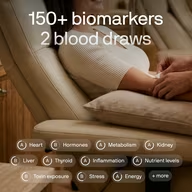
Test 100+ biomarkers
One blood draw. A full picture of your health, explained in plain language.
Test 100+ biomarkers
One blood draw. A full picture of your health, explained in plain language.
Social security disability and sleep apnea
How the SSA evaluates sleep apnea
Getting Social Security disability for sleep apnea alone is difficult but not impossible. The Social Security Administration (SSA) doesn't list sleep apnea as a specific impairment in its Blue Book. Instead, it evaluates sleep apnea under related listings for chronic pulmonary insufficiency, heart failure, or cognitive limitations.
The key question the SSA asks: does your sleep apnea, despite treatment, prevent you from performing any substantial gainful activity? If CPAP therapy controls your symptoms enough that you can work, a disability claim will likely be denied.
Strengthening a social security claim
Successful claims typically involve sleep apnea combined with other conditions. Document everything: sleep study results, CPAP compliance data, cardiology reports, cognitive assessments, and records from every doctor visit. The more objective evidence showing functional limitations, the stronger your case.
The health impact that makes sleep apnea disabling
Beyond snoring: Systemic consequences
What makes sleep apnea genuinely disabling isn't the snoring. It's the cascade of physiological consequences. Every apnea event triggers oxygen desaturation, a cortisol surge, and a spike in blood pressure. Repeat that dozens of times per hour, every night, and the cumulative damage is significant.
Untreated sleep apnea is associated with cardiovascular disease, type 2 diabetes, weight gain, cognitive decline, and depression. These secondary conditions often cause more functional impairment than the sleep apnea itself, which is why documenting them strengthens any disability claim.
Monitoring your metabolic health
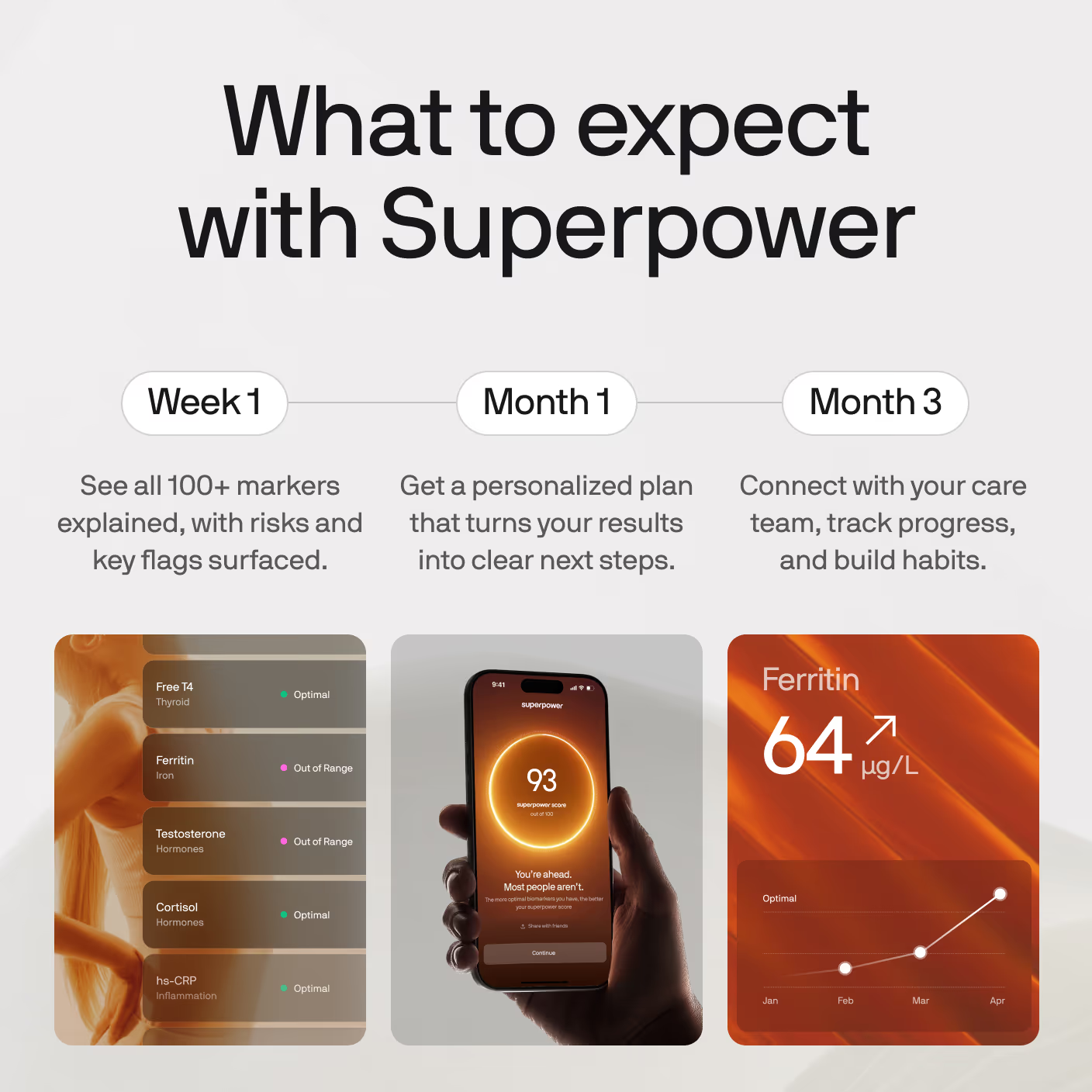
Many of the disabling effects of sleep apnea show up in your blood long before they become emergencies. Elevated fasting glucose, insulin resistance, inflammatory markers like hs-CRP, and disrupted cortisol patterns can all signal that your body is paying a heavy price for fragmented sleep. Tracking these biomarkers gives you objective evidence of impact, useful for both your health and your documentation.
Take the next step with Superpower
Whether you're filing a disability claim or simply trying to understand how sleep apnea is affecting your body, objective data makes all the difference. The metabolic toll of disrupted sleep often hides beneath the surface, showing up in blood biomarkers before it shows up in symptoms you can name.
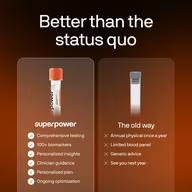
Superpower's blood panel measures 100+ biomarkers including inflammatory markers, metabolic indicators, and hormonal patterns that sleep apnea directly disrupts. Combined with personalized protocols, it gives you a clearer picture of what's happening inside.
Start your Superpower membership today and take control of the data that matters.
Frequently Asked Questions
References
- Va. (n.d.). *VA disability compensation*. https://va.gov/disability
- Ecfr. (n.d.). *38 CFR Part 4 -- Schedule for Rating Disabilities*. https://ecfr.gov/current/title-38/chapter-I/part-4
- Ada. (n.d.). *The Americans with Disabilities Act*. https://ada.gov
- Ssa. (n.d.). *Bluebook*. https://ssa.gov/disability/professionals/bluebook
- Mitra AK, Bhuiyan AR, Jones EA (2021). Association and risk factors for obstructive sleep apnea and cardiovascular diseases: a systematic review. *Diseases*, *9*(4), 88. https://doi.org/10.3390/diseases9040088










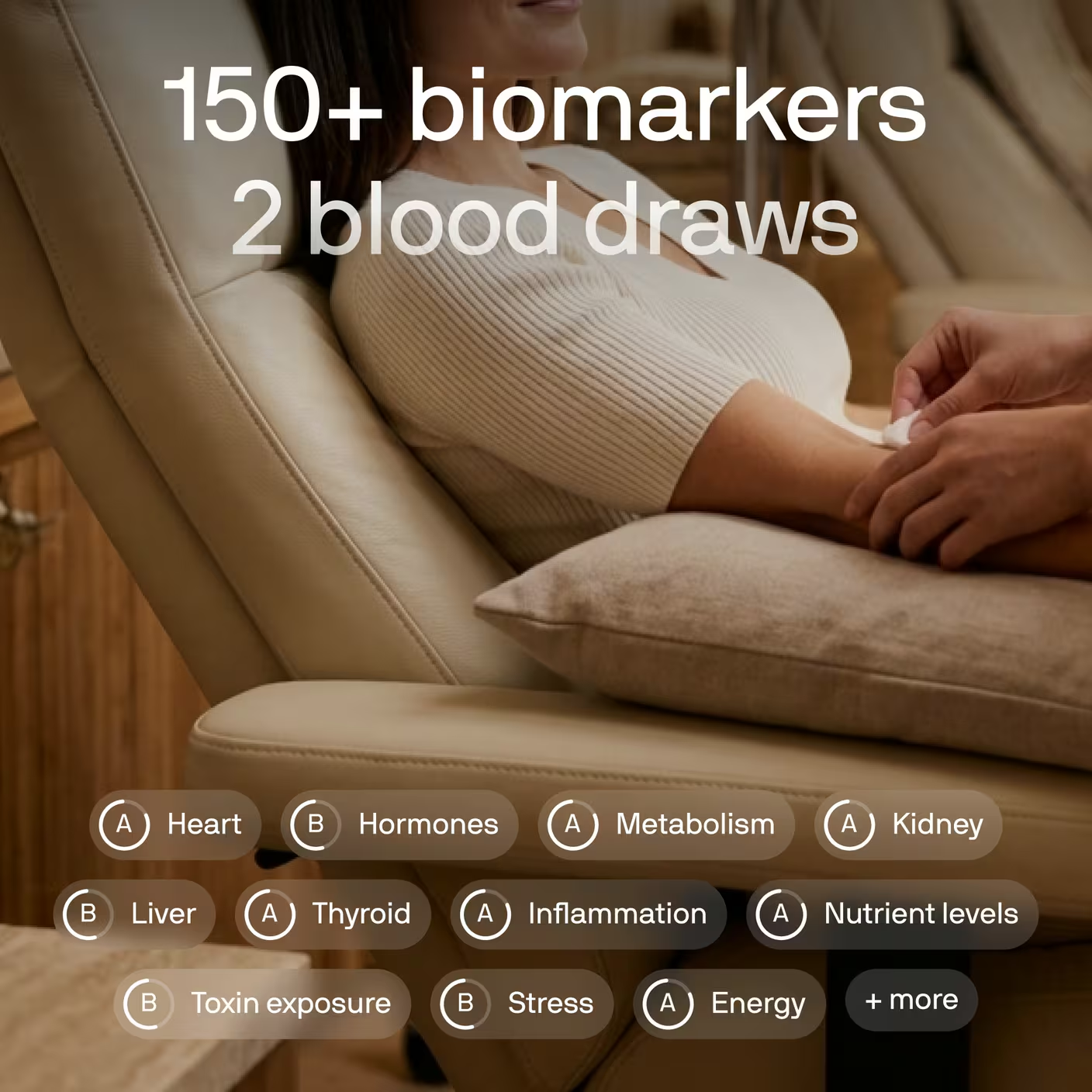






 Heart & Vascular Health
 Metabolic Health
 Energy
 Liver Health
 Kidney
 Sex Hormones
 Thyroid Health
 Nutrients
 Immune System
 Inflammation