


Understand what your sleep health results really mean
See your biomarkers in context with a comprehensive panel.
- CLIA-certified labs
- HIPAA compliant
- Personalized health protocol
Why your pillow count matters more than you think
Spinal alignment starts at the neck
Your cervical spine (the seven vertebrae in your neck) has a natural forward curve. When you lie down, your pillow's job is to maintain that curve so your head sits in a neutral position. Too many pillows push your head forward, flattening the curve. Too few let it drop backward.
A study in the Journal of Pain Research found that pillow height significantly affects cervical spine angle and muscle activity during sleep. When the angle is off, your neck muscles work overtime instead of resting. That is one reason you wake up with stiffness or neck pain that takes hours to fade.
The ripple effect through your body
Neck misalignment does not stay in the neck. When your head tilts forward or backward, your thoracic spine compensates. Your shoulders round. Your lower back absorbs extra pressure. This chain reaction can aggravate back pain, shoulder pain, and even headaches.
Think of your spine as a chain. One kinked link forces every other link to adjust. Your pillow count determines whether that chain hangs naturally or gets twisted for eight hours straight.
How many pillows should you sleep on by position
Side sleepers: One firm pillow
Side sleeping is the most common position, and it demands the most from your pillow. The gap between your shoulder and ear creates a space that needs filling. One pillow with enough loft (typically 4 to 6 inches) keeps your head level with your spine.
If the pillow is too thin, your head drops toward the mattress and your neck bends laterally. Too thick and it pushes your head upward. Either way, you create asymmetric tension that can lead to a stiff neck by morning. Adding a second pillow between your knees helps keep your hips aligned and reduces pressure on your lower back.
Back sleepers: One thin pillow
Back sleepers need less loft because the distance between the head and mattress is smaller. A single pillow around 3 to 4 inches thick typically works well. The goal is to support the natural cervical curve without pushing your chin toward your chest.
Want to test it? Lie on your back with your pillow. Have someone look at your profile from the side. Your ears should line up roughly over your shoulders, just like they would if you were standing with good posture. If your chin tucks down, the pillow is too high.
Stomach sleepers: Zero or one ultra-thin pillow
Stomach sleeping already forces your neck to rotate to one side, which stresses the cervical vertebrae. Adding a standard pillow on top of that pushes your head further upward and increases the rotation angle. Most sleep researchers recommend either no pillow or the thinnest one you can find.
A thin pillow under your pelvis can actually help stomach sleepers more than one under the head. It prevents the lower back from arching excessively, which is the other major problem with this position.
What are the best pillows to sleep on?
Material matters as much as count
Memory foam contours to your neck shape and holds its position throughout the night. Latex offers similar support with more bounce and better cooling. Down pillows feel luxurious but compress easily, so you may need a higher starting loft.
Buckwheat hull pillows let you add or remove filling to dial in exact thickness. For people who struggle to find the right height with standard options, adjustable fill can solve the problem without stacking multiple pillows.
Matching pillow type to sleep style
What are the best pillows to sleep on? That depends on your position. Here is what works for each:
- Side sleepers: Firm memory foam or latex with high loft. Look for gusseted designs that maintain thickness at the edges.
- Back sleepers: Medium-firm memory foam with moderate loft, or a contoured pillow with a cervical ridge that cradles the neck curve.
- Stomach sleepers: Soft, thin down or down-alternative pillows. Some people prefer a compressible design they can fold or bunch.
- Combination sleepers: Shredded memory foam or latex with adjustable fill, so the pillow adapts as you switch positions.
When to replace your pillow
Pillows lose their support over time. A study published in the Textile Research Journal found that pillow support degrades measurably within one to two years, especially in synthetic fills. If you fold your pillow in half and it stays folded, it has lost its structural integrity. Replace it.
When extra pillows actually help
Acid reflux and GERD
If you deal with GERD or nighttime heartburn, elevating your upper body by 6 to 8 inches can reduce acid exposure in the esophagus. But stacking regular pillows under your head alone bends your body at the neck, not the waist. That creates pressure on your stomach and can make reflux worse.
A foam wedge pillow that elevates your entire torso is more effective. A study in the Journal of Clinical Gastroenterology showed that a wedge-style elevation reduced nighttime reflux episodes significantly compared to flat sleeping. If you use regular pillows, arrange them to create a gradual incline from the mid-back up, not a sharp angle at the neck.
Snoring and mild sleep apnea
Slight head elevation can open the airway and reduce snoring in some people. One pillow with moderate loft often helps more than a flat surface. But too many pillows can actually fold the airway by pushing the chin toward the chest. A study in Sleep and Breathing found that excessive cervical flexion from high pillows increased airway resistance.
If snoring persists regardless of your pillow setup, it may be worth exploring whether sleep apnea is involved. A sleep study can reveal whether your airway is collapsing during sleep.
Pregnancy and hip pain
During pregnancy, a pillow between the knees and another supporting the belly can relieve pressure on the hips and lower back. Full-body pregnancy pillows essentially combine multiple pillows into one continuous support system. For anyone dealing with hip pain during sleep, a knee pillow is one of the simplest fixes available.
Signs your pillow setup is wrong
Morning pain that fades by midday
Neck stiffness, shoulder aches, or headaches that peak when you wake up and gradually improve are classic signs of a pillow problem. Your muscles spent the night compensating for a misaligned spine, and they need hours to unwind. If this pattern sounds familiar, your pillow height is likely off.
Frequent repositioning at night
Everyone shifts in their sleep. But if you constantly wake up adjusting your pillow, punching it into shape, or shoving an arm underneath for extra support, the pillow is not doing its job. You should not need to engineer a solution every night.
Numbness or tingling
Waking with tingling in your hands or arms can signal nerve compression at the neck. A pillow that is too high or too firm can press the cervical nerve roots, particularly for side sleepers. If numbness persists, talk to a clinician, but adjusting your pillow is a reasonable first step. Conditions like cervical radiculopathy and pinched nerves are often aggravated by poor pillow support.
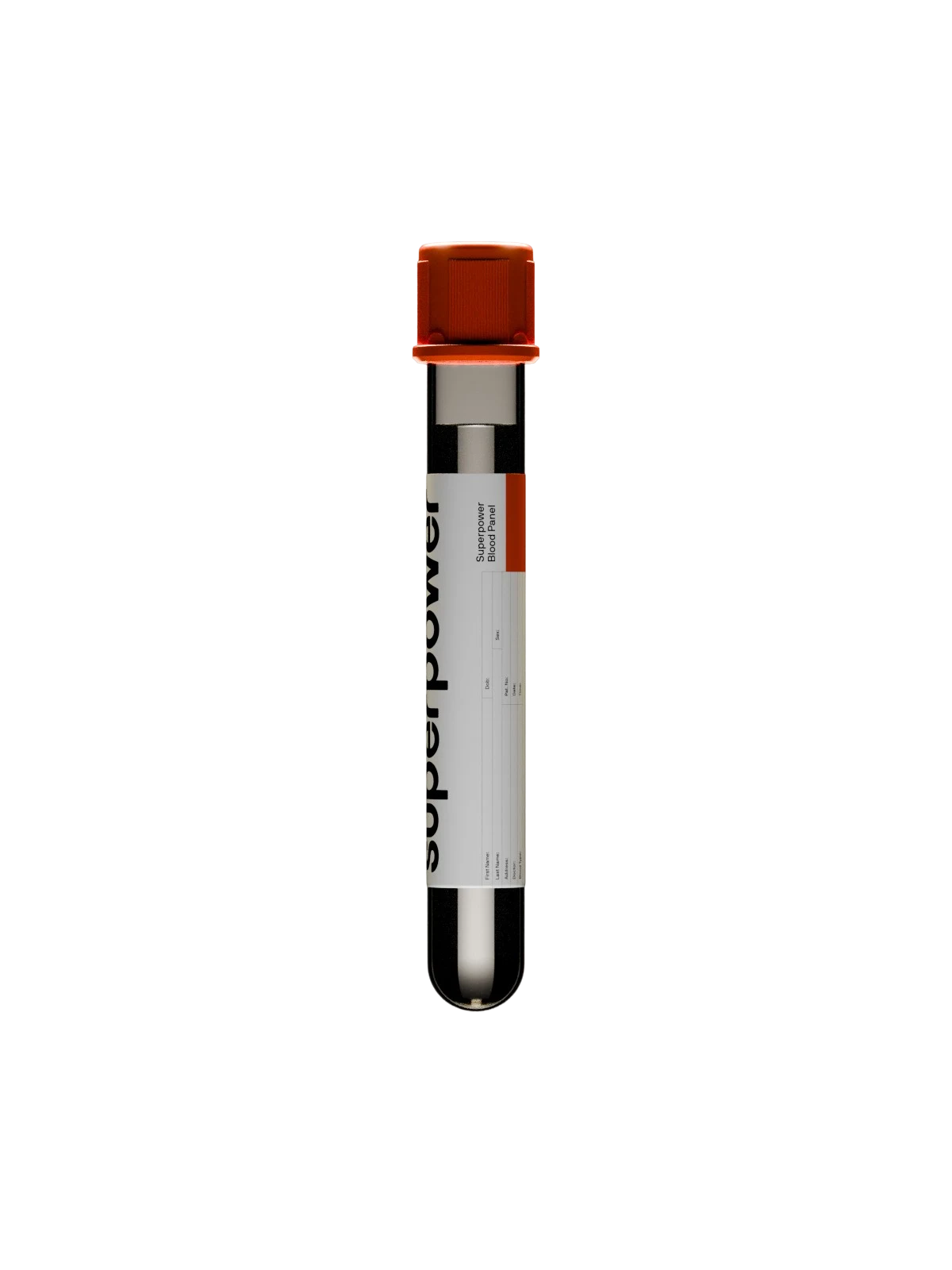
Test 150+ biomarkers
Two blood draws. A full picture of your health, explained in plain language.
Test 150+ biomarkers
Two blood draws. A full picture of your health, explained in plain language.
How pillows affect breathing and sleep apnea
Airway geometry changes with head position
Your airway is a flexible tube, and its diameter changes based on how your head and neck are positioned. When your head tilts too far forward (from too many pillows), the airway narrows at the throat. When it drops too far back, the tongue can fall toward the back of the throat.
Does sleeping sitting up help sleep apnea? Some people find that elevating the head and torso reduces apnea events. But the angle matters. A pillow stack that only lifts the head often makes things worse by crimping the airway at the neck. A gradual incline from the torso up, using a wedge or an adjustable bed frame, is the safer approach.
Pillow firmness and oxygen levels
A pillow that is too soft can let your face sink into it, partially blocking your nose and mouth. This is especially relevant for stomach sleepers and for anyone who tends to bury their face in their pillow. Maintaining normal oxygen levels during sleep depends partly on keeping your airway clear and unobstructed.
If you notice that you sleep with your mouth open or drool frequently, your pillow position might be forcing mouth breathing. A proper pillow height can encourage nasal breathing, which filters and humidifies air more effectively.
Building your ideal pillow arrangement
Start with one and adjust
Begin with a single pillow that matches your sleep position. Sleep on it for a few nights and pay attention to how you feel in the morning. If you wake with neck pain, try a different loft before adding a second pillow. Most people discover that one well-chosen pillow outperforms two mediocre ones stacked together.
Add strategic support pillows
Beyond your head pillow, consider these targeted placements:
- Between the knees (side sleepers): Keeps hips parallel and reduces lower back strain.
- Under the knees (back sleepers): Flattens the lumbar curve and takes pressure off the lower spine.
- Under the pelvis (stomach sleepers): Prevents excessive lumbar arching.
- Wedge under the torso (reflux or snoring): Elevates the entire upper body at a gradual angle.
The body-size factor
Your shoulder width, head size, and mattress firmness all affect how many pillows should you sleep on. A broad-shouldered person on a firm mattress needs a thicker pillow than a smaller person on a plush surface. The mattress absorbs some of the shoulder, changing the gap the pillow needs to fill. Adjust for your specific geometry rather than following a universal rule.
Track your sleep quality with biomarkers
You can feel whether your pillow is comfortable, but you cannot feel what poor sleep is doing to your cortisol, inflammation markers, or metabolic health. Chronic sleep disruption, even from something as fixable as the wrong pillow setup, affects hormones and recovery in ways that show up in blood work before symptoms become obvious.
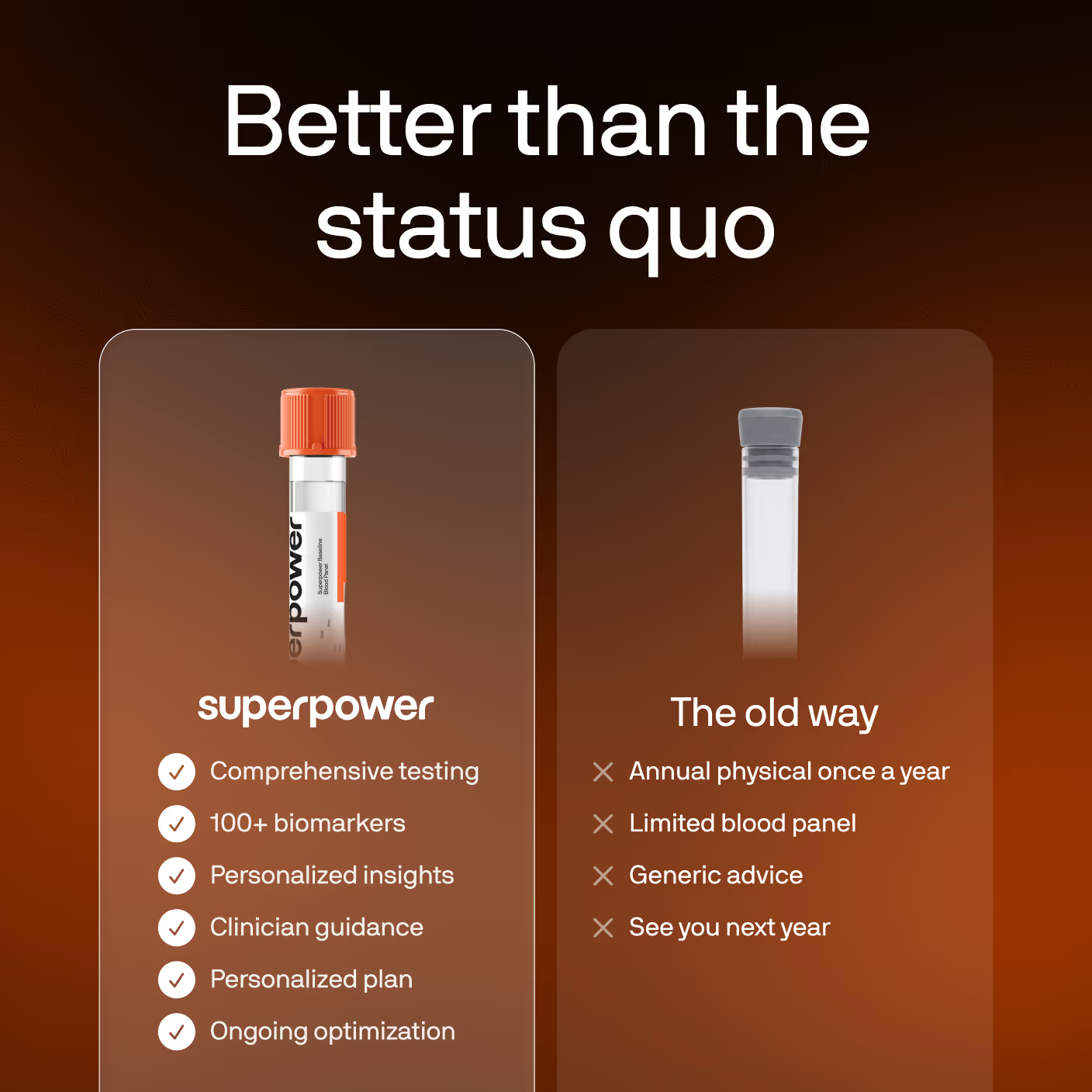
Superpower's at-home blood panel tracks over 150 biomarkers, including markers associated with sleep quality and stress response. If you have been adjusting your sleep environment but still feel unrested, your biomarkers can reveal what your mornings cannot. Start your Superpower panel today and see what your blood says about your sleep.
Frequently Asked Questions
References
- Pang JCY, Tsang SMH, Fu ACL (2021). The effects of pillow designs on neck pain, waking symptoms, neck disability, sleep quality and spinal alignment in adults: A systematic review and meta-analysis. *Clinical Biomechanics*, *85*, 105353. https://doi.org/10.1016/j.clinbiomech.2021.105353
- Ravesloot MJL, van Maanen JP, Dun L, de Vries N (2013). The undervalued potential of positional therapy in position-dependent snoring and obstructive sleep apnea-a review of the literature. *Sleep & Breathing*, *17*(1), 39-49. https://doi.org/10.1007/s11325-012-0683-5
- Albarqouni L, Moynihan R, Clark J, Scott AM, Duggan A, Del Mar C (2021). Head of bed elevation to relieve gastroesophageal reflux symptoms: A systematic review. *BMC Family Practice*, *22*(1), 24. https://doi.org/10.1186/s12875-021-01369-0
- Kapur VK, Auckley DH, Chowdhuri S, Kuhlmann DC, Mehra R, Ramar K, Harrod CG (2017). Clinical practice guideline for diagnostic testing for adult obstructive sleep apnea: An American Academy of Sleep Medicine clinical practice guideline. *Journal of Clinical Sleep Medicine*, *13*(3), 479-504. https://doi.org/10.5664/jcsm.6506
- Cleveland Clinic. (n.d.). *Best sleeping positions for your body*. https://health.clevelandclinic.org/best-sleeping-positions



























 Heart & Vascular Health
 Metabolic Health
 Energy
 Liver Health
 Kidney
 Sex Hormones
 Thyroid Health
 Nutrients
 Immune System
 Inflammation